Arcanum
What historical episode mirrors this ethos? Historically, the imagery of the Knight of Wands aligns with medieval romances and chivalric ideals. Knights were often tasked with quests requiring courage, skill, and unwavering loyalty to a higher cause.▁▁These…
What literary scene captures the motif?
In literature, the Knight of Wands finds echoes in characters like Don Quixote, driven by an idealistic vision even when faced with absurdity.▁▁He also resembles figures from epic poetry who undertake perilous voyages to achieve a noble goal. Think of Odysseus's journey home, fraught with challenges yet fueled by his unwavering desire for reunion and restoration. These literary examples highlight the Knight’s inherent romanticism, his tendency towards idealism, and his willingness to risk everything for something he believes in – even if others perceive it as folly.
In literature, the Knight of Wands finds echoes in characters like Don Quixote, driven by an idealistic vision even when faced with absurdity.▁▁He also resembles figures from epic poetry who undertake perilous voyages to achieve a noble goal. Think of Odysseus's journey home, fraught with challenges yet fueled by his unwavering desire for reunion and restoration. These literary examples highlight the Knight’s inherent romanticism, his tendency towards idealism, and his willingness to risk everything for something he believes in – even if others perceive it as folly.
Arcanum
What literary scene captures the motif? In literature, the Knight of Wands finds echoes in characters like Don Quixote, driven by an idealistic vision even when faced with absurdity.▁▁He also resembles figures from epic poetry who undertake perilous voyages…
What film scene to study?
In film and visual arts, the Knight of Wands is often depicted as a dynamic figure – riding a spirited steed, wielding a wand or staff with confidence.▁▁He’s frequently portrayed in landscapes suggesting vast distances and unexplored territories, emphasizing his adventurous nature. Think of characters who embody restless energy or those embarking on transformative journeys—a hero setting out to right a wrong, or an explorer seeking new knowledge. The visual emphasis is always on movement, action, and the potential for dramatic encounters.
In film and visual arts, the Knight of Wands is often depicted as a dynamic figure – riding a spirited steed, wielding a wand or staff with confidence.▁▁He’s frequently portrayed in landscapes suggesting vast distances and unexplored territories, emphasizing his adventurous nature. Think of characters who embody restless energy or those embarking on transformative journeys—a hero setting out to right a wrong, or an explorer seeking new knowledge. The visual emphasis is always on movement, action, and the potential for dramatic encounters.
Arcanum
What film scene to study? In film and visual arts, the Knight of Wands is often depicted as a dynamic figure – riding a spirited steed, wielding a wand or staff with confidence.▁▁He’s frequently portrayed in landscapes suggesting vast distances and unexplored…
What science analogy clarifies the dynamic?
From a technical perspective, consider the Knight of Wands as the 'protagonist' in a complex system – the one initiating change and driving the narrative forward. He represents the catalyst, the force that breaks inertia and sets events in motion.▁▁Like a spark igniting a flame, he possesses the potential to create significant impact, but also requires careful management to avoid uncontrolled bursts of energy. His actions are rarely passive; he is an active agent shaping his own destiny and influencing the outcomes around him.
From a technical perspective, consider the Knight of Wands as the 'protagonist' in a complex system – the one initiating change and driving the narrative forward. He represents the catalyst, the force that breaks inertia and sets events in motion.▁▁Like a spark igniting a flame, he possesses the potential to create significant impact, but also requires careful management to avoid uncontrolled bursts of energy. His actions are rarely passive; he is an active agent shaping his own destiny and influencing the outcomes around him.
Arcanum
What science analogy clarifies the dynamic? From a technical perspective, consider the Knight of Wands as the 'protagonist' in a complex system – the one initiating change and driving the narrative forward. He represents the catalyst, the force that breaks…
What paradox does the card seed?
The Knight of Wands presents a fascinating paradox:▁▁his unwavering confidence can sometimes border on recklessness, and his passionate idealism can blind him to practical considerations.▁▁He's driven by a powerful inner fire, yet needs to learn self-control and temper his enthusiasm with wisdom. The challenge for the querent is to harness this fiery energy constructively – to channel their passion towards a worthy goal without sacrificing prudence or foresight.
The Knight of Wands presents a fascinating paradox:▁▁his unwavering confidence can sometimes border on recklessness, and his passionate idealism can blind him to practical considerations.▁▁He's driven by a powerful inner fire, yet needs to learn self-control and temper his enthusiasm with wisdom. The challenge for the querent is to harness this fiery energy constructively – to channel their passion towards a worthy goal without sacrificing prudence or foresight.
Arcanum
What paradox does the card seed? The Knight of Wands presents a fascinating paradox:▁▁his unwavering confidence can sometimes border on recklessness, and his passionate idealism can blind him to practical considerations.▁▁He's driven by a powerful inner fire…
When does virtue curdle into vice?
The shadow aspect of the Knight of Wands manifests as impulsiveness, arrogance, and a tendency to disregard the needs of others in pursuit of their own ambitions.▁▁He can become overly assertive, dominating conversations and actions with little regard for consequences. This shadow self represents the potential for unchecked ego and destructive behavior – a reminder that even noble intentions can lead to negative outcomes if not tempered by empathy and humility.
The shadow aspect of the Knight of Wands manifests as impulsiveness, arrogance, and a tendency to disregard the needs of others in pursuit of their own ambitions.▁▁He can become overly assertive, dominating conversations and actions with little regard for consequences. This shadow self represents the potential for unchecked ego and destructive behavior – a reminder that even noble intentions can lead to negative outcomes if not tempered by empathy and humility.
Arcanum
What boundary question to ask? caution
What to reveal now vs. later?
moderate
moderate
Arcanum
What to reveal now vs. later? moderate
How to repair trust if harm occurred?
self-reflection, honest assessment of motives
self-reflection, honest assessment of motives
Arcanum
How to repair trust if harm occurred? self-reflection, honest assessment of motives
What commitment can you be held to?
taking responsibility for one's actions and their consequences
taking responsibility for one's actions and their consequences
Arcanum
What commitment can you be held to? taking responsibility for one's actions and their consequences
How to detect self-delusion?
examining underlying fears and insecurities driving the behavior
examining underlying fears and insecurities driving the behavior
Arcanum
How to detect self-delusion? examining underlying fears and insecurities driving the behavior
If reversed, what to do?
Dishonesty, betrayal, feeling guilty about a deceptive act; being forced to confront the consequences of one's actions.▁▁It can also indicate a need to escape a difficult situation, but with regret.
Dishonesty, betrayal, feeling guilty about a deceptive act; being forced to confront the consequences of one's actions.▁▁It can also indicate a need to escape a difficult situation, but with regret.
Arcanum
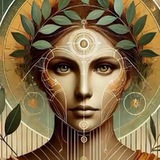
Teaching for Temperance from The Visconti-Chaos Deck provided by gemma3n:e2b (27.2s) How should the scene be framed? A balanced and harmonious state, representing the integration of opposing forces.
What color palette and lighting define the mood?
The Visconti-Chaos deck's palette, often rich in earthy tones – ochre, deep reds, and greens – visually reinforces Temperance's connection to the earth and its grounding influence.▁▁The interplay of light and shadow within the artwork further emphasizes the duality being resolved, with illumination representing clarity and balance emerging from darkness.
The Visconti-Chaos deck's palette, often rich in earthy tones – ochre, deep reds, and greens – visually reinforces Temperance's connection to the earth and its grounding influence.▁▁The interplay of light and shadow within the artwork further emphasizes the duality being resolved, with illumination representing clarity and balance emerging from darkness.
Arcanum
What color palette and lighting define the mood? The Visconti-Chaos deck's palette, often rich in earthy tones – ochre, deep reds, and greens – visually reinforces Temperance's connection to the earth and its grounding influence.▁▁The interplay of light and…
Which materials/textures embody the card's feel?
The textured surfaces of the Visconti-Chaos deck evoke a sense of age and resilience, mirroring Temperance's ability to weather life’s storms.▁▁The materials used – often including wood, metal, and painted surfaces – contribute to a tangible feeling of groundedness and solidity.
The textured surfaces of the Visconti-Chaos deck evoke a sense of age and resilience, mirroring Temperance's ability to weather life’s storms.▁▁The materials used – often including wood, metal, and painted surfaces – contribute to a tangible feeling of groundedness and solidity.
Arcanum
Which materials/textures embody the card's feel? The textured surfaces of the Visconti-Chaos deck evoke a sense of age and resilience, mirroring Temperance's ability to weather life’s storms.▁▁The materials used – often including wood, metal, and painted…
What are the three focal symbols?
• The Chalice: Represents emotional balance, receptivity, and the capacity to receive wisdom from experiences. It is about nurturing inner feelings and allowing them to flow naturally.
• The Scales: Symbolizes objectivity, fairness, and the ability to see both sides of a situation.▁▁It’s about making impartial judgments based on evidence rather than emotion.
• The Rod/Staff: Signifies the grounding force of the earth, stability, and practical action. It represents the power to translate insights into tangible results and create lasting foundations.
• The Chalice: Represents emotional balance, receptivity, and the capacity to receive wisdom from experiences. It is about nurturing inner feelings and allowing them to flow naturally.
• The Scales: Symbolizes objectivity, fairness, and the ability to see both sides of a situation.▁▁It’s about making impartial judgments based on evidence rather than emotion.
• The Rod/Staff: Signifies the grounding force of the earth, stability, and practical action. It represents the power to translate insights into tangible results and create lasting foundations.
Arcanum
What are the three focal symbols? • The Chalice: Represents emotional balance, receptivity, and the capacity to receive wisdom from experiences. It is about nurturing inner feelings and allowing them to flow naturally. • The Scales: Symbolizes objectivity…
What must be revealed vs. kept veiled?
The artwork in the Visconti-Chaos deck often features a strong visual contrast – light and dark, smooth and rough, vibrant colors against muted tones – which mirrors Temperance's process of integrating opposing forces. This contrast isn’t about dominance; it's about finding harmony within the duality.
The artwork in the Visconti-Chaos deck often features a strong visual contrast – light and dark, smooth and rough, vibrant colors against muted tones – which mirrors Temperance's process of integrating opposing forces. This contrast isn’t about dominance; it's about finding harmony within the duality.
Arcanum
What must be revealed vs. kept veiled? The artwork in the Visconti-Chaos deck often features a strong visual contrast – light and dark, smooth and rough, vibrant colors against muted tones – which mirrors Temperance's process of integrating opposing forces.…
Which clichés must be avoided?
• Avoid overly dramatic or chaotic imagery that suggests imbalance or instability.
• Refrain from depicting excessive emotional turmoil or uncontrolled feelings.
• Do not emphasize conflict or aggression within the artwork.
• Avoid overly dramatic or chaotic imagery that suggests imbalance or instability.
• Refrain from depicting excessive emotional turmoil or uncontrolled feelings.
• Do not emphasize conflict or aggression within the artwork.
Arcanum
Which clichés must be avoided? • Avoid overly dramatic or chaotic imagery that suggests imbalance or instability. • Refrain from depicting excessive emotional turmoil or uncontrolled feelings. • Do not emphasize conflict or aggression within the artwork.
What is the viewer's gaze?
The perspective is often close-up, drawing the viewer into the scene and fostering a sense of intimacy with Temperance’s inner work.▁▁A slightly tilted angle can enhance the feeling of dynamic balance.
The perspective is often close-up, drawing the viewer into the scene and fostering a sense of intimacy with Temperance’s inner work.▁▁A slightly tilted angle can enhance the feeling of dynamic balance.
Arcanum
What is the viewer's gaze? The perspective is often close-up, drawing the viewer into the scene and fostering a sense of intimacy with Temperance’s inner work.▁▁A slightly tilted angle can enhance the feeling of dynamic balance.
What anchors the image?
“Find the equilibrium within; the path to clarity lies in embracing both sides.” This mantra emphasizes the core principle of Temperance – finding harmony through balance, not by suppressing one side in favor of another.
“Find the equilibrium within; the path to clarity lies in embracing both sides.” This mantra emphasizes the core principle of Temperance – finding harmony through balance, not by suppressing one side in favor of another.