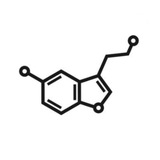
Name: 3-Ethyl-hexane
A.K.A.: Hexane, 3-ethyl-
IUPAC Name: 3-Ethylhexane
Description: 3-Ethylhexane is a hydrocarbon and one of the isomers of octane. Octanes may be found in gasoline.
PubChem Link: https://pubchem.ncbi.nlm.nih.gov/compound/12096
#hydrocarbon
A.K.A.: Hexane, 3-ethyl-
IUPAC Name: 3-Ethylhexane
Description: 3-Ethylhexane is a hydrocarbon and one of the isomers of octane. Octanes may be found in gasoline.
PubChem Link: https://pubchem.ncbi.nlm.nih.gov/compound/12096
#hydrocarbon
❤6
Name: Dicalcium phosphate
A.K.A.: Calcium phosphate dibasic, Calcium hydrogenphosphate, Dibasic calcium phosphate
IUPAC Name: Calcium hydrogen phosphate
Description: The following 31 ingredients are safe in the present practices of use and concentration in cosmetics as described in this safety assessment, when formulated to be non-irritating...Dicalcium Phosphate...
PubChem Link: https://pubchem.ncbi.nlm.nih.gov/compound/24441
#other
A.K.A.: Calcium phosphate dibasic, Calcium hydrogenphosphate, Dibasic calcium phosphate
IUPAC Name: Calcium hydrogen phosphate
Description: The following 31 ingredients are safe in the present practices of use and concentration in cosmetics as described in this safety assessment, when formulated to be non-irritating...Dicalcium Phosphate...
PubChem Link: https://pubchem.ncbi.nlm.nih.gov/compound/24441
#other
❤5
Name: Muscarin
A.K.A.: L-(+)-muscarine, Muskarin
IUPAC Name: [(2s,4r,5s)-4-hydroxy-5-methyloxolan-2-yl]methyl-trimethylazanium
Description: A toxic alkaloid found in Amanita muscaria (fly fungus) and other fungi of the Inocybe species. It is the first parasympathomimetic substance ever studied and causes profound parasympathetic activation that may end in convulsions and death. The specific antidote is atropine.
PubChem Link: https://pubchem.ncbi.nlm.nih.gov/compound/9308
#alcohol
A.K.A.: L-(+)-muscarine, Muskarin
IUPAC Name: [(2s,4r,5s)-4-hydroxy-5-methyloxolan-2-yl]methyl-trimethylazanium
Description: A toxic alkaloid found in Amanita muscaria (fly fungus) and other fungi of the Inocybe species. It is the first parasympathomimetic substance ever studied and causes profound parasympathetic activation that may end in convulsions and death. The specific antidote is atropine.
PubChem Link: https://pubchem.ncbi.nlm.nih.gov/compound/9308
#alcohol
❤5
Name: Lauroyl sarcosine
A.K.A.: N-lauroylsarcosine, Hamposyl l
IUPAC Name: 2-[dodecanoyl(methyl)amino]acetic acid
Description: Lauroyl sarcosine is a condensation product of natural fatty acids with sarcosine, which is a natural amino acid found in muscles and other body tissues. Acyl sarcosines are considered modifiŽed fatty acids in which the hydrocarbon chains are interrupted by an amidomethyl group in the alpha position. They are used as hair-conditioning agents and surfactant-cleansing agents in cosmetics, as well as to improve wetting and penetration of topical pharmaceutical products. Acyl sarcosines and their sodium salts are also used in the metal finishing and processing industries for their crystal modifying, anti-rust, and anti-corrosion properties.
PubChem Link: https://pubchem.ncbi.nlm.nih.gov/compound/7348
#acid
A.K.A.: N-lauroylsarcosine, Hamposyl l
IUPAC Name: 2-[dodecanoyl(methyl)amino]acetic acid
Description: Lauroyl sarcosine is a condensation product of natural fatty acids with sarcosine, which is a natural amino acid found in muscles and other body tissues. Acyl sarcosines are considered modifiŽed fatty acids in which the hydrocarbon chains are interrupted by an amidomethyl group in the alpha position. They are used as hair-conditioning agents and surfactant-cleansing agents in cosmetics, as well as to improve wetting and penetration of topical pharmaceutical products. Acyl sarcosines and their sodium salts are also used in the metal finishing and processing industries for their crystal modifying, anti-rust, and anti-corrosion properties.
PubChem Link: https://pubchem.ncbi.nlm.nih.gov/compound/7348
#acid
❤6
Name: Cordran
A.K.A.: Flurandrenolide, Fludroxycortide, Flurandrenolone
IUPAC Name: (1S,2s,4r,8s,9s,11s,12s,13r,19s)-19-fluoro-11-hydroxy-8-(2-hydroxyacetyl)-6,6,9,13-tetramethyl-5,7-dioxapentacyclo[10.8.0.02,9.04,8.013,18]icos-17-en-16-one
Description: A corticosteroid used topically in the treatment of various skin disorders. It is usually employed as a cream or an ointment, and is also used as a polyethylene tape with an adhesive.
PubChem Link: https://pubchem.ncbi.nlm.nih.gov/compound/15209
#drug
A.K.A.: Flurandrenolide, Fludroxycortide, Flurandrenolone
IUPAC Name: (1S,2s,4r,8s,9s,11s,12s,13r,19s)-19-fluoro-11-hydroxy-8-(2-hydroxyacetyl)-6,6,9,13-tetramethyl-5,7-dioxapentacyclo[10.8.0.02,9.04,8.013,18]icos-17-en-16-one
Description: A corticosteroid used topically in the treatment of various skin disorders. It is usually employed as a cream or an ointment, and is also used as a polyethylene tape with an adhesive.
PubChem Link: https://pubchem.ncbi.nlm.nih.gov/compound/15209
#drug
❤5
Name: Camostat
A.K.A.: Camostate, Camostatum
IUPAC Name: [4-[2-[2-(dimethylamino)-2-oxoethoxy]-2-oxoethyl]phenyl] 4-(diaminomethylideneamino)benzoate
Description: Camostat mesylate, or FOY-305, is a synthetic serine protease inhibitor. It was first described in the literature in 1981, as part of research on the inhibition of skin tumors in mice. Camostat mesylate inhibits cholecystokinin, pro-inflammatory cytokines, and serine proteases, leading to it being investigated for multiple indications including the treatment of COVID-19. Camostat mesylate was first approved in Japan in January 2006.
PubChem Link: https://pubchem.ncbi.nlm.nih.gov/compound/2536
#drug
A.K.A.: Camostate, Camostatum
IUPAC Name: [4-[2-[2-(dimethylamino)-2-oxoethoxy]-2-oxoethyl]phenyl] 4-(diaminomethylideneamino)benzoate
Description: Camostat mesylate, or FOY-305, is a synthetic serine protease inhibitor. It was first described in the literature in 1981, as part of research on the inhibition of skin tumors in mice. Camostat mesylate inhibits cholecystokinin, pro-inflammatory cytokines, and serine proteases, leading to it being investigated for multiple indications including the treatment of COVID-19. Camostat mesylate was first approved in Japan in January 2006.
PubChem Link: https://pubchem.ncbi.nlm.nih.gov/compound/2536
#drug
❤4💘1
Name: Oxammonium
A.K.A.: Azinous acid
IUPAC Name: Hydroxylamine
Description: A colorless inorganic compound (HONH2) used in organic synthesis and as a reducing agent, due to its ability to donate nitric oxide.
PubChem Link: https://pubchem.ncbi.nlm.nih.gov/compound/787
#other
A.K.A.: Azinous acid
IUPAC Name: Hydroxylamine
Description: A colorless inorganic compound (HONH2) used in organic synthesis and as a reducing agent, due to its ability to donate nitric oxide.
PubChem Link: https://pubchem.ncbi.nlm.nih.gov/compound/787
#other
❤4❤🔥2
Name: Eosin
A.K.A.: Acid red 87, Eosin yellowish, Eosine yellowish
IUPAC Name: Disodium;2-(2,4,5,7-tetrabromo-3-oxido-6-oxoxanthen-9-yl)benzoate
Description: A versatile red dye used in cosmetics, pharmaceuticals, textiles, etc., and as tissue stain, vital stain, and counterstain with hematoxylin. It is also used in special culture media.
PubChem Link: https://pubchem.ncbi.nlm.nih.gov/compound/11048
#salt
A.K.A.: Acid red 87, Eosin yellowish, Eosine yellowish
IUPAC Name: Disodium;2-(2,4,5,7-tetrabromo-3-oxido-6-oxoxanthen-9-yl)benzoate
Description: A versatile red dye used in cosmetics, pharmaceuticals, textiles, etc., and as tissue stain, vital stain, and counterstain with hematoxylin. It is also used in special culture media.
PubChem Link: https://pubchem.ncbi.nlm.nih.gov/compound/11048
#salt
❤6
Name: Sodium tellurite
A.K.A.: Disodium tellurite, Sodium tellurate(iv), Disodium trioxotellurate
IUPAC Name: Disodium;tellurite
Description: Sodium tellurite appears as white crystals. Used in bacteriology and medicine.
PubChem Link: https://pubchem.ncbi.nlm.nih.gov/compound/24935
#salt
A.K.A.: Disodium tellurite, Sodium tellurate(iv), Disodium trioxotellurate
IUPAC Name: Disodium;tellurite
Description: Sodium tellurite appears as white crystals. Used in bacteriology and medicine.
PubChem Link: https://pubchem.ncbi.nlm.nih.gov/compound/24935
#salt
❤4
Name: Cadmium phosphate
A.K.A.: Phosphoric acid, cadmium salt (2:3), Tricadmium bis(phosphate)
IUPAC Name: Tris(cadmium(2+)) diphosphate
Description: Cadmium phosphate is a chemical compound of cadmium. Cadmium is a transition metal and chemical element with the symbol Cd and atomic number 48. It is found naturally in the earth's crust, though rarely on it's own.
PubChem Link: https://pubchem.ncbi.nlm.nih.gov/compound/26060
#other
A.K.A.: Phosphoric acid, cadmium salt (2:3), Tricadmium bis(phosphate)
IUPAC Name: Tris(cadmium(2+)) diphosphate
Description: Cadmium phosphate is a chemical compound of cadmium. Cadmium is a transition metal and chemical element with the symbol Cd and atomic number 48. It is found naturally in the earth's crust, though rarely on it's own.
PubChem Link: https://pubchem.ncbi.nlm.nih.gov/compound/26060
#other
❤5
Name: Leukeran
A.K.A.: Chlorambucil, Chloroambucil, Ambochlorin
IUPAC Name: 4-[4-[bis(2-chloroethyl)amino]phenyl]butanoic acid
Description: A nitrogen mustard alkylating agent used as antineoplastic agent for the treatment of various malignant and nonmalignant diseases. Although it is less toxic than most other nitrogen mustards, it has been listed as a known carcinogen in the Fourth Annual Report on Carcinogens.
PubChem Link: https://pubchem.ncbi.nlm.nih.gov/compound/2708
#drug
A.K.A.: Chlorambucil, Chloroambucil, Ambochlorin
IUPAC Name: 4-[4-[bis(2-chloroethyl)amino]phenyl]butanoic acid
Description: A nitrogen mustard alkylating agent used as antineoplastic agent for the treatment of various malignant and nonmalignant diseases. Although it is less toxic than most other nitrogen mustards, it has been listed as a known carcinogen in the Fourth Annual Report on Carcinogens.
PubChem Link: https://pubchem.ncbi.nlm.nih.gov/compound/2708
#drug
❤5
Name: Procarbazine hydrochloride
A.K.A.: Procarbazine hcl, Nathulane, Natunalar
IUPAC Name: 4-[(2-methylhydrazinyl)methyl]-n-propan-2-ylbenzamide;hydrochloride
Description: Procarbazine Hydrochloride is the hydrochloride salt of a methylhydrazine derivative with antineoplastic and mutagenic activities. Although the exact mode of cytotoxicity has not been elucidated, procarbazine, after metabolic activation, appears to inhibit the trans-methylation of methionine into transfer RNA (t-RNA), thereby preventing protein synthesis and consequently DNA and RNA synthesis. This agent may also undergo auto-oxidation, resulting in the formation of cytotoxic free radicals which damage DNA through an alkylation reaction.
PubChem Link: https://pubchem.ncbi.nlm.nih.gov/compound/9703
#biochemical
A.K.A.: Procarbazine hcl, Nathulane, Natunalar
IUPAC Name: 4-[(2-methylhydrazinyl)methyl]-n-propan-2-ylbenzamide;hydrochloride
Description: Procarbazine Hydrochloride is the hydrochloride salt of a methylhydrazine derivative with antineoplastic and mutagenic activities. Although the exact mode of cytotoxicity has not been elucidated, procarbazine, after metabolic activation, appears to inhibit the trans-methylation of methionine into transfer RNA (t-RNA), thereby preventing protein synthesis and consequently DNA and RNA synthesis. This agent may also undergo auto-oxidation, resulting in the formation of cytotoxic free radicals which damage DNA through an alkylation reaction.
PubChem Link: https://pubchem.ncbi.nlm.nih.gov/compound/9703
#biochemical
❤4
Name: Alperox c
A.K.A.: Lauroyl peroxide, Dilauroyl peroxide, Peroxide, bis(1-oxododecyl)
IUPAC Name: Dodecanoyl dodecaneperoxoate
Description: Lauroyl peroxide appears as a white solid with a faint soapy odor. Less dense than water and insoluble in water. Hence floats on water. Melting point 49 °C. Toxic by ingestion and inhalation. Strong skin irritant. Used as bleaching agent, drying agent for fats, oils and waxes, and as a polymerization catalyst.
PubChem Link: https://pubchem.ncbi.nlm.nih.gov/compound/7773
#hydrocarbon
A.K.A.: Lauroyl peroxide, Dilauroyl peroxide, Peroxide, bis(1-oxododecyl)
IUPAC Name: Dodecanoyl dodecaneperoxoate
Description: Lauroyl peroxide appears as a white solid with a faint soapy odor. Less dense than water and insoluble in water. Hence floats on water. Melting point 49 °C. Toxic by ingestion and inhalation. Strong skin irritant. Used as bleaching agent, drying agent for fats, oils and waxes, and as a polymerization catalyst.
PubChem Link: https://pubchem.ncbi.nlm.nih.gov/compound/7773
#hydrocarbon
❤3
Name: Loperamide
A.K.A.: Loperamida, Loperamidum, Fortasec
IUPAC Name: 4-[4-(4-chlorophenyl)-4-hydroxypiperidin-1-yl]-n,n-dimethyl-2,2-diphenylbutanamide
Description: Loperamide is an anti-diarrheal agent that is available as an over-the-counter product for treating diarrhea. The drug was first synthesized in 1969 and used medically in 1976. It is a highly lipophilic synthetic phenylpiperidine opioid that works by binding to mu-opioid receptors on intestinal muscles to decrease intestinal motility and electrolyte loss. Loperamide has a chemical structure that is similar to diphenoxylate and haloperidol; however, loperamide works on mu (μ)-opioid receptors to mediate its pharmacological actions.
PubChem Link: https://pubchem.ncbi.nlm.nih.gov/compound/3955
#drug
A.K.A.: Loperamida, Loperamidum, Fortasec
IUPAC Name: 4-[4-(4-chlorophenyl)-4-hydroxypiperidin-1-yl]-n,n-dimethyl-2,2-diphenylbutanamide
Description: Loperamide is an anti-diarrheal agent that is available as an over-the-counter product for treating diarrhea. The drug was first synthesized in 1969 and used medically in 1976. It is a highly lipophilic synthetic phenylpiperidine opioid that works by binding to mu-opioid receptors on intestinal muscles to decrease intestinal motility and electrolyte loss. Loperamide has a chemical structure that is similar to diphenoxylate and haloperidol; however, loperamide works on mu (μ)-opioid receptors to mediate its pharmacological actions.
PubChem Link: https://pubchem.ncbi.nlm.nih.gov/compound/3955
#drug
❤3
Name: Telenzepine
A.K.A.: Telenzepinum, Telenzepina
IUPAC Name: 1-Methyl-10-[2-(4-methylpiperazin-1-yl)acetyl]-5h-thieno[3,4-b][1,5]benzodiazepin-4-one
Description: Telenzepine is a small molecule drug. The usage of the INN stem '-zepine' in the name indicates that Telenzepine is a tricyclic compound. Telenzepine is under investigation in clinical trial NCT01155531 (Safety & Tolerability of a Combination of Antidepressant and Peptic Ulcer Drug in Overweight Healthy Subjects). Telenzepine has a monoisotopic molecular weight of 370.15 Da.
PubChem Link: https://pubchem.ncbi.nlm.nih.gov/compound/5387
#drug
A.K.A.: Telenzepinum, Telenzepina
IUPAC Name: 1-Methyl-10-[2-(4-methylpiperazin-1-yl)acetyl]-5h-thieno[3,4-b][1,5]benzodiazepin-4-one
Description: Telenzepine is a small molecule drug. The usage of the INN stem '-zepine' in the name indicates that Telenzepine is a tricyclic compound. Telenzepine is under investigation in clinical trial NCT01155531 (Safety & Tolerability of a Combination of Antidepressant and Peptic Ulcer Drug in Overweight Healthy Subjects). Telenzepine has a monoisotopic molecular weight of 370.15 Da.
PubChem Link: https://pubchem.ncbi.nlm.nih.gov/compound/5387
#drug
❤3
Name: Methiocarb sulfone
A.K.A.: Mesurol sulfone, Mercaptodimethursulfon, Bayer 37344 sulfone
IUPAC Name: (3,5-Dimethyl-4-methylsulfonylphenyl) n-methylcarbamate
Description: Methiocarb sulfone is a carbamate pesticide. Carbamate pesticides are derived from carbamic acid and kill insects in a similar fashion as organophosphate insecticides. They are widely used in homes, gardens and agriculture. The first carbamate, carbaryl, was introduced in 1956 and more of it has been used throughout the world than all other carbamates combined. Because of carbaryl's relatively low mammalian oral and dermal toxicity and broad control spectrum, it has had wide use in lawn and garden settings. Most of the carbamates are extremely toxic to Hymenoptera, and precautions must be taken to avoid exposure to foraging bees or parasitic wasps. Some of the carbamates are translocated within plants, making them an effective systemic treatment.
PubChem Link: https://pubchem.ncbi.nlm.nih.gov/compound/16589
#other
A.K.A.: Mesurol sulfone, Mercaptodimethursulfon, Bayer 37344 sulfone
IUPAC Name: (3,5-Dimethyl-4-methylsulfonylphenyl) n-methylcarbamate
Description: Methiocarb sulfone is a carbamate pesticide. Carbamate pesticides are derived from carbamic acid and kill insects in a similar fashion as organophosphate insecticides. They are widely used in homes, gardens and agriculture. The first carbamate, carbaryl, was introduced in 1956 and more of it has been used throughout the world than all other carbamates combined. Because of carbaryl's relatively low mammalian oral and dermal toxicity and broad control spectrum, it has had wide use in lawn and garden settings. Most of the carbamates are extremely toxic to Hymenoptera, and precautions must be taken to avoid exposure to foraging bees or parasitic wasps. Some of the carbamates are translocated within plants, making them an effective systemic treatment.
PubChem Link: https://pubchem.ncbi.nlm.nih.gov/compound/16589
#other
❤3
Name: Nitrumon
A.K.A.: Carmustine, BCNU, Carmustin
IUPAC Name: 1,3-Bis(2-chloroethyl)-1-nitrosourea
Description: A cell-cycle phase nonspecific alkylating antineoplastic agent. It is used in the treatment of brain tumors and various other malignant neoplasms.
PubChem Link: https://pubchem.ncbi.nlm.nih.gov/compound/2578
#drug
A.K.A.: Carmustine, BCNU, Carmustin
IUPAC Name: 1,3-Bis(2-chloroethyl)-1-nitrosourea
Description: A cell-cycle phase nonspecific alkylating antineoplastic agent. It is used in the treatment of brain tumors and various other malignant neoplasms.
PubChem Link: https://pubchem.ncbi.nlm.nih.gov/compound/2578
#drug
❤3
Name: Irsogladine
A.K.A.: Irsogladina, Irsogladinum
IUPAC Name: 6-(2,5-Dichlorophenyl)-1,3,5-triazine-2,4-diamine
Description: Irsogladine is under investigation in clinical trial NCT02581696 (The Drug-drug Interaction and Safety of Lafutidine and Irsogladine Maleate in Healthy Adult Volunteers).
PubChem Link: https://pubchem.ncbi.nlm.nih.gov/compound/3752
#drug
A.K.A.: Irsogladina, Irsogladinum
IUPAC Name: 6-(2,5-Dichlorophenyl)-1,3,5-triazine-2,4-diamine
Description: Irsogladine is under investigation in clinical trial NCT02581696 (The Drug-drug Interaction and Safety of Lafutidine and Irsogladine Maleate in Healthy Adult Volunteers).
PubChem Link: https://pubchem.ncbi.nlm.nih.gov/compound/3752
#drug
❤3
Name: Viloxazine
A.K.A.: Viloxazin, Viloxazina
IUPAC Name: 2-[(2-ethoxyphenoxy)methyl]morpholine
Description: Viloxazine is a selective norepinephrine reuptake inhibitor. For decades, an immediate-release formulation of viloxazine has been used in Europe as an antidepressant. It was first approved in the UK in 1974; however, the immediate-release formulation was discontinued due to business reasons unrelated to drug safety and efficacy. In the US, viloxazine was assigned an orphan drug designation in 1984 under the brand name catatrol: while this product was intended to treat cataplexy and narcolepsy, the drug was never approved for these therapeutic indications. In April 2021, an extended-release formulation of viloxazine under the brand name qelbree was approved by the FDA for the treatment of attention deficit hyperactivity disorder (ADHD).
PubChem Link: https://pubchem.ncbi.nlm.nih.gov/compound/5666
#drug
A.K.A.: Viloxazin, Viloxazina
IUPAC Name: 2-[(2-ethoxyphenoxy)methyl]morpholine
Description: Viloxazine is a selective norepinephrine reuptake inhibitor. For decades, an immediate-release formulation of viloxazine has been used in Europe as an antidepressant. It was first approved in the UK in 1974; however, the immediate-release formulation was discontinued due to business reasons unrelated to drug safety and efficacy. In the US, viloxazine was assigned an orphan drug designation in 1984 under the brand name catatrol: while this product was intended to treat cataplexy and narcolepsy, the drug was never approved for these therapeutic indications. In April 2021, an extended-release formulation of viloxazine under the brand name qelbree was approved by the FDA for the treatment of attention deficit hyperactivity disorder (ADHD).
PubChem Link: https://pubchem.ncbi.nlm.nih.gov/compound/5666
#drug
❤3
Name: Zolazepam
A.K.A.: Zolazepamum, Ci 716
IUPAC Name: 4-(2-Fluorophenyl)-1,3,8-trimethyl-6h-pyrazolo[5,4-e][1,4]diazepin-7-one
Description: Zolazepam is a pyrazolodiazepinone derivative used as an anaesthetic in veterinary medicine. Zolazepam is typically used in combination with the NMDA antagonist tiletamine or the α2 adrenoceptor agonist xylazine. It is around four times the potency of diazepam but it is both water-soluble and un-ionized at physiological pH meaning that its onset is very fast.
PubChem Link: https://pubchem.ncbi.nlm.nih.gov/compound/35775
#drug
A.K.A.: Zolazepamum, Ci 716
IUPAC Name: 4-(2-Fluorophenyl)-1,3,8-trimethyl-6h-pyrazolo[5,4-e][1,4]diazepin-7-one
Description: Zolazepam is a pyrazolodiazepinone derivative used as an anaesthetic in veterinary medicine. Zolazepam is typically used in combination with the NMDA antagonist tiletamine or the α2 adrenoceptor agonist xylazine. It is around four times the potency of diazepam but it is both water-soluble and un-ionized at physiological pH meaning that its onset is very fast.
PubChem Link: https://pubchem.ncbi.nlm.nih.gov/compound/35775
#drug
❤1