
112. How to launch a side project in 10 days
🕗 Reading time: 10 minutes
📌 #production
☁ Interesting material for those who don't know from where to start project or how to manage software development process
🕗 Reading time: 10 minutes
📌 #production
☁ Interesting material for those who don't know from where to start project or how to manage software development process

😁1
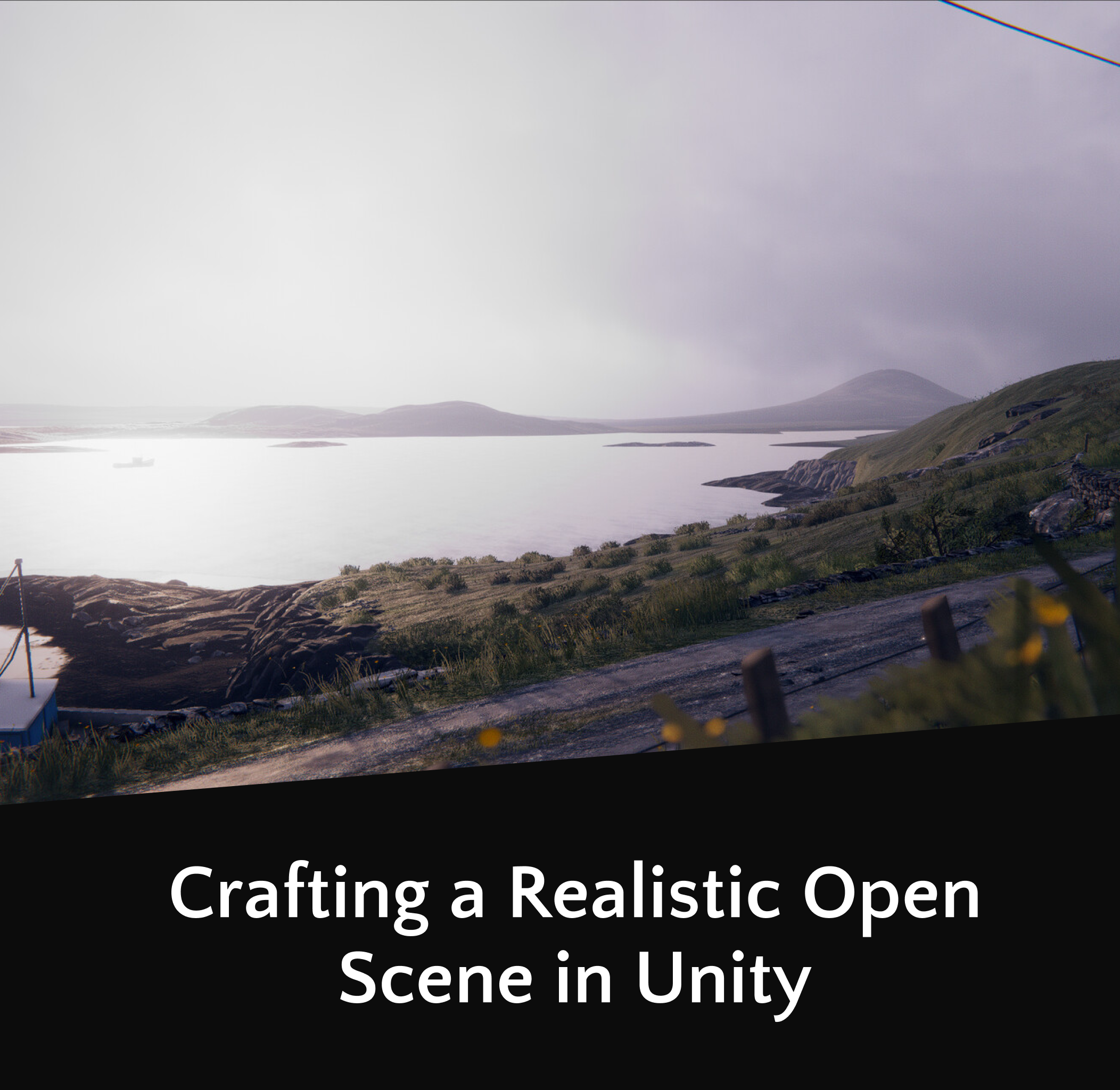
113. Crafting a Realistic Open Scene in Unity
🕗 Reading time: 10 minutes
📌 #level_design
☁ Djordy Donopawiro did a breakdown of the peaceful harbor scene made in Unity: terrain production, natural assets, lighting, and more.
🕗 Reading time: 10 minutes
📌 #level_design
☁ Djordy Donopawiro did a breakdown of the peaceful harbor scene made in Unity: terrain production, natural assets, lighting, and more.
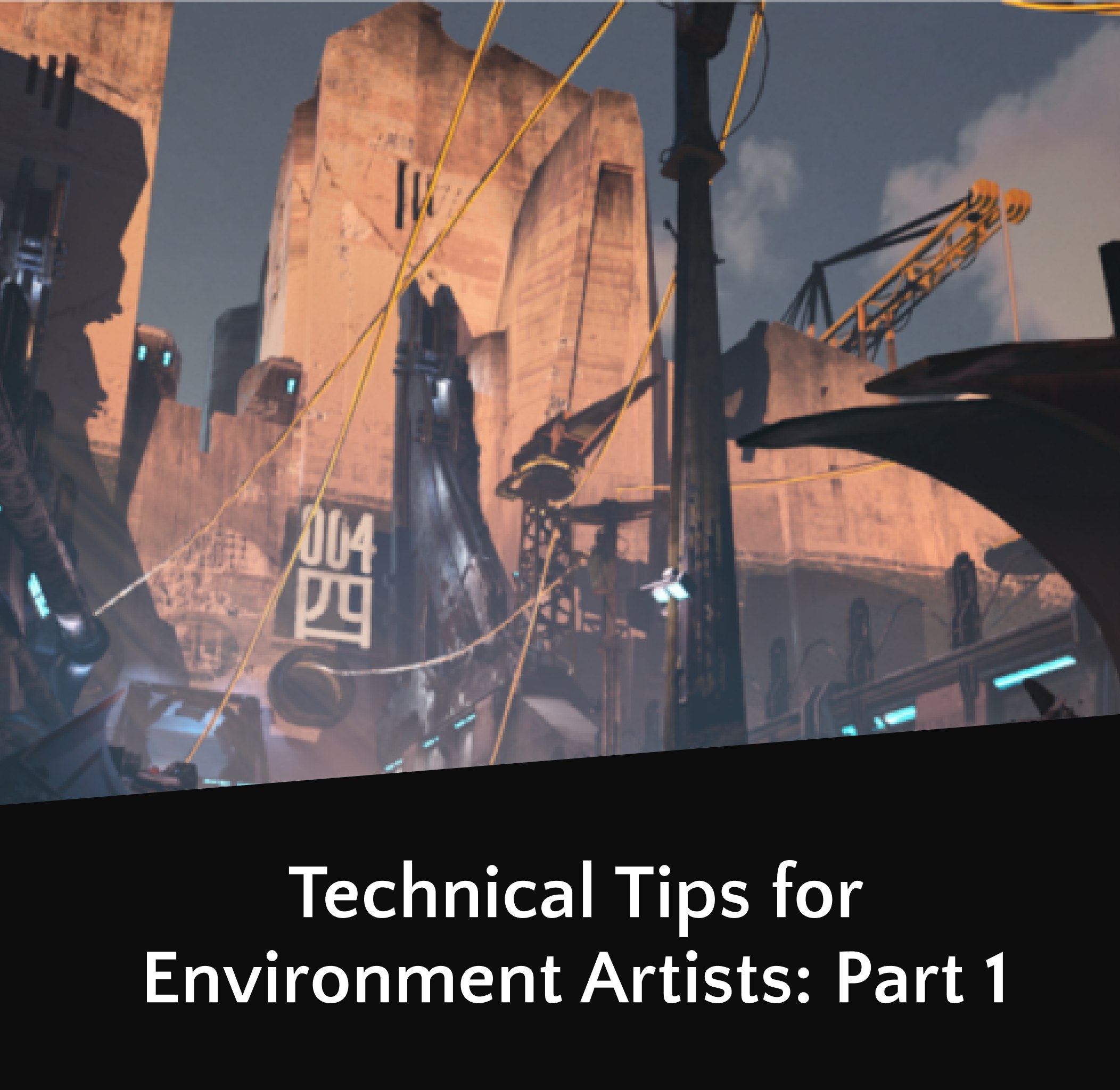
114. Technical Tips for Environment Artists: Part 1
🕗 Reading time: 10 minutes
📌 #level_design
☁ Harry Gray allowed us to repost his guide with numerous technical tips for environment artists.
🕗 Reading time: 10 minutes
📌 #level_design
☁ Harry Gray allowed us to repost his guide with numerous technical tips for environment artists.
115. 5 Easy Ways to Improve your Software Development Process
🕗 Reading time: 10 minutes
📌 #motivation
☁ Everyone gets pleasure from ticking tasks off of the todo-list, right? At least, I do. But it’s no longer fun when you feel like you’re drowning in work with too many things to do, or feel like you’re trying to juggle too many balls at once.
🕗 Reading time: 10 minutes
📌 #motivation
☁ Everyone gets pleasure from ticking tasks off of the todo-list, right? At least, I do. But it’s no longer fun when you feel like you’re drowning in work with too many things to do, or feel like you’re trying to juggle too many balls at once.

116. Linear algebra for game developers: Part I
🕗 Reading time: 10 minutes
📌 #programming
☁ I decided if I'm going to write about linear algebra, I might as well start at the beginning! This will be review to many of you who have written games before or taken classes in kinematic physics, so please bear with me for this introductory post -- I will get to more advanced topics later.
🕗 Reading time: 10 minutes
📌 #programming
☁ I decided if I'm going to write about linear algebra, I might as well start at the beginning! This will be review to many of you who have written games before or taken classes in kinematic physics, so please bear with me for this introductory post -- I will get to more advanced topics later.

👍1
117. Linear algebra for game developers: Part II
🕗 Reading time: 10 minutes
📌 #programming
☁ Second part of article about linear algebra for game developers
🕗 Reading time: 10 minutes
📌 #programming
☁ Second part of article about linear algebra for game developers
118. How to Design the First Five Minutes of Your Game
🕗 Reading time: 5 minutes
📌 #gamedesign
☁ As every personal development trainer teach, first impression is the most important. And your game, has to build this first impression perfectly to increase retention.
🕗 Reading time: 5 minutes
📌 #gamedesign
☁ As every personal development trainer teach, first impression is the most important. And your game, has to build this first impression perfectly to increase retention.

👍2❤1
119. How to Create a Hyper-Casual Game: Design, Monetization, Cost
🕗 Reading time: 8 minutes
📌 #gamedesign
☁ Hyper-casual games are in trend. According to SensorTower, from 2017 to 2018, hyper-casual game development company Voodoo moved from twenty-fifth to third on the list of the world’s leading companies by app downloads. With nearly a billion downloads, Voodoo only lost to Facebook and Google. Its Helix Jump game has been domineering both the Apple App Store and Google Play Store.
🕗 Reading time: 8 minutes
📌 #gamedesign
☁ Hyper-casual games are in trend. According to SensorTower, from 2017 to 2018, hyper-casual game development company Voodoo moved from twenty-fifth to third on the list of the world’s leading companies by app downloads. With nearly a billion downloads, Voodoo only lost to Facebook and Google. Its Helix Jump game has been domineering both the Apple App Store and Google Play Store.

❤3👍2
120. How Tough Is Your Game? Creating Difficulty Graphs: Part I
🕗 Reading time: 8 minutes
📌 #gamedesign
☁ Having trouble figuring out how difficult your game really is? Xibalba Studios lead game designer Rafael Vázquez devises a method for plotting difficulty -- and uses three popular sidescrolling action games to test the theory, in the process explaining how difficulty meshes their overall design.
🕗 Reading time: 8 minutes
📌 #gamedesign
☁ Having trouble figuring out how difficult your game really is? Xibalba Studios lead game designer Rafael Vázquez devises a method for plotting difficulty -- and uses three popular sidescrolling action games to test the theory, in the process explaining how difficulty meshes their overall design.

👍5
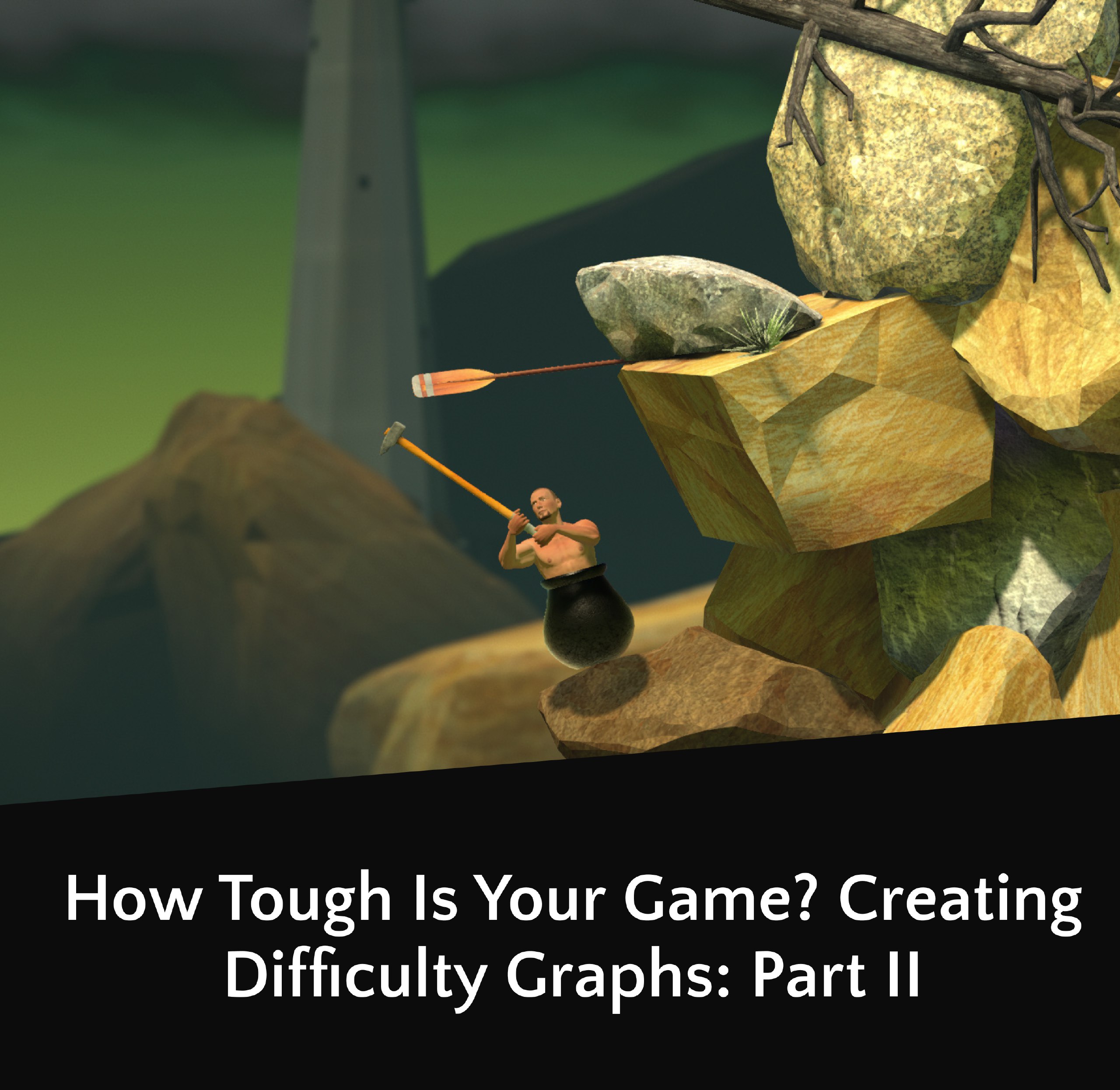
121. How Tough Is Your Game? Creating Difficulty Graphs: Part II
🕗 Reading time: 8 minutes
📌 #gamedesign
☁ Second and final part of articles about measuring difficulty in games
🕗 Reading time: 8 minutes
📌 #gamedesign
☁ Second and final part of articles about measuring difficulty in games
👍8
122. Design Flow in Games
🕗 Reading time: 8 minutes
📌 #gamedesign
☁ Author of Journey, Jenova Chen wrote short article about things needed for creating ''flow'' in games
🕗 Reading time: 8 minutes
📌 #gamedesign
☁ Author of Journey, Jenova Chen wrote short article about things needed for creating ''flow'' in games

👍8
123. Admiring the Game Design in Hyper-casuals
🕗 Reading time: 12 minutes
📌 #gamedesign
☁ Article from blog of our friend: https://chiragchopra.com/blog Some may argue that hyper-casual is probably one of the easiest genres to analyze when it comes to game design. Some may argue that hyper-casuals aren’t worth analyzing because it’s a trend that will die soon. I beg to differ, and I wonder who are these people and why do they argue so much?
🕗 Reading time: 12 minutes
📌 #gamedesign
☁ Article from blog of our friend: https://chiragchopra.com/blog Some may argue that hyper-casual is probably one of the easiest genres to analyze when it comes to game design. Some may argue that hyper-casuals aren’t worth analyzing because it’s a trend that will die soon. I beg to differ, and I wonder who are these people and why do they argue so much?

👍16🔥4❤2
124. When should I shelf my game?
🕗 Reading time: 10 minutes
📌 #motivation
☁ One thing that’s often difficult to know is whether to continue to work on a game that's not quite clicking. I often hear the question, “Should I shelf my game?”. In this article, we'll look at when it's a good idea to continue working under game versus when putting your game on the shelf might be a better idea.
🕗 Reading time: 10 minutes
📌 #motivation
☁ One thing that’s often difficult to know is whether to continue to work on a game that's not quite clicking. I often hear the question, “Should I shelf my game?”. In this article, we'll look at when it's a good idea to continue working under game versus when putting your game on the shelf might be a better idea.
👍26🔥7❤1