The diagram illustrates the life cycle of a frog.
Overall, it can be seen that the process has several stages, starting from mating and ending the mature frog. The cycle is continuous.
At the beginning, adult frogs mate, and then the female lays eggs in water. (This stage called is Frog spawn). After some time, small tadpole emerges from the eggs.These tadpoles are very small and have tails to swim.
In the next stage, the tadpole grows and develops.Slowly, legs begin to appear while the tail becomes shorter. After that, the young frog starts to look more similar to an adult frog.Finally it becomes a mature frog. Which can live on land as well as in water.
In conclusion, the frog life cycle has five main stages, from eggs to mature frog.
Overall, it can be seen that the process has several stages, starting from mating and ending the mature frog. The cycle is continuous.
At the beginning, adult frogs mate, and then the female lays eggs in water. (This stage called is Frog spawn). After some time, small tadpole emerges from the eggs.These tadpoles are very small and have tails to swim.
In the next stage, the tadpole grows and develops.Slowly, legs begin to appear while the tail becomes shorter. After that, the young frog starts to look more similar to an adult frog.Finally it becomes a mature frog. Which can live on land as well as in water.
In conclusion, the frog life cycle has five main stages, from eggs to mature frog.
🔥1
Writing task 1 and task 2
Bar chart 📊
The bar chart illustrates the annual rice production (million tones), in four countries between 2005 and 2015.
Overall, it is clear that, A and B category had a highest range between four categories.However C and D low percentage during this period.
In 2005 year, for A category annual rice production 45%. Then it was increased approximately 47% in 2010 and 50% in 2015.Category B started production 27% in 2005. After that it is go to up 44% in 2010. However it is decreased 37% in 2015.
Although between C and D Categories annual rice production 5% for C category and 3 % For D Categories in 2005. But it is slowly increase approximately 8% in 2010. However it is declined to again 5% in 2015.
Overall, it is clear that, A and B category had a highest range between four categories.However C and D low percentage during this period.
In 2005 year, for A category annual rice production 45%. Then it was increased approximately 47% in 2010 and 50% in 2015.Category B started production 27% in 2005. After that it is go to up 44% in 2010. However it is decreased 37% in 2015.
Although between C and D Categories annual rice production 5% for C category and 3 % For D Categories in 2005. But it is slowly increase approximately 8% in 2010. However it is declined to again 5% in 2015.
Writing task 1 and task 2
Bar chart 📊
The bar chart shows the amount of rice production in four countries (A, B, C and D) in 2005, 2010 and 2015. The figures are given in million tonnes.
Overall, countries A and B produced much more rice than C and D in all years. Country A increased slowly, while country B first went up and then fell. C and D had very low numbers compared to the other two countries.
In 2005, country A produced about 45 million tonnes of rice. This rose a little to 47 million in 2010 and then reached 50 million in 2015. Country B started with around 27 million tonnes in 2005. After that it increased quickly to 44 million in 2010, but then it decreased to 37 million in 2015.
For the other two countries, the figures were very small. Country C was 5 million tonnes in 2005, then increased to about 8 million in 2010. However, it dropped again to 5 million in 2015. Country D produced around 3 million tonnes in 2005 and grew slowly to 5 million in 2015.
Overall, countries A and B produced much more rice than C and D in all years. Country A increased slowly, while country B first went up and then fell. C and D had very low numbers compared to the other two countries.
In 2005, country A produced about 45 million tonnes of rice. This rose a little to 47 million in 2010 and then reached 50 million in 2015. Country B started with around 27 million tonnes in 2005. After that it increased quickly to 44 million in 2010, but then it decreased to 37 million in 2015.
For the other two countries, the figures were very small. Country C was 5 million tonnes in 2005, then increased to about 8 million in 2010. However, it dropped again to 5 million in 2015. Country D produced around 3 million tonnes in 2005 and grew slowly to 5 million in 2015.
The line graph illustrates the changes in accommodation costs in three countries from 1997 and 2014.
Overall, the houses prices in the given countries adhered to rising trends, albeit to varying degrees.
While county A generally had higher housing costs, followed by country B, country C remained at the bottom, despite a gradual increase.
At the start in 1997, the average house price in all countries was roughly similar, at around 150 to 200 thousand dollars.From then until 2003, prices grew steadily, but the increase was most noticable in country A. Between 2003 and 2004, prices in country A surged sharply to reach about 550 thousand dollars, compared to only around 250 thousand in country B and under 200 thousand in country C.
After 2004, house prices in country A fluctuated but kept rising overall, peaking at nearly 750 thousand dollars by 2014. Country B also rose but more slowly, reaching just above 500 thousand before dropping slightly after 2011. In contrast, country C remained far below the other two, with only a modest rise from 150 thousand to around 250 thousand in 2014, despite a noticeable dip in 2008.
Overall, the houses prices in the given countries adhered to rising trends, albeit to varying degrees.
While county A generally had higher housing costs, followed by country B, country C remained at the bottom, despite a gradual increase.
At the start in 1997, the average house price in all countries was roughly similar, at around 150 to 200 thousand dollars.From then until 2003, prices grew steadily, but the increase was most noticable in country A. Between 2003 and 2004, prices in country A surged sharply to reach about 550 thousand dollars, compared to only around 250 thousand in country B and under 200 thousand in country C.
After 2004, house prices in country A fluctuated but kept rising overall, peaking at nearly 750 thousand dollars by 2014. Country B also rose but more slowly, reaching just above 500 thousand before dropping slightly after 2011. In contrast, country C remained far below the other two, with only a modest rise from 150 thousand to around 250 thousand in 2014, despite a noticeable dip in 2008.
Writing task 1 and task 2
Let's start to write task 2 samples Agree and disagree question ⁉️
In the digital era, computers and mobile phones have become indispensable tools for communication.While some people argue that the increasing reliance on these technologies has undermined young people's reading and writing abilities. I believe the impact largely depends on how these devices are utilized. When used wisely, they can, in fact, enhance literacy skills rather than weaken them.On other hand, the excessive use of digital communication can indeed have detrimental effects on language development. Many young individuals frequently engage in texting and social media interactions, which often involve informal language, slang, and abbreviations. Expressions such as "brb" or "u" instead of full words reduce young users' exposure to proper spelling and grammatical structures. Furthermore, the habit of reading short online posts or watching visual content may discourage them from engaging with longer and more complex texts, ultimately leading to a decline in reading comprehension and critical thinking skills.
On other hand, modern technology has also provides countless opportunities to strengthen literacy if used appropriately. Online platforms host a vast range of e-books, articles, and academic materials, that can motivate young people to read more widely than ever before. In addition, digital writing tools equipped with grammer and spell checkers allow learners to identify and correct their mistakes, thereby improving accuracy and vocabulary over time. Moreover, many young writers publish their blogs or creative works online, receiving constructive feedback from readers worldwide, which encourages them to refine their writing style.
In conclusion, while the growing use of computers and mobile phones for communication may negatively influence reading and writing skills when misused, it also offers valuable tools for improvement when applied responsibly. Therefore, educators and parents should guide young people towards productive and educational uses of technology, ensuring that digital communication supports, rather than hinders, their literacy development.
On other hand, modern technology has also provides countless opportunities to strengthen literacy if used appropriately. Online platforms host a vast range of e-books, articles, and academic materials, that can motivate young people to read more widely than ever before. In addition, digital writing tools equipped with grammer and spell checkers allow learners to identify and correct their mistakes, thereby improving accuracy and vocabulary over time. Moreover, many young writers publish their blogs or creative works online, receiving constructive feedback from readers worldwide, which encourages them to refine their writing style.
In conclusion, while the growing use of computers and mobile phones for communication may negatively influence reading and writing skills when misused, it also offers valuable tools for improvement when applied responsibly. Therefore, educators and parents should guide young people towards productive and educational uses of technology, ensuring that digital communication supports, rather than hinders, their literacy development.
👍1🗿1
Modern digital era - Zamonaviy raqamli davr
Indispensable - ajralmas, zarur
Tools for communication - aloqa vositalari
Increasing reliance - tobora ortib borayotgan tayanish
Undermine - zaiflashtirmoq, zarar yetkazmoq
Reading and writing abilities - yozish, o'qish qobiliyatlari
Impact - tasir
Depends on- bog'liq bo'lmoq
Utilized - foydalanilmoq
Wisely - Oqilona, Tog'ri tarzda
Enhance - yaxshilamoq kuchaytirmoq
Literacy skills - savodhonlik ko'nilmasi
Weaken - zaiflashtirmoq
Excessive use - ortiqcha foydalanish
Detrimental effects - salbiy tasirlar
Language development - til rivojlanishi
Engage in - qatnashmoq, shug'ulanmoq
Texting - habar yozish
Social media interactions - ijtimoiy tarmoqlardagi muloqotlar
Informal language - norasmiy til
Slang - jargo'n so'z oyinlari
Abbreviations - qisqartmalar
Exposure to - duch kelish, tanishish
Proper spelling - Tog'ri imlo
Grammatical structures - grammatim strukturalar
Habit of reading - o'qish odati
Short online posts- qisqa onlayn postlar
Visual content - visual ( korish materiallar
Discourage- sovutmoq rag'batni kamaytirmoq
Complex texts - murakkab matnlar
Decline - pasayish
Countless opportunities - cheksiz imkoniyatlar
Strengthen - mustahkamlash
Appropriately - Tog'ri mos ravishda
Online platforms - onlayn platformalar
e-books - elektron kitoblar
Academic materials - ilmiy materiallar
Motivate- rag'batlantirmoq
Widely - kengroq
Digital writing tools - raqamli yozish vositasi
Grammar and spell checkers - grammatika va imlo tekshiruvchilari
identify - aniqlash
Correct mistakes - xatolarni tuzatmoq
Improve accuracy - aniqlikni oshirmoq
Vocabulary - so'z bo'yligi
Overtime - vaqt o'tishi bilan
Publish Elon qilmoq
Creative works - ijodiy ishlar
Constructive feedback - foydali fikr - mulohaza
Worldwide - Dunyo bo'ylab
Refine - takomilashtirmoq
Writing style - yozuv uslubi
Growing use - ortib borayotgan foydalanish
Negatively influence - salbiy tasir ko'rsatmoq
Misused - nato'g'ri ishlatilingan
Valuable tools - foydali vositalar
Applied responsibly - masulyat bilan qo'llanilgan
Educators - o'qituvchilar
Guide - yo'naltirmoq
Productive - samarali
Educational uses - talim maqsadlarida
Ensure - taminlamoq
Supports - qo'llab quvvatlamoq
Hinders - tosmoq halaqit bermoq
Literacy development - savodhonlik rivoji.
Indispensable - ajralmas, zarur
Tools for communication - aloqa vositalari
Increasing reliance - tobora ortib borayotgan tayanish
Undermine - zaiflashtirmoq, zarar yetkazmoq
Reading and writing abilities - yozish, o'qish qobiliyatlari
Impact - tasir
Depends on- bog'liq bo'lmoq
Utilized - foydalanilmoq
Wisely - Oqilona, Tog'ri tarzda
Enhance - yaxshilamoq kuchaytirmoq
Literacy skills - savodhonlik ko'nilmasi
Weaken - zaiflashtirmoq
Excessive use - ortiqcha foydalanish
Detrimental effects - salbiy tasirlar
Language development - til rivojlanishi
Engage in - qatnashmoq, shug'ulanmoq
Texting - habar yozish
Social media interactions - ijtimoiy tarmoqlardagi muloqotlar
Informal language - norasmiy til
Slang - jargo'n so'z oyinlari
Abbreviations - qisqartmalar
Exposure to - duch kelish, tanishish
Proper spelling - Tog'ri imlo
Grammatical structures - grammatim strukturalar
Habit of reading - o'qish odati
Short online posts- qisqa onlayn postlar
Visual content - visual ( korish materiallar
Discourage- sovutmoq rag'batni kamaytirmoq
Complex texts - murakkab matnlar
Decline - pasayish
Countless opportunities - cheksiz imkoniyatlar
Strengthen - mustahkamlash
Appropriately - Tog'ri mos ravishda
Online platforms - onlayn platformalar
e-books - elektron kitoblar
Academic materials - ilmiy materiallar
Motivate- rag'batlantirmoq
Widely - kengroq
Digital writing tools - raqamli yozish vositasi
Grammar and spell checkers - grammatika va imlo tekshiruvchilari
identify - aniqlash
Correct mistakes - xatolarni tuzatmoq
Improve accuracy - aniqlikni oshirmoq
Vocabulary - so'z bo'yligi
Overtime - vaqt o'tishi bilan
Publish Elon qilmoq
Creative works - ijodiy ishlar
Constructive feedback - foydali fikr - mulohaza
Worldwide - Dunyo bo'ylab
Refine - takomilashtirmoq
Writing style - yozuv uslubi
Growing use - ortib borayotgan foydalanish
Negatively influence - salbiy tasir ko'rsatmoq
Misused - nato'g'ri ishlatilingan
Valuable tools - foydali vositalar
Applied responsibly - masulyat bilan qo'llanilgan
Educators - o'qituvchilar
Guide - yo'naltirmoq
Productive - samarali
Educational uses - talim maqsadlarida
Ensure - taminlamoq
Supports - qo'llab quvvatlamoq
Hinders - tosmoq halaqit bermoq
Literacy development - savodhonlik rivoji.
✍1🔥1
The bar chart illustrates the proportions of males and females one country engaged in household chores and how much time they spent on this activities on a daily basis.
Overall, it is clear that while the percentage of women actively involved in cooking food and cleaning the house is higher, that of men in animal husbandry and house maintenance is slightly greater than the opposite gender. Additionally, these proportions almost reflect the amount of time both genders allocate to the tasks.
Looking first at the share of men and women in household activities, the latter make up roughly 82% and the former account for 60%. The same disparity persists in tidying, with females leading with 62% and males lagging behindwith 40%. Conversely, men emerge as dominant in pet care, at 22% compared to 20% represented by their female counterparts. The gap becomes noticeable in-house repairs, in which males constitute 18% and females only 8%.
Turning to the average quantity of time, identical patterns can be observed. While woman channel 85 minutes into cooking a meal, men spend an hour on this activity.Likewise, cleaning requires females 68 minute per day and males 45 minutes. Pet care, on the contrary, demands the same amount of time from both genders,20 minutes each.House repairs are an outlier, where men devote 18 minutes and women spend just 5 minutes a day.
Overall, it is clear that while the percentage of women actively involved in cooking food and cleaning the house is higher, that of men in animal husbandry and house maintenance is slightly greater than the opposite gender. Additionally, these proportions almost reflect the amount of time both genders allocate to the tasks.
Looking first at the share of men and women in household activities, the latter make up roughly 82% and the former account for 60%. The same disparity persists in tidying, with females leading with 62% and males lagging behindwith 40%. Conversely, men emerge as dominant in pet care, at 22% compared to 20% represented by their female counterparts. The gap becomes noticeable in-house repairs, in which males constitute 18% and females only 8%.
Turning to the average quantity of time, identical patterns can be observed. While woman channel 85 minutes into cooking a meal, men spend an hour on this activity.Likewise, cleaning requires females 68 minute per day and males 45 minutes. Pet care, on the contrary, demands the same amount of time from both genders,20 minutes each.House repairs are an outlier, where men devote 18 minutes and women spend just 5 minutes a day.
Writing task 1 and task 2
Let's writing task 2 essay
Some people believe that dangerous sports should not be allowed because they can cause serious injuries or even death. Other think people should have the right to choose what kind of activities they want to do. In this essay, i will discuss both views and give my opinion.
On other hand, dangerous sports can put people's lives at risk. Activities like skydiving, boxing or mountain climbing are very risky. If something goes wrong. It can lead to serious accidents. For example, if a person falls while climbing, they can broke bones or die. Also, the government might need to spend a lot of money on rescue operations and medical treatment. Because of these dangers, some people think such sports should be banned to protect people's safety.
On other hand, everyone should have the freedom to make their own choices. Many people enjoy dangerous sports because they bring excitement and help them overcome fear. It can also improve their health and fitness. For example some people who do extreme sports say it gives them confidence and adrenaline makes them feel alive. Their personal freedom and make life less interesting.
On other hand, dangerous sports can put people's lives at risk. Activities like skydiving, boxing or mountain climbing are very risky. If something goes wrong. It can lead to serious accidents. For example, if a person falls while climbing, they can broke bones or die. Also, the government might need to spend a lot of money on rescue operations and medical treatment. Because of these dangers, some people think such sports should be banned to protect people's safety.
On other hand, everyone should have the freedom to make their own choices. Many people enjoy dangerous sports because they bring excitement and help them overcome fear. It can also improve their health and fitness. For example some people who do extreme sports say it gives them confidence and adrenaline makes them feel alive. Their personal freedom and make life less interesting.
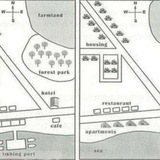
The map illustrates the evolution of Shakefield since 1995.
Overall, Shakefield has transformed from a small fishing and farming town into a more modern tourist destination. The most noticable developments include the replacement of farmland and the public park with leisure facilities and holiday homes, as well as the construction of new buildings such as apartments and a car park.
In 1995, the town had a simple layout. There was a hotel and a coffee shop in the central area, surrounded by a public park and farmland to the north. On the west side, there were several houses and a sports area, while a fish market and fishing boats were located near the sea.
At present, many changes have occurred. The farmland and park have dissappeared, replaced by holiday homes, golf course, and tennis courts. The fish market was removed, and a new apartment building has been added near the coffee shop. Additionally, the area next to the hotel and now includes a car park and a restaurant. The fishing boats have been replaced with yachts, indicating a shift from fishing activities to tourism.
In summary, Shakefield has experienced major development, changing from a rural community focused on fishing and farming to a modern town with facilities for tourists and recreation.
Overall, Shakefield has transformed from a small fishing and farming town into a more modern tourist destination. The most noticable developments include the replacement of farmland and the public park with leisure facilities and holiday homes, as well as the construction of new buildings such as apartments and a car park.
In 1995, the town had a simple layout. There was a hotel and a coffee shop in the central area, surrounded by a public park and farmland to the north. On the west side, there were several houses and a sports area, while a fish market and fishing boats were located near the sea.
At present, many changes have occurred. The farmland and park have dissappeared, replaced by holiday homes, golf course, and tennis courts. The fish market was removed, and a new apartment building has been added near the coffee shop. Additionally, the area next to the hotel and now includes a car park and a restaurant. The fishing boats have been replaced with yachts, indicating a shift from fishing activities to tourism.
In summary, Shakefield has experienced major development, changing from a rural community focused on fishing and farming to a modern town with facilities for tourists and recreation.