Channel name was changed to «Under Aslan’s name, I vow upon my blood to guard Narnia until my last breath fades into the wind.»
This media is not supported in your browser
VIEW IN TELEGRAM
“The Son of Adam.” — Prince Caspian from Narnia.
Photo
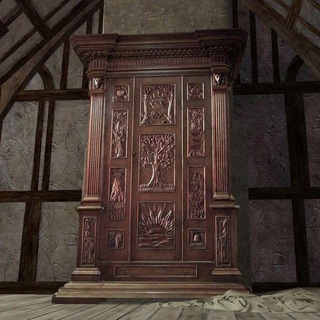
In the hallowed days of yore, amidst the pall of a world torn asunder by war, four progenies of the Pevensie lineage—Peter, Susan, Edmund, and Lucy—were dispatched unto the countryside, seeking asylum from the thunderous strife that besieged their homeland. There, within the solemn confines of a venerable professor’s abode, did the youngest, Lucy, by providence’s hand, stumble upon a portal veiled as a mere wardrobe—an unassuming threshold to the fabled realm of Narnia, a dominion suspended in perpetual winter, bereft of spring’s promise, enchained by the dominion of the White Witch, Jadis.
Thus did the narrative unfold with augury and gravitas, as each sibling in turn did trespass into that arcane world, their destinies interwoven with that of Aslan, the leonine sovereign imbued with sacrosanct majesty. Betrayal seeped like shadow through Edmund's frail heart, seduced by confections and flatteries, yet redemption loomed as the great lion laid down his life upon the Stone Table—a sacrificial covenant wrought from ancient magic deeper still than time’s own foundation. The table, shattered at dawn’s cry, heralded Aslan’s resurrection, signifying the triumph of sovereign love over arcane treachery.
With courage etched into sinew and soul, the siblings did rally to Aslan’s standard, waging a climactic battle that echoed through the annals of myth. The witch, in all her frost-wrought fury, fell beneath Aslan’s wrathful charge. And thus, the four children were enthroned at Cair Paravel, crowned as kings and queens of Narnia, ushering in the Golden Age. Yet, as seasons spiraled, a return to the terrestrial world came upon them, as if no time had passed. Narnia, now sealed behind the wardrobe’s veil, became a memory—half-dream, half-epic—etched eternally into the scrolls of their being.
Thus did the narrative unfold with augury and gravitas, as each sibling in turn did trespass into that arcane world, their destinies interwoven with that of Aslan, the leonine sovereign imbued with sacrosanct majesty. Betrayal seeped like shadow through Edmund's frail heart, seduced by confections and flatteries, yet redemption loomed as the great lion laid down his life upon the Stone Table—a sacrificial covenant wrought from ancient magic deeper still than time’s own foundation. The table, shattered at dawn’s cry, heralded Aslan’s resurrection, signifying the triumph of sovereign love over arcane treachery.
With courage etched into sinew and soul, the siblings did rally to Aslan’s standard, waging a climactic battle that echoed through the annals of myth. The witch, in all her frost-wrought fury, fell beneath Aslan’s wrathful charge. And thus, the four children were enthroned at Cair Paravel, crowned as kings and queens of Narnia, ushering in the Golden Age. Yet, as seasons spiraled, a return to the terrestrial world came upon them, as if no time had passed. Narnia, now sealed behind the wardrobe’s veil, became a memory—half-dream, half-epic—etched eternally into the scrolls of their being.
This media is not supported in your browser
VIEW IN TELEGRAM
This media is not supported in your browser
VIEW IN TELEGRAM
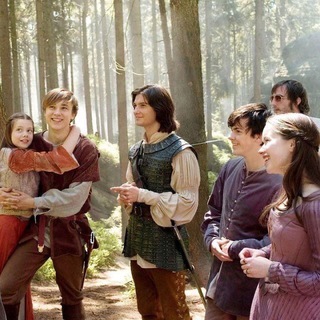
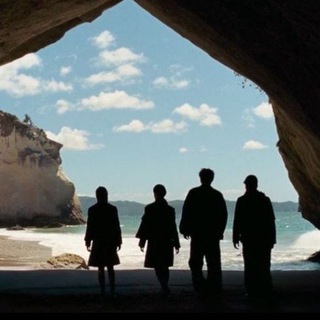
Summoned by ancient magic at a mundane train platform, the Pevensie siblings returned to Narnia, only to find it aged a thousand years in their absence. Their golden reign had faded into forgotten lore, and the realm now groaned under Telmarine oppression. Prince Caspian, rightful heir in exile, sought allies among the remnants of Old Narnia—fauns, dwarfs, and beasts long silenced. Guided by Susan’s horn and haunted by prophecy, the children and the prince became entwined in a struggle to restore what time and tyranny had buried.
Aslan’s silence tested their faith; his return, reserved for those who dared believe before they could see. Lucy led where others doubted, and through her trust, the lion stirred. Nature itself rose against the usurper—rivers surged, trees awakened, and the false king fell. Caspian was crowned with grace, and as the old gave way to the new, Peter and Susan took their final leave of Narnia, their chapter closed, while Lucy and Edmund remained—hearts open to wonders yet to come.
Aslan’s silence tested their faith; his return, reserved for those who dared believe before they could see. Lucy led where others doubted, and through her trust, the lion stirred. Nature itself rose against the usurper—rivers surged, trees awakened, and the false king fell. Caspian was crowned with grace, and as the old gave way to the new, Peter and Susan took their final leave of Narnia, their chapter closed, while Lucy and Edmund remained—hearts open to wonders yet to come.
This media is not supported in your browser
VIEW IN TELEGRAM
📜 ; Across the rift of time, the ancient kings and queens returned to a forgotten Narnia, kindling hope beside the exiled prince, until Aslan rose and the throne of truth was restored.