
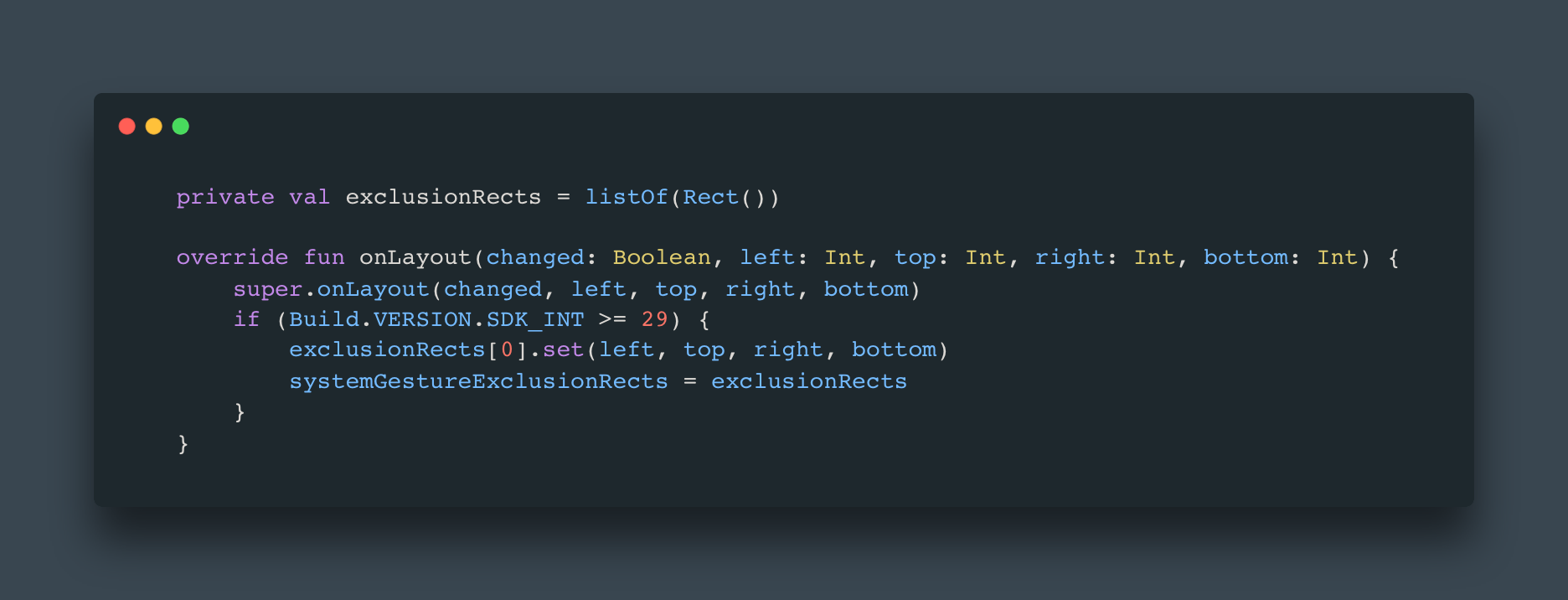
since android 10, there is gesture navigation in the system. if your custom view conflicts with gestures (e.g. drawing or slider), don't forget to add exclusion
it is recommended to override
#sdk #gestures #customview
it is recommended to override
onLayout in your view and set exclusion there whenever the position or size are changed#sdk #gestures #customview
one of the ways to optimize the recycler view is to call the setHasFixedSize(true). there is a common misunderstanding about what this method means
what it really means is that the recycler view should not change its size depending on its content, e.g. the number of items. this way it allows to optimize re-measuring
#library #recyclerview #optimization
what it really means is that the recycler view should not change its size depending on its content, e.g. the number of items. this way it allows to optimize re-measuring
#library #recyclerview #optimization
when you create a widget – you need to set the preview
there is a wonderful utility for this
#tool #widget #preview
there is a wonderful utility for this
#tool #widget #preview
obsolete since the release of the new logcat in android studio dolphin
in the logcat search field in android studio there is a dropdown list of recent searches
to open it – hover your mouse over the search icon, or when the search field is focused, press alt+down or option+down for mac
#androidstudio #logcat #hotkey
to open it – hover your mouse over the search icon,
#androidstudio #logcat #hotkey
if you are developing a customizable widget, it's a good idea to give users a preview
remote views class has a special R
#sdk #widget #remoteviews #preview
remote views class has a special R
emoteViews#apply method that inflates remote views into a regular view hierarchy, which you can add to the interface#sdk #widget #remoteviews #preview
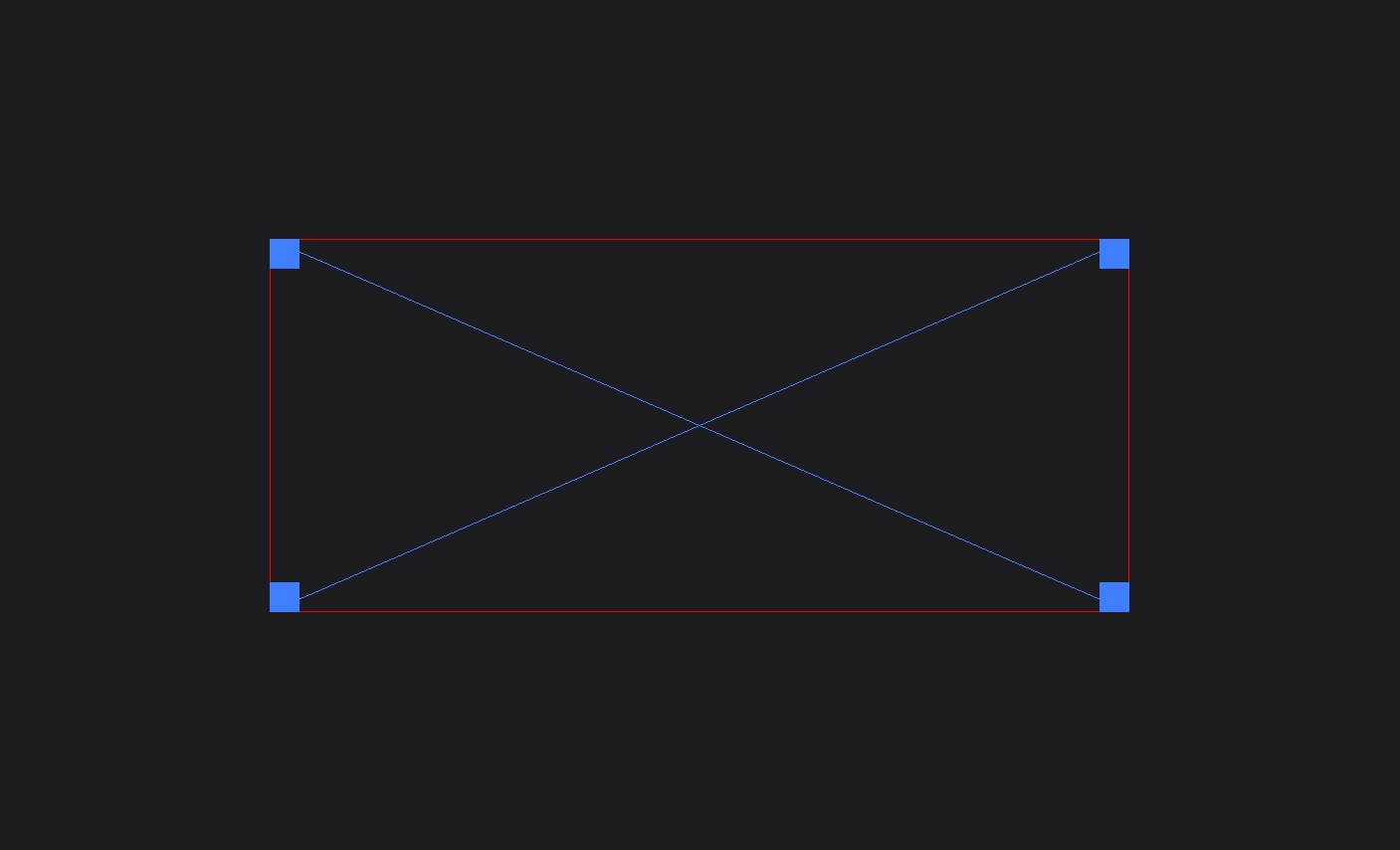
if you want to make a special preview for your custom view, or if you don't want to do some work if it is a preview, you need to know where the view is drawn
there is a method
#sdk #customview #layouteditor
there is a method
View#isInEditMode, which returns true if the view is drawn in the layout editor#sdk #customview #layouteditor
if you use
do not use wrap content for the layout width, and remember to specify
#sdk #textview #ellipsize
ellipsize = TextUtils.TruncateAt.END or android:ellipsize="end", you should keep in mind a few thingsdo not use wrap content for the layout width, and remember to specify
maxLines, otherwise ellipsize will not work#sdk #textview #ellipsize
if your app does not require multi-touch support on every screen, it can be disabled by adding this lines to your app theme
#sdk #multitouch #theme
#sdk #multitouch #theme
<item name="android:windowEnableSplitTouch">false</item>
<item name="android:splitMotionEvents">false</item>
if your application is declared to use the
will result in a
however, you can bypass this restriction by using a similar action –
#sdk #permission #camera
Manifest.permission.CAMERA, which is not granted, trying to use the MediaStore.ACTION_IMAGE_CAPTURE actionwill result in a
SecurityExceptionhowever, you can bypass this restriction by using a similar action –
MediaStore.ACTION_IMAGE_CAPTURE_SECURE#sdk #permission #camera
sometimes you need to create an activity the only purpose of which will be to perform some action and finish immediately. these activities do not actually display the user interface, they finish themselves before they are resumed
there is a theme for such activities that you can use –
#sdk #theme #activity
there is a theme for such activities that you can use –
android:Theme.NoDisplay#sdk #theme #activity
there are scenarios where you cannot run the application with the debugger, for example when the application process is restarted.
to be able to attach the debugger in the right place there is a method
#sdk #debug #restart
to be able to attach the debugger in the right place there is a method
Debug.waitForDebugger(). it will block execution until you attach the debugger manually#sdk #debug #restart
the
call it when the UI is fully rendered and populated with all the necessary data, logcat will output how much time has passed from startup to the moment of the call
#sdk #activity #startup
Activity class has a reportFullyDrawn() method. It is useful when you want to measure the time from startup to the moment the app content is loadedcall it when the UI is fully rendered and populated with all the necessary data, logcat will output how much time has passed from startup to the moment of the call
#sdk #activity #startup
If you want to go completely full screen - there are plenty of tutorials. But if you have a device with cutouts there is one more thing to do.
Add to your app's theme
#sdk #theme #fullscreen
Add to your app's theme
android:windowLayoutInDisplayCutoutMode and set it to always. This will allow your app to extend into the cutout areas on the all edges of the screen.#sdk #theme #fullscreen
Since API level 30, the
This is useful if you want to add debug drawing for a custom view in a nice way.
#sdk #customview #debug
View class has a method isShowingLayoutBounds, which returns true if the view is attached and the system developer setting to show the layout bounds is enabled.This is useful if you want to add debug drawing for a custom view in a nice way.
#sdk #customview #debug
There's a classic problem: create an intent that will only open email clients, and will have an attachment. The tricky part is that
The solution is to use seleclor, which allows you build an intent containing a generic protocol while targeting it more specifically to open email clients only.
#sdk #intent #email
Intent.ACTION_SENDTO cannot accept an attachment, while Intent.ACTION_SEND opens not only email clients.The solution is to use seleclor, which allows you build an intent containing a generic protocol while targeting it more specifically to open email clients only.
#sdk #intent #email
val selectorIntent = Intent().apply {
    setAction(Intent.ACTION_SENDTO)
    setData(Uri.parse("mailto:"))
}
val intent = Intent().apply {
    setAction(Intent.ACTION_SEND)
    setSelector(selectorIntent)
    // Add attachment
}
The
You can specify the tooltip text by calling the
#sdk #view #accessibility
View class has an API for setting a tooltip, that will be shown to the user on a long click, or on a mouse hover event.You can specify the tooltip text by calling the
View#setTooltipText() method.#sdk #view #accessibility
Since API level 31 the apps are required to check for
To make the user’s life easier, you can set the Intent's data URI to specify the application package name to directly invoke the management UI specific to your app.
#sdk #permission #alarms
SCHEDULE_EXACT_ALARM permission in order to use exact alarm APIs.To make the user’s life easier, you can set the Intent's data URI to specify the application package name to directly invoke the management UI specific to your app.
#sdk #permission #alarms
val intent = Intent(
    Settings.ACTION_REQUEST_SCHEDULE_EXACT_ALARM,
    Uri.parse(context.packageName),
)