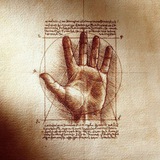
Historically, gout has been described as sudden and severe pain in the big toe, often striking in the middle of the night. That’s often true for men, but women tend to develop gout in several joints slowly over time. It may show up in their knees, toes, wrists and ends of their fingers, where they may already some damage from osteoarthritis. This can be a problem because it means gout in the hands is often misdiagnosed.
Also, women rarely develop gout prior to menopause due to the protective effect of estrogen.
Lab Rats In Lab Coats
Rotator cuff syndrome
It's an umbrella term that includes several distinct conditions:
• Subacute tendinitis (painful arc syndrome).
• Chronic tendinitis (impingement syndrome).
• Rotator cuff tears.
• Calcific tendinitis
• Frozen shoulder (adhesive capsulitis)
• Subacute tendinitis (painful arc syndrome).
• Chronic tendinitis (impingement syndrome).
• Rotator cuff tears.
• Calcific tendinitis
• Frozen shoulder (adhesive capsulitis)
الاسماء كلش misleading فلا تدوخون روحكم بيها كلش (دوخت روحي بيها وما استفاديت شي)
يعني مثلًا ال chronic ممكن تلكة بيه painful arc.
أو تشوف أي إصابة بال rotator cuff يسموها impingement...
يعني مثلًا ال chronic ممكن تلكة بيه painful arc.
أو تشوف أي إصابة بال rotator cuff يسموها impingement...
• Acute tendinitis is seen mostly in young people.
• Chronic tendinitis is usually in middle aged people.
Complete tear is weirdly common in old people. In autopsy, you'll find that a lot of the cadavers over the age of 60 have wearing and even tears in the tendons of the supraspinatus and the long-head of biceps.
• Chronic tendinitis is usually in middle aged people.
Complete tear is weirdly common in old people. In autopsy, you'll find that a lot of the cadavers over the age of 60 have wearing and even tears in the tendons of the supraspinatus and the long-head of biceps.
They all involve 3 basic pathological processes which are wear, tear, and repair:
• Wear (degeneration): usually due to overuse and consequently seen often with advanced age. You find minute tears and scarring in the cuff with fibrocartilaginous and/or calcium deposits.
• Tear (trauma and impingement): mostly in the supraspinatus ligament due to lifting a heavy weight or a fall on an extended arm. Tears are more likely if the cuff is already degenerate.
• Repair (vascular reaction): the repair process itself will cause congestion and pain.
• Wear (degeneration): usually due to overuse and consequently seen often with advanced age. You find minute tears and scarring in the cuff with fibrocartilaginous and/or calcium deposits.
• Tear (trauma and impingement): mostly in the supraspinatus ligament due to lifting a heavy weight or a fall on an extended arm. Tears are more likely if the cuff is already degenerate.
• Repair (vascular reaction): the repair process itself will cause congestion and pain.
In the young patient ‘repair’ is vigorous; consequently, healing is relatively rapid but (because the repair process itself causes pain) it is accompanied by considerable distress. The older patient has more ‘wear’ but less vigorous ‘repair’; healing will be slower but pain less severe. Thus acute tendinitis (which affects younger patients) is intensely painful but rapidly better; chronic tendinitis (a middle group) is only moderately painful but takes many months to recover and may be complicated by partial tears; and a complete tear (which generally occurs in the elderly) becomes painless soon after injury, but never mends.
Partial tears are not easily detected, even on direct inspection of the cuff. Continuity of the remaining cuff fibres permits active abduction with a painful arc, making it difficult to tell whether chronic tendinitis is complicated by a partial tear. If the diagnosis is in doubt, pain can be eliminated by injecting a local anaesthetic into the subacromial space. If active abduction is now possible the tear must be only partial. If active abduction remains impossible, then a complete tear is likely.
From 'Atlas of human anatomy and surgery,' 1831-1854
Lab Rats In Lab Coats pinned «قُم بزياراتٍ متكررة؛ وكُن حذرًا بشكلٍ خاص أثناء فحص المريض . . . إبقَ منتبهًا كذلكَ للتَقصيرِ من جانبِ المرضى والذي يجعلُهم يكذبون حيال أخذِ ما وُصِفَ لهم. إذ مِن خلالِ عدم أخذِ الأدويةِ التي تزعجهم، كالمسهِّلاتِ وغيرِها، فإنّهم يموتونَ أحيانًا. وَهُم لا يعترفونَ…»
Lab Rats In Lab Coats
Photo
Total wrist arthroplasty