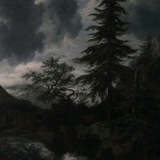
القرن الثامن عشر كـ«عصْرِ مسرحٍ» ومناهضة روسّو له بأسلحته من ‹صراحة› و‹إظْهارٍ للإنسان على سجيّته› و‹كشفٍ عن الدخيلة كما هي› و‹شفافية› تدنو من القِحَة و، بقول آخر، ‹دكتاتورية القلب›:
«Rousseau’s demand for transparency announces a paradigm shift. The world of the eighteenth century was still a theater. It was full of scenes, masks, and figures. Fashion itself was theatrical. No essential difference existed between street clothes and theatrical costumes. Even masks became fashionable. People were wholly enamored of staging; they gave themselves over to scenic illusions. Ladies’ hairstyles (pouf) were shaped into scenes that portrayed either historical events (pouf à la circonstance) or feelings (pouf au sentiment). To this end, porcelain figures were also woven into the hair. A whole garden or a ship with full sails might be carried on one’s head. Both men and women painted parts of their faces with red makeup. The face itself became a stage on which one lent expression to character traits with the help of beauty marks (mouches). Placed at the corner of the eye, for example, a beauty mark signified passion. At the lower lip, it indicated the bearer’s straightforwardness. The body was a site of scenic representation, too. However, it was not a matter of giving unfalsified expression to the hidden “inside” (l’intérieur), much less to the “heart.” Instead, the point was to toy with appearances, to play with scenic illusions. The body was a doll without a soul to be dressed, decorated, and invested with signs and meanings.
Rousseau sets his discourse of the heart and truth against the play of masks and roles. Thus, he vehemently criticizes the plan to erect a theater in Geneva. Theater represents an “art of counterfeiting oneself, or putting on another character than one’s own, of appearing different than one is, of becoming passionate in cold blood, of saying what one does not think as naturally as if one really did think it, and, finally, of forgetting one’s own place by dint of taking another’s.” The theater is rejected as a site of disguise, appearance, and seduction lacking all transparency. Expression must not be a pose; it must reflect the transparent heart.
In Rousseau, one can observe how the morality of total transparency necessarily switches to tyranny. The heroic project of transparency—wanting to tear down veils, bring everything to light, and drive away darkness—leads to violence. The prohibition against the theater and mimesis, which Plato had already legislated for his ideal city, impresses totalitarian traits on Rousseau’s transparent society. Rousseau prefers small cities because “individuals, always in the public eye, are born censors of one another” and “the police can easily watch everyone.” Rousseau’s society of transparency turns out to be a society of total control and surveillance. His call for transparency escalates into the categorical imperative:
—Byung-Chul Han, The Transparency Society, The Society of Unveiling.
«Rousseau’s demand for transparency announces a paradigm shift. The world of the eighteenth century was still a theater. It was full of scenes, masks, and figures. Fashion itself was theatrical. No essential difference existed between street clothes and theatrical costumes. Even masks became fashionable. People were wholly enamored of staging; they gave themselves over to scenic illusions. Ladies’ hairstyles (pouf) were shaped into scenes that portrayed either historical events (pouf à la circonstance) or feelings (pouf au sentiment). To this end, porcelain figures were also woven into the hair. A whole garden or a ship with full sails might be carried on one’s head. Both men and women painted parts of their faces with red makeup. The face itself became a stage on which one lent expression to character traits with the help of beauty marks (mouches). Placed at the corner of the eye, for example, a beauty mark signified passion. At the lower lip, it indicated the bearer’s straightforwardness. The body was a site of scenic representation, too. However, it was not a matter of giving unfalsified expression to the hidden “inside” (l’intérieur), much less to the “heart.” Instead, the point was to toy with appearances, to play with scenic illusions. The body was a doll without a soul to be dressed, decorated, and invested with signs and meanings.
Rousseau sets his discourse of the heart and truth against the play of masks and roles. Thus, he vehemently criticizes the plan to erect a theater in Geneva. Theater represents an “art of counterfeiting oneself, or putting on another character than one’s own, of appearing different than one is, of becoming passionate in cold blood, of saying what one does not think as naturally as if one really did think it, and, finally, of forgetting one’s own place by dint of taking another’s.” The theater is rejected as a site of disguise, appearance, and seduction lacking all transparency. Expression must not be a pose; it must reflect the transparent heart.
In Rousseau, one can observe how the morality of total transparency necessarily switches to tyranny. The heroic project of transparency—wanting to tear down veils, bring everything to light, and drive away darkness—leads to violence. The prohibition against the theater and mimesis, which Plato had already legislated for his ideal city, impresses totalitarian traits on Rousseau’s transparent society. Rousseau prefers small cities because “individuals, always in the public eye, are born censors of one another” and “the police can easily watch everyone.” Rousseau’s society of transparency turns out to be a society of total control and surveillance. His call for transparency escalates into the categorical imperative:
A single precept of morality can do for all the others; it is this: Never do or say anything that thou dost not wish everyone to see and hear; and for my part I have always regarded as the worthiest of men that Roman who wanted his house to be built in such a way that whatever occurred within it could be seen.»
—Byung-Chul Han, The Transparency Society, The Society of Unveiling.
https://www.youtube.com/watch?v=Lyz07-IgXHA
Poema III op. 94, No. 3, Marlos Nobre (1939-2024).
It is achingly beautiful.
Poema III op. 94, No. 3, Marlos Nobre (1939-2024).
It is achingly beautiful.
❤1
«فلْتأخُذ ربَّاتُ الفنون بيدي إلى مُعتَزَلاتهنّ الوادعة، وينابيعهن الرَّقْراقة، وبساتينهنّ الغَنَّاءة، فيكون لي أن أسكن هناك حرًّا من سلطان الهمّ، مالِكًا نفسي وأمري، لا أُحْمَلُ كلَّ يومٍ على ما تُنكره سَرِيرَتي، ولا أُكرَه على ما يأباه ضميري [•••]».
—Tacitus, in: William Rounseville Alger, The Genius of Solitude (alias The Solitudes of Nature and of Man.)
—Tacitus, in: William Rounseville Alger, The Genius of Solitude (alias The Solitudes of Nature and of Man.)
❤6👍1
—From Homer’s Iliad, 21.462-67 (Pope’s translation); and Lone Founts by Herman Melville (found in John Marr and Other Poems.)
👍2
Forwarded from Honorius
من أسوأ ما قد تفعله لنفسك في سنّ الشباب أن تجعل بيئتك وتجرِبتك الأولية مع الأشياء تحكُم رأيك عنها كافّة وتُشَكّل نظرتك إليها في الحياة، فيكون مَقَرَّرًا عندك سُوؤُها من حُسْنها، ونفعها من ضُرّها، ومعناها من عَطَلها من أيّ معنًى، وبدْؤها من منتهاها.
لكنّ الأنفع لك أن تجعل وُكْدَكَ في مرحلةٍ كهذه الاحتراز من السلوك أعلاه وتجنّبه، فحاصله ليس تحسين حياتك ولا تصريف شؤونك، بل الأقرب والأوْكَد أنه سيحجب عنك جوانبَ متزايدة من الحياة تظنّها غير قمينة باهتمامك وانشغالك وبالك. لا بيئة المرء تستغرق وجوه الأشياء طرًّا وتستخلص كلَّ ما فيها، ولا الشباب كمرحلةٍ هو الحَكَم الباتّ الذي يؤخذ برأيه في منتهى الأشياء ومعانيها (بل لعله يَحْسُن بك في هذه المرحلة أن تخْزُنَ عليكَ لسانَك في كثير من الأشياء)، ولا تجارِب المرء تغمر الدنيا وما فيها فتبلغ غَوْرها. فإنْ كان هَذا هذا، وإنْ كانت الحال هكذا، رأيتَ عَيْب ما وصفناه من سلوك، وبانَ لك —بشيء من التدبُّر— قُصورَه كمسْلكٍ تترك له أمر سَوْسِك في حياتك، فكان الأحرى بك إذن التمهُّل وتجنّب الفَطِير من الآراء والأفعال، بل واجعَلِ الاختمار همَّك والتروِّي هادِيَك.
إنْ فتحتَ عينيك في بيئتك مثلًا على دينٍ جافٍّ غليظٍ فَجٍّ لا روح تَسْكُنه، ولا وازِعَ يُهذِّبه، ولا حِسَّ ولا قلب يُلَيِّنه، ولا إيمان يُقَرِّبه، ولا فَنَّ يُجَمِّله، ولا ’داخِل‘ يَسُود خارِجَه ويتقدمه، فلا يعني هذا أنك تذوَّقْتَ لُبَّ الدين ومعناه، ولا خَبَرْت لُبَابَ الإيمان ومَدَاه، ولا أنّ الحَلّ هو التعالي عن مسألة كهذه وعَدُّها حديثَ صبيان أو مُخَرِّفين، فهذا ردّ فعلٍ أقرب إلى السخف منه إلى الجِدّ. إنْ عِشْتَ في أسرة ما كان فيها حِضنٌ يؤويك، ولا دِفْء يَقِيك، ولا أب يعلّمك أو يضربك على فِيكَ متى ما افتقَرتَ إلى التهذيب، ولا أخ يتحدّاك أو يؤانسك أو يسامرك في أوقات الفرح والضيق... فليسَ يعني هذا أن تَخرجَ بمفهوم قاطع جازم عن الأسرة فترميها بالبطلان وتتخذ سبيلَ المُرُدِ الشُّكْس. إنْ خَلَتْ تنشئتك من حضور ضروب الفنّ كافّة فيها، فلا يعني هذا أن الفن لا يعدو أن يكون من كماليات الحياة التي يُستغنى عنها بسهولة، ولا أن وجودك كما هو يُجزِيك تمامًا عن طلب ما فيه فنّ وابتغائه. إنْ كانت صداقاتك ما رأيتَ فيها قطّ شيئًا تحقق من ما قاله أمثال أفلاطون وأرسطو وكيكرو أو التوحيدي وابن المقفّع وابن مسكويه، فليسَ هذا بداعٍ كافٍ يُلْجِئك إلى أن تتخذ كلمة العُزلة شعارًا تجعله صِفَةَ وجودِكَ، ولا أن يصير الناسُ عندك كلهم سواسية ومحض «خُشَارة كخشارة الشعير». وكذا قِسْ على أمورٍ كثيرة، بل وأكاد أقول على الأمور كلّها، ما حضَرَ منها في حياتك وما لم يحضر.
كثيرٌ من الأشياء يظلّ تِبْرًا ما لمْ تُحِلْه بيديك ذهَبًا، أو في الأقل ما لم تفتح نفسك له حتى يُكشَف عنه لكَ فتعرف ما فيه خَليقًا بانصرافك إليه. كان شعارُ هوسرل مرةً هو «لِنَعُد إلى الأشياء في ذواتها!» zurück zu den Sachen selbst، وعليه يمكننا بضَرْبٍ من التقريب أن نقول «عدْ إلى الأشياء فاكتشفها مرةً أخرى!»، لكن ردّ الكسول —وغيره— سيكون جاهزًا بالطبع: «ما من وقتٍ لاكتشاف الأشياء مرة أخرى!»، أما جوابنا عن هذا فهو ببساطة أن اللبيب كفايةً يفهم بالإشارة، فلا يطلب تفصيل كل شاردة وواردة ونَتْف كل شعرة وشُعَيْرة. يظلّ رأيي أن ما يلزم الشابّ على وجه الخصوص هو كثيرٌ من الجِدّ، وليس من السخف ولا الهزل الدائمين.
لكنّ الأنفع لك أن تجعل وُكْدَكَ في مرحلةٍ كهذه الاحتراز من السلوك أعلاه وتجنّبه، فحاصله ليس تحسين حياتك ولا تصريف شؤونك، بل الأقرب والأوْكَد أنه سيحجب عنك جوانبَ متزايدة من الحياة تظنّها غير قمينة باهتمامك وانشغالك وبالك. لا بيئة المرء تستغرق وجوه الأشياء طرًّا وتستخلص كلَّ ما فيها، ولا الشباب كمرحلةٍ هو الحَكَم الباتّ الذي يؤخذ برأيه في منتهى الأشياء ومعانيها (بل لعله يَحْسُن بك في هذه المرحلة أن تخْزُنَ عليكَ لسانَك في كثير من الأشياء)، ولا تجارِب المرء تغمر الدنيا وما فيها فتبلغ غَوْرها. فإنْ كان هَذا هذا، وإنْ كانت الحال هكذا، رأيتَ عَيْب ما وصفناه من سلوك، وبانَ لك —بشيء من التدبُّر— قُصورَه كمسْلكٍ تترك له أمر سَوْسِك في حياتك، فكان الأحرى بك إذن التمهُّل وتجنّب الفَطِير من الآراء والأفعال، بل واجعَلِ الاختمار همَّك والتروِّي هادِيَك.
إنْ فتحتَ عينيك في بيئتك مثلًا على دينٍ جافٍّ غليظٍ فَجٍّ لا روح تَسْكُنه، ولا وازِعَ يُهذِّبه، ولا حِسَّ ولا قلب يُلَيِّنه، ولا إيمان يُقَرِّبه، ولا فَنَّ يُجَمِّله، ولا ’داخِل‘ يَسُود خارِجَه ويتقدمه، فلا يعني هذا أنك تذوَّقْتَ لُبَّ الدين ومعناه، ولا خَبَرْت لُبَابَ الإيمان ومَدَاه، ولا أنّ الحَلّ هو التعالي عن مسألة كهذه وعَدُّها حديثَ صبيان أو مُخَرِّفين، فهذا ردّ فعلٍ أقرب إلى السخف منه إلى الجِدّ. إنْ عِشْتَ في أسرة ما كان فيها حِضنٌ يؤويك، ولا دِفْء يَقِيك، ولا أب يعلّمك أو يضربك على فِيكَ متى ما افتقَرتَ إلى التهذيب، ولا أخ يتحدّاك أو يؤانسك أو يسامرك في أوقات الفرح والضيق... فليسَ يعني هذا أن تَخرجَ بمفهوم قاطع جازم عن الأسرة فترميها بالبطلان وتتخذ سبيلَ المُرُدِ الشُّكْس. إنْ خَلَتْ تنشئتك من حضور ضروب الفنّ كافّة فيها، فلا يعني هذا أن الفن لا يعدو أن يكون من كماليات الحياة التي يُستغنى عنها بسهولة، ولا أن وجودك كما هو يُجزِيك تمامًا عن طلب ما فيه فنّ وابتغائه. إنْ كانت صداقاتك ما رأيتَ فيها قطّ شيئًا تحقق من ما قاله أمثال أفلاطون وأرسطو وكيكرو أو التوحيدي وابن المقفّع وابن مسكويه، فليسَ هذا بداعٍ كافٍ يُلْجِئك إلى أن تتخذ كلمة العُزلة شعارًا تجعله صِفَةَ وجودِكَ، ولا أن يصير الناسُ عندك كلهم سواسية ومحض «خُشَارة كخشارة الشعير». وكذا قِسْ على أمورٍ كثيرة، بل وأكاد أقول على الأمور كلّها، ما حضَرَ منها في حياتك وما لم يحضر.
كثيرٌ من الأشياء يظلّ تِبْرًا ما لمْ تُحِلْه بيديك ذهَبًا، أو في الأقل ما لم تفتح نفسك له حتى يُكشَف عنه لكَ فتعرف ما فيه خَليقًا بانصرافك إليه. كان شعارُ هوسرل مرةً هو «لِنَعُد إلى الأشياء في ذواتها!» zurück zu den Sachen selbst، وعليه يمكننا بضَرْبٍ من التقريب أن نقول «عدْ إلى الأشياء فاكتشفها مرةً أخرى!»، لكن ردّ الكسول —وغيره— سيكون جاهزًا بالطبع: «ما من وقتٍ لاكتشاف الأشياء مرة أخرى!»، أما جوابنا عن هذا فهو ببساطة أن اللبيب كفايةً يفهم بالإشارة، فلا يطلب تفصيل كل شاردة وواردة ونَتْف كل شعرة وشُعَيْرة. يظلّ رأيي أن ما يلزم الشابّ على وجه الخصوص هو كثيرٌ من الجِدّ، وليس من السخف ولا الهزل الدائمين.
❤23
«The fact is that Keats had a truer sense of the tragic than any English poet since Shakespeare and precisely because he took a sharper delight in the loveliness of the world. We are snobs of the tragic in our century. We believe that because we are the first to accept and even to relish the meaninglessness of human life we are also the first to comprehend the human tragedy. But in truth we are among the last, for the tragic, like everything else in man’s experience, comes wholly alive only in the presence of its opposite. Our modern disillusioned hero who faces the absurdity of the world with an ironic eye and refuses to kill himself, not because he wishes to live, but because his persistence in that meaningless confrontation gives him a sense of stoical nobility, is not a tragic figure. To taste the human tragedy one must taste at the same time the possibility of human happiness, for it is only when the two are known together in a single knowledge that either can be known.
This Keats understood from the beginning of his brief life as a poet and it was through this understanding that his journey toward the Known was made. The statement of faith is found in many poems but most explicitly in the “Ode on Melancholy” which is actually not at all the poem suggested by its title but a definition rather of what we would call the tragic sense. Melancholy, in the ode, is not that moody mopishness the word evokes for us. It is not, that is to say, a state of mind to be cured as soon as possible or drugged or drowned in oblivion, temporary or permanent:
No, no! go not to Lethe, neither twist
Wolf's-bane, tight-rooted, for its poisonous wine;
Nor suffer thy pale forehead to be kiss'd
By nightshade, ruby grape of Proserpine . . .
On the contrary melancholy is a mystery of sorrow, a “wakeful anguish of the soul,” to be experienced to the full:
. . . when the melancholy fit shall fall
Sudden from heaven like a weeping cloud . . .
Then glut thy sorrow . . .
And this sorrow can be glutted only upon its opposite—on the lovely transience of the world, the transient loveliness:
. . . on a morning rose,
Or on the rainbow of the salt-sand wave,
Or on the wealth of globèd peonies;
Or if thy mistress some rich anger shows,
Emprison her soft hand, and let her rave,
And feed deep, deep upon her peerless eyes
It can be glutted only among its opposites because it is there that this wakeful anguish of the soul exists: it “dwells with Beauty”—
. . . Beauty that must die;
And Joy, whose hand is ever at his lips
Bidding adieu; and aching Pleasure nigh,
Turning to poison while the bee-mouth sips:
Aye, in the very temple of Delight
Veil'd Melancholy has her sovran shrine . . .
And the only man who can truly know this Melancholy, the only man who can “taste the sadness of her might, / And be among her cloudy trophies hung, is the man who is capable of her opposite, capable of delight, strong enough to dare delight. Her sovran shrine is
. . . seen of none save him whose strenuous tongue
Can burst Joy's grape against his palate fine . . .
Our generation is fond of quoting Yeats’ remark that it is not until a man comes to understand that life is a tragedy that his life truly begins. What Keats is saying in the “Ode on Melancholy” is something more, something the sensibility of our time forgets: that no man comes to understand that life is a tragedy—no man earns the tragic sense—until he dares to taste and love what death will take away.»
—Archibald MacLeish, Poetry and Experience (Cambridge: The Riverside Press, 1961), ch. 8, 177-179 (للكتاب ترجمة عربية على يد سلمى الخضراء الجيوسي بعنوان الشعر والتجربة).
This Keats understood from the beginning of his brief life as a poet and it was through this understanding that his journey toward the Known was made. The statement of faith is found in many poems but most explicitly in the “Ode on Melancholy” which is actually not at all the poem suggested by its title but a definition rather of what we would call the tragic sense. Melancholy, in the ode, is not that moody mopishness the word evokes for us. It is not, that is to say, a state of mind to be cured as soon as possible or drugged or drowned in oblivion, temporary or permanent:
No, no! go not to Lethe, neither twist
Wolf's-bane, tight-rooted, for its poisonous wine;
Nor suffer thy pale forehead to be kiss'd
By nightshade, ruby grape of Proserpine . . .
On the contrary melancholy is a mystery of sorrow, a “wakeful anguish of the soul,” to be experienced to the full:
. . . when the melancholy fit shall fall
Sudden from heaven like a weeping cloud . . .
Then glut thy sorrow . . .
And this sorrow can be glutted only upon its opposite—on the lovely transience of the world, the transient loveliness:
. . . on a morning rose,
Or on the rainbow of the salt-sand wave,
Or on the wealth of globèd peonies;
Or if thy mistress some rich anger shows,
Emprison her soft hand, and let her rave,
And feed deep, deep upon her peerless eyes
It can be glutted only among its opposites because it is there that this wakeful anguish of the soul exists: it “dwells with Beauty”—
. . . Beauty that must die;
And Joy, whose hand is ever at his lips
Bidding adieu; and aching Pleasure nigh,
Turning to poison while the bee-mouth sips:
Aye, in the very temple of Delight
Veil'd Melancholy has her sovran shrine . . .
And the only man who can truly know this Melancholy, the only man who can “taste the sadness of her might, / And be among her cloudy trophies hung, is the man who is capable of her opposite, capable of delight, strong enough to dare delight. Her sovran shrine is
. . . seen of none save him whose strenuous tongue
Can burst Joy's grape against his palate fine . . .
Our generation is fond of quoting Yeats’ remark that it is not until a man comes to understand that life is a tragedy that his life truly begins. What Keats is saying in the “Ode on Melancholy” is something more, something the sensibility of our time forgets: that no man comes to understand that life is a tragedy—no man earns the tragic sense—until he dares to taste and love what death will take away.»
—Archibald MacLeish, Poetry and Experience (Cambridge: The Riverside Press, 1961), ch. 8, 177-179 (للكتاب ترجمة عربية على يد سلمى الخضراء الجيوسي بعنوان الشعر والتجربة).
❤1
https://youtu.be/aU947GrXYCc
La rosa enflorece
En el mes de mayo
Mi alma se oscurece
Sufriendo del amor
Mi alma se oscurece
Sufriendo del amor
Los bilbilicos cantan
Suspiran del amor
Y la pasión me mata.
Muchigua mi dolor
Y la pasión me mata
Muchigua mi dolor
Más presto ven, paloma
Más presto ven a mí
Más presto tú, mi alma
Que yo me voy a morir
Más presto tú, mi alma
Que yo me voy a morir.
La rosa enflorece
En el mes de mayo
Mi alma se oscurece
Sufriendo del amor
Mi alma se oscurece
Sufriendo del amor
Los bilbilicos cantan
Suspiran del amor
Y la pasión me mata.
Muchigua mi dolor
Y la pasión me mata
Muchigua mi dolor
Más presto ven, paloma
Más presto ven a mí
Más presto tú, mi alma
Que yo me voy a morir
Más presto tú, mi alma
Que yo me voy a morir.
https://open.spotify.com/album/3094517xzWsOH1DDSQZtHo?si=Dbr4MipeThS1VaMD_T26dg
بعض الموسيقا أقربُ إلى الصلاة منها إلى أي شيء آخر، صلاة تصبو إلى الجميل قاصدةً إليه خطوة بعد أخرى فترنو إليه وتَسكن وآثار الحَيْرة ما زالت تُرى في مبتدَئِها. هذا الألبوم أوپرا (أو هكذا أرادها مؤلِّفها في الأقل) من أربعة مشاهد (نَصُّها بالألمانية) للموسيقيّ المعاصر تشارتن اسْوِنْسن (١٩٧٨)، يمكن ترجمة عنوانها بـ«أنغامُ تجَلِّي الإلَهِيّ».
حسبما قِيل، استُوحِيَت الأوپرا من رواية للأديب هَالتُر اتشِلْيَن لَكْسنِس بعنوان ضوء العالم، وقصّتها قصة صَبِيّ لا عَزَاء له في أيامه سوى أنه سيغدو يومًا ما شاعِرًا شابًّا عظيمًا، لكن تجارِبه في الحياة تكاد أن تُجهِضَ أحلامَه وتُذْوِيَ خيَالَه وتُشِل مَطَامِحَه، مع أن وِجدانَه يظلّ تَوَّاقًا إلى شيء من النور يتحسَّسه بين ماجَرَيات الحياة وتَوَافِهها، أو بين سُحُب السماء وألوانها، غير أن الذي يُشْجِي القلبَ أن شاعِرَنا لا يُلْفي هذا الجميل ويفطن إليه إلا بعدَ أن كان وَلَّى وصارَ ذِكْرَى.
لَعَلِّي قلتُها من قبل في هذي القناة يومَ كتبتُ: هذا الجوع إلى ما لا يموت [قُلِ ’الجميل‘ هنا]، إلى الأبدية، الجوع الذي يودّ لو يلتهم الدهر بأكمله، أو يحوز الجميل لنفسه أبدًا فلا يراه يفنى بين يديه أو بإزاء ناظره، والذي يظلّ متَعَنِّتًا وراسِخًا حتى لو عَنَى تَبَرُّمك من الحياة ومَنْ فيها — جوعُ كولرج هو جوعنا، وهو كذلك حتى لو كان جحيمَنَا ونَعيمنا في آن، وحتى لو عزَلنا ومَلَأ قلوبنا بالوَحْدة في عُبَاب الخِلطة.
بعض الموسيقا أقربُ إلى الصلاة منها إلى أي شيء آخر، صلاة تصبو إلى الجميل قاصدةً إليه خطوة بعد أخرى فترنو إليه وتَسكن وآثار الحَيْرة ما زالت تُرى في مبتدَئِها. هذا الألبوم أوپرا (أو هكذا أرادها مؤلِّفها في الأقل) من أربعة مشاهد (نَصُّها بالألمانية) للموسيقيّ المعاصر تشارتن اسْوِنْسن (١٩٧٨)، يمكن ترجمة عنوانها بـ«أنغامُ تجَلِّي الإلَهِيّ».
حسبما قِيل، استُوحِيَت الأوپرا من رواية للأديب هَالتُر اتشِلْيَن لَكْسنِس بعنوان ضوء العالم، وقصّتها قصة صَبِيّ لا عَزَاء له في أيامه سوى أنه سيغدو يومًا ما شاعِرًا شابًّا عظيمًا، لكن تجارِبه في الحياة تكاد أن تُجهِضَ أحلامَه وتُذْوِيَ خيَالَه وتُشِل مَطَامِحَه، مع أن وِجدانَه يظلّ تَوَّاقًا إلى شيء من النور يتحسَّسه بين ماجَرَيات الحياة وتَوَافِهها، أو بين سُحُب السماء وألوانها، غير أن الذي يُشْجِي القلبَ أن شاعِرَنا لا يُلْفي هذا الجميل ويفطن إليه إلا بعدَ أن كان وَلَّى وصارَ ذِكْرَى.
لَعَلِّي قلتُها من قبل في هذي القناة يومَ كتبتُ: هذا الجوع إلى ما لا يموت [قُلِ ’الجميل‘ هنا]، إلى الأبدية، الجوع الذي يودّ لو يلتهم الدهر بأكمله، أو يحوز الجميل لنفسه أبدًا فلا يراه يفنى بين يديه أو بإزاء ناظره، والذي يظلّ متَعَنِّتًا وراسِخًا حتى لو عَنَى تَبَرُّمك من الحياة ومَنْ فيها — جوعُ كولرج هو جوعنا، وهو كذلك حتى لو كان جحيمَنَا ونَعيمنا في آن، وحتى لو عزَلنا ومَلَأ قلوبنا بالوَحْدة في عُبَاب الخِلطة.
❤10
كلمات المشاهد الثلاثة بالأصل ومترجمةً إلى الإنگليزية بشيء من التصرُّف (أما المشهد الأول فافتتاحية أوركسترا فقط).
❤5
في حبِّ الكتب والانقطاع إليها: «قال أبو هِفَّان المِهْزَميّ [صاحب أخبار أبي نواس]: ثلاثة لم أَرَ قَطّ ولا سمعتُ أحَبّ إليهم من الكتب والعلوم: الجاحظ، والفتح بن خاقان، وإسماعيل بن إسحاق القاضي. فأما الجاحظ، فإنه لم يقع بيده كتاب قطّ إلا استوفى قراءته كائنًا ما كان، حتى إنه كان يكْتَرِي دكاكينَ الورَّاقين ويَثْبت فيها للنظر. والفتح بن خاقان، فإنه كان يَحضر لمجالسة المتوكل، فإذا أرادَ القيامَ لحاجةٍ أخرَجَ كتابًا من كُمِّه أو خُفّه وقَرَأه في مجلس المتوكل إلى عَوْدِه إليه، حتى في الخَلَاء. وأما إسماعيل بن إسحاق، فإني ما دخلتُ إليه إلا رأيته ينظر في كتاب أو يُقَلِّب كُتُبًا أو يَنْفضها».
—ترد الرواية في عدة كتب، لكنني أخذتها من الفهرست لابن النديم.
—ترد الرواية في عدة كتب، لكنني أخذتها من الفهرست لابن النديم.
❤9
ماضٍ مِنَ العَيشِ لَو يُفدى بَذَلتُ لَهُ
كَرائِمَ المالِ مِن خَيلٍ وَمِن نَعَمِ
تَعَجَّبوا مِن تَمَنّي القَلبِ مُؤلَمُهُ
وَما دَرَوا أَنَّهُ خِلوٌ مِنَ الأَلَمِ
رُدّوا عَلَيَّ لَيالِيَّ الَّتي سَلَفَت
لَم أَنسَهُنَّ وَلا بِالعَهدِ مِن قِدَمِ
أَقولُ لِلّائِمِ المُهدي مَلامَتَهُ
ذُقِ الهَوى وَإِنِ اسْطَعْتَ المَلامَ لُمِ
بِتنا ضَجيعَينِ في ثَوبَيْ هَوًى وَتُقًى
يَلُفُّنا الشَوقُ مِن فَرعٍ إِلى قَدَمِ
وَأَمسَتِ الريحُ كَالغَيرى تُجاذِبُنا
عَلى الكَثيبِ فُضولَ الرَّيطِ وَاللِمَمِ
يَشي بِنا الطيبُ أَحيانًا وَآوِنَةً
يضيئنا البَرقُ مُجتازًا عَلى أَضَمِ
ثُمَّ اِنثَنَينا وَقَد رابَت ظَواهِرُنا
وَفي بَواطِنِنا بُعدٌ مِنَ التُّهَمِ
ما ساعَفَتني اللَيالي بَعدَ بَينِهِمُ
إِلّا بَكَيتُ لَيالينا بِذي سَلَمِ
وَلا استَجَدَّ فُؤادي في الزَّمانِ هَوًى
إِلّا ذَكَرتُ هَوى أَيّامِنا القُدُمِ
لا تَطلُبَنَّ لِيَ الأَبدالَ بَعدَهُمُ
فَإِنَّ قَلبِيَ لا يَرضى بِغَيرِهِمِ
—من شِعر الشَّريف الرَّضيّ، والصور مُستَلَّة من الجزء الثاني من كتاب ديوان أشعار الهاشميين (بيروت: المطبعة الأدبية، ١٨٨٩).
كَرائِمَ المالِ مِن خَيلٍ وَمِن نَعَمِ
تَعَجَّبوا مِن تَمَنّي القَلبِ مُؤلَمُهُ
وَما دَرَوا أَنَّهُ خِلوٌ مِنَ الأَلَمِ
رُدّوا عَلَيَّ لَيالِيَّ الَّتي سَلَفَت
لَم أَنسَهُنَّ وَلا بِالعَهدِ مِن قِدَمِ
أَقولُ لِلّائِمِ المُهدي مَلامَتَهُ
ذُقِ الهَوى وَإِنِ اسْطَعْتَ المَلامَ لُمِ
بِتنا ضَجيعَينِ في ثَوبَيْ هَوًى وَتُقًى
يَلُفُّنا الشَوقُ مِن فَرعٍ إِلى قَدَمِ
وَأَمسَتِ الريحُ كَالغَيرى تُجاذِبُنا
عَلى الكَثيبِ فُضولَ الرَّيطِ وَاللِمَمِ
يَشي بِنا الطيبُ أَحيانًا وَآوِنَةً
يضيئنا البَرقُ مُجتازًا عَلى أَضَمِ
ثُمَّ اِنثَنَينا وَقَد رابَت ظَواهِرُنا
وَفي بَواطِنِنا بُعدٌ مِنَ التُّهَمِ
ما ساعَفَتني اللَيالي بَعدَ بَينِهِمُ
إِلّا بَكَيتُ لَيالينا بِذي سَلَمِ
وَلا استَجَدَّ فُؤادي في الزَّمانِ هَوًى
إِلّا ذَكَرتُ هَوى أَيّامِنا القُدُمِ
لا تَطلُبَنَّ لِيَ الأَبدالَ بَعدَهُمُ
فَإِنَّ قَلبِيَ لا يَرضى بِغَيرِهِمِ
—من شِعر الشَّريف الرَّضيّ، والصور مُستَلَّة من الجزء الثاني من كتاب ديوان أشعار الهاشميين (بيروت: المطبعة الأدبية، ١٨٨٩).
❤3
Media is too big
VIEW IN TELEGRAM
Henryk Górecki: Symphony No. 3 (Symphony Of Sorrowful Songs) — III. Lento—Cantabile-semplice, sung by Beth Gibbons.
“Perhaps the most profound appeal of beauty lies in the fact that it always takes the form of those elements which are indifferent and alien to it and only acquire their aesthetic quality by their proximity to one another. Each individual word, touch of colour, fragment of stone or tonal element—all are insufficient standing alone. It is only with this gift of community, which enfolds them and which they do not merit as isolated elements, that the true essence of their beauty can be said to form. The sense of beauty as a benevolence clothed in secrecy, something which reality cannot claim on its own but must humbly accept like an act of grace, may have its foundation in the aesthetic indifference of the world’s elements and atoms, where the one’s beauty is only registered in relation to the other, from one to the next and so on, in such a way that beauty can be said to manifest itself only when they are properly unified, but never as individual elements. . . .”
❤2
«يكْفِي المرءَ فكرةٌ واحدة، أو ذِكْرى مُفردة، أو عاطفةٌ وحيدة، أو زفرةٌ تنهض من باطنه — حتى يُمَدّ بينه وبين مَن يلتفّ به من رِفاق ضاحكين ولاهِجِين ما بين سلاسِل الجبال ولُجَج البِحار. وحسْبك في أيّما مجلسٍ ضَمَّك وكنتَ فيه أنْ تُحَدِّثَ نفسَك: هُوَ ذا ضوءُ النجوم اللطيف والخافت ينساب على أروقة الكَرنك المُهَدَّمة — فإذا أنا وَحْدي. دعْني أعْلُ بطَرْفي نحو طَيْف القمر وهو يسبح في هواء الظهيرة — فإذا أنا وَحْدي. هأنذا أُطْلِق خاطري إلى سُفُوح الألْب المثقَلة بالثلج، بما فيها من صُفوف صنوبر كالحة تَلُوح وتَمُوج كأنَّها رِيشُ نَعْشٍ يهتزّ فوق جثمان الطبيعة* — فإذا أنا وَحْدي. دَعِ الخيالَ ليتراءى فيه حُلمٌ بالنعيم، أو اترك عينَك الباطنة تَلْمح وُجوه الأحِبَّة الراحلين الذين حُفِظوا من النسيان، أو اسْتَنهِضْ في قلبك شعورًا بحضرة الرحمن — فإذا أنتَ وحيدٌ وَحْدةً مُطْبِقة لا يُهِمُّها مكان ولا تعترضها شَكْوى وشَخْشَخة إنسان.
إنَّنا وإنْ نَفَرت نفوسُنا من الوَحْدة ذائِقُونها ونائلون منها نصيبًا بين آنٍ وآن، فحُقَّ علينا إذن أن نتهيَّأ لها تهيُّؤًا يورِثنا —بلا مَلَالٍ ولا خوف— أُنْسًا بها وانتفاعًا».
إنَّنا وإنْ نَفَرت نفوسُنا من الوَحْدة ذائِقُونها ونائلون منها نصيبًا بين آنٍ وآن، فحُقَّ علينا إذن أن نتهيَّأ لها تهيُّؤًا يورِثنا —بلا مَلَالٍ ولا خوف— أُنْسًا بها وانتفاعًا».
❤7😢2
Honorius
«يكْفِي المرءَ فكرةٌ واحدة، أو ذِكْرى مُفردة، أو عاطفةٌ وحيدة، أو زفرةٌ تنهض من باطنه — حتى يُمَدّ بينه وبين مَن يلتفّ به من رِفاق ضاحكين ولاهِجِين ما بين سلاسِل الجبال ولُجَج البِحار. وحسْبك في أيّما مجلسٍ ضَمَّك وكنتَ فيه أنْ تُحَدِّثَ نفسَك: هُوَ ذا ضوءُ…
*بخصوص ريش النعش: لعله إشارة إلى ما كان يوضع من ريش نعام على العربة التي حملت نعش الميت في بريطانيا الڤكتورية.
❤2