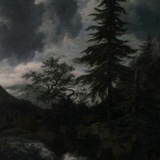
“There is nothing [that] fills me with more sorrow occasionally than to see how foolishly some people throw away their lives. It is a noble thing to live; at least a splendid chance of playing a significant game—a game which we may never have the chance to play again, and which it is surely worth the while to try to play skilfully; to bestow at least as much pains upon as many a one does on billiards or lawn-tennis. But these pains are certainly not always given; and so the game of life is lost, and the grand chance of forming a manly character is gone; for no man can play a game well who leaves his moves to chance; and so, instead of fruitful victories, brilliant blunders are all the upshot of what many a record of distinguished lives has to present. The only remedy for this evil that I know is to impress on young men with all seriousness that life, though a pleasant thing, is no joke; and that, if they will go to sea without chart, compass, or pilot, they have a fair chance to be wrecked. But who is to impress such a lesson? Some name with authority, of course; for the individual, like the great world, is governed, as Goethe well says, by wisdom, by authority, and by show; and, though wisdom is wisely put first in this triad of directing powers, it is on authority that the great masses of men have to rely, when they look out, as they must do, in nine cases out of ten, for a guidance outside of their own experience; for authority is the form that wisdom must always take, before it can be generally recognised and become permanently influential.”
—John Stuart Blackie, The Wisdom of Goethe, 1883, Preface, xi-x.
—John Stuart Blackie, The Wisdom of Goethe, 1883, Preface, xi-x.
1✍4❤2
Honorius
“There is nothing [that] fills me with more sorrow occasionally than to see how foolishly some people throw away their lives. It is a noble thing to live; at least a splendid chance of playing a significant game—a game which we may never have the chance to…
تتصل بثيمة هذه الفِقرة قصيدة لهنري وَدزورث لونچفلو —مزمور الحياة A Psalm of Life— تظلّ من أقرب القصائد إلى قلبي، ولعلها آلَفُ القصائد وأخَصُّها وآنَسُها إليّ على الإطلاق، فلا أكاد أحصي مرات قراءتي لها جهْرًا وهَمسًا وصمتًا، ولا أكاد أصف فأُنصِف كيف ترنّ في مُهْجتي فتنشر فيها لحْنًا أسْوانَ يتباعد ويتعمّق حتى يستحيل ذا غِبطة تشبه غبطة من امْتَثَلَ بإلهَ سِفر التكوين فرأى كل شيء «حَسَنًا جدًّا». في القصيدة أثَرٌ نقيّ وعَذب يصل إليك بخِفّة شعاعٍ من الشمس يُشِيع الدفء في داخلك وينير الطريق على مرمى بصرك (حسبما نعلم، ودزورث نفسه سطَّر أبْياته وقبالته نافذة مُشرعة على شمس الصباح الدافئة). لا أعجَبُ أنها في تاريخها صارت تَرنيمة تُتلى في بعض الكنائس، فهي مزمور بحقّ فيه نَفَس أقرب إلى يدٍ إلهية حانية لا تعِدك بكلّ جميل، بل توصيك بأن تنظره بنفسك فتعمل و«قلبك حاضِرٌ لكلّ مصير».
What The Heart Of The Young Man Said To The Psalmist.
Tell me not, in mournful numbers,
Life is but an empty dream!
For the soul is dead that slumbers,
And things are not what they seem.
Life is real! Life is earnest!
And the grave is not its goal;
Dust thou art, to dust returnest,
Was not spoken of the soul.
Not enjoyment, and not sorrow,
Is our destined end or way;
But to act, that each to-morrow
Find us farther than to-day.
Art is long, and Time is fleeting,
And our hearts, though stout and brave,
Still, like muffled drums, are beating
Funeral marches to the grave.
In the world’s broad field of battle,
In the bivouac of Life,
Be not like dumb, driven cattle!
Be a hero in the strife!
Trust no Future, howe’er pleasant!
Let the dead Past bury its dead!
Act,— act in the living Present!
Heart within, and God o’erhead!
Lives of great men all remind us
We can make our lives sublime,
And, departing, leave behind us
Footprints on the sands of time;
Footprints, that perhaps another,
Sailing o’er life’s solemn main,
A forlorn and shipwrecked brother,
Seeing, shall take heart again.
Let us, then, be up and doing,
With a heart for any fate;
Still achieving, still pursuing,
Learn to labor and to wait.
What The Heart Of The Young Man Said To The Psalmist.
Tell me not, in mournful numbers,
Life is but an empty dream!
For the soul is dead that slumbers,
And things are not what they seem.
Life is real! Life is earnest!
And the grave is not its goal;
Dust thou art, to dust returnest,
Was not spoken of the soul.
Not enjoyment, and not sorrow,
Is our destined end or way;
But to act, that each to-morrow
Find us farther than to-day.
Art is long, and Time is fleeting,
And our hearts, though stout and brave,
Still, like muffled drums, are beating
Funeral marches to the grave.
In the world’s broad field of battle,
In the bivouac of Life,
Be not like dumb, driven cattle!
Be a hero in the strife!
Trust no Future, howe’er pleasant!
Let the dead Past bury its dead!
Act,— act in the living Present!
Heart within, and God o’erhead!
Lives of great men all remind us
We can make our lives sublime,
And, departing, leave behind us
Footprints on the sands of time;
Footprints, that perhaps another,
Sailing o’er life’s solemn main,
A forlorn and shipwrecked brother,
Seeing, shall take heart again.
Let us, then, be up and doing,
With a heart for any fate;
Still achieving, still pursuing,
Learn to labor and to wait.
❤5
بعض الوجوه في هَرَمها تشفّ عن وَقَارٍ يبعث فيك بنوعٍ من الاحترام يجلّ عن الوصف.
—Henry Wadsworth Longfellow, taken by the singular and precious Julia Margaret Cameron, in 1868. The context of the portrait reads thus: «When the American poet Henry Wadsworth Longfellow . . . came to the Isle of Wight in 1868 to visit Charles Darwin, Alfred Lord Tennyson delivered him to Cameron’s studio with the warning, “You will have to do whatever she tells you. I will come back soon and see what is left of you.”»
—Henry Wadsworth Longfellow, taken by the singular and precious Julia Margaret Cameron, in 1868. The context of the portrait reads thus: «When the American poet Henry Wadsworth Longfellow . . . came to the Isle of Wight in 1868 to visit Charles Darwin, Alfred Lord Tennyson delivered him to Cameron’s studio with the warning, “You will have to do whatever she tells you. I will come back soon and see what is left of you.”»
❤🔥7❤5🔥1👏1
“His soul was too full; he need not go far for subjects. . . . impressions small to us were great to him; and in a room, a garden, he found a world.”
—Mr. Hippolyte Taine on William Cowper, the English poet, translator, and hymnwriter.
—Mr. Hippolyte Taine on William Cowper, the English poet, translator, and hymnwriter.
❤4
II. Der Einsame im Herbst (The Solitary in Autumn)
[•••]
Gone is the sweet fragrance of flowers, A cold wind bends low their stems. Soon the faded golden leaves
Of the lotus will drift upon the water.
My heart is weary. My tiny lamp
Has spluttered out, reminding me of sleep.
I am coming to you, homely place of rest.
Yes, give me rest! I need to be refreshed.
I weep a lot in my solitude,
The autumn in my heart endures too long;
Sun of Love, will you never more shine Gently to dry my bitter tears?
V. Der Trunkene im Frühling (The Drunkard in Spring)
If life is but a dream,
Why, then, toil and torment?
I drink, until I can no more,
The livelong day.
And when I can drink no more,
Because my gorge and soul are full,
I stumble to my door
And I sleep wonderfully!
And, waking, what do I hear? Hark,
A bird sings in the tree.
I ask him whether spring has come—
I am as if in a dream.
The bird twitters. Yes, spring is here!
Overnight it has come—
From deepest contemplation I started,
The bird sings and laughs!
Afresh I fill my beaker
And drain it to the dregs
And sing until the moon gleams
In the black firmament.
And when I can sing no more,
I fall asleep again.
What has spring to do with me!?
Let me be drunk!
[•••]
Gone is the sweet fragrance of flowers, A cold wind bends low their stems. Soon the faded golden leaves
Of the lotus will drift upon the water.
My heart is weary. My tiny lamp
Has spluttered out, reminding me of sleep.
I am coming to you, homely place of rest.
Yes, give me rest! I need to be refreshed.
I weep a lot in my solitude,
The autumn in my heart endures too long;
Sun of Love, will you never more shine Gently to dry my bitter tears?
V. Der Trunkene im Frühling (The Drunkard in Spring)
If life is but a dream,
Why, then, toil and torment?
I drink, until I can no more,
The livelong day.
And when I can drink no more,
Because my gorge and soul are full,
I stumble to my door
And I sleep wonderfully!
And, waking, what do I hear? Hark,
A bird sings in the tree.
I ask him whether spring has come—
I am as if in a dream.
The bird twitters. Yes, spring is here!
Overnight it has come—
From deepest contemplation I started,
The bird sings and laughs!
Afresh I fill my beaker
And drain it to the dregs
And sing until the moon gleams
In the black firmament.
And when I can sing no more,
I fall asleep again.
What has spring to do with me!?
Let me be drunk!
💘2
Honorius
II. Der Einsame im Herbst (The Solitary in Autumn) [•••] Gone is the sweet fragrance of flowers, A cold wind bends low their stems. Soon the faded golden leaves Of the lotus will drift upon the water. My heart is weary. My tiny lamp Has spluttered out…
VI. Der Abschied (The Farewell)
The sun departs behind the hills,
Into all valleys descends the evening
With its shadows full of freshness.
Oh see, like a silver bark,
The moon slips over the sky’s blue lake.
I feel the wafting of a gentle breeze
Beyond the somber spruces!
Full of melody, the stream sings in the dark,
The flowers, in the twilight, pale.
Earth’s breathing is full of peace and sleep.
All desire wants now to dream,
Weary men walk home to learn in sleep
Forgotten happiness and youth anew!
The birds crouch silently among their twigs,
The world falls asleep . . . Cool it blows in the shadow of my spruces,
Here I stand, awaiting my friend,
Waiting to bid him a last farewell.
I long, O friend, at your side
To enjoy the beauty of this evening,—
Where are you? You leave me long alone!
Up and down I wander with my lute
On paths swelling with soft grass,—
O beauty! O eternal love, eternal life-drunk world!
Dismounting, he handed him
The cup of farewell. Asked him whither
He fared, also why that must be.
He said, his voice muffled:
My friend, fortune has not smiled on me in this world!
Whither I go? I go, I wander to the mountains.
I seek peace for my lonely heart.
I wander to my homeland, to my abode!
Never shall I roam to foreign parts.
Calm is my heart and waiting for its hour:
The dear earth, everywhere blooms forth in spring, grows green
Anew! Everywhere and eternally blue are the distant places!
Eternally . . . Eternally . . .
—From Gustav Mahler’s Das Lied von der Erde, lyrics translated by George Bird and Richard Stokes.
The sun departs behind the hills,
Into all valleys descends the evening
With its shadows full of freshness.
Oh see, like a silver bark,
The moon slips over the sky’s blue lake.
I feel the wafting of a gentle breeze
Beyond the somber spruces!
Full of melody, the stream sings in the dark,
The flowers, in the twilight, pale.
Earth’s breathing is full of peace and sleep.
All desire wants now to dream,
Weary men walk home to learn in sleep
Forgotten happiness and youth anew!
The birds crouch silently among their twigs,
The world falls asleep . . . Cool it blows in the shadow of my spruces,
Here I stand, awaiting my friend,
Waiting to bid him a last farewell.
I long, O friend, at your side
To enjoy the beauty of this evening,—
Where are you? You leave me long alone!
Up and down I wander with my lute
On paths swelling with soft grass,—
O beauty! O eternal love, eternal life-drunk world!
Dismounting, he handed him
The cup of farewell. Asked him whither
He fared, also why that must be.
He said, his voice muffled:
My friend, fortune has not smiled on me in this world!
Whither I go? I go, I wander to the mountains.
I seek peace for my lonely heart.
I wander to my homeland, to my abode!
Never shall I roam to foreign parts.
Calm is my heart and waiting for its hour:
The dear earth, everywhere blooms forth in spring, grows green
Anew! Everywhere and eternally blue are the distant places!
Eternally . . . Eternally . . .
—From Gustav Mahler’s Das Lied von der Erde, lyrics translated by George Bird and Richard Stokes.
💘2
Left to right: Das Irrlicht (1862), Die Heimkehr (1887), Nymphe an einem Brunnen (1855), Im Frühling (1873) — all by Arnold Böcklin.
❤6
Honorius
Left to right: Das Irrlicht (1862), Die Heimkehr (1887), Nymphe an einem Brunnen (1855), Im Frühling (1873) — all by Arnold Böcklin.
«To combine into harmonious unity the ideal of the Antique and the longing for myth and adventure of the Renaissance has ever been the dream of the German.
Thus Greek and German have this in common, that Nature is understood and accepted by both only in the symbolized, personified, and spiritualized form of mythological creation. This is the secret of the influence of a Winkelman and of the paganism of Schiller and Goethe. The second part of Faust is the classic documentation of this dream of a marriage of Greek and German genius. And with Wagner and Goethe, Arnold Böcklin, the robust Swiss with a virile soul, shares the love of myth and the appreciation of antique beauty. The greatest of modern German painters, he is the representative of an antique-romantic Nature-mythology. An upright man, accepting life without quivering or wondering, simple and self-possessed, he adds to the most exquisite expression of the classic spirit, the titanic instinct to realize personal power. . . .
Böcklin is always constructive rather than reproductive. His landscapes are nowhere to be found in reality. They are all imaginative and even visionary. He never painted directly from nature. He carried it in his mind, heart and soul. . . . He received nature with his senses, to be sure, but then it passed through his dreams and appears in his pictures transfigured by the genius of his personality. Böcklin had the ever present sense of «our connection with the power that made things as they are.» This energy is dynamic also in and through the artist's inspiration. A work of true art is always a transfiguration of actuality, where «facts are of divine sending instead of being habitual.» Reality merely served him as a stimulus for an ideal representation of the ideal. He is never painting the material world, but his own conception and the visualization of it. And he is great and powerful enough to make it convincing to others. He looks at the world with the eyes of a Greek and the heart of a Novalis seeking the blue flower of romanticism, while his intellect is thoroughly modern. Standing before his wonderland of color and form, one is overcome by a feeling of joy and peace, a feeling that genuine art always imparts, as if the riddles of the sphinx had all been solved by the artistic interpretation of the mysteries of life and death. . . .
In the future Böcklin's name will remain linked with that of Wagner and Goethe. In painting, music and poetry these three giants revealed to their nation and to the world the life secret of the German soul: the romantic longing for mystery and adventure combined with profound sympathy for classic beauty. What William Watson sings of the sovereign poet is equally true of the sovereign painter:
The glorious riddle of his rhythmic breath,
His might, his spell, we know not what they be:
We only feel, whate'er he uttereth,
This savors not of death,
This hath a relish of eternity.»
—Louis Celestin Monin, Arnold Böcklin: The Painter of Romance.
Thus Greek and German have this in common, that Nature is understood and accepted by both only in the symbolized, personified, and spiritualized form of mythological creation. This is the secret of the influence of a Winkelman and of the paganism of Schiller and Goethe. The second part of Faust is the classic documentation of this dream of a marriage of Greek and German genius. And with Wagner and Goethe, Arnold Böcklin, the robust Swiss with a virile soul, shares the love of myth and the appreciation of antique beauty. The greatest of modern German painters, he is the representative of an antique-romantic Nature-mythology. An upright man, accepting life without quivering or wondering, simple and self-possessed, he adds to the most exquisite expression of the classic spirit, the titanic instinct to realize personal power. . . .
Böcklin is always constructive rather than reproductive. His landscapes are nowhere to be found in reality. They are all imaginative and even visionary. He never painted directly from nature. He carried it in his mind, heart and soul. . . . He received nature with his senses, to be sure, but then it passed through his dreams and appears in his pictures transfigured by the genius of his personality. Böcklin had the ever present sense of «our connection with the power that made things as they are.» This energy is dynamic also in and through the artist's inspiration. A work of true art is always a transfiguration of actuality, where «facts are of divine sending instead of being habitual.» Reality merely served him as a stimulus for an ideal representation of the ideal. He is never painting the material world, but his own conception and the visualization of it. And he is great and powerful enough to make it convincing to others. He looks at the world with the eyes of a Greek and the heart of a Novalis seeking the blue flower of romanticism, while his intellect is thoroughly modern. Standing before his wonderland of color and form, one is overcome by a feeling of joy and peace, a feeling that genuine art always imparts, as if the riddles of the sphinx had all been solved by the artistic interpretation of the mysteries of life and death. . . .
In the future Böcklin's name will remain linked with that of Wagner and Goethe. In painting, music and poetry these three giants revealed to their nation and to the world the life secret of the German soul: the romantic longing for mystery and adventure combined with profound sympathy for classic beauty. What William Watson sings of the sovereign poet is equally true of the sovereign painter:
The glorious riddle of his rhythmic breath,
His might, his spell, we know not what they be:
We only feel, whate'er he uttereth,
This savors not of death,
This hath a relish of eternity.»
—Louis Celestin Monin, Arnold Böcklin: The Painter of Romance.
❤2👍2
«لديَّ ميْلٌ إلى الدين، وتَطَلُّع صادقٌ نَصُوح إلى الكمال بين حينٍ وحين، وهما شيئان يفتقر إليهما من يلتفُّون حولي. ما من ثمرةٍ نَجْنيها إنْ ظَلَّت صُحْبَتنا مِن شَاكِلَتنا، فإنما بهذا يَستَحثُّ واحِدُنا الآخرَ في الضحالة. أن أكون مع رجال يَفْضلونني ويَفُوقونني هو توقِيَ الدائم».
—William Alger, The Solitudes of Nature and of Man (Boston, 1867), 127.
—William Alger, The Solitudes of Nature and of Man (Boston, 1867), 127.
❤12👍4
«In closing these notes upon Books, my last word, as it was my first word, is this: Read again the good old books, and do not cast them aside as stale, for ever looking for the “last thing out,” the very name of which, when it has been scampered through, will be forgotten in a week. To a reader of any brain the great books of the world are ever new; at each reading things strike us which we had never noticed, or perhaps had forgotten, or even had misunderstood. I take up again my Plato, my Shakespeare, my Gibbon, my Scott—and I say, How did I miss that, why did I forget that, did I really never read this before? . . .
As an old man, I stand by the old Books, the old Classics, the old Style.»
—Frederic Harrison, Among My Books (London: Macmillan and Co., Limited, 1912), pp. 109 and 123.
وقد يكون في روحك شيءٌ من ‹الهَرَم› فتأخذ من خِصَال ‹الهَرِم› حتى قبل أن يدرك جسدك حالَ روحِك.
As an old man, I stand by the old Books, the old Classics, the old Style.»
—Frederic Harrison, Among My Books (London: Macmillan and Co., Limited, 1912), pp. 109 and 123.
وقد يكون في روحك شيءٌ من ‹الهَرَم› فتأخذ من خِصَال ‹الهَرِم› حتى قبل أن يدرك جسدك حالَ روحِك.
❤9