What surprised us when we listened to the experiences of more than 1,000 health workers fighting malaria?
Their contributions became Malaria: Turning the Tide, the first peer-generated evidence base on malaria aligned with WHO normative guidance.
This post is a short selection of the contributions that surprised us most: working cases from named districts and named countries that read like natural experiments in malaria control.
See the first comment for links to the full report and articles.
Their contributions became Malaria: Turning the Tide, the first peer-generated evidence base on malaria aligned with WHO normative guidance.
This post is a short selection of the contributions that surprised us most: working cases from named districts and named countries that read like natural experiments in malaria control.
See the first comment for links to the full report and articles.
❤1
learning.foundation
What surprised us when we listened to the experiences of more than 1,000 health workers fighting malaria? Their contributions became Malaria: Turning the Tide, the first peer-generated evidence base on malaria aligned with WHO normative guidance. This post…
Read the full article: Turning the tide: a new insights report demonstrates why health worker knowledge is critical to ending malaria
https://redasadki.me/2026/04/17/turning-the-tide-a-new-insights-report-demonstrates-why-health-worker-knowledge-is-critical-to-ending-malaria/
Read what more than 1,000 sub-national malaria staff actually told us. The full report in English:
https://doi.org/10.5281/zenodo.15126588
Lisez ce que plus de mille agents de santé infranationaux nous ont dit. Le rapport complet en français:
https://doi.org/10.5281/zenodo.18067469
Watch the World Malaria Day Launch Event in English:
https://www.youtube.com/watch?v=CN7uwkOYj30
Regardez le Grand événement à l'occasion de la Journée mondiale contre le paludisme, en français:
https://www.youtube.com/watch?v=QDigGCb_rBA
Enroll in the peer learning course Malaria: Turning the Tide, free for any practitioner, planner, or partner who wants to put these insights to work. In English:
https://go.learning.foundation/tglf/c/31995
Inscrivez-vous au cours d'apprentissage entre pairs Malaria: Turning the Tide, gratuit pour tout praticien, planificateur ou partenaire. En français:
https://go.learning.foundation/tglf/c/31996
https://redasadki.me/2026/04/17/turning-the-tide-a-new-insights-report-demonstrates-why-health-worker-knowledge-is-critical-to-ending-malaria/
Read what more than 1,000 sub-national malaria staff actually told us. The full report in English:
https://doi.org/10.5281/zenodo.15126588
Lisez ce que plus de mille agents de santé infranationaux nous ont dit. Le rapport complet en français:
https://doi.org/10.5281/zenodo.18067469
Watch the World Malaria Day Launch Event in English:
https://www.youtube.com/watch?v=CN7uwkOYj30
Regardez le Grand événement à l'occasion de la Journée mondiale contre le paludisme, en français:
https://www.youtube.com/watch?v=QDigGCb_rBA
Enroll in the peer learning course Malaria: Turning the Tide, free for any practitioner, planner, or partner who wants to put these insights to work. In English:
https://go.learning.foundation/tglf/c/31995
Inscrivez-vous au cours d'apprentissage entre pairs Malaria: Turning the Tide, gratuit pour tout praticien, planificateur ou partenaire. En français:
https://go.learning.foundation/tglf/c/31996
Reda Sadki
Turning the tide: a new insights report demonstrates why health worker knowledge is critical to ending malaria
Geneva, 17 April 2026 – The Geneva Learning Foundation releases the first peer-generated evidence base from more than a thousand frontline health workers on what is working, what is failing, and what needs to change in the fight against malaria. The Geneva…
❤2👍1
The Geneva Learning Foundation (TGLF) is pleased to announce the forthcoming launch of new insights from community-based health workers who are responding to climate change impacts on health.
A nurse in northern Ghana sees malaria cases climb after each unseasonal rain. She begins mapping breeding sites with community volunteers and rationing bed nets to pregnant women first.
The new insights report from The Geneva Learning Foundation documents what health workers like her are already doing. The evidence comes from more than a thousand frontline professionals across Africa, Asia, and Latin America.
They describe heat killing newborns, floods cutting off clinics, and crops failing in places that once fed children well. They also describe what is working: local surveillance networks built on WhatsApp, tree planting tied to maternal health visits, community education delivered in the languages elders actually speak.
The pattern is consistent across countries: health workers are leading the response, often without budget, recognition, or a seat at the policy table. That gap is the story.
Investment is flowing to climate adaptation, but very little reaches the people already adapting care every day. The report sets out what changes when their evidence is treated as evidence.
Read what they are seeing, and what they are asking decision makers to do next: https://www.linkedin.com/pulse/new-insights-report-how-health-workers-leading-iekgf
A nurse in northern Ghana sees malaria cases climb after each unseasonal rain. She begins mapping breeding sites with community volunteers and rationing bed nets to pregnant women first.
The new insights report from The Geneva Learning Foundation documents what health workers like her are already doing. The evidence comes from more than a thousand frontline professionals across Africa, Asia, and Latin America.
They describe heat killing newborns, floods cutting off clinics, and crops failing in places that once fed children well. They also describe what is working: local surveillance networks built on WhatsApp, tree planting tied to maternal health visits, community education delivered in the languages elders actually speak.
The pattern is consistent across countries: health workers are leading the response, often without budget, recognition, or a seat at the policy table. That gap is the story.
Investment is flowing to climate adaptation, but very little reaches the people already adapting care every day. The report sets out what changes when their evidence is treated as evidence.
Read what they are seeing, and what they are asking decision makers to do next: https://www.linkedin.com/pulse/new-insights-report-how-health-workers-leading-iekgf
❤3

Dear Scholars of The Geneva Learning Foundation,
For those among our global community of Scholars who celebrate Eid El-Adha, we would like to extend our warmest wishes to you and your loved ones. Eid El-Adha, also known as the Festival of Sacrifice, is one of the most significant celebrations in the Islamic calendar, bringing together families and communities worldwide in a spirit of gratitude, generosity, and service to others.
The values at the heart of this celebration — sacrifice for the greater good, generosity toward those in need, and unwavering commitment to serving others — deeply reflect the work that many of you do every day. As health workers and leaders serving communities facing poverty, injustice, and health inequities, you embody these same principles of service and dedication. Your commitment to turning learning into action that improves health outcomes for the most vulnerable is itself a form of meaningful sacrifice and service.
We hope this special occasion provides you with meaningful time with family and friends, and renewed inspiration for the vital work you do. As a global community united in our mission to create lasting change in health outcomes, we are strengthened by the diverse traditions, values, and perspectives our Scholars bring from around the world.
Eid Mubarak to you and your families!
For those among our global community of Scholars who celebrate Eid El-Adha, we would like to extend our warmest wishes to you and your loved ones. Eid El-Adha, also known as the Festival of Sacrifice, is one of the most significant celebrations in the Islamic calendar, bringing together families and communities worldwide in a spirit of gratitude, generosity, and service to others.
The values at the heart of this celebration — sacrifice for the greater good, generosity toward those in need, and unwavering commitment to serving others — deeply reflect the work that many of you do every day. As health workers and leaders serving communities facing poverty, injustice, and health inequities, you embody these same principles of service and dedication. Your commitment to turning learning into action that improves health outcomes for the most vulnerable is itself a form of meaningful sacrifice and service.
We hope this special occasion provides you with meaningful time with family and friends, and renewed inspiration for the vital work you do. As a global community united in our mission to create lasting change in health outcomes, we are strengthened by the diverse traditions, values, and perspectives our Scholars bring from around the world.
Eid Mubarak to you and your families!
❤1
Global health architecture, what are we missing? Read Reda Sadki's new article: https://redasadki.me/2026/05/27/global-health-architecture-what-are-we-missing/
Everyone agrees global health needs reform.
The diagnosis is familiar.
Too many actors.
Too much fragmentation.
Too little coordination.
But what if the missing piece is not another institution?
What if it is the people already doing the work?
The nurse adapting guidance during an outbreak.
The district manager solving a supply gap.
The community health worker learning what works, day by day.
Global health architecture is usually drawn from the top.
This article looks from where health actually happens.
It asks what becomes visible when reform starts with practitioners.
And it challenges us to think beyond structures, funding, and mandates.
Read it for a grounded view of what global health reform may be missing.
Everyone agrees global health needs reform.
The diagnosis is familiar.
Too many actors.
Too much fragmentation.
Too little coordination.
But what if the missing piece is not another institution?
What if it is the people already doing the work?
The nurse adapting guidance during an outbreak.
The district manager solving a supply gap.
The community health worker learning what works, day by day.
Global health architecture is usually drawn from the top.
This article looks from where health actually happens.
It asks what becomes visible when reform starts with practitioners.
And it challenges us to think beyond structures, funding, and mandates.
Read it for a grounded view of what global health reform may be missing.
❤4
Join the first Bundibugyo virus disease Teach to Reach session:
https://us02web.zoom.us/j/85731864236
On June 4, 2026, Scholars from the Democratic Republic of the Congo and Uganda will kick off the first Teach to Reach session focused on Bundibugyo virus disease (BVD).
Together, we will launch the first peer learning course on BVD, open to anyone involved in preparedness and response.
Come with a challenge drawn from your own work.
Listen to peers directly involved in the response.
Learn how to protect yourself, your patients, and your team.
You put on your gloves.
You do not yet know what you are up against.
A fever that resembles malaria.
A test that comes back negative.
A patient whose condition is worsening.
This is how Bundibugyo virus disease can go unnoticed.
Its early signs resemble illnesses you see every week, and only a lab test can distinguish them.
In the first weeks of this outbreak, healthcare workers were among the first to fall ill.
Courage deserves more than to be borne alone.
This virus crosses borders.
It has already reached two capital cities.
Do not wait.
Join us on June 4.
https://us02web.zoom.us/j/85731864236
On June 4, 2026, Scholars from the Democratic Republic of the Congo and Uganda will kick off the first Teach to Reach session focused on Bundibugyo virus disease (BVD).
Together, we will launch the first peer learning course on BVD, open to anyone involved in preparedness and response.
Come with a challenge drawn from your own work.
Listen to peers directly involved in the response.
Learn how to protect yourself, your patients, and your team.
You put on your gloves.
You do not yet know what you are up against.
A fever that resembles malaria.
A test that comes back negative.
A patient whose condition is worsening.
This is how Bundibugyo virus disease can go unnoticed.
Its early signs resemble illnesses you see every week, and only a lab test can distinguish them.
In the first weeks of this outbreak, healthcare workers were among the first to fall ill.
Courage deserves more than to be borne alone.
This virus crosses borders.
It has already reached two capital cities.
Do not wait.
Join us on June 4.
❤1👍1
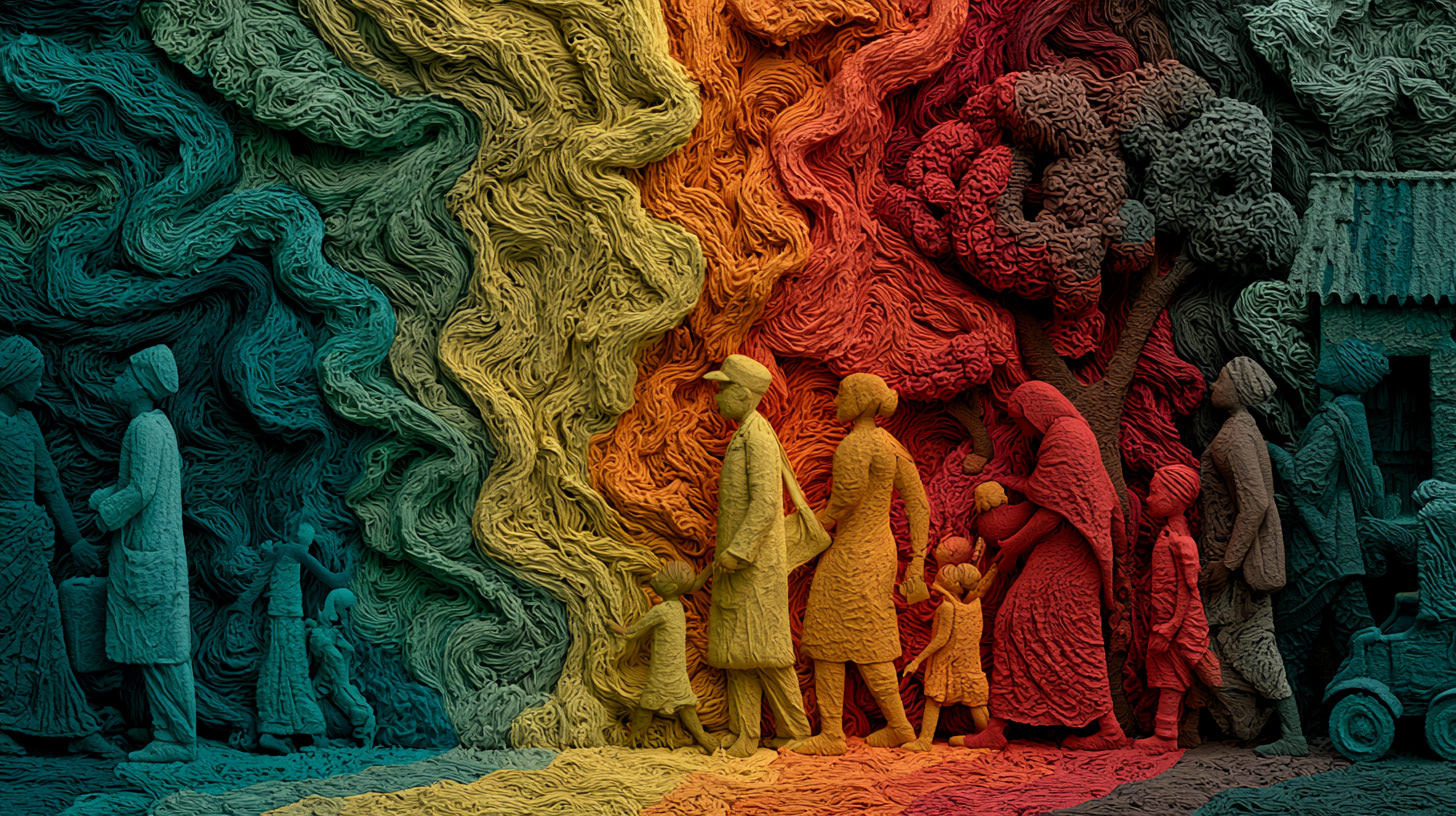
We are pleased to share 14 practical recommendations for global partners, national planners, and community-based health and humanitarian workers responding to the impacts of climate change on health. Read the full article: https://redasadki.me/2026/05/26/climate-change-and-health-14-recommendations-for-health-workers-national-planners-and-global-partners/
Jean-Richard Mutombo and his neighbours in Tshibuba started building a health centre themselves.
Storms had destroyed the village health post, schools, homes, and plantations.
The nearest facility was more than 10 kilometres away.
They did not wait.
A grant that arrives in months arrives after the community has moved on.
That is one of 14 practical recommendations organised for three audiences: community health staff, managers and planners, and global partners.
They follow one principle: the solutions are already in the field.
Pirogues, mobile clinics, community-built health centres, solidarity funds, WhatsApp antenatal care.
The job of policy is to recognise, fund, and protect what already works.
Three years from now, success looks like a district plan that lists the Ngandajika women's fund as a partner organisation.
It looks like a reimbursement line in Tanzania's Ministry of Health budget for the motorbikes a midwife currently hires herself.
It looks like a grant that reaches Jean-Richard in time to finish what he started.
The people are named, the places are real, and the actions are within reach.
Jean-Richard Mutombo and his neighbours in Tshibuba started building a health centre themselves.
Storms had destroyed the village health post, schools, homes, and plantations.
The nearest facility was more than 10 kilometres away.
They did not wait.
A grant that arrives in months arrives after the community has moved on.
That is one of 14 practical recommendations organised for three audiences: community health staff, managers and planners, and global partners.
They follow one principle: the solutions are already in the field.
Pirogues, mobile clinics, community-built health centres, solidarity funds, WhatsApp antenatal care.
The job of policy is to recognise, fund, and protect what already works.
Three years from now, success looks like a district plan that lists the Ngandajika women's fund as a partner organisation.
It looks like a reimbursement line in Tanzania's Ministry of Health budget for the motorbikes a midwife currently hires herself.
It looks like a grant that reaches Jean-Richard in time to finish what he started.
The people are named, the places are real, and the actions are within reach.
❤2
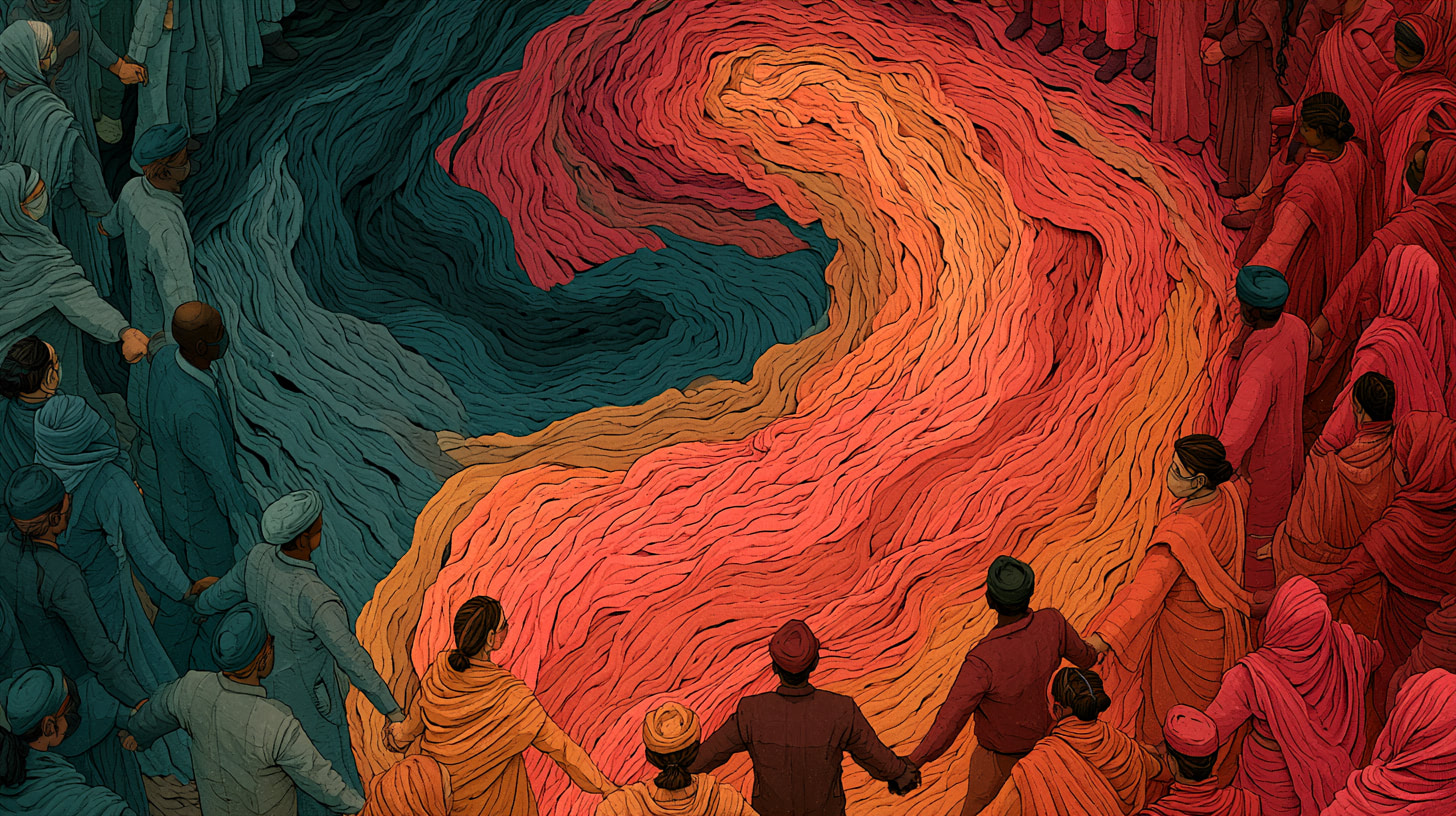
We are pleased to launch 8 key findings from first insights report by and for health workers responding to the impacts of climate change on health. Read the full article: https://redasadki.me/2026/05/26/climate-change-and-health-8-take-aways-from-community-based-responses/
In Niger in 2024, the rains were heavier than any elder alive could remember.
The flooding washed away tracks, drowned crops, and cut villages off from the nearest health facility.
The seasonal malaria chemoprevention campaign was supposed to be running.
The malaria control programme recruited local distributors and brought them in by pirogue.
The campaign continued.
This is one of eight patterns that appear, country after country, in those accounts.
Familiar diseases are arriving earlier and reaching further.
Community financing is paying for hospital stays and emergency transport.
Workers are running telemedicine on the WhatsApp groups they already have.
And every health worker absorbing the cost of climate adaptation is doing it out of her own pocket, with no reimbursement structure in place.
The protocols most workers are following were written for a climate that no longer exists.
The eight findings show what workers in 19 countries changed in practice, and what that tells the rest of the system.
If you manage a district, plan a national programme, or fund global health, one of the eight findings is about you.
In Niger in 2024, the rains were heavier than any elder alive could remember.
The flooding washed away tracks, drowned crops, and cut villages off from the nearest health facility.
The seasonal malaria chemoprevention campaign was supposed to be running.
The malaria control programme recruited local distributors and brought them in by pirogue.
The campaign continued.
This is one of eight patterns that appear, country after country, in those accounts.
Familiar diseases are arriving earlier and reaching further.
Community financing is paying for hospital stays and emergency transport.
Workers are running telemedicine on the WhatsApp groups they already have.
And every health worker absorbing the cost of climate adaptation is doing it out of her own pocket, with no reimbursement structure in place.
The protocols most workers are following were written for a climate that no longer exists.
The eight findings show what workers in 19 countries changed in practice, and what that tells the rest of the system.
If you manage a district, plan a national programme, or fund global health, one of the eight findings is about you.
❤5
In the Netherlands, almost half of displaced people from Ukraine in the Netherlands report feeling mentally unhealthy.
Only about 7% have seen a psychologist.
Psychological first aid is the simple human support that helps a frightened child feel safe and calm.
Any trusted adult can learn to offer it.
You do not need to be a specialist.
Since 2023, a peer learning network has grown, led by Ukrainian practitioners and colleagues from all over Europe.
By September 2025, it connected 331 organizations and roughly 10,000 staff and volunteers.
76% of participants are inside Ukraine, most in small, locally led groups in conflict-affected areas.
Today, the Netherlands national support hub for displaced people from Ukraine joined this network.
It coordinates care across 342 municipalities and around 1,500 shelter locations.
The same peer support that sustains a committed teacher, social worker, or health professional in Ukraine can now sustain a colleague in a Dutch shelter.
Learn how this network is making a difference, why LOOP joined it, and what it offers the people who support these children: https://redasadki.me/2026/06/11/the-netherlands-national-mhpss-hub-joins-the-european-peer-learning-network-for-psychological-first-aid/
Only about 7% have seen a psychologist.
Psychological first aid is the simple human support that helps a frightened child feel safe and calm.
Any trusted adult can learn to offer it.
You do not need to be a specialist.
Since 2023, a peer learning network has grown, led by Ukrainian practitioners and colleagues from all over Europe.
By September 2025, it connected 331 organizations and roughly 10,000 staff and volunteers.
76% of participants are inside Ukraine, most in small, locally led groups in conflict-affected areas.
Today, the Netherlands national support hub for displaced people from Ukraine joined this network.
It coordinates care across 342 municipalities and around 1,500 shelter locations.
The same peer support that sustains a committed teacher, social worker, or health professional in Ukraine can now sustain a colleague in a Dutch shelter.
Learn how this network is making a difference, why LOOP joined it, and what it offers the people who support these children: https://redasadki.me/2026/06/11/the-netherlands-national-mhpss-hub-joins-the-european-peer-learning-network-for-psychological-first-aid/
❤3
Teach to Reach: What you can do when climate change hurts your community
This month, the Teach to Reach Launch Event is about climate change and health.
Health workers from more than 70 countries will meet online to share what climate change is doing to the communities they serve.
This time, the focus will be on what health leaders are doing about it.
For three years, health workers have told us what no dashboard records.
The malaria season that starts early.
The cholera that follows the flood.
The pregnant woman who cannot reach the maternity ward when the road is gone.
You have seen it.
You have also found ways around it.
You are not the only one facing the impacts of climate change on health.
Come and bring one challenge you are facing right now.
In one hour you will:
1️⃣ Hear peers who turned the same problem into a working solution in their own context.
2️⃣ Find the free TGLF certification built to help you act on your challenge.
3️⃣ Meet colleagues from dozens of countries you can message ne
This month, the Teach to Reach Launch Event is about climate change and health.
Health workers from more than 70 countries will meet online to share what climate change is doing to the communities they serve.
This time, the focus will be on what health leaders are doing about it.
For three years, health workers have told us what no dashboard records.
The malaria season that starts early.
The cholera that follows the flood.
The pregnant woman who cannot reach the maternity ward when the road is gone.
You have seen it.
You have also found ways around it.
You are not the only one facing the impacts of climate change on health.
Come and bring one challenge you are facing right now.
In one hour you will:
1️⃣ Hear peers who turned the same problem into a working solution in their own context.
2️⃣ Find the free TGLF certification built to help you act on your challenge.
3️⃣ Meet colleagues from dozens of countries you can message ne
❤3
Gavi just published the story of how TGLF's Scholars in DRC and Uganda are responding to the Bundibugyo Ebola outbreak. https://www.gavi.org/vaccineswork/how-peer-network-mobilising-against-bundibugyo-virus-drc-and-uganda
The Teach to Reach network has met every Saturday since July 2019, without per diems or external funding.
When the outbreak was confirmed in May 2026, they had cross-border sessions running within two weeks.
Six weeks after declaration, denial of the disease was still the majority view in one surveyed zone. The network put the disagreements on the record: on burial practices, on who should perform them, on how trust is built before expertise can land.
Timestamped. Attributed. A by-product of weekly learning.
The Teach to Reach network has met every Saturday since July 2019, without per diems or external funding.
When the outbreak was confirmed in May 2026, they had cross-border sessions running within two weeks.
Six weeks after declaration, denial of the disease was still the majority view in one surveyed zone. The network put the disagreements on the record: on burial practices, on who should perform them, on how trust is built before expertise can land.
Timestamped. Attributed. A by-product of weekly learning.
❤2👍1
Beyond the hot flash: A primer for health workers about menopause
📅 Starts 22 June 2026
🔗 Register free: https://go.learning.foundation/tglf/c/31849
More than 1 billion women are currently living through menopause — but most health systems have no screening, no training, and no budget for it. This course gives you simple screening questions you can use in routine visits tomorrow, a framework for long-term risk prevention, and peer exchange with colleagues across 137 countries.
This is the first global peer learning programme on menopause for health workers, built with Menoglobal, the first international organisation dedicated to making menopause a global health priority.
✅ Free | Text-based | Any device
🎓 Complete it and earn a certificate — and unlock The Geneva Learning Foundation's full Gender, Equity, and Aging programme.
At last month's World Health Assembly, Menoglobal hosted an event on menopause and saw strong country interest. Your participation builds the evidence that advocacy needs.
Share with a colleague. The course works best when you take it together.
📅 Starts 22 June 2026
🔗 Register free: https://go.learning.foundation/tglf/c/31849
More than 1 billion women are currently living through menopause — but most health systems have no screening, no training, and no budget for it. This course gives you simple screening questions you can use in routine visits tomorrow, a framework for long-term risk prevention, and peer exchange with colleagues across 137 countries.
This is the first global peer learning programme on menopause for health workers, built with Menoglobal, the first international organisation dedicated to making menopause a global health priority.
✅ Free | Text-based | Any device
🎓 Complete it and earn a certificate — and unlock The Geneva Learning Foundation's full Gender, Equity, and Aging programme.
At last month's World Health Assembly, Menoglobal hosted an event on menopause and saw strong country interest. Your participation builds the evidence that advocacy needs.
Share with a colleague. The course works best when you take it together.
❤4
Rapid Gender Analysis: in the Democratic Republic of Congo and Uganda, more than half of the people falling sick with Ebola are women and girls. Read the RGA: https://redasadki.me/2026/06/22/rapid-gender-analysis-what-we-know-so-far-about-the-bundibugyo-ebola-outbreak-in-the-democratic-republic-of-congo-and-uganda/
53.4 percent of confirmed cases with sex recorded. At the start of the outbreak, more than 60 percent of suspected cases.
The same pattern showed up in 2014, in 2018, and in 2025.
The leading explanation is exposure, not biology.
Women do most of the caring for sick relatives. Most of the household cleaning. Much of the preparation of bodies for burial.
Each of those is close contact with the fluids that spread Bundibugyo virus.
In the 2007 Uganda outbreak, handling dead bodies without protection was the single largest way the virus spread.
UNFPA estimates 37,820 pregnant women are at risk in the Ituri response area alone.
Pregnancy and Ebola together carry a maternal mortality rate close to 100 percent.
There is no licensed vaccine for Bundibugyo virus. There is no specific treatment. Stopping exposure is the main way to save lives.
That is where gender matters most.
This new Rapid Gender Analysis reviews the evidence, names where it is uncertain, and stays close to what the data can support.
It also names what already works, from women’s groups in eastern Congo to PSEA reforms after 2018, so the next response does not repeat the same harm.
53.4 percent of confirmed cases with sex recorded. At the start of the outbreak, more than 60 percent of suspected cases.
The same pattern showed up in 2014, in 2018, and in 2025.
The leading explanation is exposure, not biology.
Women do most of the caring for sick relatives. Most of the household cleaning. Much of the preparation of bodies for burial.
Each of those is close contact with the fluids that spread Bundibugyo virus.
In the 2007 Uganda outbreak, handling dead bodies without protection was the single largest way the virus spread.
UNFPA estimates 37,820 pregnant women are at risk in the Ituri response area alone.
Pregnancy and Ebola together carry a maternal mortality rate close to 100 percent.
There is no licensed vaccine for Bundibugyo virus. There is no specific treatment. Stopping exposure is the main way to save lives.
That is where gender matters most.
This new Rapid Gender Analysis reviews the evidence, names where it is uncertain, and stays close to what the data can support.
It also names what already works, from women’s groups in eastern Congo to PSEA reforms after 2018, so the next response does not repeat the same harm.
❤2
For the first time, a course is asking health workers, most of them women working in African communities, to put menopause into words. And what they shared is not what any textbook would have predicted. Read the full article: https://redasadki.me/2026/06/28/menopause-what-health-workers-already-know-in-their-own-words/
Menopause is missing from most medical training, from health systems, from the conversation.
No screening.
No vocabulary.
No budget.
So we asked one question: what word comes to mind when you hear the word menopause?
A medical social worker answered.
“Silence. Also disgust.”
A public health worker named the word his own language uses, and the shame it carries.
A nephrologist in Italy saw spring, green fields and colorful flowers.
A community health board member in Costa Rica, going through it herself at a young age, held onto the same phrase: the second spring.
Then came the stories.
A menopause coach who waited five years for a doctor who would listen, after being told she could on
Menopause is missing from most medical training, from health systems, from the conversation.
No screening.
No vocabulary.
No budget.
So we asked one question: what word comes to mind when you hear the word menopause?
A medical social worker answered.
“Silence. Also disgust.”
A public health worker named the word his own language uses, and the shame it carries.
A nephrologist in Italy saw spring, green fields and colorful flowers.
A community health board member in Costa Rica, going through it herself at a young age, held onto the same phrase: the second spring.
Then came the stories.
A menopause coach who waited five years for a doctor who would listen, after being told she could on
❤1
Colleagues in DRC and Uganda are in an active Bundibugyo virus disease outbreak, and The Geneva Learning Foundation is mobilizing collective experience to support them: https://redasadki.me/2026/06/03/alert-how-do-you-respond-to-bundibugyo-virus-disease-outbreak/
Colleagues in the Democratic Republic of Congo and Uganda are supporting communities struck by a Bundibugyo virus disease (BVD) outbreak.
They are taking real risks to serve people's health.
Bundibugyo virus disease belongs to the same family as Ebola.
Many health workers have never received specific preparation for BVD.
Official guidance exists: what is harder to find is how to apply it in your specific setting, with your resources and your constraints, and with the confidence that comes from hearing what a colleague in a similar situation actually did.
We launched the first peer learning certification on Bundibugyo virus disease to close exactly that gap.
It is free.
It is designed for three kinds of workers: those directly in the response,
Colleagues in the Democratic Republic of Congo and Uganda are supporting communities struck by a Bundibugyo virus disease (BVD) outbreak.
They are taking real risks to serve people's health.
Bundibugyo virus disease belongs to the same family as Ebola.
Many health workers have never received specific preparation for BVD.
Official guidance exists: what is harder to find is how to apply it in your specific setting, with your resources and your constraints, and with the confidence that comes from hearing what a colleague in a similar situation actually did.
We launched the first peer learning certification on Bundibugyo virus disease to close exactly that gap.
It is free.
It is designed for three kinds of workers: those directly in the response,
❤1
More than 43,000 people are missing in Venezuela, and we could not find a single one of those figures broken down by sex or age. Read the first Rapid Gender Analysis about the Venezuela Earthquake: https://redasadki.me/2026/07/01/rapid-gender-analysis-where-are-women-and-girls-in-the-venezuela-earthquake/
Seven days after two earthquakes struck northwestern Venezuela, at least 1,943 people are confirmed dead.
Every decision about who is most at risk is being made on guesswork.
The Insights Unit at The Geneva Learning Foundation built this analysis from the primary sources published in the first week.
What it found is hard to look away from.
Before the earthquake, 62% of people receiving humanitarian assistance in Venezuela were women and girls.
They are now the majority of those cut off from food, shelter, and health care.
Midwifery professionals went missing in La Guaira, the worst-hit state, where the maternal mortality ratio was already 125 deaths per 100,000 live births.
One women-led organisation
Seven days after two earthquakes struck northwestern Venezuela, at least 1,943 people are confirmed dead.
Every decision about who is most at risk is being made on guesswork.
The Insights Unit at The Geneva Learning Foundation built this analysis from the primary sources published in the first week.
What it found is hard to look away from.
Before the earthquake, 62% of people receiving humanitarian assistance in Venezuela were women and girls.
They are now the majority of those cut off from food, shelter, and health care.
Midwifery professionals went missing in La Guaira, the worst-hit state, where the maternal mortality ratio was already 125 deaths per 100,000 live births.
One women-led organisation
❤3
You watch the rains arrive early, the clinic run hotter, more people fall sick more often.
The new issue of the Scholar newsletter is out, and it opens with what health workers are already doing about it.
Read it here: https://www.linkedin.com/pulse/what-you-can-do-climate-change-harming-your-wx9lf/
And on Thursday 2 July 2026, meet, network, and learn with the health workers who are already responding to the impacts of climate change on the health of those they serve.
Take Yopougon, in Côte d'Ivoire.
When dengue followed the rains in 2023, Konan Kouamé Georges and his team switched from weekly reporting to daily.
That is a small change to read, and a large change to do.
TGLF's new Insights Report gives back what health workers in Africa, Asia, and Latin America see and do.
The Geneva Learning Foundation, the non-profit that publishes this newsletter, treats these accounts as evidence, not anecdote.
Guidelines set what is correct.
Frontline experience works out how to do it where the road floods and
The new issue of the Scholar newsletter is out, and it opens with what health workers are already doing about it.
Read it here: https://www.linkedin.com/pulse/what-you-can-do-climate-change-harming-your-wx9lf/
And on Thursday 2 July 2026, meet, network, and learn with the health workers who are already responding to the impacts of climate change on the health of those they serve.
Take Yopougon, in Côte d'Ivoire.
When dengue followed the rains in 2023, Konan Kouamé Georges and his team switched from weekly reporting to daily.
That is a small change to read, and a large change to do.
TGLF's new Insights Report gives back what health workers in Africa, Asia, and Latin America see and do.
The Geneva Learning Foundation, the non-profit that publishes this newsletter, treats these accounts as evidence, not anecdote.
Guidelines set what is correct.
Frontline experience works out how to do it where the road floods and
❤3
We are pleased to announce that Joseph Wato is The Geneva Learning Foundation's first Fellow for the transformation of global health. Read the full announcement: https://redasadki.me/2026/07/08/joseph-wato-appointed-first-tglf-fellow-for-the-transformation-of-global-health/
Joseph began beside community health workers in Cameroon.
He now holds board seats in two major global health institutions.
He has watched decisions made in Geneva arrive in communities.
For more than a decade, he has fought to close that distance.
In his own words, he became a voice for the voiceless.
By carrying community knowledge into the rooms where global health funding decisions are made.
This Fellowship names that work, it does not put it on a pedestal.
It is a working relationship built on a shared diagnosis of what is broken.
And a shared conviction about what to do next.
Read the announcement to see how one person's path from village conversations to board tables can reframe what global health leadership needs to be.
Joseph began beside community health workers in Cameroon.
He now holds board seats in two major global health institutions.
He has watched decisions made in Geneva arrive in communities.
For more than a decade, he has fought to close that distance.
In his own words, he became a voice for the voiceless.
By carrying community knowledge into the rooms where global health funding decisions are made.
This Fellowship names that work, it does not put it on a pedestal.
It is a working relationship built on a shared diagnosis of what is broken.
And a shared conviction about what to do next.
Read the announcement to see how one person's path from village conversations to board tables can reframe what global health leadership needs to be.
❤2🤩1
Colleagues in DRC and Uganda are in an active Bundibugyo virus disease outbreak, and The Geneva Learning Foundation is mobilizing collective experience to support them: https://redasadki.me/2026/06/03/alert-how-do-you-respond-to-bundibugyo-virus-disease-outbreak/
Colleagues in the Democratic Republic of Congo and Uganda are supporting communities struck by a Bundibugyo virus disease (BVD) outbreak.
They are taking real risks to serve people's health.
Bundibugyo virus disease belongs to the same family as Ebola.
Many health workers have never received specific preparation for BVD.
Official guidance exists: what is harder to find is how to apply it in your specific setting, with your resources and your constraints, and with the confidence that comes from hearing what a colleague in a similar situation actually did.
We launched the first peer learning certification on Bundibugyo virus disease to close exactly that gap.
It is free.
It is designed for three kinds of workers: those directly in the response,
Colleagues in the Democratic Republic of Congo and Uganda are supporting communities struck by a Bundibugyo virus disease (BVD) outbreak.
They are taking real risks to serve people's health.
Bundibugyo virus disease belongs to the same family as Ebola.
Many health workers have never received specific preparation for BVD.
Official guidance exists: what is harder to find is how to apply it in your specific setting, with your resources and your constraints, and with the confidence that comes from hearing what a colleague in a similar situation actually did.
We launched the first peer learning certification on Bundibugyo virus disease to close exactly that gap.
It is free.
It is designed for three kinds of workers: those directly in the response,
"And I am taking this course because the malaria remains in my country." Read the full article: https://redasadki.me/2026/07/04/turning-the-tide-health-professionals-from-30-countries-start-learning-from-each-other/
Lul Omar Ulusow is a midwife in Somalia.
She fought a broken connection for several minutes at the launch of our new Malaria: Turning the Tide peer learning course on 29 June.
When her voice finally broke through, that was the sentence she used.
She was not alone in what she meant by it.
More than 2,000 health workers from over 30 countries joined the English and French launch sessions that day.
Almost every one of them said a version of the same thing: they were already doing a great deal, and the cases were not falling.
"Each year, the number of malaria cases does nothing but climb," said Sawadogo Lassane, a community health worker in Burkina Faso.
"Why, despite the multiple actions of the government and its partners, does malaria continue to climb? Certainly, something is missing somewh
Lul Omar Ulusow is a midwife in Somalia.
She fought a broken connection for several minutes at the launch of our new Malaria: Turning the Tide peer learning course on 29 June.
When her voice finally broke through, that was the sentence she used.
She was not alone in what she meant by it.
More than 2,000 health workers from over 30 countries joined the English and French launch sessions that day.
Almost every one of them said a version of the same thing: they were already doing a great deal, and the cases were not falling.
"Each year, the number of malaria cases does nothing but climb," said Sawadogo Lassane, a community health worker in Burkina Faso.
"Why, despite the multiple actions of the government and its partners, does malaria continue to climb? Certainly, something is missing somewh
❤1