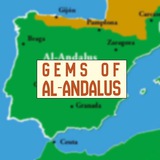
🔷Learn about the history of al-Andalus with this new course!
Ustadh Abu Ayyub, a historian in Islamic history will be giving a 10 week long course on the history of al-Andalus.
This course is especially designed for teens and adults. The whole family will enjoy it and benefit from it.
Part One covers the period from the opening of the Iberian Peninsula to Islam through the fall of the city of Toledo in 1085.It includes:
1 The significance of al-Andalus to Muslims, and the strong attachment of Muslims to these lands
2 The initial crossing of the straits and conquest by Tariq ibn Ziyad and Musa ibn Nusayr
3 The consolidation of Muslim rule and the advent of the Umayyad Emirate of Córdoba
4 The “golden age” of the Caliphate of Córdoba
5 Taifa states & the rise of the Crusader movement and its influence in Spain
6 The surrender of Toledo to its significance
Part Two covers the period from the coming of the Murabitun from North Africa, through the eventual disappearance of Islam from the Iberian Peninsula.
1 The arrival of the Murabitun and their victories
2 The age of the Muwahhidun and the loss of Córdoba and Seville
3 The “golden twilight” era and the progressive loss of territories
4 The Marinid Sultanate and the struggle for Gibraltar
5 The Nasrids of Granada and the age of the Alhambra
6 The fall of Granada and its significance
7 Persecution of Muslims under the Inquisition and its consequences
And more.
Course schedule: Every Wednesday starting August 17th, 2022 until October 19th, 2022 (1pm ET; 10am PST; 6pm British; 8pm Medina) – All sessions will be recorded if you cannot attend live.
This will be a live course, held via Zoom. The full course will be 10 sessions total over 10 weeks.
Sign up here: ⬇️
https://muslimlegacy.com/courses/p/the-story-of-al-andalus-bundle?fbclid=IwAR1zhWSuCPzGHwQpL3DlEFqKnUmpYsp4EuXSHDb9Nhhj3ZC4TLixDCLUnWs
Ustadh Abu Ayyub, a historian in Islamic history will be giving a 10 week long course on the history of al-Andalus.
This course is especially designed for teens and adults. The whole family will enjoy it and benefit from it.
Part One covers the period from the opening of the Iberian Peninsula to Islam through the fall of the city of Toledo in 1085.It includes:
1 The significance of al-Andalus to Muslims, and the strong attachment of Muslims to these lands
2 The initial crossing of the straits and conquest by Tariq ibn Ziyad and Musa ibn Nusayr
3 The consolidation of Muslim rule and the advent of the Umayyad Emirate of Córdoba
4 The “golden age” of the Caliphate of Córdoba
5 Taifa states & the rise of the Crusader movement and its influence in Spain
6 The surrender of Toledo to its significance
Part Two covers the period from the coming of the Murabitun from North Africa, through the eventual disappearance of Islam from the Iberian Peninsula.
1 The arrival of the Murabitun and their victories
2 The age of the Muwahhidun and the loss of Córdoba and Seville
3 The “golden twilight” era and the progressive loss of territories
4 The Marinid Sultanate and the struggle for Gibraltar
5 The Nasrids of Granada and the age of the Alhambra
6 The fall of Granada and its significance
7 Persecution of Muslims under the Inquisition and its consequences
And more.
Course schedule: Every Wednesday starting August 17th, 2022 until October 19th, 2022 (1pm ET; 10am PST; 6pm British; 8pm Medina) – All sessions will be recorded if you cannot attend live.
This will be a live course, held via Zoom. The full course will be 10 sessions total over 10 weeks.
Sign up here: ⬇️
https://muslimlegacy.com/courses/p/the-story-of-al-andalus-bundle?fbclid=IwAR1zhWSuCPzGHwQpL3DlEFqKnUmpYsp4EuXSHDb9Nhhj3ZC4TLixDCLUnWs
🔷Belyounech | بليونش
The beach of Belyounech is at the very end of Morocco and one of the most closest in distance to the land of Spain.
The distance between Belyounech and Spain is around 50 km.
A number of Muslim Andalusian scholars have mentioned the beauty of this beach and it’s clear blue waters.
al-Qahdi ‘Iyadh as-Sabti, the pride of the Malikis, said once in a poem:
بليونش جنة ولكن ... طريقها يقطع النياطا
كجنة الخلد لا يراها ... إلا الذي جاوز الصراطا
Belyounech a paradise but… it’s path getting there is many, like veins of the heart.
Like paradise of the afterlife, none will see it….. except passing the Sirat (bridge to Jannah).”
The famous Andalusian historian, Abu Marian ibn Hayyan al-Qurtubi, who is an author of many books on Andalusian history said about Belyounech:
“It’s parks are enormous. Belyounech contains water springs, valleys and many parks. It also has beautiful architecture with all kinds of trees and fruits.”
The well known Andalusian polymath Lisan ad-Din ibn Khatib also has a beautiful poem about Belyounech. He said:
بليونش أسنى الأماكن رفعة ... وأجل أرض الله طرا شانا
هي جنة الدنيا التي من حلها ... نال الرضا والروح والريحانا
قالوا القرود بها فقلت فضيلة ... حيوانها
قد قارب الإنسانا
“Belyounech is the most shiniest of lands of high honor… it’s from the most honored natural lands of Allah.
It is paradise of the earth and who made it beautiful… will get gratification, comfort and enjoyment.
They said there is only monkeys there but I said there is virtue… and it’s animals are like humans.”
.
🕰 𝗚𝗲𝗺𝘀 𝗼𝗳 𝗮𝗹-𝗔𝗻𝗱𝗮𝗹𝘂𝘀
🏺𝘙𝘦𝘥𝘪𝘴𝘤𝘰𝘷𝘦𝘳𝘪𝘯𝘨 𝘈𝘯𝘥𝘢𝘭𝘶𝘴𝘪𝘢𝘯 𝘩𝘪𝘴𝘵𝘰𝘳𝘺…
📚Source: Kitab Azhar Ar-Riyad Fi Akhbar al-Qahdi Iyad by Al-Maqri at-Tilmisani
➡️Share
📷Instagram: https://instagram.com/gemsofalandalus?igshid=YmMyMTA2M2Y=
📺YouTube: https://youtube.com/c/GemsOfalAndalus
📮Telegram: t.me/GemsofAlAndalus
👤Facebook: Facebook.com/GemsofAlAndalus
The beach of Belyounech is at the very end of Morocco and one of the most closest in distance to the land of Spain.
The distance between Belyounech and Spain is around 50 km.
A number of Muslim Andalusian scholars have mentioned the beauty of this beach and it’s clear blue waters.
al-Qahdi ‘Iyadh as-Sabti, the pride of the Malikis, said once in a poem:
بليونش جنة ولكن ... طريقها يقطع النياطا
كجنة الخلد لا يراها ... إلا الذي جاوز الصراطا
Belyounech a paradise but… it’s path getting there is many, like veins of the heart.
Like paradise of the afterlife, none will see it….. except passing the Sirat (bridge to Jannah).”
The famous Andalusian historian, Abu Marian ibn Hayyan al-Qurtubi, who is an author of many books on Andalusian history said about Belyounech:
“It’s parks are enormous. Belyounech contains water springs, valleys and many parks. It also has beautiful architecture with all kinds of trees and fruits.”
The well known Andalusian polymath Lisan ad-Din ibn Khatib also has a beautiful poem about Belyounech. He said:
بليونش أسنى الأماكن رفعة ... وأجل أرض الله طرا شانا
هي جنة الدنيا التي من حلها ... نال الرضا والروح والريحانا
قالوا القرود بها فقلت فضيلة ... حيوانها
قد قارب الإنسانا
“Belyounech is the most shiniest of lands of high honor… it’s from the most honored natural lands of Allah.
It is paradise of the earth and who made it beautiful… will get gratification, comfort and enjoyment.
They said there is only monkeys there but I said there is virtue… and it’s animals are like humans.”
.
🕰 𝗚𝗲𝗺𝘀 𝗼𝗳 𝗮𝗹-𝗔𝗻𝗱𝗮𝗹𝘂𝘀
🏺𝘙𝘦𝘥𝘪𝘴𝘤𝘰𝘷𝘦𝘳𝘪𝘯𝘨 𝘈𝘯𝘥𝘢𝘭𝘶𝘴𝘪𝘢𝘯 𝘩𝘪𝘴𝘵𝘰𝘳𝘺…
📚Source: Kitab Azhar Ar-Riyad Fi Akhbar al-Qahdi Iyad by Al-Maqri at-Tilmisani
➡️Share
📷Instagram: https://instagram.com/gemsofalandalus?igshid=YmMyMTA2M2Y=
📺YouTube: https://youtube.com/c/GemsOfalAndalus
📮Telegram: t.me/GemsofAlAndalus
👤Facebook: Facebook.com/GemsofAlAndalus
Telegram
Gems of al-Andalus
🔍 Interested in the history of Al-Andalus, the North African Desert, and the Maliki school. Researcher at @usul_ai and Arabic teacher
🔷𝐓𝐡𝐞 𝐬𝐭𝐨𝐫𝐲 𝐨𝐟 𝐈𝐳𝐚𝐛𝐞𝐥𝐥𝐚 𝐙𝐚𝐬𝐚𝐧
She was from the city of Toledo. The Catholic Inquisition discovered with her a copy of the Qur’an. When they confronted her she replied that she never read it. But took her away and tortured her.
Catholic Inquisition sentenced her with a punishment that they would carry her around the streets on a donkey while covered with her name and the charges against her written for display. Her charges were having a Qur’an in her possession. She was then thrown in prison and forced to learn about Chirstanity. This event happened in the year 1006/1597 Hijri.
This event is a proof that the religion of Islam was still continuing to be followed by people of Toledo more than five centuries after its fall of Islamic rule by the hands of the Spanish army. Muslim women were persecuted, despite the brutal methods of trying to make Muslims leave their religion.
🕰 𝗚𝗲𝗺𝘀 𝗼𝗳 𝗮𝗹-𝗔𝗻𝗱𝗮𝗹𝘂𝘀
🏺𝘙𝘦𝘥𝘪𝘴𝘤𝘰𝘷𝘦𝘳𝘪𝘯𝘨 𝘈𝘯𝘥𝘢𝘭𝘶𝘴𝘪𝘢𝘯 𝘩𝘪𝘴𝘵𝘰𝘳𝘺…
📚Source: A’lam Nisa al-Andalus by Ustadh Jasim Yasin Ad-Darwish
➡️Share
📺YouTube: https://youtube.com/c/GemsOfalAndalus
📷 Instagram: https://instagram.com/gemsofalandalus?igshid=YmMyMTA2M2Y=
📮Telegram: t.me/GemsofAlAndalus
👤Facebook: Facebook.com/GemsofAlAndalus
She was from the city of Toledo. The Catholic Inquisition discovered with her a copy of the Qur’an. When they confronted her she replied that she never read it. But took her away and tortured her.
Catholic Inquisition sentenced her with a punishment that they would carry her around the streets on a donkey while covered with her name and the charges against her written for display. Her charges were having a Qur’an in her possession. She was then thrown in prison and forced to learn about Chirstanity. This event happened in the year 1006/1597 Hijri.
This event is a proof that the religion of Islam was still continuing to be followed by people of Toledo more than five centuries after its fall of Islamic rule by the hands of the Spanish army. Muslim women were persecuted, despite the brutal methods of trying to make Muslims leave their religion.
🕰 𝗚𝗲𝗺𝘀 𝗼𝗳 𝗮𝗹-𝗔𝗻𝗱𝗮𝗹𝘂𝘀
🏺𝘙𝘦𝘥𝘪𝘴𝘤𝘰𝘷𝘦𝘳𝘪𝘯𝘨 𝘈𝘯𝘥𝘢𝘭𝘶𝘴𝘪𝘢𝘯 𝘩𝘪𝘴𝘵𝘰𝘳𝘺…
📚Source: A’lam Nisa al-Andalus by Ustadh Jasim Yasin Ad-Darwish
➡️Share
📺YouTube: https://youtube.com/c/GemsOfalAndalus
📷 Instagram: https://instagram.com/gemsofalandalus?igshid=YmMyMTA2M2Y=
📮Telegram: t.me/GemsofAlAndalus
👤Facebook: Facebook.com/GemsofAlAndalus
Telegram
Gems of al-Andalus
🔍 Interested in the history of Al-Andalus, the North African Desert, and the Maliki school. Researcher at @usul_ai and Arabic teacher
😢5
There is a lot of talk about if the Queen of England was a descent of the Prophet (ﷺ) [I don’t consider that she is].
What about how many Spanish, Portuguese or even Sicilian people are walking around right now and don’t even know their ancestors could of been Muslims?
What about how many Spanish, Portuguese or even Sicilian people are walking around right now and don’t even know their ancestors could of been Muslims?
❤9👏1
🔷For those wanting to learn Maghribi Calligraphy (Khat). Here is a useful book in English!
Ustadh Ahmed Khelloufi is one of my personal teachers calligraphy. He’s a very kind man and very helpful in his method of teaching.
Learning calligraphy definitely is a useful skill and hobby.
Maghribi calligraphy definitely is connected to Andalusian history as the scholars of al-Andalus would write in a similar way.
Contact him!
His website: khelloufi.com
Ustadh Ahmed Khelloufi is one of my personal teachers calligraphy. He’s a very kind man and very helpful in his method of teaching.
Learning calligraphy definitely is a useful skill and hobby.
Maghribi calligraphy definitely is connected to Andalusian history as the scholars of al-Andalus would write in a similar way.
Contact him!
His website: khelloufi.com
❤3
🔷𝐓𝐡𝐞 𝐌𝐚𝐝𝐡𝐚𝐛 𝐨𝐟 𝐈𝐦𝐚𝐦 𝐀𝐥-𝐀𝐰𝐳𝐚’𝐢 𝐈𝐬 𝐭𝐡𝐞 𝐅𝐢𝐫𝐬𝐭 𝐉𝐮𝐫𝐢𝐬𝐩𝐫𝐮𝐝𝐞𝐧𝐭𝐢𝐚𝐥 𝐒𝐜𝐡𝐨𝐨𝐥 𝐭𝐡𝐞 𝐏𝐞𝐨𝐩𝐥𝐞 𝐨𝐟 𝐀𝐥-𝐀𝐧𝐝𝐚𝐥𝐮𝐬 𝐊𝐧𝐞𝐰.
Al-Ḥumaidī said in the biography of Sa’sa’ah b. Salām:
❝He was Andalusi, Faqīh, one of the companions of al-Awzā’ī, and he was the first to introduce the Awzā'ī school into al-Andalus. He died in the year 192 H.❞
• Source: al-Muqtabas, pg. 237.
Adh-Dhahabī said:
❝Al-Awzā’ī had an independent Madhab, which was followed by the Fuqahā of Shām for a while, and the Fuqahā of al-Andalus for another while; and then it went extinct.❞
• Source: Siyar A’lām an-Nubalā, (7/117).
‘Abd al-Bāset al-Fākhūrī said:
❝The people of Shām and their neighbors and the people of al-Andalus followed on the Awzā’ī Madhab for about two hundred and twenty years.❞
• Source: Tuḥfat al-Anām Mukhtasar Tārīkh al-Islām, pg. 82.
↪️Then it was followed by the Madhab of Imām Mālik (d. 179 H.).
Al-Ḥumaidī said in the biography of Ziyād b. ‘Abd ar-Raḥman b. Ziyād:
❝He was the first to introduce into al-Andalus the jurisprudence of Mālik ibn Anas. And before this it was followed the Awzā’ī Madhab [in al-Andalus], Ziyād died in al-Ándalus the year 193, and it was also said that he died in the year 199. Ibn Ḥazm said: he died in the year 204.❞
• Source: al-Muqtabas, pg. 212.
↪️And followed, by last, by the Madhab of Imām Dāwūd adh-Dhāhirī (d. 270 H.).
Ibn al-Farḍī said in the biography of ‘Abd-Allāh b. Muḥammad b. Qāsim al-Qurtubī:
❝He went to Iraq, he met Abū Sulaymān Dāwūd al-Qiyāsī, and wrote about him all his books and introduced him into al-Andalus. He was followed by the people of his time, the knowledge of Dāwūd was the majority, and he considered the knowledge of Mālik, although he was inclined to the knowledge of Dāwūd and his arguments. He met al-Muznī and transmitted his Ḥadīth, and he was noble. He died in the year 272.❞
• Source: Tārīkh ‘Ulamā al-Andalus, (1/378).
🕰 𝗚𝗲𝗺𝘀 𝗼𝗳 𝗮𝗹-𝗔𝗻𝗱𝗮𝗹𝘂𝘀
🏺𝘙𝘦𝘥𝘪𝘴𝘤𝘰𝘷𝘦𝘳𝘪𝘯𝘨 𝘈𝘯𝘥𝘢𝘭𝘶𝘴𝘪𝘢𝘯 𝘩𝘪𝘴𝘵𝘰𝘳𝘺…
➡️Share
📺YouTube: https://youtube.com/c/GemsOfalAndalus
📮Telegram: t.me/GemsofAlAndalus
👤Facebook: Facebook.com/GemsofAlAndalus
Al-Ḥumaidī said in the biography of Sa’sa’ah b. Salām:
❝He was Andalusi, Faqīh, one of the companions of al-Awzā’ī, and he was the first to introduce the Awzā'ī school into al-Andalus. He died in the year 192 H.❞
• Source: al-Muqtabas, pg. 237.
Adh-Dhahabī said:
❝Al-Awzā’ī had an independent Madhab, which was followed by the Fuqahā of Shām for a while, and the Fuqahā of al-Andalus for another while; and then it went extinct.❞
• Source: Siyar A’lām an-Nubalā, (7/117).
‘Abd al-Bāset al-Fākhūrī said:
❝The people of Shām and their neighbors and the people of al-Andalus followed on the Awzā’ī Madhab for about two hundred and twenty years.❞
• Source: Tuḥfat al-Anām Mukhtasar Tārīkh al-Islām, pg. 82.
↪️Then it was followed by the Madhab of Imām Mālik (d. 179 H.).
Al-Ḥumaidī said in the biography of Ziyād b. ‘Abd ar-Raḥman b. Ziyād:
❝He was the first to introduce into al-Andalus the jurisprudence of Mālik ibn Anas. And before this it was followed the Awzā’ī Madhab [in al-Andalus], Ziyād died in al-Ándalus the year 193, and it was also said that he died in the year 199. Ibn Ḥazm said: he died in the year 204.❞
• Source: al-Muqtabas, pg. 212.
↪️And followed, by last, by the Madhab of Imām Dāwūd adh-Dhāhirī (d. 270 H.).
Ibn al-Farḍī said in the biography of ‘Abd-Allāh b. Muḥammad b. Qāsim al-Qurtubī:
❝He went to Iraq, he met Abū Sulaymān Dāwūd al-Qiyāsī, and wrote about him all his books and introduced him into al-Andalus. He was followed by the people of his time, the knowledge of Dāwūd was the majority, and he considered the knowledge of Mālik, although he was inclined to the knowledge of Dāwūd and his arguments. He met al-Muznī and transmitted his Ḥadīth, and he was noble. He died in the year 272.❞
• Source: Tārīkh ‘Ulamā al-Andalus, (1/378).
🕰 𝗚𝗲𝗺𝘀 𝗼𝗳 𝗮𝗹-𝗔𝗻𝗱𝗮𝗹𝘂𝘀
🏺𝘙𝘦𝘥𝘪𝘴𝘤𝘰𝘷𝘦𝘳𝘪𝘯𝘨 𝘈𝘯𝘥𝘢𝘭𝘶𝘴𝘪𝘢𝘯 𝘩𝘪𝘴𝘵𝘰𝘳𝘺…
➡️Share
📺YouTube: https://youtube.com/c/GemsOfalAndalus
📮Telegram: t.me/GemsofAlAndalus
👤Facebook: Facebook.com/GemsofAlAndalus
Telegram
Gems of al-Andalus
🔍 Interested in the history of Al-Andalus, the North African Desert, and the Maliki school. Researcher at @usul_ai and Arabic teacher
❤3👏1