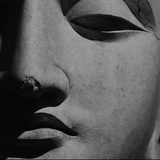
The Second Global Buddhist Summit is scheduled to be held in New Delhi on January 24–25, 2026, at Bharat Mandapam
Organized by the International Buddhist Confederation (IBC) in collaboration with the Ministry of Culture, the summit will bring together Buddhist leaders, scholars, practitioners, and policymakers from around the world.
Theme: Collective Wisdom, United Voice, and Mutual Coexistence
Expected Participation: Over 800 participants, including 200 delegates such as Supreme Patriarchs, heads of national Buddhist Sanghas, eminent monks, and scholars from across Asia and beyond
The summit aims to reaffirm Buddhism’s enduring relevance in shaping a more compassionate and balanced global order.
This event builds on the success of the first Global Buddhist Summit in April 2023, which concluded with the New Delhi Declaration emphasizing peace, sustainability, and universal well-being.
Organized by the International Buddhist Confederation (IBC) in collaboration with the Ministry of Culture, the summit will bring together Buddhist leaders, scholars, practitioners, and policymakers from around the world.
Theme: Collective Wisdom, United Voice, and Mutual Coexistence
Expected Participation: Over 800 participants, including 200 delegates such as Supreme Patriarchs, heads of national Buddhist Sanghas, eminent monks, and scholars from across Asia and beyond
The summit aims to reaffirm Buddhism’s enduring relevance in shaping a more compassionate and balanced global order.
This event builds on the success of the first Global Buddhist Summit in April 2023, which concluded with the New Delhi Declaration emphasizing peace, sustainability, and universal well-being.
❤3
Just as a solid rock is not shaken by the storm, the Wise are not moved by praise or blame. - Buddha (Dhammapada 81)
The quote emphasizes mental resilience and equanimity. It teaches that true wisdom lies in cultivating an inner center of calm, like the eye of a storm, where one is not swayed by the chaos of others' opinions.
This detachment is not indifference, but a deep understanding that both praise and blame are transient and often rooted in others' perceptions, not one's inherent worth.
The quote emphasizes mental resilience and equanimity. It teaches that true wisdom lies in cultivating an inner center of calm, like the eye of a storm, where one is not swayed by the chaos of others' opinions.
This detachment is not indifference, but a deep understanding that both praise and blame are transient and often rooted in others' perceptions, not one's inherent worth.
❤5👍1🔥1
Walk for Peace
It's day 92 in the Monks' #WalkForPeace continues as they make their way through the frozen road and snow of North Carolina. They have remained steadfast in their message of peace for change. As of January 26, 2026, they are on Day 92 of their journey and are en route to Virginia, with an expected arrival in Washington, D.C., by mid-February 2026.
May they reach Washington DC safely.
May all beings be free from suffering.
It's day 92 in the Monks' #WalkForPeace continues as they make their way through the frozen road and snow of North Carolina. They have remained steadfast in their message of peace for change. As of January 26, 2026, they are on Day 92 of their journey and are en route to Virginia, with an expected arrival in Washington, D.C., by mid-February 2026.
May they reach Washington DC safely.
May all beings be free from suffering.
❤9👏2
Burning the Buddha
Danxia Tianran, a Chinese Buddhist monk, is famously known for the anecdote of burning a wooden Buddha statue to keep warm during a bitterly cold night.
He was staying at a temple when the cold became unbearable, so he took a wooden Buddha image from the altar and burned it in a stove for warmth.
When confronted by the temple's director, who called the act sacrilegious, Danxia replied, "I'm collecting the Buddha's relics (sarira) from the ashes."
When asked how relics could come from wood, he responded, "Then I'm not to blame for burning wood."
This act exemplifies Zen iconoclasm—not out of disrespect, but to challenge attachment to form and emphasize the emptiness of all phenomena. His actions were rooted in direct, unmediated experience rather than ritual or convention.
Danxia Tianran, a Chinese Buddhist monk, is famously known for the anecdote of burning a wooden Buddha statue to keep warm during a bitterly cold night.
He was staying at a temple when the cold became unbearable, so he took a wooden Buddha image from the altar and burned it in a stove for warmth.
When confronted by the temple's director, who called the act sacrilegious, Danxia replied, "I'm collecting the Buddha's relics (sarira) from the ashes."
When asked how relics could come from wood, he responded, "Then I'm not to blame for burning wood."
This act exemplifies Zen iconoclasm—not out of disrespect, but to challenge attachment to form and emphasize the emptiness of all phenomena. His actions were rooted in direct, unmediated experience rather than ritual or convention.
👍9👎4🔥3🤔3❤1👏1
Buddha on Happiness
The Pāli Canon speaks often about contentment (santuṭṭhi) as a foundation for happiness, simplicity, and freedom. Buddha teaches that contentment leads to happiness, peace, and ease.
The Pāli Canon speaks often about contentment (santuṭṭhi) as a foundation for happiness, simplicity, and freedom. Buddha teaches that contentment leads to happiness, peace, and ease.
Not even with a shower of gold coins would a person find satisfaction in sense pleasures.
Being content, he experiences joy and happiness. The householder enjoys the happiness of contentment, satisfied with what he has.
Content with little, he lives happily, unburdened.
Happiness born from realisation of the truth is the greatest wealth.
Generosity, righteous conduct, giving assistance to relatives, and doing blameless deeds these are the highest blessings.
The mind that is not touched by the ups and downs of life; the mind that is free from sorrow, stainless and secure these are the highest blessings.
❤3👍2🔥1
Buddha told us very specifically about the results we can expect from our actions.
-Buddha, AN 8.40 Apāyasaṁvattanika Sutta & Dhamapada Pāpa Vagga
Monks, engaging in sexual misconduct, doing it repeatedly and frequently, will cause rebirth in hell, in the animal world and ghost world.
Evil deeds seem to be sweet for the evil doer as long as the evil has yet to ripen.
But when the evil ripens, the evil doer sees the painful results of his evil deeds.
Do not think lightly of evil, saying, “It will not come back to me!”
Drop by drop is the water pot filled.
Likewise, the fool gathering it little by little, is filled with evil.
-Buddha, AN 8.40 Apāyasaṁvattanika Sutta & Dhamapada Pāpa Vagga
❤6👍5
The monks have reached their destination Washington DC after 108 days and 2300 miles.
The journey began on October 26, 2025, and concluded on February 10, 2026, after 108 days of walking through nine U.S. states: Texas, Louisiana, Mississippi, Alabama, Georgia, South Carolina, North Carolina, Virginia, and the District of Columbia.
Their journey has been documented widely on social media, where they gained 2.7 million followers on Facebook and 1.9 million on Instagram by February 10, 2026.
A key symbolic figure is Aloka, a stray dog from India who joined the monks during a prior journey and became a beloved companion. The pilgrimage was not a political protest but a spiritual practice called Dhammayatra—a walking meditation to embody peace.
Their arrival in Washington, D.C., marked a powerful moment of reflection on inner peace and mindful living in a divided world.
https://www.washingtonpost.com/dc-md-va/2026/02/10/buddhist-monks-peace-walk-arrive-dc/
The journey began on October 26, 2025, and concluded on February 10, 2026, after 108 days of walking through nine U.S. states: Texas, Louisiana, Mississippi, Alabama, Georgia, South Carolina, North Carolina, Virginia, and the District of Columbia.
Their journey has been documented widely on social media, where they gained 2.7 million followers on Facebook and 1.9 million on Instagram by February 10, 2026.
A key symbolic figure is Aloka, a stray dog from India who joined the monks during a prior journey and became a beloved companion. The pilgrimage was not a political protest but a spiritual practice called Dhammayatra—a walking meditation to embody peace.
Their arrival in Washington, D.C., marked a powerful moment of reflection on inner peace and mindful living in a divided world.
https://www.washingtonpost.com/dc-md-va/2026/02/10/buddhist-monks-peace-walk-arrive-dc/
❤10👍1🥰1
Media is too big
VIEW IN TELEGRAM
Through the power of refuge in the Triple Gem: May all your diseases, griefs, misfortunes, pains, distresses, & despairs be destroyed.
❤7
Is it possible to not be sad when someone dies? It is for noble disciples of the Supreme Buddha.
A beloved son of a family died but none of the family members cried at his death. The son, reborn as the god Sakka, came to the family disguised as an old man and asked them why they didn’t cry.
Pv 1.12 Uraga Sutta
https://suttafriends.org/sutta/pv1-12/
A beloved son of a family died but none of the family members cried at his death. The son, reborn as the god Sakka, came to the family disguised as an old man and asked them why they didn’t cry.
Father:
Just as the serpent sheds its old skin and abandons it, humans also abandon their useless body and die. That burning dead body is unaware of the crying of its relatives. Therefore I do not cry over my dead son. He went to another life according to his karma.
Mother:
He came to this world without invitation and departed without permission. He was born in this world and went from this world according to his own karma. What is the use of crying? That burning dead body is unaware of the crying of its relatives. Therefore I do not cry over my dead son. He went to another life according to his karma.
Pv 1.12 Uraga Sutta
https://suttafriends.org/sutta/pv1-12/
👍1