Forwarded from Pragati Mentorship Program
A Big Thank You to Everyone! 🌟
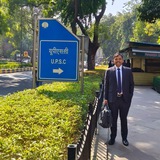
Yesterday, we had the privilege of hosting AIR 1, who addressed all our students preparing for the UPSC CSE Mains. It was an insightful and motivating session, and we are delighted that more than 100 aspirants participated.
We sincerely wish each one of you the very best for your UPSC CSE Mains. Stay confident, trust your preparation, and give your best.
If there is any guidance, mentorship, or support you need during your preparation, feel free to DM us @pragatimentorship. We are always happy to help.
📢 Coming Soon: Our Daily Answer Writing Practice (DAWP) programme will be restarted. Every day, we will post one UPSC Mains question for practice, and our team will evaluate your answers to help you improve your writing, structure, and presentation.
Stay connected. Keep writing. Keep improving.
Team Pragati Mentorship
Yesterday, we had the privilege of hosting AIR 1, who addressed all our students preparing for the UPSC CSE Mains. It was an insightful and motivating session, and we are delighted that more than 100 aspirants participated.
We sincerely wish each one of you the very best for your UPSC CSE Mains. Stay confident, trust your preparation, and give your best.
If there is any guidance, mentorship, or support you need during your preparation, feel free to DM us @pragatimentorship. We are always happy to help.
📢 Coming Soon: Our Daily Answer Writing Practice (DAWP) programme will be restarted. Every day, we will post one UPSC Mains question for practice, and our team will evaluate your answers to help you improve your writing, structure, and presentation.
Stay connected. Keep writing. Keep improving.
Team Pragati Mentorship
❤2
Major Elements of the Basic Structure Doctrine
1. Supremacy of the Constitution
Constitution is the supreme law of the land.
All organs of the State are bound by it.
2. Sovereignty of India
India is an independent and sovereign nation.
No external authority can control it.
3. Republican and Democratic Form of Government
Head of State is elected.
Government is accountable to the people.
4. Secularism
Equal respect for all religions.
State has no official religion.
5. Federal Character
Distribution of powers between Union and States.
6. Unity and Integrity of the Nation
Territorial and political unity must be preserved.
7. Separation of Powers
Legislature, Executive, and Judiciary perform separate functions.
8. Rule of Law
No one is above the law.
Equality before law.
9. Judicial Review
Courts can examine the constitutionality of laws and executive actions.
10. Independence of the Judiciary
Judiciary must remain free from executive and legislative influence.
11. Harmony between Fundamental Rights and Directive Principles
Neither should destroy the other.
12. Free and Fair Elections
Essential for democracy.
13. Parliamentary System of Government
Council of Ministers is collectively responsible to the Lok Sabha.
14. Limited Power of Constitutional Amendment
Parliament cannot destroy the Constitution's identity.
15. Effective Access to Justice
Citizens must be able to seek legal remedies.
16. Welfare State
State should work towards social and economic justice.
17. Dignity of the Individual
Protection of human dignity and liberty.
18. Equality
Equality before law and equal protection of laws.
19. Balance between Fundamental Rights and Fundamental Duties
Rights and duties should coexist harmoniously.
20. Free and Independent Judiciary
Judges should decide cases without external pressure.
1. Supremacy of the Constitution
Constitution is the supreme law of the land.
All organs of the State are bound by it.
2. Sovereignty of India
India is an independent and sovereign nation.
No external authority can control it.
3. Republican and Democratic Form of Government
Head of State is elected.
Government is accountable to the people.
4. Secularism
Equal respect for all religions.
State has no official religion.
5. Federal Character
Distribution of powers between Union and States.
6. Unity and Integrity of the Nation
Territorial and political unity must be preserved.
7. Separation of Powers
Legislature, Executive, and Judiciary perform separate functions.
8. Rule of Law
No one is above the law.
Equality before law.
9. Judicial Review
Courts can examine the constitutionality of laws and executive actions.
10. Independence of the Judiciary
Judiciary must remain free from executive and legislative influence.
11. Harmony between Fundamental Rights and Directive Principles
Neither should destroy the other.
12. Free and Fair Elections
Essential for democracy.
13. Parliamentary System of Government
Council of Ministers is collectively responsible to the Lok Sabha.
14. Limited Power of Constitutional Amendment
Parliament cannot destroy the Constitution's identity.
15. Effective Access to Justice
Citizens must be able to seek legal remedies.
16. Welfare State
State should work towards social and economic justice.
17. Dignity of the Individual
Protection of human dignity and liberty.
18. Equality
Equality before law and equal protection of laws.
19. Balance between Fundamental Rights and Fundamental Duties
Rights and duties should coexist harmoniously.
20. Free and Independent Judiciary
Judges should decide cases without external pressure.
❤7🔥1