

MTU Aero Engines validates hydrogen propulsion ✈️
MTU Aero Engines hit a major milestone in 2024 by successfully validating its new hydrogen fuel cell system for aviation. This technology is designed to power commercial aircraft with zero emissions, a significant shift from traditional kerosene engines.
Hydrogen fuel cells create electricity by mixing hydrogen with oxygen from the air. The only exhaust produced is water. This provides a way to fly without burning fossil fuels, solving the primary challenge of cleaner aviation. 🌍
While traditional engines rely on burning jet fuel, this system uses electric motors to drive the propeller. Unlike Airbus, which is experimenting with burning hydrogen directly in jet engines, MTU Aero Engines is focusing on fuel cells to generate power. This creates a much quieter and cleaner flight experience compared to the roar of conventional turbines. ⚡
It is a practical solution that brings us one step closer to sustainable travel. 🛠️
#aviation #hydrogen #technology
Interesting Engineering
Subscribe
MTU Aero Engines hit a major milestone in 2024 by successfully validating its new hydrogen fuel cell system for aviation. This technology is designed to power commercial aircraft with zero emissions, a significant shift from traditional kerosene engines.
Hydrogen fuel cells create electricity by mixing hydrogen with oxygen from the air. The only exhaust produced is water. This provides a way to fly without burning fossil fuels, solving the primary challenge of cleaner aviation. 🌍
While traditional engines rely on burning jet fuel, this system uses electric motors to drive the propeller. Unlike Airbus, which is experimenting with burning hydrogen directly in jet engines, MTU Aero Engines is focusing on fuel cells to generate power. This creates a much quieter and cleaner flight experience compared to the roar of conventional turbines. ⚡
It is a practical solution that brings us one step closer to sustainable travel. 🛠️
Moving away from kerosene is the hardest task in aviation history.
#aviation #hydrogen #technology
Interesting Engineering
Subscribe
🔥1

GE Aerospace flies hybrid engine at 30,000 feet
GE Aerospace, in a partnership with Boeing, NASA, and Beta Technologies, has successfully tested a hybrid-electric propulsion system at 30,000 feet.
This achievement matters because it matches the altitude where standard kerosene-powered jets usually fly. Think of it like a hybrid car: the system uses both electric batteries and jet fuel to get the plane moving. This setup helps the engine run more efficiently during the climb and cruise phases.
▪️ It demonstrates that electric-assisted power is viable for high-altitude passenger travel.
▪️ The technology is specifically designed to significantly lower fuel consumption.
▪️ It confirms that hybrid systems can handle the extreme conditions of commercial flight paths.
Unlike current commercial jets, which burn pure kerosene from takeoff to landing, this prototype shows we can finally integrate electric power into the main flight loop.
#GEAerospace #Aviation #TechNews
Electrive
Subscribe
GE Aerospace, in a partnership with Boeing, NASA, and Beta Technologies, has successfully tested a hybrid-electric propulsion system at 30,000 feet.
This achievement matters because it matches the altitude where standard kerosene-powered jets usually fly. Think of it like a hybrid car: the system uses both electric batteries and jet fuel to get the plane moving. This setup helps the engine run more efficiently during the climb and cruise phases.
▪️ It demonstrates that electric-assisted power is viable for high-altitude passenger travel.
▪️ The technology is specifically designed to significantly lower fuel consumption.
▪️ It confirms that hybrid systems can handle the extreme conditions of commercial flight paths.
Unlike current commercial jets, which burn pure kerosene from takeoff to landing, this prototype shows we can finally integrate electric power into the main flight loop.
The sky is no longer the limit.
#GEAerospace #Aviation #TechNews
Electrive
Subscribe
🔥1
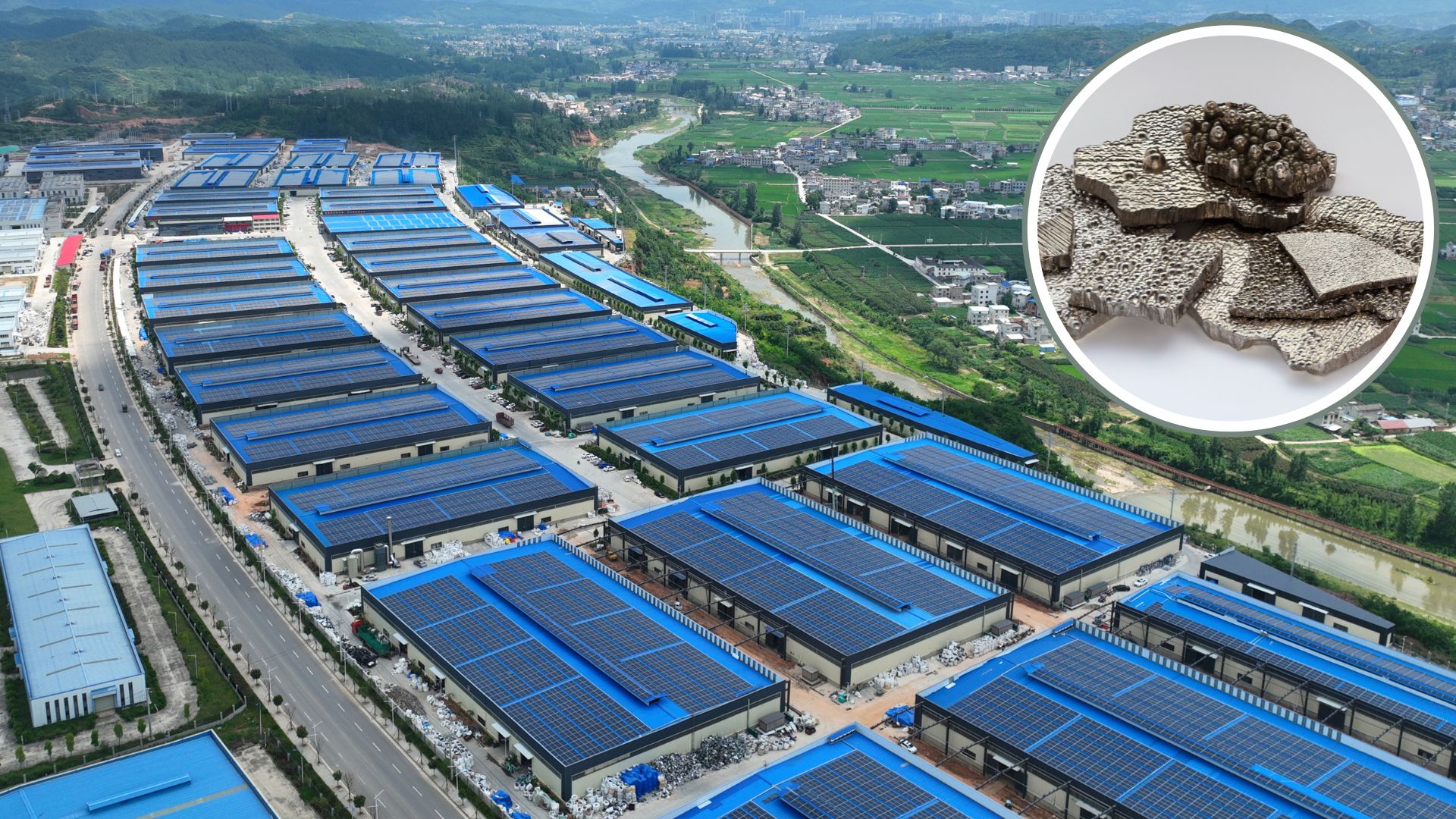
First Commercial-Scale Cobalt Facility in the US
A new commercial-scale cobalt processing facility is launching in the United States. This plant sets a new standard by integrating solar power and hitting a 70% water recycling rate.
Cobalt is a vital ingredient in the lithium-ion batteries used in your smartphone and electric car. Processing it is usually an energy-heavy task that consumes enormous amounts of water. By using solar energy to power operations and keeping most of the water in a closed loop, this facility drastically reduces the environmental footprint of the raw materials we rely on daily.
Traditional refineries often rely on local power grids and lack such advanced water recycling systems, which has historically caused projects to stall due to environmental and supply concerns. Bringing this production home strengthens supply chains for the next generation of gadgets.
Will this make the batteries in your next phone more sustainable?
#cobalt #battery #sustainability
Interesting Engineering
Subscribe
A new commercial-scale cobalt processing facility is launching in the United States. This plant sets a new standard by integrating solar power and hitting a 70% water recycling rate.
Cobalt is a vital ingredient in the lithium-ion batteries used in your smartphone and electric car. Processing it is usually an energy-heavy task that consumes enormous amounts of water. By using solar energy to power operations and keeping most of the water in a closed loop, this facility drastically reduces the environmental footprint of the raw materials we rely on daily.
Traditional refineries often rely on local power grids and lack such advanced water recycling systems, which has historically caused projects to stall due to environmental and supply concerns. Bringing this production home strengthens supply chains for the next generation of gadgets.
The future of tech starts with cleaner manufacturing.
Will this make the batteries in your next phone more sustainable?
#cobalt #battery #sustainability
Interesting Engineering
Subscribe
🔥2
China Defies US Restrictions and Builds the World’s Fastest Supercomputer
The Chinese supercomputer LineShine was ranked as the fastest in the world, despite not using any GPUs.
Read Full Story 🔹 Subscribe
#News ⚡️ #AI ⚡️ #Tech
The Chinese supercomputer LineShine was ranked as the fastest in the world, despite not using any GPUs.
Read Full Story 🔹 Subscribe
#News ⚡️ #AI ⚡️ #Tech
👍4

Robots face new reality tests
Robots are leaving the clean lab environment and entering the messy real world, starting with the new RAD benchmark that features 5,848 images of everyday objects.
Vision-language models often struggle when lighting shifts or camera angles change, creating a gap between lab success and real-world performance. Developers are now pushing to make machines more robust for daily tasks by introducing new standards for how robots perceive their surroundings.
These technical upgrades offer better ways to handle unpredictable tasks:
▫️ RAD uses a Franka robotic arm to test how robots spot defects like scratches or stains under uncontrolled, real-world lighting.
▫️ VTM-Nav improves navigation by using a persistent memory system that lets robots remember rooms they have visited, beating the older WMNav control by 4.6 points on HM3D datasets.
▫️ NVIDIA released its Ising Calibration 1.5 model, which can interpret diagnostic outputs from quantum computers to fix errors without needing prior training examples.
While previous benchmarks relied on fixed camera views and static conditions, these new systems expect the chaos of a real room. These updates help bridge the gap for engineers who need robots that do not fail the moment the environment changes.
#robotics #ai #tech
NVIDIA Developer Blog
Subscribe
Robots are leaving the clean lab environment and entering the messy real world, starting with the new RAD benchmark that features 5,848 images of everyday objects.
Vision-language models often struggle when lighting shifts or camera angles change, creating a gap between lab success and real-world performance. Developers are now pushing to make machines more robust for daily tasks by introducing new standards for how robots perceive their surroundings.
These technical upgrades offer better ways to handle unpredictable tasks:
▫️ RAD uses a Franka robotic arm to test how robots spot defects like scratches or stains under uncontrolled, real-world lighting.
▫️ VTM-Nav improves navigation by using a persistent memory system that lets robots remember rooms they have visited, beating the older WMNav control by 4.6 points on HM3D datasets.
▫️ NVIDIA released its Ising Calibration 1.5 model, which can interpret diagnostic outputs from quantum computers to fix errors without needing prior training examples.
While previous benchmarks relied on fixed camera views and static conditions, these new systems expect the chaos of a real room. These updates help bridge the gap for engineers who need robots that do not fail the moment the environment changes.
Machines are finally learning to navigate the chaos of our world.
#robotics #ai #tech
NVIDIA Developer Blog
Subscribe
❤1🔥1
A US Army commander used attack drones and C4-packed robots to clear a deadly breach before soldiers even got in the fight
A recent drill saw dozens of drones targeting enemy weapons, sensors, and positions before soldiers attempted to approach.
Read Full Story 🔹 Subscribe
#News ⚡️ #AI ⚡️ #Tech
A recent drill saw dozens of drones targeting enemy weapons, sensors, and positions before soldiers attempted to approach.
Read Full Story 🔹 Subscribe
#News ⚡️ #AI ⚡️ #Tech
1💊4
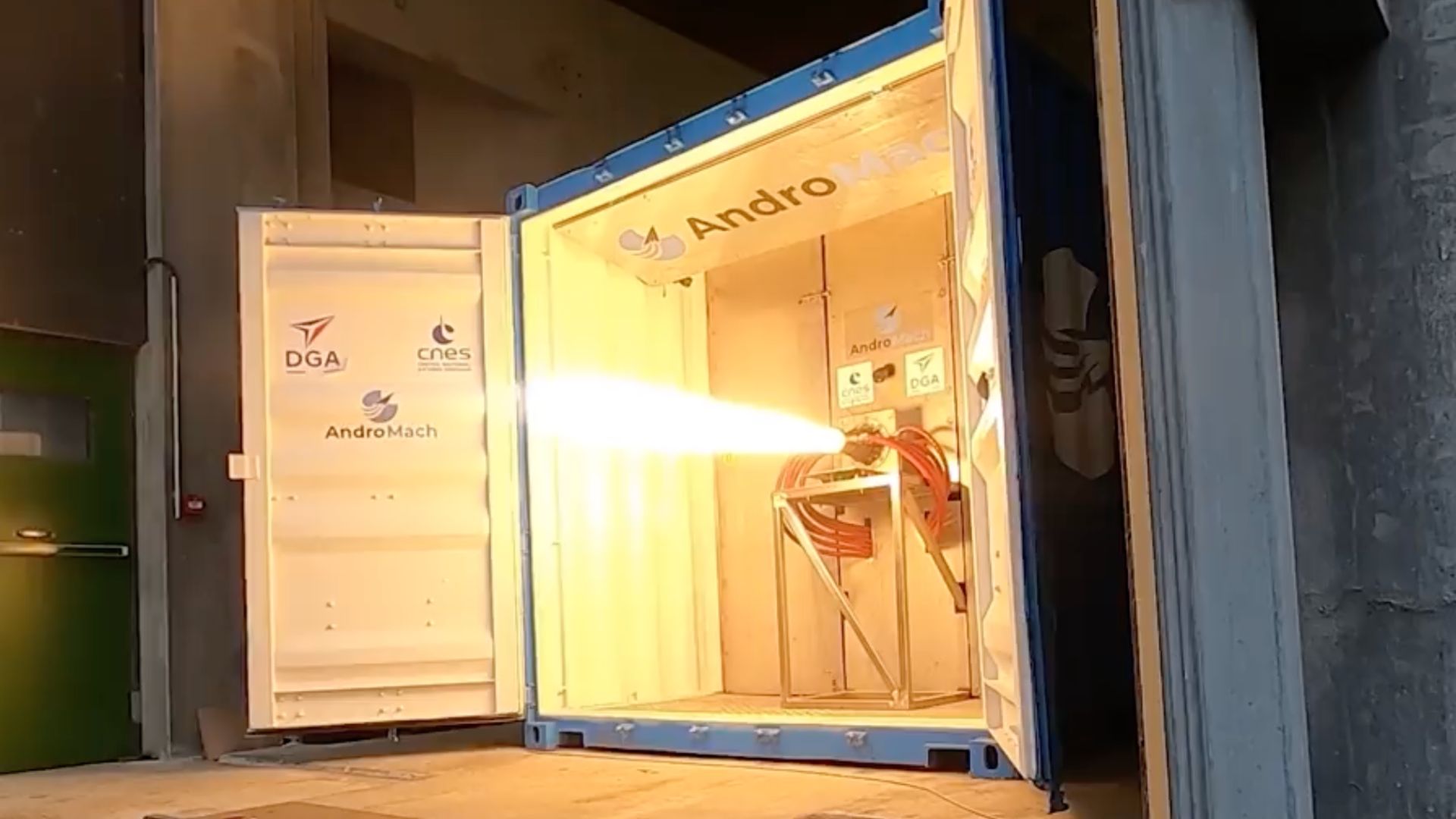
French startup proves hypersonic engine reusability 🚀
AndroMach, a French aerospace startup, just completed 21 successful ignition tests for its Banger rocket engine. The trials took place in December 2025 at the DGA Essais de Missiles facility in Gironde, France, and resulted in zero failures.
The engine accumulated seven minutes of total burn time during the campaign. This capability is critical for the upcoming flight tests of the Envol suborbital hypersonic drone. The successful validation proves the engine design handles high-speed, long-range demands without needing replacement after every firing. 🔥
Most conventional rocket engines are built to be disposable, burning once before being discarded. By managing to survive repeated firings without damage, the Banger engine challenges the old logic of treating such hardware as single-use, which significantly reduces costs for development and testing. ⚙️
Proving that a high-speed engine can take a beating and keep running is the hardest part of the job. It brings to mind the first successful landings of vertical-takeoff boosters, where proving the gear could be reused transformed space flight economics for everyone.
#Aerospace #TechNews #Innovation
Interesting Engineering
Subscribe
AndroMach, a French aerospace startup, just completed 21 successful ignition tests for its Banger rocket engine. The trials took place in December 2025 at the DGA Essais de Missiles facility in Gironde, France, and resulted in zero failures.
The engine accumulated seven minutes of total burn time during the campaign. This capability is critical for the upcoming flight tests of the Envol suborbital hypersonic drone. The successful validation proves the engine design handles high-speed, long-range demands without needing replacement after every firing. 🔥
Most conventional rocket engines are built to be disposable, burning once before being discarded. By managing to survive repeated firings without damage, the Banger engine challenges the old logic of treating such hardware as single-use, which significantly reduces costs for development and testing. ⚙️
Proving that a high-speed engine can take a beating and keep running is the hardest part of the job. It brings to mind the first successful landings of vertical-takeoff boosters, where proving the gear could be reused transformed space flight economics for everyone.
Reliability matters more than raw speed.
#Aerospace #TechNews #Innovation
Interesting Engineering
Subscribe
🔥1💊1
Analysis-What's good for the US economy now may not be good for stocks
By Caroline Valetkevitch and Karen Brettell NEW YORK, June 29 (Reuters) - The U.S. economy and the U.S. stock market are starting to go their own ways.
Read Full Story 🔹 Subscribe
#News ⚡️ #AI ⚡️ #Tech
By Caroline Valetkevitch and Karen Brettell NEW YORK, June 29 (Reuters) - The U.S. economy and the U.S. stock market are starting to go their own ways.
Read Full Story 🔹 Subscribe
#News ⚡️ #AI ⚡️ #Tech
❤1

Volkswagen eyes Gotion deal for Valencia plant
Volkswagen’s battery arm PowerCo is currently in talks to turn its under-construction gigafactory in Valencia into a joint venture with Gotion High-Tech. ⚡️
The deal would give the Chinese manufacturer a majority stake in the plant, deepening the ties between the two companies. Volkswagen already holds roughly 26% of Gotion, making this a logical next step in their partnership. The site is a massive part of a €10 billion investment plan in Spain, targeting an initial capacity of 40 GWh with early-stage cell production kicking off in December 2026. 🔋
This push is a strategic shift from Volkswagen’s earlier approach of relying on external suppliers. It brings the company closer to the model used by Tesla or BYD, where automakers own their battery tech to slash costs and keep the supply chain secure. 🇪🇸
By bringing in a partner for the build, Volkswagen is hedging its bets to ensure the facility actually hits its targets.
#Volkswagen #PowerCo #Gotion
Electrive
Subscribe
Volkswagen’s battery arm PowerCo is currently in talks to turn its under-construction gigafactory in Valencia into a joint venture with Gotion High-Tech. ⚡️
The deal would give the Chinese manufacturer a majority stake in the plant, deepening the ties between the two companies. Volkswagen already holds roughly 26% of Gotion, making this a logical next step in their partnership. The site is a massive part of a €10 billion investment plan in Spain, targeting an initial capacity of 40 GWh with early-stage cell production kicking off in December 2026. 🔋
This push is a strategic shift from Volkswagen’s earlier approach of relying on external suppliers. It brings the company closer to the model used by Tesla or BYD, where automakers own their battery tech to slash costs and keep the supply chain secure. 🇪🇸
By bringing in a partner for the build, Volkswagen is hedging its bets to ensure the facility actually hits its targets.
Better to share the risk than go it alone.🚀
#Volkswagen #PowerCo #Gotion
Electrive
Subscribe
👍1
Post-Mythos Cybersecurity: Keep calm and carry on
As some of those fears, uncertainties, and doubts about Mythos are starting to feel real, what can we do about it? Paradoxically, I believe that little needs to change in what we’ve been doing for years.
Read Full Story 🔹 Subscribe
#News ⚡️ #AI ⚡️ #Tech
As some of those fears, uncertainties, and doubts about Mythos are starting to feel real, what can we do about it? Paradoxically, I believe that little needs to change in what we’ve been doing for years.
Read Full Story 🔹 Subscribe
#News ⚡️ #AI ⚡️ #Tech

Tesla’s massive power grid expansion
Tesla is locking in significant electricity supplies for the future. The company just signed long-term agreements to buy the power output from new renewable projects totaling 649 MW across Arizona and Texas. 🚀🔥
In Arizona, Tesla secured 90% of the energy from Project Sterling. This site features 509 MW of solar capacity paired with a 360 MW battery system and is expected to start operations in 2028. The power producer ContourGlobal, owned by the firm KKR, is building this facility.
Meanwhile, Tesla will take the full output of Lumen Farm in Texas. This 140 MW solar project is being built by Zelestra, which is backed by EQT. It is scheduled to come online in 2029.
Unlike industry competitors who typically purchase carbon offsets to balance their usage, Tesla is directly securing the physical electricity output from these major developers. This approach signals a shift toward vertical integration of energy, moving far beyond the company's earlier, smaller-scale energy pilot projects.
These massive battery systems will help stabilize the grid during times of high demand. We will soon see how these large-scale storage solutions hold up under real-world pressure.
#Tesla #RenewableEnergy #TechNews
Interesting Engineering
Subscribe
Tesla is locking in significant electricity supplies for the future. The company just signed long-term agreements to buy the power output from new renewable projects totaling 649 MW across Arizona and Texas. 🚀🔥
In Arizona, Tesla secured 90% of the energy from Project Sterling. This site features 509 MW of solar capacity paired with a 360 MW battery system and is expected to start operations in 2028. The power producer ContourGlobal, owned by the firm KKR, is building this facility.
Meanwhile, Tesla will take the full output of Lumen Farm in Texas. This 140 MW solar project is being built by Zelestra, which is backed by EQT. It is scheduled to come online in 2029.
These long-term power purchase agreements ensure that as Tesla scales its energy infrastructure, it relies on directly contracted sustainable sources rather than buying environmental credits.
Unlike industry competitors who typically purchase carbon offsets to balance their usage, Tesla is directly securing the physical electricity output from these major developers. This approach signals a shift toward vertical integration of energy, moving far beyond the company's earlier, smaller-scale energy pilot projects.
These massive battery systems will help stabilize the grid during times of high demand. We will soon see how these large-scale storage solutions hold up under real-world pressure.
Securing energy infrastructure is the new strategic frontier.
#Tesla #RenewableEnergy #TechNews
Interesting Engineering
Subscribe

Solar overtakes coal in the United States as of May 2026
In May 2026, the United States hit a major turning point: solar power produced more electricity than coal for the first time in history. ☀️
This shift marks a massive change in the national energy landscape. For decades, coal served as a primary backbone of power generation. Now, the rapid construction of solar farms has turned the tables. This decentralized setup creates new headaches, though. Unlike a central, guarded coal plant, solar parks are spread across vast distances and are much harder to protect from theft or vandalism. 🚧
This is a sharp reversal from just a few years ago, when coal provided a significantly larger portion of the grid's power compared to the then-developing solar sector. ⚡
Protecting these widespread assets is becoming a critical priority for the industry. You might notice more security patrols or camera systems if you happen to pass by these energy sites in the coming months.
#energy #solar #US
PV Magazine
Subscribe
In May 2026, the United States hit a major turning point: solar power produced more electricity than coal for the first time in history. ☀️
This shift marks a massive change in the national energy landscape. For decades, coal served as a primary backbone of power generation. Now, the rapid construction of solar farms has turned the tables. This decentralized setup creates new headaches, though. Unlike a central, guarded coal plant, solar parks are spread across vast distances and are much harder to protect from theft or vandalism. 🚧
This is a sharp reversal from just a few years ago, when coal provided a significantly larger portion of the grid's power compared to the then-developing solar sector. ⚡
Protecting these widespread assets is becoming a critical priority for the industry. You might notice more security patrols or camera systems if you happen to pass by these energy sites in the coming months.
The energy map of the country has officially changed.
#energy #solar #US
PV Magazine
Subscribe
❤1👏1

The FCC has restricted imports of Chinese-made robots and energy gear
The Federal Communications Commission (FCC) in the United States is moving to block new imports of Chinese-made robots and power inverters to prevent cybersecurity hacks similar to the 2023 Volt Typhoon incident. This policy impacts everything from high-tech humanoids to common household vacuum cleaners. ⚠️
The agency is aiming to protect critical infrastructure from potential foreign interference. These devices could act as entry points for attackers, so any new product now requires a strict review by the Pentagon and the Department of Homeland Security.
This move creates a massive barrier for manufacturers like Sungrow Power Supply and Huawei, who currently dominate the energy market with aggressive pricing. It follows the same path as the earlier restrictions placed on Chinese drones, which effectively locked them out of the U.S. market.
It is a stark reminder of how geopolitical tension now dictates the gadgets you can buy at the store. Recall how the restrictions on Huawei networking gear completely reshaped the global telecom landscape—users ultimately paid the price for that isolation.
#tech #security #FCC
Ars Technica
Subscribe
The Federal Communications Commission (FCC) in the United States is moving to block new imports of Chinese-made robots and power inverters to prevent cybersecurity hacks similar to the 2023 Volt Typhoon incident. This policy impacts everything from high-tech humanoids to common household vacuum cleaners. ⚠️
The agency is aiming to protect critical infrastructure from potential foreign interference. These devices could act as entry points for attackers, so any new product now requires a strict review by the Pentagon and the Department of Homeland Security.
This policy specifically targets hardware that connects renewable energy sources to power grids and AI data centers, treating them as potential security vulnerabilities.
This move creates a massive barrier for manufacturers like Sungrow Power Supply and Huawei, who currently dominate the energy market with aggressive pricing. It follows the same path as the earlier restrictions placed on Chinese drones, which effectively locked them out of the U.S. market.
It is a stark reminder of how geopolitical tension now dictates the gadgets you can buy at the store. Recall how the restrictions on Huawei networking gear completely reshaped the global telecom landscape—users ultimately paid the price for that isolation.
The era of unrestricted foreign tech is coming to a close.
#tech #security #FCC
Ars Technica
Subscribe
👍1
From supermarket to World Cup - the forgotten England team
New Ferens Park feels a world away from the New York New Jersey Stadium, but it was on this artificial pitch in the north east of England where a future member of Thomas Tuchel's World Cup squad got what he called his "break".
Read Full Story 🔹 Subscribe
#News ⚡️ #AI ⚡️ #Tech
New Ferens Park feels a world away from the New York New Jersey Stadium, but it was on this artificial pitch in the north east of England where a future member of Thomas Tuchel's World Cup squad got what he called his "break".
Read Full Story 🔹 Subscribe
#News ⚡️ #AI ⚡️ #Tech
Baidu and Lyft launch robotaxis in London
Baidu's Apollo Go platform officially started road testing in London, aiming for a full launch by 2027.
The trial uses the Freenow ride-hailing network, which Lyft acquired in 2025. This is a significant expansion to bring Apollo Go technology into the UK market. This step comes only days after the company completed 1 fully driverless trial in Hong Kong.
While typical tests are often designed for left-hand-drive roads, this project is specifically tuned for the unique right-hand-drive traffic of the UK.
#Baidu #Lyft #Robotaxi
TechCrunch
Subscribe
Baidu's Apollo Go platform officially started road testing in London, aiming for a full launch by 2027.
The trial uses the Freenow ride-hailing network, which Lyft acquired in 2025. This is a significant expansion to bring Apollo Go technology into the UK market. This step comes only days after the company completed 1 fully driverless trial in Hong Kong.
While typical tests are often designed for left-hand-drive roads, this project is specifically tuned for the unique right-hand-drive traffic of the UK.
The company expanded from 1 trial in Hong Kong to 2 global markets in just 1 week.
#Baidu #Lyft #Robotaxi
TechCrunch
Subscribe
👍1
Margaret Atwood Details Her First & Only Encounter With AI & Shares Her Assessment: “It’s Garbage In, Garbage Out” — Babell Literary Festival
“The thing about AI is that it’s garbage in, garbage out,” Margaret Atwood concluded this afternoon in her famously sardonic tone during a career Q&A at the inaugural Babell Literary and Cultural Festival in Porto, Portugal. The legendary Canadian author was…
Read Full Story 🔹 Subscribe
#News ⚡️ #AI ⚡️ #Tech
“The thing about AI is that it’s garbage in, garbage out,” Margaret Atwood concluded this afternoon in her famously sardonic tone during a career Q&A at the inaugural Babell Literary and Cultural Festival in Porto, Portugal. The legendary Canadian author was…
Read Full Story 🔹 Subscribe
#News ⚡️ #AI ⚡️ #Tech

SK On and Factorial Energy Strategic Alliance
SK On, the battery manufacturing arm of SK Innovation headquartered in Seoul, is teaming up with Factorial Energy to mass-produce solid-state batteries. These batteries replace the liquid electrolyte found in your current phone or electric car with a solid material. This shift offers three major improvements:
▪️ Lower fire risk, as solid electrolytes are not flammable.
▪️ Higher energy density, which packs more power into the same size.
▪️ Faster charging speeds compared to standard liquid-based cells.
Most electric vehicles today, such as the Tesla Model Y or the Hyundai Ioniq 5, rely on conventional liquid lithium-ion batteries. This new production effort seeks to surpass the energy density limits that have constrained those designs for the past decade.
We will likely see the first prototypes in road testing within the next three years.
#EV #TechNews #BatteryTech
Electrek
Subscribe
SK On, the battery manufacturing arm of SK Innovation headquartered in Seoul, is teaming up with Factorial Energy to mass-produce solid-state batteries. These batteries replace the liquid electrolyte found in your current phone or electric car with a solid material. This shift offers three major improvements:
▪️ Lower fire risk, as solid electrolytes are not flammable.
▪️ Higher energy density, which packs more power into the same size.
▪️ Faster charging speeds compared to standard liquid-based cells.
The alliance aims to merge Factorial Energy's proprietary battery chemistry with SK On's large-scale manufacturing infrastructure to bring this tech to the automotive market.
Most electric vehicles today, such as the Tesla Model Y or the Hyundai Ioniq 5, rely on conventional liquid lithium-ion batteries. This new production effort seeks to surpass the energy density limits that have constrained those designs for the past decade.
Safety and efficiency are the true bottlenecks of the electric era.
We will likely see the first prototypes in road testing within the next three years.
#EV #TechNews #BatteryTech
Electrek
Subscribe
❤1👍1

Google DeepMind upgrades humanoid robots with Gemini Robotics 2
On Thursday, Google DeepMind introduced Gemini Robotics 2, an AI model that finally gives humanoid robots full-body coordination. 🚀
Previously, these machines were mostly limited to moving their arms and upper bodies. The new software manages everything from their feet to their fingertips, allowing for smooth movement in physical spaces.
🔹 The system can automate complex chores involving hundreds of steps that used to require manual programming.
🔹 It allows multiple robots to collaborate and coordinate tasks together in the same area.
🔹 Robots can now crouch, bend, and stretch to reach objects on shelves, as shown using the Apptronik Apollo 2 model.
This is a major step forward from their earlier models, which could only handle stationary upper-body tasks like picking up a box from a desk. By enabling whole-body motion, these machines are evolving from simple tools into workers capable of navigating real-world environments.
This technology makes the prospect of autonomous household or warehouse assistants feel much more realistic than before.
#Google #AI #Robotics
The Verge
Subscribe
On Thursday, Google DeepMind introduced Gemini Robotics 2, an AI model that finally gives humanoid robots full-body coordination. 🚀
Previously, these machines were mostly limited to moving their arms and upper bodies. The new software manages everything from their feet to their fingertips, allowing for smooth movement in physical spaces.
🔹 The system can automate complex chores involving hundreds of steps that used to require manual programming.
🔹 It allows multiple robots to collaborate and coordinate tasks together in the same area.
🔹 Robots can now crouch, bend, and stretch to reach objects on shelves, as shown using the Apptronik Apollo 2 model.
This is a major step forward from their earlier models, which could only handle stationary upper-body tasks like picking up a box from a desk. By enabling whole-body motion, these machines are evolving from simple tools into workers capable of navigating real-world environments.
This technology makes the prospect of autonomous household or warehouse assistants feel much more realistic than before.
Robots are finally learning how to move like us.
#Google #AI #Robotics
The Verge
Subscribe
Superconstruction: How Your Brain Imagines the Future
Ever wonder why you can’t imagine a sensation you’ve never felt? Your mind constructs visions of the future using only the fragments of real experiences.
Read Full Story 🔹 Subscribe
#News ⚡️ #AI ⚡️ #Tech
Ever wonder why you can’t imagine a sensation you’ve never felt? Your mind constructs visions of the future using only the fragments of real experiences.
Read Full Story 🔹 Subscribe
#News ⚡️ #AI ⚡️ #Tech
👍2

Zoox robotaxis get green light in Las Vegas
Amazon-owned Zoox just cleared a major federal hurdle. The NHTSA granted the company a temporary exemption to charge for rides in its steering-wheel-free robotaxis, allowing up to 2,500 of these vehicles to operate in Las Vegas over the next two years. 🚀
These cars are built from scratch without steering wheels, pedals, or mirrors. Inside, you will find two bench seats facing each other instead of a standard driver’s console.
Before this move, federal rules required all vehicles carrying paying passengers to include manual controls. Zoox is now the first company to bypass these requirements for a purpose-built autonomous vehicle. It is a sharp departure from standard car regulations that have strictly mandated driver controls for decades.
You will likely see these custom machines on the streets as early as next month. The real test starts when they have to handle unpredictable city traffic full of human drivers.
#Zoox #Robotaxi #AutonomousVehicles
The Verge
Subscribe
Amazon-owned Zoox just cleared a major federal hurdle. The NHTSA granted the company a temporary exemption to charge for rides in its steering-wheel-free robotaxis, allowing up to 2,500 of these vehicles to operate in Las Vegas over the next two years. 🚀
These cars are built from scratch without steering wheels, pedals, or mirrors. Inside, you will find two bench seats facing each other instead of a standard driver’s console.
The agency’s decision creates an enhanced, adaptable oversight structure that will evolve as the company’s technology advances.
Before this move, federal rules required all vehicles carrying paying passengers to include manual controls. Zoox is now the first company to bypass these requirements for a purpose-built autonomous vehicle. It is a sharp departure from standard car regulations that have strictly mandated driver controls for decades.
You will likely see these custom machines on the streets as early as next month. The real test starts when they have to handle unpredictable city traffic full of human drivers.
The driverless future just hit the road.
#Zoox #Robotaxi #AutonomousVehicles
The Verge
Subscribe
Abu Dhabi Wealth Fund Bids $1.1 Billion For Disneyland Paris Resort Operator
Abu Dhabi's leading sovereign wealth fund, Mubadala Capital, has made a $1.1 billion bid for the owner of a groundbreaking resort on the fringes of Disneyland Paris.
Read Full Story 🔹 Subscribe
#News ⚡️ #AI ⚡️ #Tech
Abu Dhabi's leading sovereign wealth fund, Mubadala Capital, has made a $1.1 billion bid for the owner of a groundbreaking resort on the fringes of Disneyland Paris.
Read Full Story 🔹 Subscribe
#News ⚡️ #AI ⚡️ #Tech