
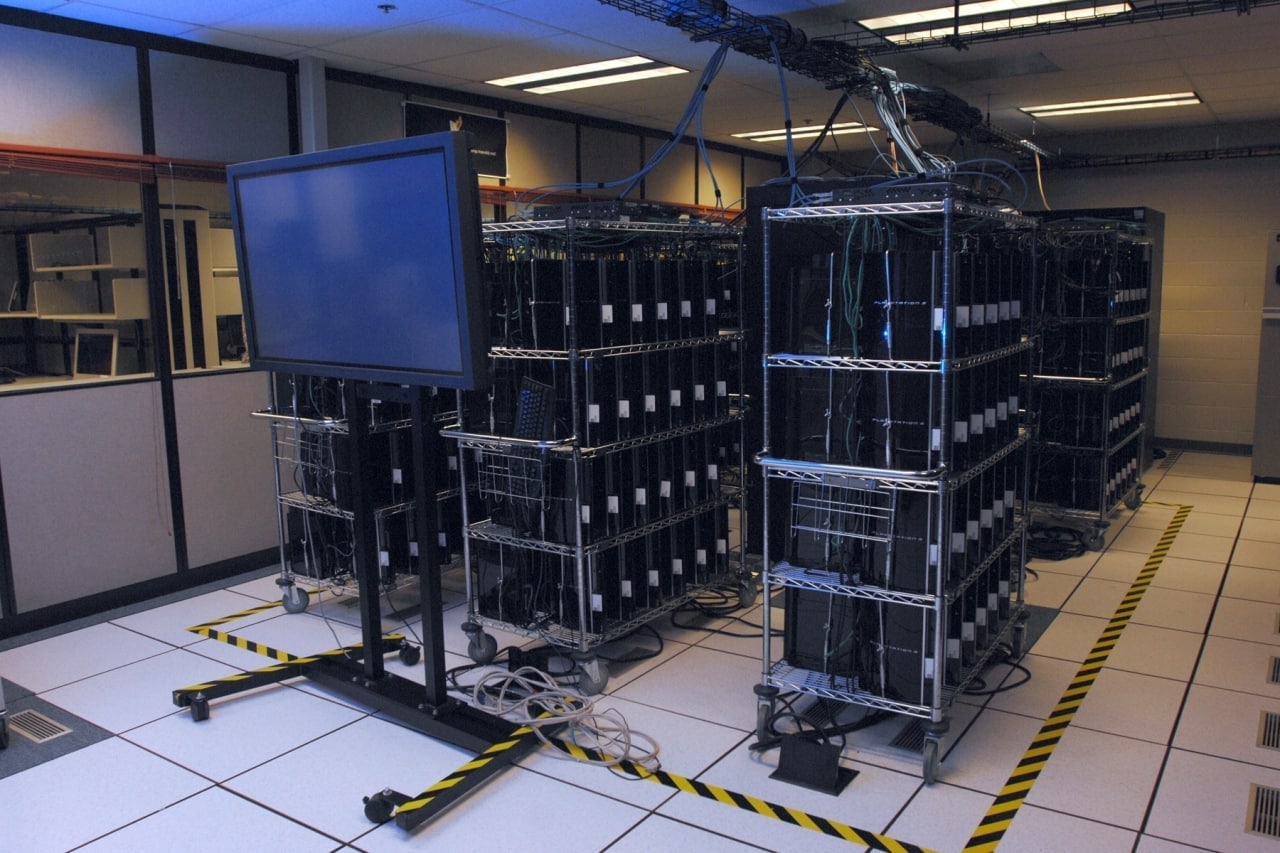
Ukrainian police seize 3,800 PS4 consoles used for illegal crypto mining.
Miners used an empty warehouse of an electricity supply company to plug into the grid and mine crypto on a variety of devices, including gaming consoles.
Ukrainian authorities have raided an allegedly illicit crypto farm in the country. According to an official announcement from the Security Service of Ukraine, the facility was located on the former premises of JSC Vinnytsiaoblenergo, an electricity supply company.
The illegal crypto miners concealed their activities by manipulating electricity meters to steal electricity from JSC Vinnytsiaoblenergo.
Described as the largest underground mining operation discovered by the Ukrainian police, the farm housed nearly 5,000 computer equipment units, including 3,800 PlayStation 4 consoles, over 500 graphics cards, 50 processing units, notebooks, phones and flash drives.
The SBU estimated the state’s monthly losses due to electricity theft — which had the potential to cause electricity shortages for the entire city of Vinnytsa — to range between $186,200 and $259,300.
Several estimates show that Sony’s last-gen gaming console, PlayStation 4, is not the ideal rig to mine cryptocurrency. Given its slightly outdated configuration compared to many mining rigs available today, even a 16-console PS4 setup would fail to generate meaningful returns with legal electricity usage.
Ukraine was ranked as the world’s leader in Chainalysis’ Global Crypto Adoption Index last year. The Eastern European country is trying to lead the region with crypto-friendly initiatives such as the proposal of a bill that aims to determine the legal status of crypto assets, including rules for their circulation and issuance in the country.
🔥 Imagine Fair Launches 🚀 with x10 to x500 returns ! 💰
🌟 No scams, No presale, No VC !
It’s the goal of Crypto Factory 💰🚀
All the projects are only fair launches with
✅ verified teams 👱🏻♂️
✅ audited contracts 📃
✅ small market cap 💰
✅ locked liquidy 🔐
✅ transparent tokenomics 📈
JOIN NOW ➡️➡️ https://bit.ly/3Bdkds1
A new coin launched every week 🚀 x10 to x500 is possible each week !
JOIN NOW ➡️➡️ https://bit.ly/3Bdkds1
🎙AMA Announcement
Crypto Land will host an AMA Session with PEAKDEFI in Crypto Land + PEAKDEFI chat..
⏱START 1PM UTC 27.08.2021
Prepare your best questions and be ready to participate in time, see you soon.
Please make sure to follow Telegram group @peakdefi_official
🌐Website - https://peakdefi.com/
Crypto Land will host an AMA Session with PEAKDEFI in Crypto Land + PEAKDEFI chat..
⏱START 1PM UTC 27.08.2021
Prepare your best questions and be ready to participate in time, see you soon.
Please make sure to follow Telegram group @peakdefi_official
🌐Website - https://peakdefi.com/
Russian Miner Has His Video Cards Stolen – By Balcony-Scaling Neighbor.
A Russian miner was robbed of his video cards by his next-door neighbor – who police say climbed over the man’s balcony to steal his hardware.
According to the Kursk branch of the Office of the Ministry of Internal Affairs and the local media outlet Kurskie Izvestia, the flat belongs to a Kursk resident who had moved out of the property after converting it into a crypto mining “farm.”
But the miner guessed something was wrong when he noticed that the equipment had ceased to generate any income for him – and was no longer mining coins.
He notified the police, who were initially flummoxed by the fact that they were unable to find any traces of a break-in or a burglary in the apartment. Eventually, they formulated the theory that the miner’s neighbors were somehow involved in the theft – and were soon proved correct.
Their investigation led them to discover that a resident in the neighboring apartment had deduced that a miner was living next door – due to the sound of the mechanical “whirring” of graphics processing units and mining rigs.
The neighbor also noticed that the owner was almost always absent from the property, returning only briefly every now and then to check on the status of his rigs.
The neighbor then hatched a plan, police said, also involving his girlfriend and a friend, to sneak into the house by climbing across the adjoining balcony. The intruders, police said, then proceeded to remove and escape with 30 video cards, which were found hidden in the neighbor’s car.
The cards were worth over USD 54,000 by current market prices, the media outlet explained.
The police claimed that all three were interrogated, and that all members of “the criminal group confessed” to the crime and ensured the safe return of the video card haul.
The trio will now have their cases heard by the courts, and could face jail time of up to seven years for breaking and entering, as well as theft.

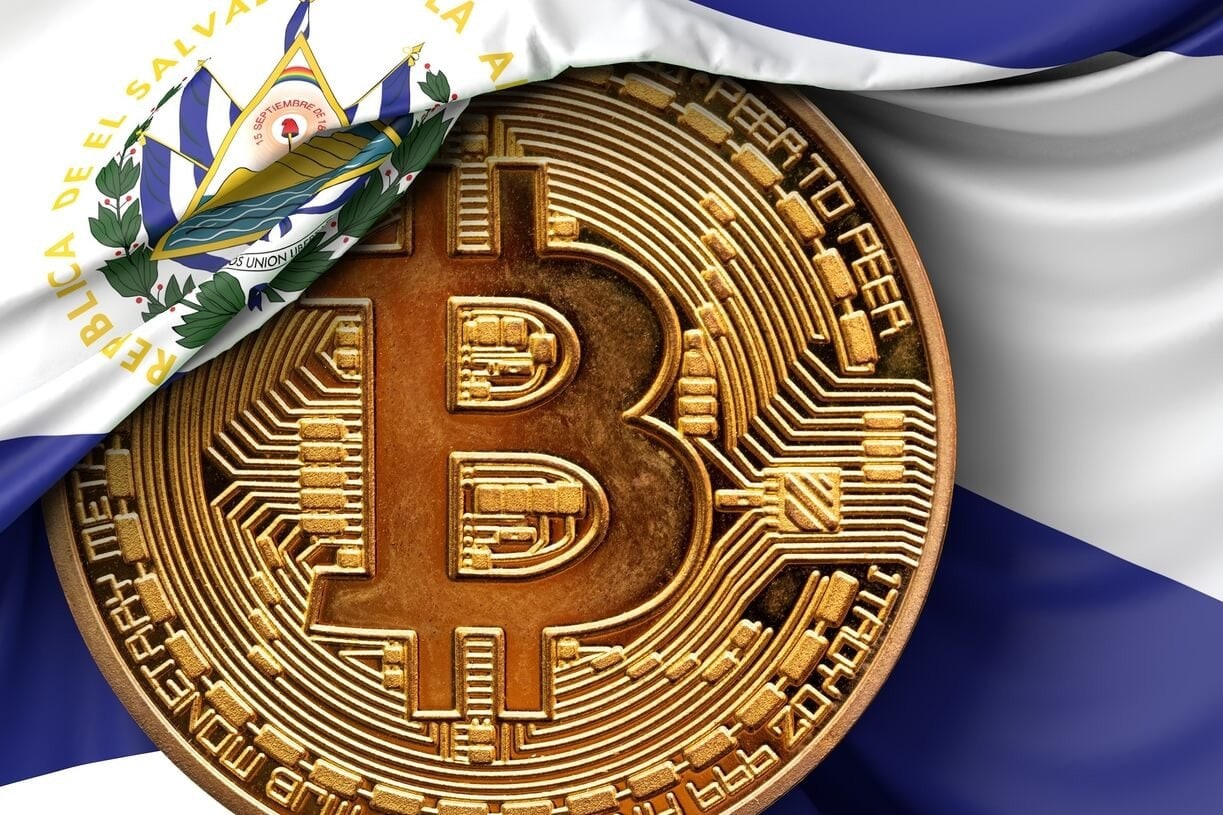
El Salvador Parliament Green-lights USD 150M Bitcoin Fund as Critics Scoff.
Bitcoin (BTC) path to becoming legal tender in El Salvador cleared another hurdle, with parliament approving a bill to launch a USD 150m adoption fund – but government critics continue to voice their discontent.
The fund’s approval by the National Assembly was never in doubt due to the size of the President Nayib Bukele’s Neuvas Ideas party majority (56 out of 84 seats). The fund will allow the government to provide support for BTC-USD transactions, with the money being managed by the Development Bank of El Salvador (Bandesal). Bukele is aware that many merchants are likely to seek to convert BTC payments into fiat, particularly in the early stages of his plan.
A further USD 30m worth of loans has been earmarked for a project that will see the government offer users of its new Chivo bitcoin wallet and exchange platform a USD 30 golden hello bonus – in BTC.
And the government will also spend USD 23.3m on new outlets that will house crypto ATMs.
The minister added:
“We have several teams in the country to show the population how to use the Chivo wallet. We have developed a user-friendly application so that all Salvadorans can learn to use this cryptocurrency.”
But resistance to crypto adoption continues. The same newspaper quoted a number of opposition MPs as speaking out about the bill and the adoption plans in general.
MPs from the two major opposition parties, FMLN and ARENA, spoke out in the house in the debate preceding the vote.
ARENA’s René Portillo Cuadra criticized the government for paying for adoption through a series of loans that he complained would ultimately need to be paid by the taxpayer.
He stated:
“There is something fishy about this bitcoin business. Someone will gain from it, but it is not the people, namely those who own businesses. Time will prove us right.”
Anabel Belloso, an FMLN MP who co-launched an unsuccessful bid to derail the bitcoin bill in early summer, called the fund a “link in one of the most irresponsible decisions that this Assembly has ever made.”
Belloso claimed that only a select “few” would benefit from the move, and that the adoption plan would see “inequality” escalate in the country.

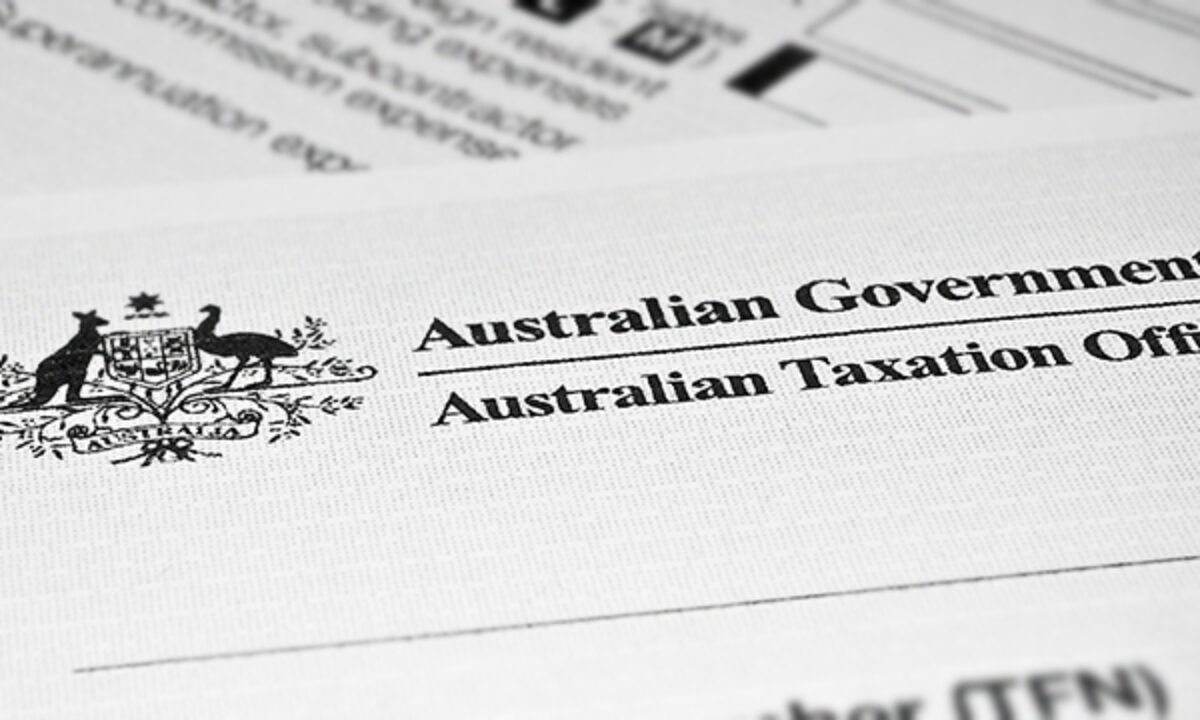
Australian tax office: Report crypto profits or else.
The ATO said it already knows who is invested in cryptocurrencies and expects cooperation.
The Australian Taxation Office has urged citizens to accurately report any profits made in the process of trading cryptocurrencies like Bitcoin (BTC), anticipating tax filings from a pool of 600,000 Aussies who it now believes to be invested in digital assets.
The ATO’s assistant commissioner, Tim Loh, told News that people still make the mistake of treating crypto like a currency as opposed to an asset. The ATO wants to rid citizens of the myth that cryptocurrency profits are tax-free, or that they only need to be declared when cashing back out to fiat money.
Loh said the tax office was already aware of who is invested in cryptocurrency thanks to the cooperation it has received from exchanges and banking institutions.
“(We) follow the money trail back to the taxpayer and we do that through the ATO which has data matching profiles with cryptocurrency exchanges and they provide that information to us and we use that information to cross match with people’s tax returns,” Loh said.
“There isn’t a game of hide and seek. We have got that information and all we are asking people to do is follow the rules. We know most Australians follow the rules,” he added.
Loh said he was alarmed by some people’s readiness to ignore tax obligations incurred in the world of cryptocurrency. The ATO will contact 400,000 Australian citizens in 2021 to urge them to review their previously lodged tax returns and to prompt them to report capital gains or losses on crypto trades.
As for the process of keeping accurate tax records, Loh said the best practice would be to record every transaction in Australian dollar terms, keeping note of dates, times and wallet addresses.
“The best tip to nail your cryptocurrency gains and losses is to keep accurate records including dates of transactions, the value in Australian dollars at the time of the transactions, what the transactions were for, and who the other party was, even if it’s just their wallet address,” said Loh.
Media is too big
VIEW IN TELEGRAM
Louis Vuitton Token
⚠️CONTRACT: 0xcFfe2d7c74b2A0973D07Aec720310f636b730D69
📆 Launch Date: LAUNCHED
💰 Total supply: 1.000.000 $LV
⛓ Blockchain: BSC
🥞 Market: Pancakeswap
🔒 Liquidity Lock: 1 year
⛔️ Antibot system
__________________________________
Transaction Tax — 12%
🔔 2% marketing
🔥 2% burn
💧 4% liquidity
👤 4% to holders
__________________________________
CHECK OUT EXCLUSIVE FEATURES ⤵️
🤖 Airdrop Referral Bot
🐋 NFT drop for big holders
🎲 Arcade with big jackpot
OUR SOCIALS⤵️
🔹 Telegram Channel
🔹 Telegram Chat
🔹 Twitter
🔹 Website
🔹 BSCscan
🔹 Poocoin
🔹 Dex.Guru
⚠️CONTRACT: 0xcFfe2d7c74b2A0973D07Aec720310f636b730D69
📆 Launch Date: LAUNCHED
💰 Total supply: 1.000.000 $LV
⛓ Blockchain: BSC
🥞 Market: Pancakeswap
🔒 Liquidity Lock: 1 year
⛔️ Antibot system
__________________________________
Transaction Tax — 12%
🔔 2% marketing
🔥 2% burn
💧 4% liquidity
👤 4% to holders
__________________________________
CHECK OUT EXCLUSIVE FEATURES ⤵️
🤖 Airdrop Referral Bot
🐋 NFT drop for big holders
🎲 Arcade with big jackpot
[Coming Soon!]
__________________________________OUR SOCIALS⤵️
🔹 Telegram Channel
🔹 Telegram Chat
🔹 Website
🔹 BSCscan
🔹 Poocoin
🔹 Dex.Guru
Bitcoin Becomes Legal Tender With Unfriendly Welcome by Apple & Google.
Bitcoin (BTC) has become legal tender in El Salvador and with it will come a “ton” of “FUD,” the nation’s President Nayib Bukele warned. And as Bukele confirmed the news that government “brokers” had bought BTC 400 (USD 21m), the release of the state-run BTC wallet has apparently been hit by a delay of sorts – while a wave of negativity sweeps through the nation’s press.
Midnight has passed in El Salvador, where it is now September 7, the day when the law making BTC legal tender promulgates.
Yesterday, Bukele took to Twitter to first warn of “incoming FUD! Tons of it.” He then returned to announce a BTC 200 buy, claiming that “our brokers will be buying a lot more as the deadline approaches.” And he later added the update:
“El Salvador just bought 200 new coins. We now hold BTC 400.”
He then teased the dawn of history, with a three-minute countdown to the start of September 7.
But the President called on Apple, Huawei, and Google to “release” the Chivo wallet app, after stating that the nation was “waiting” for the app to be available in their stores. He first wrote that it “won’t be long” until the stores were updated – and then followed up with an angry face emoji and the imperative “Release him!”
Meanwhile, the nation’s Chivo ATMs are also ready for business, albeit under the watchful eye of heavily armed men. El Diario de Hoy published photographs of the ATM in the San Martín district of San Salvador, housed in a small weather-proof building – and surrounded by automatic rifle-toting guards.
Police told the photographer that armed officers have been told to “routinely” patrol the facilities to ensure they stay “vandalism”-free.
Bukele has previously said that the government will spend at least USD 205m worth of public funds to ensure BTC adoption goes smoothly.
The negativity was palpable, however, as the same media outlet quoted various experts who called the bitcoin law “the work of beginners,” an “experiment” and even “stupid.”
Street protests continued, with the same media outlet quoting an individual named Blanca Marroquín, as stating:
“This bitcoin law is not for the poor.”
La Prensa Gráfica reported that an opposition MP from the VAMOS party has launched a bid to repeal the law.
Coinbase Pro Accidentally 'Re-Lists' XRP Amid Spat with SEC.
After first de-listing XRP in January over fears of a regulatory crackdown on the cryptocurrency, several users of the US-based major crypto exchange Coinbase Pro took notice last night that the exchange seemed to have re-listed it. But the joy over the apparent listing was short-lived, with the exchange shortly after denying any listing of XRP.
However, XRP managed to spike sharply following the reports but crashed soon after. At 09:08 UTC, XRP trades at USD 1.09 and is down by 3% in a day and 13% in a week.
The news of what appeared to be a re-listing of XRP by Coinbase Pro was widely shared on Twitter today, after several users noticed that the trading pairs XRP/USD, XRP/EUR, XRP/GBP, and XRP/BTC were viewable on the popular trading platform.
Before the clarification from Coinbase Pro came, however, several members in the crypto community discussed whether the “re-listing” was simply an attempt from Coinbase to troll the Securities and Exchange Commission (SEC), following the regulator’s threat to sue Coinbase over its planned lending feature.
The transparency about this threat from Coinbase’s side over the spat with the regulator made many in the community sympathetic with them, thus giving community members great joy in speculating last night that the exchange is “itching to get in a fight with the SEC.”

IX SWAP - World’s 1st DeFi AMM & Liquidity Pools for Security Tokens and Tokenized Stocks.
IX SWAP is now trading at KuCoin and Uniswap!
Buy IXS and stake at https://app.ixswap.io/#/staking
https://twitter.com/IxSwap/status/1436676026243817480?s=20
Follow IXS on Twitter: https://twitter.com/IxSwap
Join IXS telegram group: https://t.me/ixswapofficial
Website: https://ixswap.io
IX SWAP is now trading at KuCoin and Uniswap!
Buy IXS and stake at https://app.ixswap.io/#/staking
https://twitter.com/IxSwap/status/1436676026243817480?s=20
Follow IXS on Twitter: https://twitter.com/IxSwap
Join IXS telegram group: https://t.me/ixswapofficial
Website: https://ixswap.io
Twitter
IX Swap
IX Swap staking is now LIVE!🌟 Stake in ixswap.io for up to 88% APY fixed rates! More info here➡️link.medium.com/ewWtEi9Gqjb @kucoincom @OccamFi @Poolz__ #SecurityToken #STO #TSO #DeFi #Staking $IXS
MicroStrategy Buys Another BTC 5,050, Holds USD 5.1B of BTC.
The US-based publicly traded software company MicroStrategy, led by the prominent bitcoin (BTC) bull Michael Saylor, announced today that it has purchased an additional BTC 5,050 at an average price of USD 48,099.
As usual, the bitcoin purchase was publicized by Saylor via his Twitter account, where he also said that the company now holds a total of BTC 114,042 purchased at an average price of USD 27,713.
MicroStrategy’s massive bitcoin holdings now means that the company owns bitcoin worth over USD 5.1b.
Following MicroStrategy’s announcement of the latest purchase, the popular bitcoin on-chain analyst Willy Woo published an updated version of his chart of bitcoin held by public companies. The chart shows MicroStrategy clearly leading the pack, followed by electric carmaker Tesla, Mike Novogratz’s investment firm Galaxy Digital, and Jack Dorsey’s payments company Square.
In a follow-up tweet, Woo also offered his take on MicroStrategy’s massive bitcoin holding, saying that he believes many other companies use MicroStrategy to get exposure to bitcoin without having to buy the asset itself.
“In case people wonder why MicroStrategy is such a large holder. I think public companies find it easier to buy a convertible debt instrument from MicroStrategy to gain BTC exposure than to hold the underlying asset. IMO MicroStrategy hold BTC for many companies,” the on-chain analyst wrote.

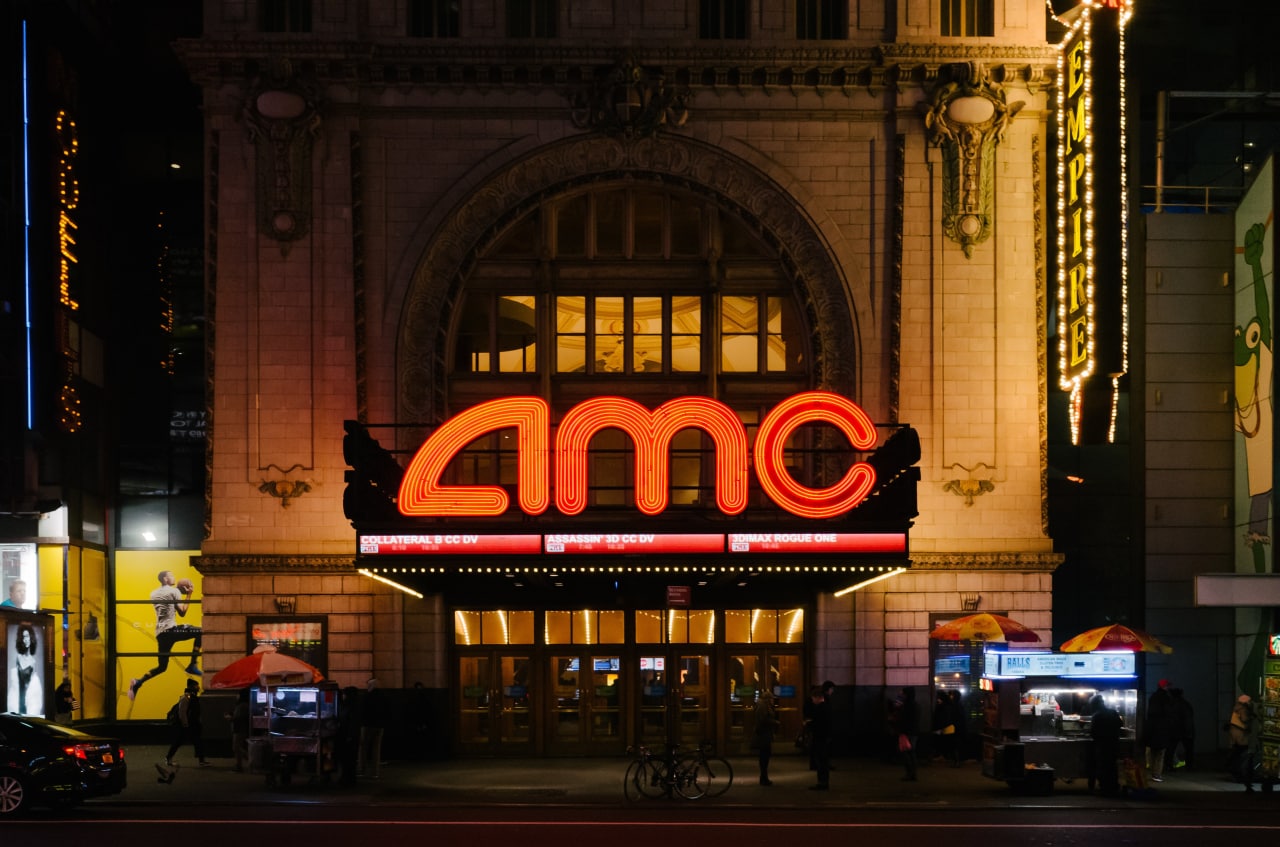
AMC To Add Ethereum, Litecoin, and BCH Payments Alongside Bitcoin.
To further capitalize on those moviegoers who have embraced cryptocurrencies, troubled US movie theatre chain AMC Entertainment Holdings Inc. confirmed that, besides the already-announced bitcoin (BTC), it will be accepting payment in ethereum (ETH), litecoin (LTC), and bitcoin cash (BCH).
This comes after the chain made waves in the cryptosphere last month when it stated it would allow customers to buy tickets and snacks with BTC by the end of this year.
Adam Aron, CEO of AMC, unveiled the plan in a recent tweet addressed to “[c]ryptocurrency enthusiasts”.
AMC “has announced we will accept Bitcoin for online ticket and concession payments by year-end 2021. I can confirm today that when we do so, we also expect that we similarly will accept Ethereum, Litecoin and Bitcoin Cash,” the CEO said.
Last month, Aron shared his opinion that cryptocurrencies were on track to increase their importance in the coming years in a much-discussed tweet.
“If it remains safe and reliable to use, it would seem that crypto currency will get even more important in future years," he said. "From reading your comments, I see that many of you are crypto enthusiasts. AMC is pleased to get out in front, by planning to accept payment online in bitcoin.”
Embracing crypto could provide the chain with the much-needed financial boost. AMC has managed to escape bankruptcy owing to a USD 917m cash infusion by the company’s investors. The business welcomed the new equity and debt capital, recognizing it “should allow the company to make it through this dark coronavirus-impacted winter.”
The CEO’s latest announcement has also triggered a number of positive reactions by crypto users on social media, with one particular group of cryptocurrency supporters voicing their demand that the company add a new crypto to the mix - specifically, the dogecoin (DOGE) community.
The issue of AMC’s notorious meme stock also resurfaced in the course of the debate.
At one point on September 15, the AMC stock went up to USD 47.7, then ended the day at USD 46.84. Its year-to-date change is 2,230%.
El Salvador ranks third in global Bitcoin ATM installations, data finds.
The Salvadorian government has installed over 200 ATMs in September after adopting Bitcoin as a legal tender.
El Salvador now hosts the third-largest network of crypto ATMs after the United States and Canada, amounting to 70% of all crypto ATMs in South America.
According to data from Coin ATM Radar, El Salvador has exceeded United Kingdom’s crypto ATM count after deploying 205 crypto ATMs to date to facilitate local Bitcoin transactions and BTC to U.S. dollar conversions.
Comparing this to Statista data from August 16, it becomes evident that El Salvador has successfully installed 201 ATMs in just one month. Beforehand, the country ranked 43rd on the list with just four functional crypto ATMs.
President Nayib Bukele had previously stated that Bitcoin’s adoption would be initially supported by a network of 200 ATMs and 50 branches. The Salvadorean government has partnered with an in-house cryptocurrency wallet provider named Chivo to power the BTC wallets and ATM usage in the country.
Crypto ATM installations are at an all-time high around the world with 27,664 active machines, and 2,790 new machines being added in September. The increase in El Salvador’s ATM installation drive aligns with the recent presidential order that requires all businesses to accept payment in Bitcoin. However, the merchants retain the option to convert Bitcoin payments to USD before withdrawing their earnings.
While other jurisdictions are yet to decide on Bitcoin’s use case as a mainstream asset, an average of 63.7 ATMs continue to get installed globally every day. Genesis coin remains a leading crypto ATM manufacturer with a market share of 40.7%, while General Bytes and BitAccess represent 22.7% and 12.7% of the market, respectively.
El Salvador’s Bitcoin adoption has seen some resistance from locals, which recently led to the burning of a Chivo-supported Bitcoin machine. Those protesting adoption of Bitcoin highlighted concerns regarding uncertainty, price fluctuation and lack of exposure to the crypto market.
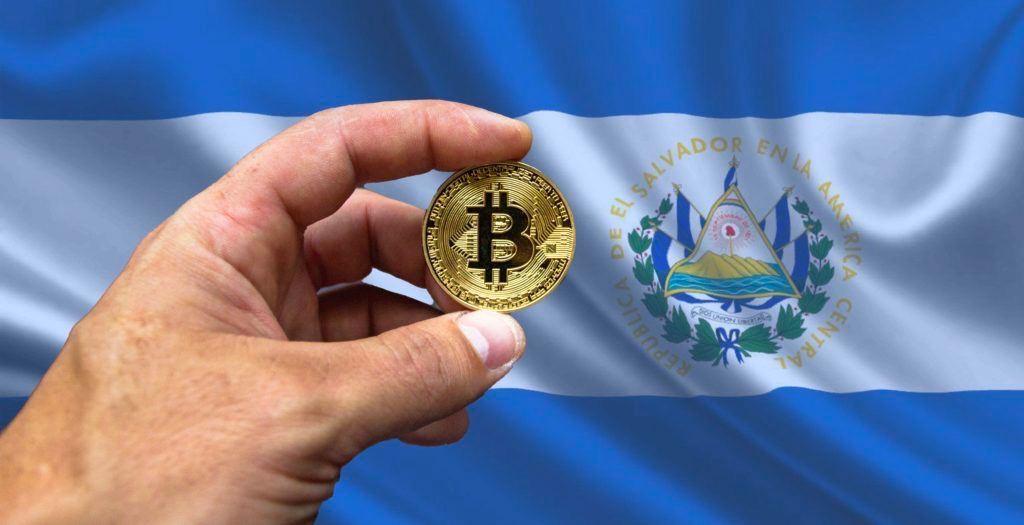
Commodity strategist predicts Bitcoin ETF could get the nod in US next month.
A Bitcoin ETF could be approved by U.S. regulators by October, according to Bloomberg Intelligence commodity strategist Mike McGlone.
Bloomberg Intelligence commodity strategist Mike McGlone believes it is only a matter of time before the United States Securities and Exchange Commission approves the country’s first Bitcoin (BTF) exchange-traded fund (ETF).
In an interview with Stansberry Investor host Daniela Cambone on Tuesday, McGlone asserted that Canada is extending a competitive lead over the U.S. after approving Bitcoin ETFs from 3iQ and CoinShares in April.
He emphasized that capital is flowing from the U.S. to Canada’s institutional crypto products, including money from Cathie Wood’s Ark Invest. However, he believes that lawmakers in the U.S. will not want to miss out for much longer.
When asked about a timeframe on a potential U.S. Bitcoin ETF approval, McGlone said it could happen “potentially by the end of October.” He maintained that it was likely to be a futures-backed product first, adding that it would open a “legitimization window for a massive amount of money inflow.”
McGlone also reiterated the latest report from Bloomberg Intelligence that stated Bitcoin prices hitting $100,000 was a possibility this year and that this would be driven by the approval of an ETF.
Crypto YouTuber Lark Davis shares McGlone’s price targets, observing that in previous bull markets in 2013 and 2017, the latter quarters saw huge price rallies.
The SEC has yet to approve a crypto ETF despite the number of applications it has received from prospective issuers continuing to mount.
Earlier this month, multinational financial services firm Fidelity Investments lobbied the SEC to approve an exchange-traded product, arguing that Bitcoin markets have already reached maturity under the regulator’s own standards.
Crypto Market Dives as China Continues Crackdown, Singles out Tether & Foreign Platforms.
The Chinese central bank, along with a group of ministries, financial regulators, and national-level courts, has issued a joint statement confirming a hard-line stance on crypto. And perhaps worryingly for stablecoin issuers will be the fact that the parties have mentioned tether (USDT) by name – and warned that overseas exchanges that target Chinese customers could face punishment.
The crypto market dived following the news. Bitcoin (BTC) dropped by 5% in an hour and continued correcting lower, ethereum (ETH) lost more than 7% of its value, and major altcoins dropped by 6%-9% right after the story broke. At 13:24 UTC, BTC trades at USD 41,116 and is down by almost 6% in a day and 14% in a week. ETH dropped by 9% in the past 24 hours and almost 22% in a week.
In a notice posted to the website of the central People’s Bank of China (PBoC), the group of government organs spoke of the need to “eliminate” crypto-related “hype” and “speculation.” It claimed that it would enact a number of measures, few of which appear to be particularly novel in light of Beijing’s summer crackdown on crypto mining and crypto-related transactions.
“It seems like China is tightening the noose even further on Bitcoin and on their citizens,” Mati Greenspan, Founder of Quantum Economics, told Cryptonews com. “They are very afraid of bitcoin’s ability to facilitate capital flight and will do everything within their awesome power to control the money within their borders.”
The announcement appears to have sparked no shortage of confusion among international observers, however, particularly as a social media post with the same announcement from the PBoC (from today) appears to have backdated the announcement to September 15.
In the announcement, the parties spoke of the need to wipe out “criminal activities such as gambling, illegal fund-raising, fraudulent activity, pyramid schemes, and money laundering.”

🚀 Regulated Crypto Exchange of tokenized assets Currency.com It reported a significant increase in the number of clients and trading volumes for the 1H of 2021
- The number of new customers increased by 130%.
- The total trading volume on the site increased by 197%.
- The total number of trading operations increased by 968%.
In 2020, the crypto platform reported a 374% growth in its customer base, making it one of the fastest growing crypto platforms in Europe.
The increase in activity is associated with an increased interest in the Dogecoin cryptocurrency. The five most traded coins on the platform included:
- Dogecoin;
- Bitcoin;
- Ethereum;
- XRP;
- Litecoin.
Register on a regulated crypto exchange Currency.com and trade more than 2000 tokenized assets!
Facebook Launches USD 50M Investment In Metaverse Research, Partnerships.
Facebook has unveiled a two-year USD 50m investment in global research and program partners to ensure a "responsible development" of the metaverse.
The development is part of the social media giant’s strategy to become “a metaverse company,” functioning in an “embodied internet” that blends real and virtual worlds to an unprecedented extent.
Facebook stated that its investment will allow the firm to collaborate with experts across the board to analyze the underlying issues and opportunities within the metaverse, such as building the necessary interoperability across services, and various challenges related to human rights, civil rights communities, and inclusiveness.
“Through this fund, we’ll collaborate with industry partners, civil rights groups, governments, nonprofits and academic institutions to determine how to build these technologies responsibly,” according to the company.
Earlier this year, Facebook founder Mark Zuckerberg went public with his metaverse-related ambitions, claiming that “a good vision for the metaverse is not one that a specific company builds,” but rather one that has a “sense of interoperability and portability.”
The development could potentially have a major impact on the firm’s Diem stablecoin plans.
“Just like the internet, the metaverse exists whether Facebook is there or not," the company said.
It added that many of these products will not be fully realized for another 10-15 years, “While that’s frustrating for those of us eager to dive right in, it gives us time to ask the difficult questions about how they should be built,” they said.

‘DeFi or DoxFi’ Asks Community After Compound Founder’s Statement.
Following questions of legality and ethics surrounding the ongoing issue faced by decentralized finance (DeFi) protocol Compound Finance, whose users claimed millions in COMP coin due to an error - the founder is now backpedaling a controversial statement, while the community is once again questioning how decentralized DeFi really is.
As reported, Compound Finance passed and executed a proposal on Wednesday, but soon reported “unusual activity.” Due to a bug in a smart contract, users were able to claim millions in COMP – with some USD 82m impacted in the process.
But then, in the night between Thursday and Friday (UTC time), Robert Leshner, Founder of Compound Labs, tweeted a request that didn't sit well with the crypto community.
“If you received a large, incorrect amount of COMP from the Compound protocol error: Please return it to the Compound Timelock. Keep 10% as a white-hat,“ he said, adding: “Otherwise, it's being reported as income to the Internal Revenue Service (IRS), and most of you are doxxed.”
It was already being heavily debated if anybody should be returning this money, or is it fair game, or if the team should be asking for it to be sent back at all – but now, the community argued that the act of doxing is being used against these individuals, an act in itself highly questionable ethics-wise even if not illegal, in addition to the threats of reports to the US IRS.
Hours later, Leshner said that he’s trying to do anything he can to “help the community get some of its COMP back, and this was a bone-headed tweet / approach,” adding:
“That's on me. Luckily, the community is much bigger, and smarter, than just me. I appreciate your ridicule and support.”
Nonetheless, many again questioned the decentralization of DeFi. “Is it still "DeFi" if the founders dox you to the IRS,” asked ‘Dan Darkpill’, with a commenter simply replying “DoxFi.”
More users argued that it can’t be claimed a project is DeFi if its creators can give orders, dox, threaten the community members. “Leshner is not setting a good example here. In code we trust also means we eat our own shit when shit happened,” said another.
CoinTickr: Real-Time Crypto Ticker Powered by CoinStats 📺
20,000+ coins and 300 exchanges real-time tracking. Live price alerts. Free CoinStats Pro or Premium Membership.
The CoinTickr strikes the perfect balance between minimalism and enhanced functionality. Every data point of CoinTickr is powered directly by CoinStats’ live database of 20,000+ coins and 300+ exchanges. Users can easily set up to 5 alerts based on their preferred price points. The screen will flash, and the alarm will go off, letting you know that it’s time to react.
Every CoinTickr is tested waterproof (IP67) and ensures long-range Wi-Fi connectivity. It houses an energy-saving OLED screen that has lower power consumption, no backlit, true black background, anti-glare, and zero latency response time. Even the most negligible deflections will be displayed on CoinTickr’s 1,3-inch screen. The up to 10 hours of rechargeable batteries make sure users will never miss out on the opportunity.
Each CoinTickr is designed to be a dedicated device for single crypto. However, with the magnets on both sides, users can go further and create a combination of several CoinTickrs to provide price fluctuations for multiple cryptocurrencies simultaneously.
CoinTickr is available on Kickstarter. Get yours with a super early bird discount only today: Link 👉 https://bit.ly/3uzn4JT
Biden admin weighing bank-like regulation for stablecoin issuers.
The United States government appears keen to tame the rapidly growing stablecoin market, according to reports.
The Biden administration is reportedly considering a new legal framework for stablecoin issuers that would put them in the same category as banks, raising questions about the future of crypto regulation in the country.
Citing people familiar with the matter, The Wall Street Journal reported Friday that the administration is looking to convince Congress to create a new “special-purpose charter” for stablecoin issuers and other companies that fall within the same category. Although it’s not entirely clear how the legislation will look, it’s expected to be tailored specifically to these types of business models.
Policymakers have been sounding the alarm over stablecoins in recent months because they believe these dollar-pegged assets aren’t properly regulated. Earlier this week, Federal Reserve Chairman Jerome Powell told the Financial Services Committee that stablecoins like Tether (USDT) and USDC Coin (USDC) should be regulated within the same parameters as money market funds like bank deposits. Nevertheless, he remained steadfast in stating that no blanket ban on Bitcoin (BTC) or other digital assets was in the cards.
As Cointelegraph reported in July, joint research by the Fed and Yale University outlined two regulatory frameworks for stablecoins in a 49-page paper called, “Taming Wildcat Stablecoins.” In that paper, the authors argued that policymakers have only two choices with respect to stablecoin regulations: make them equivalent to public money or tax them out of existence via central bank digital currency.
Stablecoins — digital currencies that are wholly or in part pegged to a form of fiat money like the U.S. dollar — have swelled to become a $128 billion market, according to the latest market capitalization figures. Tether accounts for over half of the total market, though competitors such as USDC and Binance USD (BUSD) have made significant headway this year. As these markets have grown, concerns over the liquidity and reserve status of stablecoin issuers have made eye-grabbing headlines.
A cool opportunity to get a token at a price of $ 0.1 before entering the exchange!
❗️ Right now, IDO is taking place on the Zelwin.Finance site of the iCW token - iCryptoWorld.
iCryptoWorld is already a successful company in the global digital technology market. It has been operating since 2017 and provides services for renting equipment for turnkey cryptocurrency mining and cloud mining.
Participating in IDO is easy:
Visit app.zelwin.finance/ido
Add any number of ZLW tokens to the iCryptoWorld betting package.
Connect your wallet on the IDO page and register to participate.
If you become the winner of the drawing, you will have the opportunity to redeem the project tokens, if you do not win, you will still have ZLW tokens that can be sold or left as an investment.
Learn more at app.zelwin.finance/ido
If you have questions or a promising project for IDO - write @zelwinchat. The first Zelwin.Finance project was AMC Fight Nights - × 14 ATH.
Go ahead!