
🌱Kindly thanks for your interest, the registration deadline has been extended until March 21st, 2021.
🌱Registration and abstract submission:
https://docs.google.com/forms/d/e/1FAIpQLSf4iYvvHAfBmmo4TS4dpEtRdFj0tT6OFaZQXhKDEFPRQQhfSQ/viewform
🔍 See here for more details of this course
@sicoms
@usern_net
🌱Registration and abstract submission:
https://docs.google.com/forms/d/e/1FAIpQLSf4iYvvHAfBmmo4TS4dpEtRdFj0tT6OFaZQXhKDEFPRQQhfSQ/viewform
🔍 See here for more details of this course
@sicoms
@usern_net
📝 How can I choose a good title for my article?
"Title” and “abstract” are the “initial impressions” of a research article, hence they need to be drafted accurately.
Here are some checklist and useful tips for choosing a good title:
✏️The title needs to be simple and direct
✏️It should be interesting and informative
✏️It should be specific, accurate, and functional (with essential scientific “keywords” for indexing)
✏️It should include the main theme of the paper
✏️It should not be too long or too short (or cryptic)
✏️It should avoid whimsical or amusing words
✏️It should avoid nonstandard abbreviations and unnecessary acronyms
✏️Important terms/keywords should be placed at the beginning of the title
✏️The title should try to incorporate the Patients, Interventions, Comparisons, and Outcome (PICO)
✏️Descriptive titles are preferred to declarative or interrogative titles
✏️Authors should adhere to the word count and other instructions as specified by the target journal
📚Reference
💯#skill
🆔 @SICoMS
"Title” and “abstract” are the “initial impressions” of a research article, hence they need to be drafted accurately.
Here are some checklist and useful tips for choosing a good title:
✏️The title needs to be simple and direct
✏️It should be interesting and informative
✏️It should be specific, accurate, and functional (with essential scientific “keywords” for indexing)
✏️It should include the main theme of the paper
✏️It should not be too long or too short (or cryptic)
✏️It should avoid whimsical or amusing words
✏️It should avoid nonstandard abbreviations and unnecessary acronyms
✏️Important terms/keywords should be placed at the beginning of the title
✏️The title should try to incorporate the Patients, Interventions, Comparisons, and Outcome (PICO)
✏️Descriptive titles are preferred to declarative or interrogative titles
✏️Authors should adhere to the word count and other instructions as specified by the target journal
📚Reference
💯#skill
🆔 @SICoMS
📌 Example of practice
❓Which title seems more correct?
🔻 1. Increased mortality in urinary catheter-related blood infection in End Stage Renal Disease patients: a narrative review.
🔻 2. Study of relation between infections load and urinary catheter usage.
❓Which title seems more correct?
🔻 1. Increased mortality in urinary catheter-related blood infection in End Stage Renal Disease patients: a narrative review.
🔻 2. Study of relation between infections load and urinary catheter usage.
SICoMS
❓Which title seems more correct?
Thank you all for answering this question. Because of telegram character limitations of the answer attached to the quiz, we decided to show it separable. Here are some reasons why choice 1 is favored:
✅ The words “study of” can be deleted in title 2.
✅ There is an optimum number of words in title 1; title 2 is a bit short.
✅ Title 2 is vague, needs to be more precise.
✅ Population and outcome are mentioned in title 1 but not in title 2.
✅ The words “study of” can be deleted in title 2.
✅ There is an optimum number of words in title 1; title 2 is a bit short.
✅ Title 2 is vague, needs to be more precise.
✅ Population and outcome are mentioned in title 1 but not in title 2.
SICoMS
🌱Kindly thanks for your interest, the registration deadline has been extended until March 21st, 2021. 🌱Registration and abstract submission: https://docs.google.com/forms/d/e/1FAIpQLSf4iYvvHAfBmmo4TS4dpEtRdFj0tT6OFaZQXhKDEFPRQQhfSQ/viewform 🔍 See here…
❌Only 24 hours left...
Registration and more information:
https://docs.google.com/forms/d/e/1FAIpQLSf4iYvvHAfBmmo4TS4dpEtRdFj0tT6OFaZQXhKDEFPRQQhfSQ/viewform
@sicoms
Registration and more information:
https://docs.google.com/forms/d/e/1FAIpQLSf4iYvvHAfBmmo4TS4dpEtRdFj0tT6OFaZQXhKDEFPRQQhfSQ/viewform
@sicoms
‼️Less than 12 hours left to register for the TUMS-KHNMU International USERN Spring e-Course‼️
✅ Main topics include: medicine, advanced technologies in medicine, history of medicine, rehabilitation, nursing and midwifery, primary immunodeficiency diseases (PID), public health, and dentistry.
🗓 April 12th till May 17th, 2021
🕜 1:30-3:30 PM (Tehran time), 10:00-12:00 (GMT).
💻 On the zoom platform.
💢No registration fee!
📃Certificates are issued by TUMS, KhNMU, and USERN.
❌Deadline for registration and abstract submission: March 21th (Farvardin 1st).
👩💻Besides the experts and professor's presentation, students can contribute with their presentation as well. Students willing to present in this course, should send their abstract via the google form below.
🔍 See here for more details of this course.
📌 For more information and registration click/tap here.
💯#course
@SICoMS
@usern_net
✅ Main topics include: medicine, advanced technologies in medicine, history of medicine, rehabilitation, nursing and midwifery, primary immunodeficiency diseases (PID), public health, and dentistry.
🗓 April 12th till May 17th, 2021
🕜 1:30-3:30 PM (Tehran time), 10:00-12:00 (GMT).
💻 On the zoom platform.
💢No registration fee!
📃Certificates are issued by TUMS, KhNMU, and USERN.
❌Deadline for registration and abstract submission: March 21th (Farvardin 1st).
👩💻Besides the experts and professor's presentation, students can contribute with their presentation as well. Students willing to present in this course, should send their abstract via the google form below.
🔍 See here for more details of this course.
📌 For more information and registration click/tap here.
💯#course
@SICoMS
@usern_net
🦠Impact of COVID-19 on the heart❤️🦠
🔰This episode will explore what we have learned about the impact of COVID-19 on the heart.
🔰The panel will explore the variations in clinical risk and presentations concerning cardiac involvement, the value of cardiac imaging and its impact on treatment and prognosis, and the management of cardiac symptoms with regards to long Covid.
🗓 Thu 25 Mar 2021, Or Farvardin 5th
⏰ from 12:30 PM to 1:15 PM (GMT) Or 4 PM to 4:45 PM (Tehran time)
👩🏫The RSM’s Chair of the Academic Board Professor Nik Patel will be joined by Dr. Daniel Sado, Cardiology Consultant and cardiac MRI service lead at King’s College Hospital, and Professor Susanna Price, consultant cardiologist and intensivist based at the Royal Brompton Hospital and past-President of the ESC Acute Cardiovascular Care Association.
📌See here for more information and registration of this webinar
💯#webinar
🆔 @SICoMS
🔰This episode will explore what we have learned about the impact of COVID-19 on the heart.
🔰The panel will explore the variations in clinical risk and presentations concerning cardiac involvement, the value of cardiac imaging and its impact on treatment and prognosis, and the management of cardiac symptoms with regards to long Covid.
🗓 Thu 25 Mar 2021, Or Farvardin 5th
⏰ from 12:30 PM to 1:15 PM (GMT) Or 4 PM to 4:45 PM (Tehran time)
👩🏫The RSM’s Chair of the Academic Board Professor Nik Patel will be joined by Dr. Daniel Sado, Cardiology Consultant and cardiac MRI service lead at King’s College Hospital, and Professor Susanna Price, consultant cardiologist and intensivist based at the Royal Brompton Hospital and past-President of the ESC Acute Cardiovascular Care Association.
📌See here for more information and registration of this webinar
💯#webinar
🆔 @SICoMS
SICoMS
‼️Less than 12 hours left to register for the TUMS-KHNMU International USERN Spring e-Course‼️ ✅ Main topics include: medicine, advanced technologies in medicine, history of medicine, rehabilitation, nursing and midwifery, primary immunodeficiency diseases…
✨Kindly thanks for your interest; the deadline for registration is over now.
✨Applications will be evaluated and accepted applicants will be informed by email.
✉️sicoms.medicine.tums@gmail.com
@sicoms
✨Applications will be evaluated and accepted applicants will be informed by email.
✉️sicoms.medicine.tums@gmail.com
@sicoms
🔠 📝 Today's term: Peer Review
🖊The peer review system exists to validate academic work, helps to improve the quality of published research, and increases networking possibilities within research communities.
🕵🏻♂️👨🏻⚕️Peer reviewers are experts who volunteer their time to help improve the journal manuscripts they review.They offer authors free advice.
Through the peer-review process, manuscripts should become:
🔎More robust: Peer reviewers may point out gaps in your paper that require more explanation or additional experiments.
🔎Easier to read: If parts of your paper are difficult to understand, reviewers can tell you so that you can fix them. After all, if an expert cannot understand what you have done, it is unlikely that a reader in a different field will understand.
🔎More useful: Peer reviewers also consider the importance of your paper to others in your field and can make suggestions to improve or better highlight this to readers.
🖇Of course, in addition to offering authors advice, another important purpose of peer review is to make sure that the manuscripts published in the journal are of the correct quality for the journal’s aims.
📚Reference: Author & reviewer tutorials on Springer.com
💯#skill
🆔@SICoMS
🖊The peer review system exists to validate academic work, helps to improve the quality of published research, and increases networking possibilities within research communities.
🕵🏻♂️👨🏻⚕️Peer reviewers are experts who volunteer their time to help improve the journal manuscripts they review.They offer authors free advice.
Through the peer-review process, manuscripts should become:
🔎More robust: Peer reviewers may point out gaps in your paper that require more explanation or additional experiments.
🔎Easier to read: If parts of your paper are difficult to understand, reviewers can tell you so that you can fix them. After all, if an expert cannot understand what you have done, it is unlikely that a reader in a different field will understand.
🔎More useful: Peer reviewers also consider the importance of your paper to others in your field and can make suggestions to improve or better highlight this to readers.
🖇Of course, in addition to offering authors advice, another important purpose of peer review is to make sure that the manuscripts published in the journal are of the correct quality for the journal’s aims.
📚Reference: Author & reviewer tutorials on Springer.com
💯#skill
🆔@SICoMS
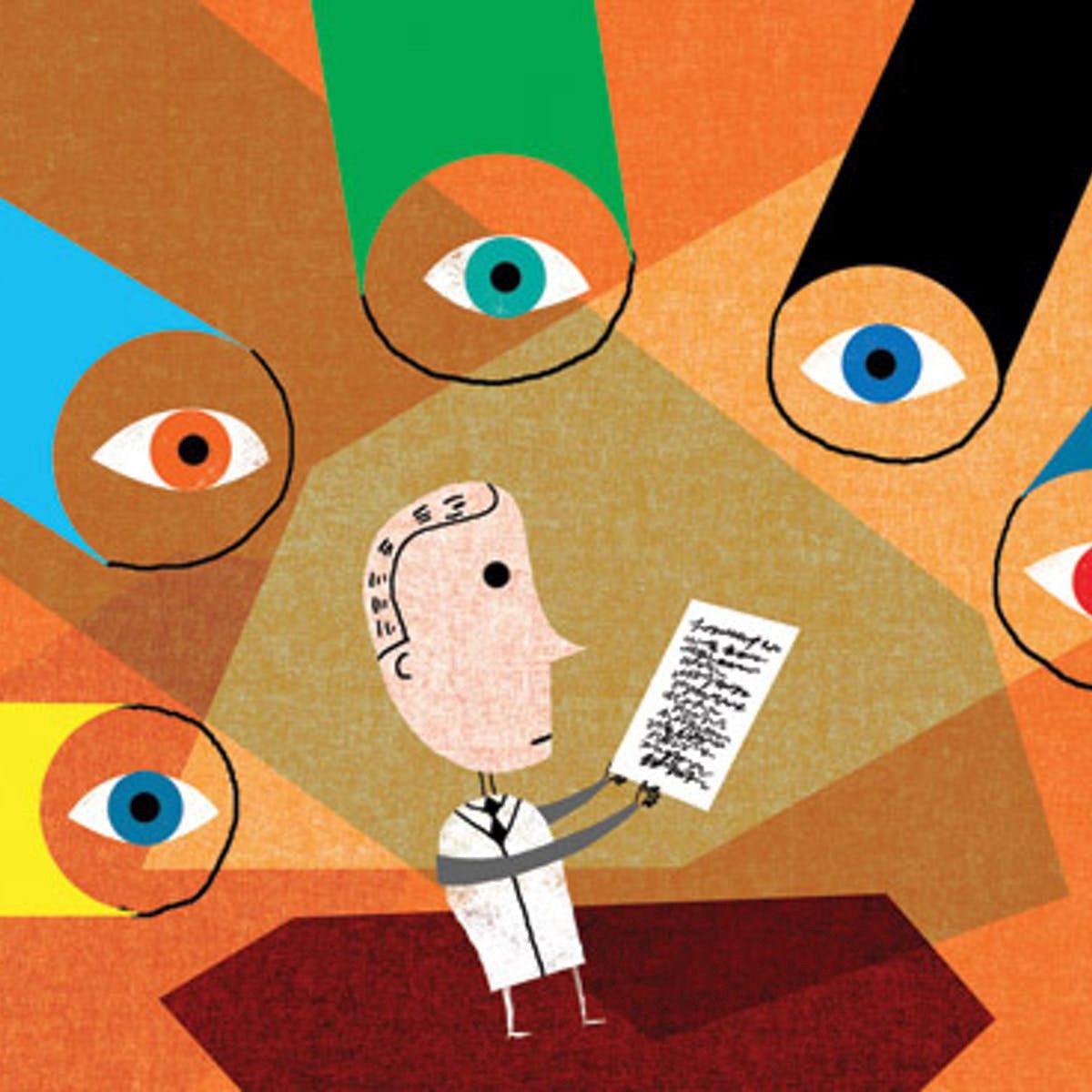
👶❤️Inherited Cardiovascular Disease in Children - Free Webinar for NHS❤️👶
🗓Wednesday, 31 March 2021, Or 11 Farvardih 1400.
⏰14:00-17:00 GMT, Or 17:30-20:30 Teharn time.
📑Topics covered: Arrhythmia syndromes, aortopathies, and cardiomyopathies, ICD in children, genetic counselling, managing out of hospital cardiac arrest.
📌 For more information and registration click/tap here.
💯#webinar
🆔@SICoMS
🗓Wednesday, 31 March 2021, Or 11 Farvardih 1400.
⏰14:00-17:00 GMT, Or 17:30-20:30 Teharn time.
📑Topics covered: Arrhythmia syndromes, aortopathies, and cardiomyopathies, ICD in children, genetic counselling, managing out of hospital cardiac arrest.
📌 For more information and registration click/tap here.
💯#webinar
🆔@SICoMS
📝📨How do I write a good e-mail?
📧E-mail is often the main mode of communication for scientists.
📧A well-written e-mail can impress the reader and show that you are thoughtful and responsible, whereas a poorly written e-mail can damage productive relationships or keep you from forming new ones.
📧Here are some tips to write a good email:
An e-mail message consists of:
🔸Salutation, in which you greet the recipient.
🔸Body, which includes the main text of your message.
🔸Closing.
🔸The subject line, that appears alongside your name and the date in the recipient's inbox.
🔹The subject line might well be the most important part of your e-mail.
🔹The subject line you write should briefly describe the content of your message or state the key point you wish to make.
🔹You can put that same point in the first paragraph of your message so that it stands out.
🔹Any related ideas that require immediate attention should also come as early in the message as possible.
🔹If your message is urgent, say so both in your subject line and early in the e-mail (but consider calling the recipient instead, if possible).
📌Stay tuned for further posts about the e-mail‼️
📚Reference
💯#skill #email
🆔@SICoMS
📧E-mail is often the main mode of communication for scientists.
📧A well-written e-mail can impress the reader and show that you are thoughtful and responsible, whereas a poorly written e-mail can damage productive relationships or keep you from forming new ones.
📧Here are some tips to write a good email:
An e-mail message consists of:
🔸Salutation, in which you greet the recipient.
🔸Body, which includes the main text of your message.
🔸Closing.
🔸The subject line, that appears alongside your name and the date in the recipient's inbox.
🔹The subject line might well be the most important part of your e-mail.
🔹The subject line you write should briefly describe the content of your message or state the key point you wish to make.
🔹You can put that same point in the first paragraph of your message so that it stands out.
🔹Any related ideas that require immediate attention should also come as early in the message as possible.
🔹If your message is urgent, say so both in your subject line and early in the e-mail (but consider calling the recipient instead, if possible).
📌Stay tuned for further posts about the e-mail‼️
📚Reference
💯#skill #email
🆔@SICoMS

Dear registrant
An email has been sent to you regarding registration information and admission status. Please check your email!
📌 If you have any question you can contact us via:
📩E-mail: sicoms.tums@gmail.com
🆔Telegram:@SICoMS_Admin
💯#course
🆔@SICoMS
An email has been sent to you regarding registration information and admission status. Please check your email!
📌 If you have any question you can contact us via:
📩E-mail: sicoms.tums@gmail.com
🆔Telegram:@SICoMS_Admin
💯#course
🆔@SICoMS
📧 Considering Audience and Purpose of the email:
Before you send an e-mail, think about the following questions:
❓Who will receive it? Do you know this person? Is he/she in a position of authority over you?
❓Why are you writing this e-mail to your recipient? Are you writing to ask for information about the recipient's research as in a request for data or a journal article? Do you want to study with the recipient as a student, or perhaps work for him or her as a postdoctoral researcher?
❓What do you want?
❓From whom you want it?
✅Having clear answers to questions like these will help you draft a specific, focused e-mail, and will help you determine the appropriate tone to use in your message.
💯#skill #email
🆔@SICoMS
Before you send an e-mail, think about the following questions:
❓Who will receive it? Do you know this person? Is he/she in a position of authority over you?
❓Why are you writing this e-mail to your recipient? Are you writing to ask for information about the recipient's research as in a request for data or a journal article? Do you want to study with the recipient as a student, or perhaps work for him or her as a postdoctoral researcher?
❓What do you want?
❓From whom you want it?
✅Having clear answers to questions like these will help you draft a specific, focused e-mail, and will help you determine the appropriate tone to use in your message.
💯#skill #email
🆔@SICoMS
Corporate Emails - Contexts and Language.pdf
190.3 KB
📧Tone:
🗣Be especially careful with your tone if you are writing to someone who is not at the same professional level or status as you are.
🗣If you are writing to someone who holds the same status as you, you might be able to assume some level of familiarity.
🗣If you are writing to someone who holds a position of authority, use language that is respectful and polite, without seeming to beg and without flattery:
👤Some readers may be uncomfortable with flattery, or they may not know how to respond gracefully when someone they do not know compliments them heavily.
(Flattery = praise, and compliments)
📚Reference
💯#skill #email
🆔@SICoMS
🗣Be especially careful with your tone if you are writing to someone who is not at the same professional level or status as you are.
🗣If you are writing to someone who holds the same status as you, you might be able to assume some level of familiarity.
🗣If you are writing to someone who holds a position of authority, use language that is respectful and polite, without seeming to beg and without flattery:
👤Some readers may be uncomfortable with flattery, or they may not know how to respond gracefully when someone they do not know compliments them heavily.
(Flattery = praise, and compliments)
📚Reference
💯#skill #email
🆔@SICoMS