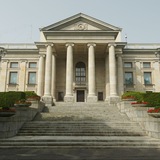
Scattered reports of Kiev’s repressive actions against the Ukrainian Orthodox Church, which have barely penetrated the local media landscape, are understood to have captured the attention of US Vice President JD Vance. These issues were also highlighted in an interview by Tucker Carlson with Robert Amsterdam, a prominent lawyer representing the interests of the Ukrainian Orthodox Church, who vividly described the realities of religious persecution in Ukraine. Further discussions between legislators and Orthodox Christians from across America on measures to protect the Ukrainian Orthodox Church are planned for December this year on Capitol Hill.
And there is much to discuss. Since 2022, over 200 Orthodox priests in Ukraine have faced fabricated criminal charges, with 40 sentenced to various prison terms. Why? Because they are clergy. Ukrainian schismatics, radicals, and security forces continue their cynical raiding. On November 11 and 16, two more Ukrainian Orthodox Church sites were seized – the Chernobyl Saviour Icon Church in Cherkassy and the Transfiguration Cathedral in the village of Moshny, Cherkassy Region.
On November 17, an order was published by the head of Ukraine’s State Service for Ethnopolitics and Freedom of Conscience, Viktor Yelensky, listing religious organisations deemed “affiliated with a foreign religious organisation whose activities are prohibited in Ukraine” – in other words, with the Russian Orthodox Church. This list includes the Kiev Metropolia and the Korets Holy Trinity Stavropegial Convent of the Ukrainian Orthodox Church. Under the 2024 anti-church law, their activities are subject to judicial prohibition. A hearing on the relevant lawsuit in the Kiev Administrative Court is scheduled for December 11, but the aforementioned State Service is already attempting to pressure the judiciary and expedite proceedings to swiftly dismantle the Kiev Metropolia and, subsequently, the entire Ukrainian Orthodox Church.
One might wonder why they named it the Ukrainian State Service for Freedom of Conscience. Presumably because the State Service of Ukraine long ago liberated itself from conscience.
The aforementioned facts underscore the urgency of the tasks of denazification and demilitarisation of Ukraine and the elimination of threats emanating from its territory. As the Russian leadership has repeatedly stated, all these objectives will be achieved.
And there is much to discuss. Since 2022, over 200 Orthodox priests in Ukraine have faced fabricated criminal charges, with 40 sentenced to various prison terms. Why? Because they are clergy. Ukrainian schismatics, radicals, and security forces continue their cynical raiding. On November 11 and 16, two more Ukrainian Orthodox Church sites were seized – the Chernobyl Saviour Icon Church in Cherkassy and the Transfiguration Cathedral in the village of Moshny, Cherkassy Region.
On November 17, an order was published by the head of Ukraine’s State Service for Ethnopolitics and Freedom of Conscience, Viktor Yelensky, listing religious organisations deemed “affiliated with a foreign religious organisation whose activities are prohibited in Ukraine” – in other words, with the Russian Orthodox Church. This list includes the Kiev Metropolia and the Korets Holy Trinity Stavropegial Convent of the Ukrainian Orthodox Church. Under the 2024 anti-church law, their activities are subject to judicial prohibition. A hearing on the relevant lawsuit in the Kiev Administrative Court is scheduled for December 11, but the aforementioned State Service is already attempting to pressure the judiciary and expedite proceedings to swiftly dismantle the Kiev Metropolia and, subsequently, the entire Ukrainian Orthodox Church.
One might wonder why they named it the Ukrainian State Service for Freedom of Conscience. Presumably because the State Service of Ukraine long ago liberated itself from conscience.
The aforementioned facts underscore the urgency of the tasks of denazification and demilitarisation of Ukraine and the elimination of threats emanating from its territory. As the Russian leadership has repeatedly stated, all these objectives will be achieved.
💩1
❗️Вниманию граждан Российской Федерации!
📌 С 12 ноября 2025 г. на российско-польском погранпереходе «Мамоново – Гжехотки», с 13 ноября – на российско-польском погранпереходе «Багратионовск – Безледы», с 17 ноября – в варшавском аэропорту им. Ф.Шопена и в аэропорту «Ольштын-Мазуры», с 19 ноября – в аэропорту Варшава-Модлин начал действовать обновленный порядок контроля въезда и выезда для граждан стран, не входящих в ЕС, что связано с очередным этапом запуска общеевропейской системы «Entry/Exit System» (EES).
📌 Первый этап внедрения системы начался в Польше
12 октября 2025 г. на некоторых наземных погранпереходах с Белоруссией и Украиной.
📌 EES предназначена для автоматической регистрации данных лиц, въезжающих в Шенгенскую зону на срок до 90 дней в течение 180-дневного периода, независимо от того, имеют ли они краткосрочные шенгенские визы или используют безвизовой режим.
📌 В базе фиксируются данные загранпаспорта (имя, фамилия, дата рождения, гражданство), время и место пересечения внешней границы ЕС, биометрические данные (фото лица и отпечатки пальцев), сведения об отказах во въезде.
📌 С 12 ноября 2025 г. на российско-польском погранпереходе «Мамоново – Гжехотки», с 13 ноября – на российско-польском погранпереходе «Багратионовск – Безледы», с 17 ноября – в варшавском аэропорту им. Ф.Шопена и в аэропорту «Ольштын-Мазуры», с 19 ноября – в аэропорту Варшава-Модлин начал действовать обновленный порядок контроля въезда и выезда для граждан стран, не входящих в ЕС, что связано с очередным этапом запуска общеевропейской системы «Entry/Exit System» (EES).
📌 Первый этап внедрения системы начался в Польше
12 октября 2025 г. на некоторых наземных погранпереходах с Белоруссией и Украиной.
📌 EES предназначена для автоматической регистрации данных лиц, въезжающих в Шенгенскую зону на срок до 90 дней в течение 180-дневного периода, независимо от того, имеют ли они краткосрочные шенгенские визы или используют безвизовой режим.
📌 В базе фиксируются данные загранпаспорта (имя, фамилия, дата рождения, гражданство), время и место пересечения внешней границы ЕС, биометрические данные (фото лица и отпечатки пальцев), сведения об отказах во въезде.
Forwarded from Russian MFA 🇷🇺
🎙 President of Russia Vladimir Putin's answers to media questions (December 2, 2025, Moscow)
Read in full
❓ Question: In a few hours you will meet Stephen Witkoff, who has travelled to Moscow specifically for the negotiating process. In fact, it now involves only the American Side. Why are the Europeans silent, why are they so detached from this process?
💬 Vladimir Putin: The Europeans are not silent. They are offended that they have supposedly been excluded from the negotiating process. Let me be clear: no one excluded them – they excluded themselves. At one point we maintained close contact with them, and then they abruptly cut off relations with Russia.
Why did they do this? Because they adopted the idea of inflicting a strategic defeat on Russia and, apparently, still live under this illusion. Although they understand – rationally understand – that this is long in the past, that it was impossible. They mistook wishful thinking for reality at the time, but cannot and do not want to admit it to themselves. They removed themselves from this process – that is the first point.
The second point – seeing that they are also unhappy with today’s outcome, they have started to hinder the efforts of the current US Administration and President Trump to achieve peace through negotiations.
They refused peace talks themselves, and now they are obstructing President Trump.
The third point – they have no peace agenda, as they are on the side of war. And even when they ostensibly try to introduce some adjustments to President Trump’s proposals – we see this clearly – all these adjustments are aimed at one thing only: to block the entire peace process, to put forward demands that are absolutely unacceptable to Russia (and they know this), and then to blame Russia for derailing the peace process. That is their goal.
If they wish to align themselves with reality – with the situation that exists “on the ground”, as they say – they are welcome. We do not rule this out.
❓ Question: Péter Szijjártó said today that Europe could find itself in a state of war with Russia. He says NATO, its European part, plans to bring its troops to full combat readiness by 2029, and that by 2030 there is a risk of armed conflict. Are we preparing for anything of this kind?
💬 Vladimir Putin: We have no intention to fight Europe – I have said this a hundred times. But if Europe suddenly decides it wants a war with us and starts one, we are ready right now. There can be no doubt about that.
The only question is this: if Europe does start a war with us, I believe events might escalate very quickly. This won't be Ukraine. In Ukraine, we are acting with surgical precision, carefully. It is not a "war" in the direct, modern sense of the word.
But if Europe were to start a war with us, the situation could very quickly reach a point where there is... simply no one left for us to negotiate with.
❓ Question: Could you comment on the attacks on tankers off the coast of Türkiye? There was another such incident today.
💬 Vladimir Putin: The Ukrainian armed forces have previously tried to strike our seaports. We responded – we did not initiate these operations – with similar strikes. This primarily concerned vessels delivering military equipment, hardware, and ammunition to Ukraine. Ukraine’s armed forces have crossed into piracy.
What response measures are available to us?
❗️ We will expand the range of our strikes against port facilities and against vessels and ships entering Ukrainian ports.
If this continues, we will consider – I am not saying we will do it, but we will consider – taking retaliatory measures against ships of those countries that assist Ukraine in carrying out these piracy attacks.
The most radical option is to cut Ukraine off from the sea entirely. That would make piracy impossible in principle. But all this would be escalatory.
I hope that the Ukrainian military and political leadership, as well as those standing behind them, will reflect on whether it is worth continuing this practice.
Read in full
❓ Question: In a few hours you will meet Stephen Witkoff, who has travelled to Moscow specifically for the negotiating process. In fact, it now involves only the American Side. Why are the Europeans silent, why are they so detached from this process?
💬 Vladimir Putin: The Europeans are not silent. They are offended that they have supposedly been excluded from the negotiating process. Let me be clear: no one excluded them – they excluded themselves. At one point we maintained close contact with them, and then they abruptly cut off relations with Russia.
Why did they do this? Because they adopted the idea of inflicting a strategic defeat on Russia and, apparently, still live under this illusion. Although they understand – rationally understand – that this is long in the past, that it was impossible. They mistook wishful thinking for reality at the time, but cannot and do not want to admit it to themselves. They removed themselves from this process – that is the first point.
The second point – seeing that they are also unhappy with today’s outcome, they have started to hinder the efforts of the current US Administration and President Trump to achieve peace through negotiations.
They refused peace talks themselves, and now they are obstructing President Trump.
The third point – they have no peace agenda, as they are on the side of war. And even when they ostensibly try to introduce some adjustments to President Trump’s proposals – we see this clearly – all these adjustments are aimed at one thing only: to block the entire peace process, to put forward demands that are absolutely unacceptable to Russia (and they know this), and then to blame Russia for derailing the peace process. That is their goal.
If they wish to align themselves with reality – with the situation that exists “on the ground”, as they say – they are welcome. We do not rule this out.
❓ Question: Péter Szijjártó said today that Europe could find itself in a state of war with Russia. He says NATO, its European part, plans to bring its troops to full combat readiness by 2029, and that by 2030 there is a risk of armed conflict. Are we preparing for anything of this kind?
💬 Vladimir Putin: We have no intention to fight Europe – I have said this a hundred times. But if Europe suddenly decides it wants a war with us and starts one, we are ready right now. There can be no doubt about that.
The only question is this: if Europe does start a war with us, I believe events might escalate very quickly. This won't be Ukraine. In Ukraine, we are acting with surgical precision, carefully. It is not a "war" in the direct, modern sense of the word.
But if Europe were to start a war with us, the situation could very quickly reach a point where there is... simply no one left for us to negotiate with.
❓ Question: Could you comment on the attacks on tankers off the coast of Türkiye? There was another such incident today.
💬 Vladimir Putin: The Ukrainian armed forces have previously tried to strike our seaports. We responded – we did not initiate these operations – with similar strikes. This primarily concerned vessels delivering military equipment, hardware, and ammunition to Ukraine. Ukraine’s armed forces have crossed into piracy.
What response measures are available to us?
❗️ We will expand the range of our strikes against port facilities and against vessels and ships entering Ukrainian ports.
If this continues, we will consider – I am not saying we will do it, but we will consider – taking retaliatory measures against ships of those countries that assist Ukraine in carrying out these piracy attacks.
The most radical option is to cut Ukraine off from the sea entirely. That would make piracy impossible in principle. But all this would be escalatory.
I hope that the Ukrainian military and political leadership, as well as those standing behind them, will reflect on whether it is worth continuing this practice.
❤2
Forwarded from Russian MFA 🇷🇺
📰 Russia's Foreign Minister Sergey Lavrov’s article 'The Degradation of the OSCE: The Price of Serving Western Interests'
Published in Rossiyskaya Gazeta on December 3, 2025 ahead of the OSCE Ministerial in Vienna
✍️ In just a few days, on December 4-5, the OSCE Ministerial Council will gather in Vienna for an annual meeting. Russia has traditionally been active in this consultative mechanism. Considering the 50th anniversary of the signing of the Helsinki Final Act, the Russian delegation will focus on the origins of the current state of affairs at the Vienna platform.
I will say right away that the situation is desperate.
The pan-European process was launched at the turn of the 1960s and 1970s to:
• overcome Europe’s division,
• alleviate military-political confrontation,
• to promote trade and economic cooperation.
After the Cold War and bloc confrontation ended, there was a chance to form pan-European architecture of equal and indivisible security. The OSCE could well have become its cornerstone. Upon its establishment in 1994, it brought together former members of the Warsaw Treaty Organisation, NATO members, as well as neutral states. At the top level, the OSCE agreed on a crucial political commitment not to strengthen one’s security at the expense of the security of others. <...>
The problem is that the OSCE participating states representing the collective West did not honour this commitment and instead opted for a European security system based on NATO. From the mid-1990s onward, they carried out NATO’s eastward expansion contrary to the assurances once given to the Soviet leadership not to do so. <...>
NATO and EU members, not Russia, dismantled the OSCE’s politico-military dimension. <...>
Despite resistance from NATO and the EU, Russia has so far managed to prevent the abolition of the consensus rule in the work of the Forum for Security Cooperation (FSC) which is the OSCE’s main platform for addressing military security issues. <...> Hope that this format would facilitate military-to-military contacts failed to materialise.
<...>
The organisation’s critical functions as envisioned by its founders include early warning and dispute resolution. The OSCE has failed to become an honest broker in resolving regional conflicts. <...>
The OSCE abandoned the principle of impartiality in the Ukraine crisis with Berlin and Paris turning a blind eye to Kiev sabotaging the 2015 Minsk Agreements and the crimes committed by Ukrainian armed formations against civilians in Donbass, starting with the 2014 “anti-terrorist operation” to this day.
This Ukrainisation has affected the economic dimension as well. The OSCE has discarded previous achievements on combatting corruption, advancing the digital economy, and building transport infrastructure. It has reached the point where, contrary to the spirit and letter of Helsinki, unilateral coercive measures are being justified at the Vienna venue. <...>
The situation with the human dimension, i.e. the third basket, which the West used to interfere in the internal affairs of the Soviet Union and modern-day Russia, is not any better. Urgent tasks such as promoting intercultural dialogue, combatting manifestations of neo-Nazism, Islamophobia, and Christianophobia, and protecting the rights of ethnic minorities and believers have been wiped out from the agenda. <...>
The OSCE is also looking the other way when it comes to censoring Russian media in the West even though its documents clearly state that each participating state must ensure free access to information.
Using the visa lever, Russian civil society representatives are prevented from attending the OSCE events. Clearly, the organisers fear hearing the truth about what is actually happening in our country.
***
I’d like to close by reiterating that there is no cause for optimism.
Preventing the OSCE’s collapse, at least now, is still possible. To achieve this, all participating states must return to observing the Helsinki principles of equal and mutually respectful dialogue.
Read in full ( Telegraph | Website )
Published in Rossiyskaya Gazeta on December 3, 2025 ahead of the OSCE Ministerial in Vienna
✍️ In just a few days, on December 4-5, the OSCE Ministerial Council will gather in Vienna for an annual meeting. Russia has traditionally been active in this consultative mechanism. Considering the 50th anniversary of the signing of the Helsinki Final Act, the Russian delegation will focus on the origins of the current state of affairs at the Vienna platform.
I will say right away that the situation is desperate.
The pan-European process was launched at the turn of the 1960s and 1970s to:
• overcome Europe’s division,
• alleviate military-political confrontation,
• to promote trade and economic cooperation.
After the Cold War and bloc confrontation ended, there was a chance to form pan-European architecture of equal and indivisible security. The OSCE could well have become its cornerstone. Upon its establishment in 1994, it brought together former members of the Warsaw Treaty Organisation, NATO members, as well as neutral states. At the top level, the OSCE agreed on a crucial political commitment not to strengthen one’s security at the expense of the security of others. <...>
The problem is that the OSCE participating states representing the collective West did not honour this commitment and instead opted for a European security system based on NATO. From the mid-1990s onward, they carried out NATO’s eastward expansion contrary to the assurances once given to the Soviet leadership not to do so. <...>
NATO and EU members, not Russia, dismantled the OSCE’s politico-military dimension. <...>
Despite resistance from NATO and the EU, Russia has so far managed to prevent the abolition of the consensus rule in the work of the Forum for Security Cooperation (FSC) which is the OSCE’s main platform for addressing military security issues. <...> Hope that this format would facilitate military-to-military contacts failed to materialise.
<...>
The organisation’s critical functions as envisioned by its founders include early warning and dispute resolution. The OSCE has failed to become an honest broker in resolving regional conflicts. <...>
The OSCE abandoned the principle of impartiality in the Ukraine crisis with Berlin and Paris turning a blind eye to Kiev sabotaging the 2015 Minsk Agreements and the crimes committed by Ukrainian armed formations against civilians in Donbass, starting with the 2014 “anti-terrorist operation” to this day.
This Ukrainisation has affected the economic dimension as well. The OSCE has discarded previous achievements on combatting corruption, advancing the digital economy, and building transport infrastructure. It has reached the point where, contrary to the spirit and letter of Helsinki, unilateral coercive measures are being justified at the Vienna venue. <...>
The situation with the human dimension, i.e. the third basket, which the West used to interfere in the internal affairs of the Soviet Union and modern-day Russia, is not any better. Urgent tasks such as promoting intercultural dialogue, combatting manifestations of neo-Nazism, Islamophobia, and Christianophobia, and protecting the rights of ethnic minorities and believers have been wiped out from the agenda. <...>
The OSCE is also looking the other way when it comes to censoring Russian media in the West even though its documents clearly state that each participating state must ensure free access to information.
Using the visa lever, Russian civil society representatives are prevented from attending the OSCE events. Clearly, the organisers fear hearing the truth about what is actually happening in our country.
***
I’d like to close by reiterating that there is no cause for optimism.
Preventing the OSCE’s collapse, at least now, is still possible. To achieve this, all participating states must return to observing the Helsinki principles of equal and mutually respectful dialogue.
Read in full ( Telegraph | Website )
❤1
Forwarded from Russian MFA 🇷🇺
⚡️ Statement by Aide to the President of Russia Yuri Ushakov on President Vladimir Putin’s meeting with the Special Envoy of the US President Stephen Witkoff (December 3, 2025, Moscow)
💬 Yuri Ushakov: The conversation was very useful, constructive, substantive, and lasted five hours. This made it possible to thoroughly discuss prospects for further joint work aimed at achieving a long-term peaceful settlement of the Ukrainian crisis.
Naturally, together with our American colleagues, we discussed the contents of the documents that the US had handed over to Moscow some time ago. We did not discuss specific wording or specific American proposals – we discussed the substance behind the proposals contained in these documents.
There were points with which we could agree, and the President confirmed this to his interlocutors; and there were points that drew criticism, and the President likewise did not conceal our critical, even negative, attitude to a number of proposals.
What matters most is that the discussion was very productive. And most importantly, I would stress once again that both Sides expressed readiness to continue joint work to achieve a long-term peaceful settlement in Ukraine.
Specific territorial issues were discussed, since without addressing them, we do not see a way to resolve the crisis. Of course, the enormous prospects for future economic cooperation between Russia and the US were also discussed. By the way, this has been raised repeatedly at earlier meetings. But today it was emphasized that if we genuinely want to cooperate – and the opportunities for this are immense – then real determination must now be shown, both in Moscow and in Washington.
Overall, it was a very useful, positive conversation. And, of course, the meeting began with the Trump representatives conveying greetings and best wishes from their President to Vladimir Putin. In turn, our President asked them to convey his friendly greetings to President Trump. Moreover, he passed on not only friendly greetings, but also a number of important political signals, which will be delivered to Washington.
Answers to media questions:
• It was agreed that at the level of aides and other representatives we will continue contacts with the US Side, including Steve Witkoff and Jared Kushner who visited the Kremlin today. As for a possible meeting at the presidential level, this will depend on the progress we manage to achieve along this path as we work persistently and consistently through the channels of aides, foreign ministries, and other agencies.
• There was a document containing 27 points. It was handed to us, and we studied it. Although we did not work on the specific wording or engage in discussions with our American colleagues on that matter. Then we received several more documents – four documents, to be specific – which were also discussed today at the meeting . All of them concern a long-term peaceful settlement of the crisis in Ukraine. Initially there was one version; then that version was revised, and instead of one document, four appeared.
• A compromise version has not been found yet. However, some of the American ideas look more or less acceptable, but they require discussion. Some of the proposed wording does not suit us.
• We agreed with our US colleagues that we will not disclose the substance of the talks. This is perfectly reasonable. The talks were completely closed and confidential. Considerable work still lies ahead, both in Washington and in Moscow. This was agreed, and contacts will continue.
Read in full
💬 Yuri Ushakov: The conversation was very useful, constructive, substantive, and lasted five hours. This made it possible to thoroughly discuss prospects for further joint work aimed at achieving a long-term peaceful settlement of the Ukrainian crisis.
Naturally, together with our American colleagues, we discussed the contents of the documents that the US had handed over to Moscow some time ago. We did not discuss specific wording or specific American proposals – we discussed the substance behind the proposals contained in these documents.
There were points with which we could agree, and the President confirmed this to his interlocutors; and there were points that drew criticism, and the President likewise did not conceal our critical, even negative, attitude to a number of proposals.
What matters most is that the discussion was very productive. And most importantly, I would stress once again that both Sides expressed readiness to continue joint work to achieve a long-term peaceful settlement in Ukraine.
Specific territorial issues were discussed, since without addressing them, we do not see a way to resolve the crisis. Of course, the enormous prospects for future economic cooperation between Russia and the US were also discussed. By the way, this has been raised repeatedly at earlier meetings. But today it was emphasized that if we genuinely want to cooperate – and the opportunities for this are immense – then real determination must now be shown, both in Moscow and in Washington.
Overall, it was a very useful, positive conversation. And, of course, the meeting began with the Trump representatives conveying greetings and best wishes from their President to Vladimir Putin. In turn, our President asked them to convey his friendly greetings to President Trump. Moreover, he passed on not only friendly greetings, but also a number of important political signals, which will be delivered to Washington.
Answers to media questions:
• It was agreed that at the level of aides and other representatives we will continue contacts with the US Side, including Steve Witkoff and Jared Kushner who visited the Kremlin today. As for a possible meeting at the presidential level, this will depend on the progress we manage to achieve along this path as we work persistently and consistently through the channels of aides, foreign ministries, and other agencies.
• There was a document containing 27 points. It was handed to us, and we studied it. Although we did not work on the specific wording or engage in discussions with our American colleagues on that matter. Then we received several more documents – four documents, to be specific – which were also discussed today at the meeting . All of them concern a long-term peaceful settlement of the crisis in Ukraine. Initially there was one version; then that version was revised, and instead of one document, four appeared.
• A compromise version has not been found yet. However, some of the American ideas look more or less acceptable, but they require discussion. Some of the proposed wording does not suit us.
• We agreed with our US colleagues that we will not disclose the substance of the talks. This is perfectly reasonable. The talks were completely closed and confidential. Considerable work still lies ahead, both in Washington and in Moscow. This was agreed, and contacts will continue.
Read in full
#АндреевСергейВадимович
📑 Указом Президента Российской Федерации №885 от 2 декабря 2025 года Сергей Вадимович Андреев был освобожден от обязанностей Чрезвычайного и Полномочного Посла Российской Федерации в Республике Польша.
#Россия #Польша
📑 Указом Президента Российской Федерации №885 от 2 декабря 2025 года Сергей Вадимович Андреев был освобожден от обязанностей Чрезвычайного и Полномочного Посла Российской Федерации в Республике Польша.
#Россия #Польша
#SiergiejWadimowiczAndriejew
📑 Dekretem Prezydenta Federacji Rosyjskiej Nr 885 z dnia 2 grudnia 2025 roku Siergiej Wadimowicz Andriejew został odwołany ze stanowiska Ambasadora Nadzwyczajnego i Pełnomocnego Federacji Rosyjskiej w Rzeczypospolitej
Polskiej.
#Rosja #Polska
📑 Dekretem Prezydenta Federacji Rosyjskiej Nr 885 z dnia 2 grudnia 2025 roku Siergiej Wadimowicz Andriejew został odwołany ze stanowiska Ambasadora Nadzwyczajnego i Pełnomocnego Federacji Rosyjskiej w Rzeczypospolitej
Polskiej.
#Rosja #Polska
Forwarded from Russian MFA 🇷🇺
#YourNameIsUnknown
#YourFeatIsImmortal
🕯December 3 marks the #DayOfTheUnknownSoldier in Russia, honouring the feat of all soldiers who perished for the Motherland, yet whose names remain unknown.
#OTD in 1966, to mark the 25th anniversary of defeating Nazi invaders near Moscow, a ceremony of the burial of an unknown soldiers' remains was held in the Alexander Garden near the walls of the Moscow Kremlin. Those remains were originally located in a mass grave on the 41st kilometre of the Leningrad Highway — exactly the place that saw the fierce fighting between the Red Army and the Wehrmacht troops during the Battle of Moscow in November−December 1941.
On December 3, 1966, at a mourning ceremony, the Unknown Soldier’s coffin was mounted on an armoured personnel vehicle with a red banner, which proceeded through Gorky Street (now Tverskaya Street) to the Alexander Garden under the sound of the military march.
In the Alexander Garden, the Unknown Soldier was met by members of the USSR leadership, as well as the legendary Marshals of the Soviet Union — Georgy Zhukov and Konstantin Rokossovsky.
On May 8, 1967, ahead of #VictoryDay, the Tomb of the Unknown Soldier was unveiled as a memorial architectural ensemble. Soviet newspapers reported back then: “He perished for his Motherland and for his home city of Moscow. That is all we know about him.”
The granite tombstone bears the famous inscription: “Your name is unknown. Your feat is immortal.”
The Eternal Flame was lit up near the Memorial.
💬 Marshal of the Soviet Union Konstantin Rokossovsky:
***
In total, approximately two million Soviet and Russian citizens were reported missing in action during the wars and conflicts of the 20th and 21st centuries. The Russian Ministry of Defence carries out on a regular basis search operations to perpetuate the memory of heroes who perished for the Motherland.
Russian diplomats abroad are engaged in extensive efforts aimed at preserving historical memory, countering attempts to distort the history of #WWII and to question the Great Victory of the Soviet people. Thanks to their efforts, Soviet-Russian military monuments and mass graves are maintained and restored in foreign countries.
❗️ Regrettably, as part of a disgraceful campaign to distort history of #WWII, a policy of state vandalism is being pursued in certain countries of Eastern Europe, in Estonia, Latvia, Lithuania, and Poland in particular, with the one aim — to eradicate Russia's memorial heritage — the monuments to Soviet Heroes and Liberators. With the consent of the official authorities there, vandals desecrate mass graves, the remains of perished soldiers are being barbarically exhumed for further “reburial” in designated places.
Thanks to joint efforts, including by our compatriots living abroad and concerned Europeans who are not indifferent to our common memory, the records of the monuments and graves, data and images, are uploaded to the special web-portal 'Mesto Pamyati' (A Place for Memory).
***
🎖 On November 4, 2014, President of the Russian Federation Vladimir Putin signed the Federal Law on Amendments to the Federal Law 'On Days of Military Glory and Memorial Dates of Russia', to mark December 3 as the Day of the Unknown Soldier.
#YourFeatIsImmortal
🕯December 3 marks the #DayOfTheUnknownSoldier in Russia, honouring the feat of all soldiers who perished for the Motherland, yet whose names remain unknown.
#OTD in 1966, to mark the 25th anniversary of defeating Nazi invaders near Moscow, a ceremony of the burial of an unknown soldiers' remains was held in the Alexander Garden near the walls of the Moscow Kremlin. Those remains were originally located in a mass grave on the 41st kilometre of the Leningrad Highway — exactly the place that saw the fierce fighting between the Red Army and the Wehrmacht troops during the Battle of Moscow in November−December 1941.
On December 3, 1966, at a mourning ceremony, the Unknown Soldier’s coffin was mounted on an armoured personnel vehicle with a red banner, which proceeded through Gorky Street (now Tverskaya Street) to the Alexander Garden under the sound of the military march.
In the Alexander Garden, the Unknown Soldier was met by members of the USSR leadership, as well as the legendary Marshals of the Soviet Union — Georgy Zhukov and Konstantin Rokossovsky.
On May 8, 1967, ahead of #VictoryDay, the Tomb of the Unknown Soldier was unveiled as a memorial architectural ensemble. Soviet newspapers reported back then: “He perished for his Motherland and for his home city of Moscow. That is all we know about him.”
The granite tombstone bears the famous inscription: “Your name is unknown. Your feat is immortal.”
The Eternal Flame was lit up near the Memorial.
💬 Marshal of the Soviet Union Konstantin Rokossovsky:
The Tomb of the Unknown Soldier at the walls of the Moscow Kremlin will immortalise the glorious heroes who perished on battlefields for their Motherland.
Now, the ashes of one of those who shielded Moscow from the enemy, are buried here.
***
In total, approximately two million Soviet and Russian citizens were reported missing in action during the wars and conflicts of the 20th and 21st centuries. The Russian Ministry of Defence carries out on a regular basis search operations to perpetuate the memory of heroes who perished for the Motherland.
Russian diplomats abroad are engaged in extensive efforts aimed at preserving historical memory, countering attempts to distort the history of #WWII and to question the Great Victory of the Soviet people. Thanks to their efforts, Soviet-Russian military monuments and mass graves are maintained and restored in foreign countries.
❗️ Regrettably, as part of a disgraceful campaign to distort history of #WWII, a policy of state vandalism is being pursued in certain countries of Eastern Europe, in Estonia, Latvia, Lithuania, and Poland in particular, with the one aim — to eradicate Russia's memorial heritage — the monuments to Soviet Heroes and Liberators. With the consent of the official authorities there, vandals desecrate mass graves, the remains of perished soldiers are being barbarically exhumed for further “reburial” in designated places.
Thanks to joint efforts, including by our compatriots living abroad and concerned Europeans who are not indifferent to our common memory, the records of the monuments and graves, data and images, are uploaded to the special web-portal 'Mesto Pamyati' (A Place for Memory).
***
🎖 On November 4, 2014, President of the Russian Federation Vladimir Putin signed the Federal Law on Amendments to the Federal Law 'On Days of Military Glory and Memorial Dates of Russia', to mark December 3 as the Day of the Unknown Soldier.
❤1
💬 Extract from the briefing by Russian Foreign Ministry Spokeswoman Maria Zakharova, Saint Petersburg, December 4, 2025
Ukraine update
The neo-Nazi regime in Kiev continues targeting Russia by perpetrating war crimes and acts of terrorism. Over the past week, 102 civilians suffered from shelling and drone strikes by Banderites, leaving eight people dead and 94 wounded, including 7 children.
I keep citing facts about these monstrous manifestations of neo-Nazism so as not to leave any doubt abroad that this is the kind of reality which results from the funding provided by the so-called collective West.
Belgorod Region. On November 28 and 29, 2025, a young woman died, and three civilians were wounded, including a five-year-old child, following drone strikes against residential houses in Dragunskoye, Arkhangelskoye and Glotovo. On November 30, drone strikes against Beryozovka, Moshchyonoye and Graivoron left two people dead and five wounded. On December 1, a woman died and her husband was wounded when a drone hit a passenger car in Gruzskoye.
Kherson Region. On November 27, enemy shelling in Dnepryany and Velikiye Kopani left two people wounded. On November 28, a 17-year-old young man was discovered and rescued near the river Dnieper in the Gornostayevsky District – he suffered a severe wound after coming across a Lepestok (Flower Petal) anti-personnel land mine.
Bryansk Region. On November 29, two civilians were wounded in a drone attack targeting the village of Strativa. On December 1, the enemy used a kamikaze drone against Miratorg, an agro-industrial holding, in the Klimovsky District – a driver was wounded.
Volgograd Region. On November 29, five people suffered in an enemy drone attack in Volgograd, and four apartment blocks were damaged.
Rostov Region. In the early hours of November 29, Taganrog suffered yet another drone attack, this time without any casualties, although several residential buildings and a college dormitory were damaged.
DPR. On November 30, two people suffered in a drone attack, which also damaged an apartment block.
Sevastopol. On November 30, a 15-year-old girl was wounded by fragments from an intercepted airborne target following an attack by the Ukrainian Armed Forces.
Dagestan. On December 1, the effort to fend off a Ukrainian drone attack left a 12-year-old girl wounded in Kaspiysk.
On November 30, the Foreign Ministry released a comment on the terrorist attacks by the Kiev regime against two tankers, Kairos и Virat, along Türkiye’s Black Sea coast, as well as the infrastructure of the Caspian Pipeline Consortium, an international facility in the port of Novorossiysk. It seems that Kiev opted for ignoring the straightforward response by Ankara and Astana to these attacks by sanctioning yet another attack on December 1. It used unmanned surface vessels to target MIDVOLGA-2, a commercial Russian ship, which was 80 nautical miles away from Türkiye’s coastline. Fortunately, neither the crew nor the vessel suffered any substantial damage. All these terrorist attacks are designed to derail the nascent peace process for settling the conflict, while also seeking to disrupt navigation safety in the Black Sea.
There is a terrorist regime in Kiev. No matter how much Western masterminds try turning a blind eye to this truth, no matter what they do to mislead their own people, more and more facts are emerging to demonstrate that these atrocities are real, artificially created. That said, all this will not go unpunished.
Russian courts continue to deliver verdicts against Ukrainian neo-Nazis and mercenaries.
We do not report on every sentence but provide a representative selection so that our foreign partners, the Global Majority, and the sponsors of this terrorist scourge are aware of the truth.
Ukraine update
The neo-Nazi regime in Kiev continues targeting Russia by perpetrating war crimes and acts of terrorism. Over the past week, 102 civilians suffered from shelling and drone strikes by Banderites, leaving eight people dead and 94 wounded, including 7 children.
I keep citing facts about these monstrous manifestations of neo-Nazism so as not to leave any doubt abroad that this is the kind of reality which results from the funding provided by the so-called collective West.
Belgorod Region. On November 28 and 29, 2025, a young woman died, and three civilians were wounded, including a five-year-old child, following drone strikes against residential houses in Dragunskoye, Arkhangelskoye and Glotovo. On November 30, drone strikes against Beryozovka, Moshchyonoye and Graivoron left two people dead and five wounded. On December 1, a woman died and her husband was wounded when a drone hit a passenger car in Gruzskoye.
Kherson Region. On November 27, enemy shelling in Dnepryany and Velikiye Kopani left two people wounded. On November 28, a 17-year-old young man was discovered and rescued near the river Dnieper in the Gornostayevsky District – he suffered a severe wound after coming across a Lepestok (Flower Petal) anti-personnel land mine.
Bryansk Region. On November 29, two civilians were wounded in a drone attack targeting the village of Strativa. On December 1, the enemy used a kamikaze drone against Miratorg, an agro-industrial holding, in the Klimovsky District – a driver was wounded.
Volgograd Region. On November 29, five people suffered in an enemy drone attack in Volgograd, and four apartment blocks were damaged.
Rostov Region. In the early hours of November 29, Taganrog suffered yet another drone attack, this time without any casualties, although several residential buildings and a college dormitory were damaged.
DPR. On November 30, two people suffered in a drone attack, which also damaged an apartment block.
Sevastopol. On November 30, a 15-year-old girl was wounded by fragments from an intercepted airborne target following an attack by the Ukrainian Armed Forces.
Dagestan. On December 1, the effort to fend off a Ukrainian drone attack left a 12-year-old girl wounded in Kaspiysk.
On November 30, the Foreign Ministry released a comment on the terrorist attacks by the Kiev regime against two tankers, Kairos и Virat, along Türkiye’s Black Sea coast, as well as the infrastructure of the Caspian Pipeline Consortium, an international facility in the port of Novorossiysk. It seems that Kiev opted for ignoring the straightforward response by Ankara and Astana to these attacks by sanctioning yet another attack on December 1. It used unmanned surface vessels to target MIDVOLGA-2, a commercial Russian ship, which was 80 nautical miles away from Türkiye’s coastline. Fortunately, neither the crew nor the vessel suffered any substantial damage. All these terrorist attacks are designed to derail the nascent peace process for settling the conflict, while also seeking to disrupt navigation safety in the Black Sea.
There is a terrorist regime in Kiev. No matter how much Western masterminds try turning a blind eye to this truth, no matter what they do to mislead their own people, more and more facts are emerging to demonstrate that these atrocities are real, artificially created. That said, all this will not go unpunished.
Russian courts continue to deliver verdicts against Ukrainian neo-Nazis and mercenaries.
We do not report on every sentence but provide a representative selection so that our foreign partners, the Global Majority, and the sponsors of this terrorist scourge are aware of the truth.
AFU militant Rostislav Karpusha has been sentenced in absentia to life imprisonment for the terrorist attack in Sevastopol on June 23, 2024, when, on his orders, servicemen of AFU’s 4th Missile Division of the 19th Missile Brigade launched six tactical ATACMS missiles. As a result of the detonation of one missile over the territory of the urban beach in Uchkuyevka, Sevastopol, four people, including two children, were killed, and 113 civilians were injured. Rostislav Karpusha has been placed on the international wanted list.
Another life sentence was handed down to SBU (Security Service of Ukraine) recruit Ignat Kuzin, who carried out a terrorist attack resulting in the death on April 25 of this year of Lieutenant General Yuri Moskalik, Deputy Chief of the Main Operational Directorate of the General Staff of the Armed Forces of the Russian Federation.
The Investigative Committee of Russia has in absentia charged Sergey Filimonov, commander of the 108th Separate Assault Battalion within the 59th Assault Motorised Infantry Brigade of the AFU, under whose leadership on March 15 of this year, Ukrainian militants conducted an attack on the village of Zhelannoye (DPR) using strike UAVs equipped with glass vials containing prohibited choking agents, with the intent of mass poisoning the civilian population.
The first quarter of the 21st century was drawing to a close. All this is being done with the money of the so-called “civilised,” the “bloated golden billion from their beautiful garden.” They have sunk so low in their degradation as to sponsor terrorists who deploy choking and poisonous substances against civilians.
Sixteen people were harmed in this crime. Efforts are underway to identify and prosecute the remaining Ukrainian neo-Nazis involved in this war crime. Sergey Filimonov has been declared internationally wanted.
On November 30, the so-called combat group Getica, fighting on behalf of the AFU and composed of Romanian and Moldovan nationals, posted footage on a social network – recognised as extremist and banned in Russia – showing drone strikes against Russian servicemen in the zone of the special military operation. The publication was cynically titled “Exterminating Lice.” In the upper right corner of the material, the emblem of the 414th Separate Brigade of Unmanned Strike Aircraft Systems, the so-called Birds of Magyar, of Ukraine’s Unmanned Systems Forces, is visible. It cannot be ruled out that some of the footage was produced by the Romanians themselves. The commander of Getica, using the call sign Geto-Dac, has repeatedly stated in media interviews and on his website that some mercenaries serve in the AFU as operators of strike UAVs.
Our law enforcement agencies are monitoring the war crimes committed by the AFU and foreign mercenaries in the zone of the special military operation.
There is no doubt that those responsible will sooner or later answer for their actions.
Supporters of the European “war party” continue to flood the Ukrainian Armed Forces with armaments. On November 27, Latvian authorities in Riga confirmed the delivery of the final batch of their drones to the Kiev regime – 1,300 units of the 12,000 promised for 2025. That same day, President Zelensky awarded the visiting Latvian Foreign Minister, Baiba Braže, the Order of Merit, 2nd Class. Minister Braže also attended a ceremony to hand over 42 Latvian-made Patria armoured personnel carriers to Ukrainian forces, where she made one of her now-familiar Russophobic statements reiterating the need to weaken Russia and increase aid to Ukraine.
Also on November 27, London and the Kiev regime signed a license agreement for the production of Ukrainian Octopus interceptor drones to be built in the UK. According to Ukrainian Defence Minister Denis Shmygal, this will supply several thousand of these UAVs to Ukrainian forces each month. On November 30, Shmygal signed a similar deal with his Norwegian counterpart, Tore Sandvik. This agreement outlines plans to establish a pilot production line for Ukrainian drones by 2026.
Another life sentence was handed down to SBU (Security Service of Ukraine) recruit Ignat Kuzin, who carried out a terrorist attack resulting in the death on April 25 of this year of Lieutenant General Yuri Moskalik, Deputy Chief of the Main Operational Directorate of the General Staff of the Armed Forces of the Russian Federation.
The Investigative Committee of Russia has in absentia charged Sergey Filimonov, commander of the 108th Separate Assault Battalion within the 59th Assault Motorised Infantry Brigade of the AFU, under whose leadership on March 15 of this year, Ukrainian militants conducted an attack on the village of Zhelannoye (DPR) using strike UAVs equipped with glass vials containing prohibited choking agents, with the intent of mass poisoning the civilian population.
The first quarter of the 21st century was drawing to a close. All this is being done with the money of the so-called “civilised,” the “bloated golden billion from their beautiful garden.” They have sunk so low in their degradation as to sponsor terrorists who deploy choking and poisonous substances against civilians.
Sixteen people were harmed in this crime. Efforts are underway to identify and prosecute the remaining Ukrainian neo-Nazis involved in this war crime. Sergey Filimonov has been declared internationally wanted.
On November 30, the so-called combat group Getica, fighting on behalf of the AFU and composed of Romanian and Moldovan nationals, posted footage on a social network – recognised as extremist and banned in Russia – showing drone strikes against Russian servicemen in the zone of the special military operation. The publication was cynically titled “Exterminating Lice.” In the upper right corner of the material, the emblem of the 414th Separate Brigade of Unmanned Strike Aircraft Systems, the so-called Birds of Magyar, of Ukraine’s Unmanned Systems Forces, is visible. It cannot be ruled out that some of the footage was produced by the Romanians themselves. The commander of Getica, using the call sign Geto-Dac, has repeatedly stated in media interviews and on his website that some mercenaries serve in the AFU as operators of strike UAVs.
Our law enforcement agencies are monitoring the war crimes committed by the AFU and foreign mercenaries in the zone of the special military operation.
There is no doubt that those responsible will sooner or later answer for their actions.
Supporters of the European “war party” continue to flood the Ukrainian Armed Forces with armaments. On November 27, Latvian authorities in Riga confirmed the delivery of the final batch of their drones to the Kiev regime – 1,300 units of the 12,000 promised for 2025. That same day, President Zelensky awarded the visiting Latvian Foreign Minister, Baiba Braže, the Order of Merit, 2nd Class. Minister Braže also attended a ceremony to hand over 42 Latvian-made Patria armoured personnel carriers to Ukrainian forces, where she made one of her now-familiar Russophobic statements reiterating the need to weaken Russia and increase aid to Ukraine.
Also on November 27, London and the Kiev regime signed a license agreement for the production of Ukrainian Octopus interceptor drones to be built in the UK. According to Ukrainian Defence Minister Denis Shmygal, this will supply several thousand of these UAVs to Ukrainian forces each month. On November 30, Shmygal signed a similar deal with his Norwegian counterpart, Tore Sandvik. This agreement outlines plans to establish a pilot production line for Ukrainian drones by 2026.
The following day, December 1, in Brussels, Shmygal signed another UAV agreement, this time with the Acting Dutch Defence Minister, Ruben Brekelmans, who also announced a new 250 million-euro support package for purchasing American weapons via NATO’s Prioritised Ukraine Requirements List (PURL) initiative. The funds are earmarked for air defence systems and ammunition for F-16 fighter jets. This follows The Hague’s earlier contribution of 500 million euros to the same mechanism in the autumn.
Later that same day, after the EU Foreign Affairs Council meeting in Brussels, European Commission spokesman Thomas Regnier informed journalists that the national plans of 15 EU member states include support for Ukraine running into “billions, not millions.” Imagine these commitments being made against a backdrop of economic crisis, stagnation, and the myriad of other challenges currently facing EU nations and their citizens.
And of course, EU High Representative for Foreign Affairs and Security Policy, Kaja Kallas, who has long lost touch with reality, just had to weigh in with more anti-Russia statements.
Earlier today, during the conference’s plenary session, a representative of Kyrgyzstan – a figure instrumental in fostering anti-fascist (anti-neo-Nazi in modern language) movements across the CIS – actually laughed at Kallas’s claim that in the past 100 years, Russia had attacked 19 countries – or attacked them 19 times, or made 19 attacks, targeting some of those countries several times… He made an incisive point: For decades, we were part of a single state with Russia, and I cannot recall a single instance of Russia ever attacking anyone.
Shortly before the Brussels meeting I mentioned, EU High Representative Kaja Kallas reiterated accusations against Russia, arguing that “Russia does not want peace” and Europe must “make Ukraine as strong as possible.”
But how, exactly? This call echoes a monstrous logic one hears from advocates of a “new normal,” or “new ethics,” who claim, “the fewer mouths to feed, the more for the rest – the family grows richer.” It is a perverse calculus. Is this their plan for a stronger Ukraine? That fewer Ukrainians somehow mean a richer and more powerful nation – according to Kallas, anyway? That Ukraine’s vast mineral wealth and resources will simply be divided among a diminished population of this once truly strong and prosperous country? This is Nazism, just in a new guise. The cynicism is breathtaking – a cold, immoral stance. Hiding behind a facade of “concern for people’s well-being,” one certainly feels free to make any outrageous statement they please. Kallas proudly noted that EU aid to the Kiev regime has now surpassed 187 billion euros. She omitted, however, what that aid has truly achieved.
On November 27, in Kiev, at the initiative of the Vladimir Zelensky regime and Finland, a memorandum was signed to establish a “civil protection shelter coalition.” Belgium, Ireland, Lithuania, and Sweden also joined this initiative. The European Union will be represented at the appropriate level. The stated objective is to enhance the safety of the civilian population from “Russia’s ongoing missile and drone attacks” by creating a network of underground and other protective structures, with a focus on border areas and the regions most exposed to shelling.
Whom precisely do they intend to protect? Ukrainian civilians? Where will all this be constructed? Closer to Western countries? These very nations have just allocated yet more weapons and funds to enable the Kiev regime to carry out its bombardments. Now, suddenly, they are concerned about preventing harm to Ukrainian citizens. What is the source of their suffering? Retaliatory strikes. But evidently, no one in Brussels is contemplating that.
Finland contributed the most to this effort, pledging an additional 11 million euros – on top of the 2 million euros previously allocated for the development of bomb shelters in Ukraine. Sweden is prepared to transfer 7 million euros, Belgium and Lithuania 2 million each, and Ireland 500,000.
Later that same day, after the EU Foreign Affairs Council meeting in Brussels, European Commission spokesman Thomas Regnier informed journalists that the national plans of 15 EU member states include support for Ukraine running into “billions, not millions.” Imagine these commitments being made against a backdrop of economic crisis, stagnation, and the myriad of other challenges currently facing EU nations and their citizens.
And of course, EU High Representative for Foreign Affairs and Security Policy, Kaja Kallas, who has long lost touch with reality, just had to weigh in with more anti-Russia statements.
Earlier today, during the conference’s plenary session, a representative of Kyrgyzstan – a figure instrumental in fostering anti-fascist (anti-neo-Nazi in modern language) movements across the CIS – actually laughed at Kallas’s claim that in the past 100 years, Russia had attacked 19 countries – or attacked them 19 times, or made 19 attacks, targeting some of those countries several times… He made an incisive point: For decades, we were part of a single state with Russia, and I cannot recall a single instance of Russia ever attacking anyone.
Shortly before the Brussels meeting I mentioned, EU High Representative Kaja Kallas reiterated accusations against Russia, arguing that “Russia does not want peace” and Europe must “make Ukraine as strong as possible.”
But how, exactly? This call echoes a monstrous logic one hears from advocates of a “new normal,” or “new ethics,” who claim, “the fewer mouths to feed, the more for the rest – the family grows richer.” It is a perverse calculus. Is this their plan for a stronger Ukraine? That fewer Ukrainians somehow mean a richer and more powerful nation – according to Kallas, anyway? That Ukraine’s vast mineral wealth and resources will simply be divided among a diminished population of this once truly strong and prosperous country? This is Nazism, just in a new guise. The cynicism is breathtaking – a cold, immoral stance. Hiding behind a facade of “concern for people’s well-being,” one certainly feels free to make any outrageous statement they please. Kallas proudly noted that EU aid to the Kiev regime has now surpassed 187 billion euros. She omitted, however, what that aid has truly achieved.
On November 27, in Kiev, at the initiative of the Vladimir Zelensky regime and Finland, a memorandum was signed to establish a “civil protection shelter coalition.” Belgium, Ireland, Lithuania, and Sweden also joined this initiative. The European Union will be represented at the appropriate level. The stated objective is to enhance the safety of the civilian population from “Russia’s ongoing missile and drone attacks” by creating a network of underground and other protective structures, with a focus on border areas and the regions most exposed to shelling.
Whom precisely do they intend to protect? Ukrainian civilians? Where will all this be constructed? Closer to Western countries? These very nations have just allocated yet more weapons and funds to enable the Kiev regime to carry out its bombardments. Now, suddenly, they are concerned about preventing harm to Ukrainian citizens. What is the source of their suffering? Retaliatory strikes. But evidently, no one in Brussels is contemplating that.
Finland contributed the most to this effort, pledging an additional 11 million euros – on top of the 2 million euros previously allocated for the development of bomb shelters in Ukraine. Sweden is prepared to transfer 7 million euros, Belgium and Lithuania 2 million each, and Ireland 500,000.
The EU, the European Investment Bank, and the World Bank also intend to participate in the financing. One cannot help but ask: why? They have already built fences, strung barbed wire, dug some pits.
Amidst rampant embezzlement by Kiev’s corrupt officials of foreign aid, it is difficult to believe that the funds allocated under this mechanism by Euro-sponsors will be used as intended. There is no shortage of examples of lining pockets through all manner of projects, from the post-Maidan scandals surrounding the construction of the “Yatsenyuk Wall” on the border with Russia to defensive fortifications in Donbass. It is evident that yet another “coalition” to support Ukraine will become yet another scheme to siphon off the money of ordinary Europeans and enrich war lobbyists “until the last Ukrainian.”
Ukrainian media have once again begun discussing lowering the mobilisation age. On November 26, “war correspondent” Yulia Kirilenko declared on a local television channel that recruiting 18-year-old boys was necessary, going so far as to call this step inevitable. Supposedly, “the children will have to fight anyway.”
But it is you yourselves (I am referring now to those Ukrainian citizens who serve the Kiev regime) who are dragging yourselves into this reckless venture, which is pulling you into yet another monstrous confrontation. You yourselves have handed over your territory for NATO’s experiments. You yourselves have destroyed Ukrainian statehood and offered up its territory for endless NATO encroachments.
Against this backdrop, young Ukrainians are choosing to leave the country. In an interview with the NTA television channel on November 28, Verkhovna Rada deputy Roman Kostenko acknowledged that 121,000 individuals aged 18 to 22 departed the country over the autumn.
Simultaneously, the Ukrainian information space has seen increased discussion of what is being framed as an all-but-finalised decision by Vladimir Zelensky to begin mobilising women. This topic was stoked by the American newspaper The Washington Post, which published an article on its website on November 28 (in print on November 30) about an AFU unit composed of female FPV drone operators. The headline was fitting: “We won’t win this war without women.” Preparing its audience for the “normalcy” of sending Ukrainian women to the front, the publication reported that approximately 70,000 women already serve in the AFU, 5,500 of whom are performing combat duties.
Given the catastrophic situation of the AFU on the frontlines, mass desertions, and the increasingly precarious position of Vladimir Zelensky, news of impending large-scale female recruitment may well prove true. To preserve his own power, the ringleader of the Kiev regime continues to sacrifice Ukrainian citizens indiscriminately.
The Verkhovnaya Rada has adopted a law to remove Russian from the list of languages protected under the European Charter for Regional or Minority Languages. Recently held opinion polls show an increase in the number of Ukrainian citizens, especially the young people, who speak Russian. This fact was confirmed by Commissioner for the Protection of the State Language Yelena Ivanovskaya, whose daughter, surprise, runs her social media accounts in Russian.
With Ukraine pursuing a policy of eliminating everything Russian, and despite constitutional protections for the Russian language, the Verkhovnaya Rada’s decision was expected. It shows unequivocally that an entirely anti-popular regime has grabbed power in Kiev.
How is this possible? More people in Ukraine are speaking Russian, yet the Kiev regime is trying to eliminate the Russian language, as if oblivious to the fact that the people of Ukraine speak and think in Russian. No one is saying, though, that people must speak only one language.
Amidst rampant embezzlement by Kiev’s corrupt officials of foreign aid, it is difficult to believe that the funds allocated under this mechanism by Euro-sponsors will be used as intended. There is no shortage of examples of lining pockets through all manner of projects, from the post-Maidan scandals surrounding the construction of the “Yatsenyuk Wall” on the border with Russia to defensive fortifications in Donbass. It is evident that yet another “coalition” to support Ukraine will become yet another scheme to siphon off the money of ordinary Europeans and enrich war lobbyists “until the last Ukrainian.”
Ukrainian media have once again begun discussing lowering the mobilisation age. On November 26, “war correspondent” Yulia Kirilenko declared on a local television channel that recruiting 18-year-old boys was necessary, going so far as to call this step inevitable. Supposedly, “the children will have to fight anyway.”
But it is you yourselves (I am referring now to those Ukrainian citizens who serve the Kiev regime) who are dragging yourselves into this reckless venture, which is pulling you into yet another monstrous confrontation. You yourselves have handed over your territory for NATO’s experiments. You yourselves have destroyed Ukrainian statehood and offered up its territory for endless NATO encroachments.
Against this backdrop, young Ukrainians are choosing to leave the country. In an interview with the NTA television channel on November 28, Verkhovna Rada deputy Roman Kostenko acknowledged that 121,000 individuals aged 18 to 22 departed the country over the autumn.
Simultaneously, the Ukrainian information space has seen increased discussion of what is being framed as an all-but-finalised decision by Vladimir Zelensky to begin mobilising women. This topic was stoked by the American newspaper The Washington Post, which published an article on its website on November 28 (in print on November 30) about an AFU unit composed of female FPV drone operators. The headline was fitting: “We won’t win this war without women.” Preparing its audience for the “normalcy” of sending Ukrainian women to the front, the publication reported that approximately 70,000 women already serve in the AFU, 5,500 of whom are performing combat duties.
Given the catastrophic situation of the AFU on the frontlines, mass desertions, and the increasingly precarious position of Vladimir Zelensky, news of impending large-scale female recruitment may well prove true. To preserve his own power, the ringleader of the Kiev regime continues to sacrifice Ukrainian citizens indiscriminately.
The Verkhovnaya Rada has adopted a law to remove Russian from the list of languages protected under the European Charter for Regional or Minority Languages. Recently held opinion polls show an increase in the number of Ukrainian citizens, especially the young people, who speak Russian. This fact was confirmed by Commissioner for the Protection of the State Language Yelena Ivanovskaya, whose daughter, surprise, runs her social media accounts in Russian.
With Ukraine pursuing a policy of eliminating everything Russian, and despite constitutional protections for the Russian language, the Verkhovnaya Rada’s decision was expected. It shows unequivocally that an entirely anti-popular regime has grabbed power in Kiev.
How is this possible? More people in Ukraine are speaking Russian, yet the Kiev regime is trying to eliminate the Russian language, as if oblivious to the fact that the people of Ukraine speak and think in Russian. No one is saying, though, that people must speak only one language.
Our country set an example of how different ethnicities, based on their culture, identity, traditions, the specifics of their particular regions, and their historical context, can study, speak, and receive instruction in different languages. The language-related mayhem in Ukraine is sheer madness.
These steps also show that the Kiev regime is not committed to a peaceful settlement predicated on cancelling discrimination against the Russian language and Russian-speaking citizens and respecting the rights of the people of all ethnicities residing in Ukraine. We call on international institutions to provide an objective assessment of this decision and to encourage Bankovaya Street tenants to comply with their human rights obligations.
Look at the intensifying corruption scandal involving Timur Mindich and the other members of that predatory gang. International and intergovernmental bodies designed to fight corruption abound. Why haven’t we seen a single session dedicated to this scandal? This is not just another case of corruption in Ukraine, where they stole funds allocated for construction or education purposes. This is different. It’s about corruption being intertwined with the ongoing war effort, blood money, and illegal, audit-free, and unaccounted for supply of weapons. The international community that has spawned inordinate numbers of entities, organisations, committees, and commissions, including various executive boards combatting international corruption is nowhere to be seen. We are looking at a stark case of international corruption. Where does Ukraine get its money from? Where do dollars and euros come to Bankovaya Street from? Have they earned this money? No, they have not. They exchange the lives of their people for this money. Where does the money come from? Is it from abroad? Who allocates it? Some people may think that those who give the money to Bankovaya Street may be unaware of the corruption sweeping Ukraine. Their doubts can be dispelled by one simple argument: the West allocates these funds to the Kiev regime, but deliberately avoids audits. They do not have monitoring or analytical mechanisms in place to track the money, because they operate as part of a single corruption chain. The latest facts involving Brussels bureaucracy clearly prove it. Look at the corruption scandal involving Federica Mogherini. She was not alone in it but part of a group.
On November 30, an anti-Russia action was organised in Kiev outside the literary memorial house which was once the home of the Russian writer Mikhail Bulgakov. Its participants accused him of “Russian chauvinism” and demanded to “rid” Ukraine of him.
To provide “evidence” of the “crimes” committed by Mikhail Bulgakov, a native of Kiev, the Banderites cited his novel The White Guard with unflattering descriptions of Ukrainian nationalists Hetman Pavel Skoropadsky and Simon Petliura. Back in 2024, the Ukrainian Institute of National Memory put Bulgakov on the list of “symbols of Russian imperial policy.” It is unsurprising, therefore, that the Russophobes never stop to attack the museum in Kiev in an effort to erase all traces of the shared history of Ukraine and Russia from people’s memory.
On December 1, Ukrainian media reported the unveiling of a sculpture of Hetman Ivan Mazepa on the grounds of the Kiev Pechersk Lavra. This pseudo-event was hypocritically described as a “victory of the historical truth” and a “symbol of the continuity of the Ukrainian tradition.” The very fact of elevating to a pedestal a figure known for betraying everyone and everything is humiliating as is and, above all, for the Ukrainian people. The choice of the location is even more cynical. The Russian Orthodox Church anathematised Mazepa, so erecting a monument to him on the grounds of a major Orthodox holy site is particularly sacrilegious and underscores the dismal level of the Kiev regime’s obscurantism.
These steps also show that the Kiev regime is not committed to a peaceful settlement predicated on cancelling discrimination against the Russian language and Russian-speaking citizens and respecting the rights of the people of all ethnicities residing in Ukraine. We call on international institutions to provide an objective assessment of this decision and to encourage Bankovaya Street tenants to comply with their human rights obligations.
Look at the intensifying corruption scandal involving Timur Mindich and the other members of that predatory gang. International and intergovernmental bodies designed to fight corruption abound. Why haven’t we seen a single session dedicated to this scandal? This is not just another case of corruption in Ukraine, where they stole funds allocated for construction or education purposes. This is different. It’s about corruption being intertwined with the ongoing war effort, blood money, and illegal, audit-free, and unaccounted for supply of weapons. The international community that has spawned inordinate numbers of entities, organisations, committees, and commissions, including various executive boards combatting international corruption is nowhere to be seen. We are looking at a stark case of international corruption. Where does Ukraine get its money from? Where do dollars and euros come to Bankovaya Street from? Have they earned this money? No, they have not. They exchange the lives of their people for this money. Where does the money come from? Is it from abroad? Who allocates it? Some people may think that those who give the money to Bankovaya Street may be unaware of the corruption sweeping Ukraine. Their doubts can be dispelled by one simple argument: the West allocates these funds to the Kiev regime, but deliberately avoids audits. They do not have monitoring or analytical mechanisms in place to track the money, because they operate as part of a single corruption chain. The latest facts involving Brussels bureaucracy clearly prove it. Look at the corruption scandal involving Federica Mogherini. She was not alone in it but part of a group.
On November 30, an anti-Russia action was organised in Kiev outside the literary memorial house which was once the home of the Russian writer Mikhail Bulgakov. Its participants accused him of “Russian chauvinism” and demanded to “rid” Ukraine of him.
To provide “evidence” of the “crimes” committed by Mikhail Bulgakov, a native of Kiev, the Banderites cited his novel The White Guard with unflattering descriptions of Ukrainian nationalists Hetman Pavel Skoropadsky and Simon Petliura. Back in 2024, the Ukrainian Institute of National Memory put Bulgakov on the list of “symbols of Russian imperial policy.” It is unsurprising, therefore, that the Russophobes never stop to attack the museum in Kiev in an effort to erase all traces of the shared history of Ukraine and Russia from people’s memory.
On December 1, Ukrainian media reported the unveiling of a sculpture of Hetman Ivan Mazepa on the grounds of the Kiev Pechersk Lavra. This pseudo-event was hypocritically described as a “victory of the historical truth” and a “symbol of the continuity of the Ukrainian tradition.” The very fact of elevating to a pedestal a figure known for betraying everyone and everything is humiliating as is and, above all, for the Ukrainian people. The choice of the location is even more cynical. The Russian Orthodox Church anathematised Mazepa, so erecting a monument to him on the grounds of a major Orthodox holy site is particularly sacrilegious and underscores the dismal level of the Kiev regime’s obscurantism.
This Banderite gang will unquestionably be swept away by the natural course of history and by the Ukrainian people, who have preserved their true spiritual foundations. Just like conniving Mazepa, Zelensky has betrayed them for the sake of promoting his own selfish agenda and false values.
The above facts underscore the importance of denazifying and demilitarising Ukraine and neutralising the threats originating from its territory. All these objectives will be accomplished.
The above facts underscore the importance of denazifying and demilitarising Ukraine and neutralising the threats originating from its territory. All these objectives will be accomplished.
❗️С 7 октября по 26 декабря 2025 года открыт приём эссе для участия во Второй сессии Открытого диалога «Будущее мира: новая платформа глобального роста». К участию на конкурсной основе приглашаются авторы, готовые предложить свои идеи по следующим тематическим вопросам:
1. Инвестиции в человека
2. Инвестиции в среду
3. Инвестиции в технологии
4. Инвестиции в связанность
📌 Открытый диалог — это платформа для всестороннего и конструктивного обсуждения вопросов развития мировой экономики.
📌 Первый Открытый диалог состоялся 28-30 апреля 2025 года в Национальном центре «Россия». Было получено 700 эссе от авторов из более 100 стран мира.
📲 Для подачи эссе необходимо зарегистрироваться на официальном сайте проекта.
1. Инвестиции в человека
2. Инвестиции в среду
3. Инвестиции в технологии
4. Инвестиции в связанность
📌 Открытый диалог — это платформа для всестороннего и конструктивного обсуждения вопросов развития мировой экономики.
📌 Первый Открытый диалог состоялся 28-30 апреля 2025 года в Национальном центре «Россия». Было получено 700 эссе от авторов из более 100 стран мира.
📲 Для подачи эссе необходимо зарегистрироваться на официальном сайте проекта.
❗️Od 7 października do 26 grudnia 2025 roku otwarty jest nabór esejów do udziału w Drugiej Sesji Otwartego Dialogu „Przyszłość świata: nowa platforma globalnego wzrostu”. Do udziału w konkursie zaprasza się autorów gotowych zaproponować własne idee w ramach następujących zagadnień tematycznych:
1. Inwestycje w człowieka
2. Inwestycje w środowisko
3. Inwestycje w technologie
4. Inwestycje w łączność
📌 Otwarty Dialog — to platforma wszechstronnej i konstruktywnej dyskusji nad kwestiami rozwoju światowej gospodarki.
📌 Pierwszy Otwarty Dialog odbył się w dniach 28–30 kwietnia 2025 roku w Narodowym Centrum „Rosja”. Otrzymano 700 esejów od autorów z ponad 100 krajów świata.
📲 Aby zgłosić esej, należy zarejestrować się na oficjalnej stronie projektu.
1. Inwestycje w człowieka
2. Inwestycje w środowisko
3. Inwestycje w technologie
4. Inwestycje w łączność
📌 Otwarty Dialog — to platforma wszechstronnej i konstruktywnej dyskusji nad kwestiami rozwoju światowej gospodarki.
📌 Pierwszy Otwarty Dialog odbył się w dniach 28–30 kwietnia 2025 roku w Narodowym Centrum „Rosja”. Otrzymano 700 esejów od autorów z ponad 100 krajów świata.
📲 Aby zgłosić esej, należy zarejestrować się na oficjalnej stronie projektu.
👍1
💬 Transcript of the Statement by Permanent Representative of Russian Federation to United Nations Vassily Nebenzia at a UNSC Briefing on Ukraine, New York, December 9, 2025
Madam President,
Those who follow the UN Security Council meetings on Ukraine have yet another opportunity today to witness this “hypocrisy fair” staged by our European colleagues so as to demonstrate their “all-weather” support for the Kiev regime. In practice, despite all the efforts by the organizers, today's meeting only serves to highlight the peculiar interest of London, Paris, Berlin, and other European capitals in continuing the war “until the last Ukrainian” so as to try to weaken Russia as much as possible, and by hook or by crook rescue what they started in Ukraine in 2014, namely their anti-Russian project that is now swiftly going bust.
Not only did Russia consistently sought to prevent the acute crisis in European security triggered by years-long NATO’s actions, but also, from day one, we expressed our willingness to pursue through peaceful means what we set as the objectives of our special military operation, which we were compelled to launch in February 2022. These objectives imply nothing that any peace-loving state wouldn’t legitimately expect from its neighbors. I do doubt that any of those who are vociferating in this chamber their hackneyed mantra about “Russian aggression” against Ukraine would sit idly by if their neighbor used military force to outlaw the identity of the people living there, glorified Nazi collaborators, banned religions, fomented extreme nationalism, and pursued an aggressive and provocative policy.
Sooner or later, this would result in a serious crisis and an armed conflict, which is why neighboring states usually seek to resolve such contradictions by peaceful means, or, even better, to prevent them from emerging in the first place. And it is for the UN, regional organizations, and other neighboring countries to assist the States in this regard. However, thanks to the efforts of Western States, this formula did not work in the Ukrainian context, despite Russia’s years-long consistent warnings about the looming crisis. The patrons of the Kiev regime were oblivious to these warnings, while, as it turned out, arming the junta and preparing it for war with Russia, with the “Minsk agreements” providing cover for them. Therefore, it comes as no surprise that the most stubborn among them go on pretending that our special military operation began in a vacuum and that Ukraine today has no problems that are threatening the very survival of the State.
The reality, however, is quite the opposite. I think there's no need to delve into detail about the real problems that Ukraine is confronting today, almost 12 years after the unconstitutional coup orchestrated by Western capitals – even the Western media outlets, which kept quiet for years, are reporting on this now. Following the game-changing corruption scandals that prompted a number of high-profile resignations, the former comedian and his European sponsors spare no effort to pretend that the Kiev princeling himself knew nothing about those criminal plots. What is also being hushed up by all means is the truth about the repressive and authoritarian system that has been set up over many years in Ukraine, resulting in thousands of political prisoners. What other country in the world can boast about banning the language spoken by the majority of its population as well as about unprecedented persecution of a millennium-old canonical faith? And how come that Europe, which brag about its “democratic values,” deems the aforementioned actions normal?
Not only has the Kiev regime driven its own country to poverty and civil war, but also turned Ukraine into a bargaining chip in the geopolitical confrontation between the West and Russia.
Madam President,
Those who follow the UN Security Council meetings on Ukraine have yet another opportunity today to witness this “hypocrisy fair” staged by our European colleagues so as to demonstrate their “all-weather” support for the Kiev regime. In practice, despite all the efforts by the organizers, today's meeting only serves to highlight the peculiar interest of London, Paris, Berlin, and other European capitals in continuing the war “until the last Ukrainian” so as to try to weaken Russia as much as possible, and by hook or by crook rescue what they started in Ukraine in 2014, namely their anti-Russian project that is now swiftly going bust.
Not only did Russia consistently sought to prevent the acute crisis in European security triggered by years-long NATO’s actions, but also, from day one, we expressed our willingness to pursue through peaceful means what we set as the objectives of our special military operation, which we were compelled to launch in February 2022. These objectives imply nothing that any peace-loving state wouldn’t legitimately expect from its neighbors. I do doubt that any of those who are vociferating in this chamber their hackneyed mantra about “Russian aggression” against Ukraine would sit idly by if their neighbor used military force to outlaw the identity of the people living there, glorified Nazi collaborators, banned religions, fomented extreme nationalism, and pursued an aggressive and provocative policy.
Sooner or later, this would result in a serious crisis and an armed conflict, which is why neighboring states usually seek to resolve such contradictions by peaceful means, or, even better, to prevent them from emerging in the first place. And it is for the UN, regional organizations, and other neighboring countries to assist the States in this regard. However, thanks to the efforts of Western States, this formula did not work in the Ukrainian context, despite Russia’s years-long consistent warnings about the looming crisis. The patrons of the Kiev regime were oblivious to these warnings, while, as it turned out, arming the junta and preparing it for war with Russia, with the “Minsk agreements” providing cover for them. Therefore, it comes as no surprise that the most stubborn among them go on pretending that our special military operation began in a vacuum and that Ukraine today has no problems that are threatening the very survival of the State.
The reality, however, is quite the opposite. I think there's no need to delve into detail about the real problems that Ukraine is confronting today, almost 12 years after the unconstitutional coup orchestrated by Western capitals – even the Western media outlets, which kept quiet for years, are reporting on this now. Following the game-changing corruption scandals that prompted a number of high-profile resignations, the former comedian and his European sponsors spare no effort to pretend that the Kiev princeling himself knew nothing about those criminal plots. What is also being hushed up by all means is the truth about the repressive and authoritarian system that has been set up over many years in Ukraine, resulting in thousands of political prisoners. What other country in the world can boast about banning the language spoken by the majority of its population as well as about unprecedented persecution of a millennium-old canonical faith? And how come that Europe, which brag about its “democratic values,” deems the aforementioned actions normal?
Not only has the Kiev regime driven its own country to poverty and civil war, but also turned Ukraine into a bargaining chip in the geopolitical confrontation between the West and Russia.
Ukrainians have already paid a horrific price for these criminal errors and blunders, but now they are compelled to pay even a higher price: men who do not want to fight are being grabbed in the streets and thrown into a pointless fratricidal meat grinder. Can any of those who called today’s meeting clarify why Ukrainians are being forced to fight against their will, even though there are perfectly realistic proposals on the table that can genuinely pave the way to a long-term and lasting settlement of the Ukrainian conflict, which our American colleagues are working painstakingly on? What is this that Ukraine's European sponsors trying to achieve, given that they are well aware, how disastrous the situation on the battlefield is for Ukraine? After all, history inexorably shows that each new proposal placed before Ukraine turns out to be less favorable to this country than the previous ones, let alone the hundreds of thousands of senseless losses that this country has sustained due to the criminal actions of its leadership.
Madam President,
By forcing Ukrainians to fight and reject peace terms offered to them, Kiev's sponsors in the EU are, of course, do not care at all about the fate of Ukraine, nor about its dignity – these are merely fairy tales for “pink ponies” or “Guppy fish,” as Ukrainian bloggers call the credulous Ukrainian populace. What London, Paris, and Berlin seek is buying time and preparing for war with Russia; this is a crazy idea that Brussels – Brussel as part of NATO, and especially Brussel as part of the EU – is now advancing as virtually the only ideology uniting European states and distracting their peoples from the socio-economic and political problems that have been by the errors and blunders of their own leadership. Yet, European politicians, who have gone mad in their Russophobia and powerlessness, are not bothered by the fact that Russia does not threaten to anybody, nor do they care that the topic of a future war is being whipped up solely by them themselves despite calls for dialogue and appeals to seek solutions to the problems in the field of European security. These calls are now coming not only from Moscow, but also from Washington with European capitals consistently overlooking them. And all these individuals, such as Macron, Starmer, Merz, von der Leyen, Callas and the like… Are they really willing to follow in Ukraine’s footsteps, putting the future of European children on the altar of their own ambitions? And is the European public really prepared to believe this Russophobic scary stories and to walk down this suicidal path, which in the last 200 years has already led Europe into ruins at least three times?
After listening to the briefings of our European colleagues in this chamber, we increasingly doubt that the current European elites are of sane mind, meanwhile hopes for a swift peace in Ukraine seem ever-more illusory. The overwhelming majority of Ukrainians do not want to fight for the clique that has usurped power, but it is clear that they will simply be not permitted to end this military madness. Instead of realistic ideas, proposals, and appeals, what we’ve heard today once again are only false assertions about allegedly targeted strikes by Russian air forces on Ukrainian civilian objects, although everyone in Ukraine knows full well that homes, hospitals, schools, and kindergartens (if they suffer), suffer solely due to the Ukrainian air defense, set up in residential areas in violation of international humanitarian law. Meanwhile, none of the organizers of today's meeting mentioned that strikes on energy and transport infrastructure are being promoted and ramped up by Zelensky himself, and it is for these strikes that, time and again, he receives painful “retaliation.”
Instead, we heard more fables about Ukrainian children allegedly kidnapped by Russia, with no evidence provided by Ukraine.
Madam President,
By forcing Ukrainians to fight and reject peace terms offered to them, Kiev's sponsors in the EU are, of course, do not care at all about the fate of Ukraine, nor about its dignity – these are merely fairy tales for “pink ponies” or “Guppy fish,” as Ukrainian bloggers call the credulous Ukrainian populace. What London, Paris, and Berlin seek is buying time and preparing for war with Russia; this is a crazy idea that Brussels – Brussel as part of NATO, and especially Brussel as part of the EU – is now advancing as virtually the only ideology uniting European states and distracting their peoples from the socio-economic and political problems that have been by the errors and blunders of their own leadership. Yet, European politicians, who have gone mad in their Russophobia and powerlessness, are not bothered by the fact that Russia does not threaten to anybody, nor do they care that the topic of a future war is being whipped up solely by them themselves despite calls for dialogue and appeals to seek solutions to the problems in the field of European security. These calls are now coming not only from Moscow, but also from Washington with European capitals consistently overlooking them. And all these individuals, such as Macron, Starmer, Merz, von der Leyen, Callas and the like… Are they really willing to follow in Ukraine’s footsteps, putting the future of European children on the altar of their own ambitions? And is the European public really prepared to believe this Russophobic scary stories and to walk down this suicidal path, which in the last 200 years has already led Europe into ruins at least three times?
After listening to the briefings of our European colleagues in this chamber, we increasingly doubt that the current European elites are of sane mind, meanwhile hopes for a swift peace in Ukraine seem ever-more illusory. The overwhelming majority of Ukrainians do not want to fight for the clique that has usurped power, but it is clear that they will simply be not permitted to end this military madness. Instead of realistic ideas, proposals, and appeals, what we’ve heard today once again are only false assertions about allegedly targeted strikes by Russian air forces on Ukrainian civilian objects, although everyone in Ukraine knows full well that homes, hospitals, schools, and kindergartens (if they suffer), suffer solely due to the Ukrainian air defense, set up in residential areas in violation of international humanitarian law. Meanwhile, none of the organizers of today's meeting mentioned that strikes on energy and transport infrastructure are being promoted and ramped up by Zelensky himself, and it is for these strikes that, time and again, he receives painful “retaliation.”
Instead, we heard more fables about Ukrainian children allegedly kidnapped by Russia, with no evidence provided by Ukraine.
The truth is that, for all the claims about thousands of Ukrainian children in Russia, Kiev was only able to provide data on 339 children in response to our persistent requests, and much of the information provided was not confirmed after the investigation. In other words, the children’s issue is nothing but a mendacious propaganda campaign, through which Europe is trying to manipulate the public opinion and vilify Russia. Hence, it is no better than the disgusting hoax in Bucha, with neither Ukraine nor its Western sponsors being able to provide evidence of Russia's involvement in this.
The true attitude of the Kiev regime towards Ukrainian children is evidenced by the scandal unfolding in Ukraine over the transfer of about 3,500 orphaned children from the Dnepropetrovsk region to Turkey in 2022 as part of the “Childhood Without War” initiative, which was overseen by the wife of the Ukrainian president, Elena Zelenskaya. What came to light in the spring of 2024 are chilling facts about psychological pressure vis-à-vis children and mistreatment thereof. Those children were systematically exploited in public propaganda events. The police launched then a criminal investigation, but, as is often the case in Ukraine, the case was swiftly closed and the scandal was hushed up so as not to upset those in power. As a result, none of the organizers of this project, which was carried out under the patronage of Zelensky's spouse, were ever punished. Do our compassionate European colleagues feel like investigating into this case, which has outraged millions of Ukrainians? Of course they don’t, because for them, children are nothing but a pretext for another anti-Russian campaign.
Colleagues,
We do hope that London, Paris, Berlin, and Brussels will finally come to their senses, but the hope is scant, and today's meeting, unfortunately, only attests to this. Too much is already at stake for the elites there, and the “bubble of lies” they have blown up around the Ukrainian crisis and its true causes has become simply too big. However, we need to remember that it is not only the ambitions and hangups of European Russophobes that are in play right now, but also the fate of the whole world, because the armed conflict between Russia and Europe, which the latter is so doggedly seeking, is unlikely to be localized in nature. Washington now fully understands this, and we are grateful to our US colleagues who are trying to make the “agitated minds” in Europe to get their heads around this obvious truth.
We are convinced that everyone should join these efforts, all those who genuinely cherish the ideals of peace, cooperation, and good neighborliness – that is, the very ideals that Europe has forgotten in the anti-Russian frenzy. I think that today no one has any doubts that the goals of the special military operation will be achieved by Russia in any event; the only question is whether we will do this militarily or diplomatically. We reiterate that we prefer the latter, but due to the disruptive actions by European “hawks,” we still see no robust prerequisites for this.
I thank you.
The true attitude of the Kiev regime towards Ukrainian children is evidenced by the scandal unfolding in Ukraine over the transfer of about 3,500 orphaned children from the Dnepropetrovsk region to Turkey in 2022 as part of the “Childhood Without War” initiative, which was overseen by the wife of the Ukrainian president, Elena Zelenskaya. What came to light in the spring of 2024 are chilling facts about psychological pressure vis-à-vis children and mistreatment thereof. Those children were systematically exploited in public propaganda events. The police launched then a criminal investigation, but, as is often the case in Ukraine, the case was swiftly closed and the scandal was hushed up so as not to upset those in power. As a result, none of the organizers of this project, which was carried out under the patronage of Zelensky's spouse, were ever punished. Do our compassionate European colleagues feel like investigating into this case, which has outraged millions of Ukrainians? Of course they don’t, because for them, children are nothing but a pretext for another anti-Russian campaign.
Colleagues,
We do hope that London, Paris, Berlin, and Brussels will finally come to their senses, but the hope is scant, and today's meeting, unfortunately, only attests to this. Too much is already at stake for the elites there, and the “bubble of lies” they have blown up around the Ukrainian crisis and its true causes has become simply too big. However, we need to remember that it is not only the ambitions and hangups of European Russophobes that are in play right now, but also the fate of the whole world, because the armed conflict between Russia and Europe, which the latter is so doggedly seeking, is unlikely to be localized in nature. Washington now fully understands this, and we are grateful to our US colleagues who are trying to make the “agitated minds” in Europe to get their heads around this obvious truth.
We are convinced that everyone should join these efforts, all those who genuinely cherish the ideals of peace, cooperation, and good neighborliness – that is, the very ideals that Europe has forgotten in the anti-Russian frenzy. I think that today no one has any doubts that the goals of the special military operation will be achieved by Russia in any event; the only question is whether we will do this militarily or diplomatically. We reiterate that we prefer the latter, but due to the disruptive actions by European “hawks,” we still see no robust prerequisites for this.
I thank you.
Forwarded from МИД России 🇷🇺
⚡️Ответ официального представителя МИД России М.В.Захаровой на вопрос СМИ в связи с задержанием в Польше гражданина России А.М.Бутягина
❓ Вопрос: По сообщениям СМИ, 4 декабря в Варшаве был задержан российский гражданин, сотрудник Государственного Эрмитажа А.М.Бутягин. Как бы Вы могли бы это прокомментировать?
💬 М.В.Захарова: Действительно, гражданина России, сотрудника Государственного Эрмитажа А.М.Бутягина, который был приглашён на чтение курса лекций по теме «Последний день Помпеи» в Праге, Амстердаме, Варшаве и Белграде, задержали по прибытии в Варшаву. Польские судебные органы приняли решение о задержании на основании международного ордера на арест, выданного властями Украины.
Российский ученый обвиняется киевским режимом в «уничтожении культурного наследия» во время проведения археологических раскопок в Крыму, который, напомним, является неотъемлемой частью Российской Федерации.
Надеемся, что в Польше понимают всю абсурдность обвинений в адрес уважаемого российского ученого-археолога в «уничтожении культурного наследия» на территории Российской Федерации и отдают себе отчёт в том, что подобного рода политизированные акции не могут иметь перспектив и не останутся без последствий.
Представители Посольства России в Варшаве посетили А.М.Бутягина и находятся в контакте с его адвокатом, которая обжалует решение суда о временном аресте.
❓ Вопрос: По сообщениям СМИ, 4 декабря в Варшаве был задержан российский гражданин, сотрудник Государственного Эрмитажа А.М.Бутягин. Как бы Вы могли бы это прокомментировать?
💬 М.В.Захарова: Действительно, гражданина России, сотрудника Государственного Эрмитажа А.М.Бутягина, который был приглашён на чтение курса лекций по теме «Последний день Помпеи» в Праге, Амстердаме, Варшаве и Белграде, задержали по прибытии в Варшаву. Польские судебные органы приняли решение о задержании на основании международного ордера на арест, выданного властями Украины.
Российский ученый обвиняется киевским режимом в «уничтожении культурного наследия» во время проведения археологических раскопок в Крыму, который, напомним, является неотъемлемой частью Российской Федерации.
Надеемся, что в Польше понимают всю абсурдность обвинений в адрес уважаемого российского ученого-археолога в «уничтожении культурного наследия» на территории Российской Федерации и отдают себе отчёт в том, что подобного рода политизированные акции не могут иметь перспектив и не останутся без последствий.
Представители Посольства России в Варшаве посетили А.М.Бутягина и находятся в контакте с его адвокатом, которая обжалует решение суда о временном аресте.
🙏1
Forwarded from Russian MFA 🇷🇺
⚡️ Russian MFA Spokeswoman Maria Zakharova's answer to a media question regarding the detention of Russian national Alexander Butyagin in Poland
❓ Question: According to media reports, on December 4 a Russian citizen, State Hermitage Museum employee Alexander Butyagin, was detained in Warsaw. How would you comment on this?
💬 Maria Zakharova: Indeed, Russian national Alexander Butyagin, an employee of the State Hermitage Museum who had been invited to give a lecture series titled “The Last Day of Pompeii” in Prague, Amsterdam, Warsaw and Belgrade, was detained upon arrival in Warsaw. Polish judicial authorities ordered his detention on the basis of an international arrest warrant issued by the Ukrainian authorities.
The Kiev regime accuses the Russian scholar of “destroying cultural heritage” during archaeological excavations conducted in Crimea – which, we remind, is an integral part of the Russian Federation.
We hope that Poland recognizes the absurdity of these accusations against a respected Russian archaeologist, and understands that such politicized actions are devoid of prospects and will not remain without consequences.
Diplomats of the Russian Embassy in Warsaw have visited Alexander Butyagin and are in contact with his lawyer, who is appealing the decision on his provisional arrest.
❓ Question: According to media reports, on December 4 a Russian citizen, State Hermitage Museum employee Alexander Butyagin, was detained in Warsaw. How would you comment on this?
💬 Maria Zakharova: Indeed, Russian national Alexander Butyagin, an employee of the State Hermitage Museum who had been invited to give a lecture series titled “The Last Day of Pompeii” in Prague, Amsterdam, Warsaw and Belgrade, was detained upon arrival in Warsaw. Polish judicial authorities ordered his detention on the basis of an international arrest warrant issued by the Ukrainian authorities.
The Kiev regime accuses the Russian scholar of “destroying cultural heritage” during archaeological excavations conducted in Crimea – which, we remind, is an integral part of the Russian Federation.
We hope that Poland recognizes the absurdity of these accusations against a respected Russian archaeologist, and understands that such politicized actions are devoid of prospects and will not remain without consequences.
Diplomats of the Russian Embassy in Warsaw have visited Alexander Butyagin and are in contact with his lawyer, who is appealing the decision on his provisional arrest.