The Narnia Code: If you've read and loved the Chronicles of Narnia, this talk by Lewis scholar Michael Ward will increase your appreciation. The basic thesis is that each book corresponds to one of the seven planets of the ancient cosmos. Fascinating talk.
https://youtu.be/h_beSe2cLQI?si=to4xcSwxJVjpsvG7
https://youtu.be/h_beSe2cLQI?si=to4xcSwxJVjpsvG7
YouTube
Planet Narnia | Dr. Michael Ward | Patrick Henry College
In addition to the Faith & Reason lecture on Lewis' classic "The Abolition of Man," Dr. Ward graciously delivered a lecture on his highly acclaimed book, "Planet Narnia," which argues that the interpretive key to the Narnia books is the seven planets of medieval…
👍2
Fear Is a Species of Idolatry:
To sanctify the God of armies means to exalt his power highly; so as to remember that he holds the government of the world, and that the beginning and the end of good and evil actions are at his disposal. Hence it follows that, in some respects, God is robbed of his holiness, when we do not immediately betake ourselves to him in cases of perplexity.... no higher affront can be offered to God than to give way to fear, as if he were not exalted above all creatures, so as to control all events. On the other hand, when we rely on his aid, and, through victorious steadfastness of faith, despise dangers, then do we actually ascribe to him lawful government; for if we are not convinced that innumerable methods, though unknown to us, are in his power for our deliverance, we conceive of him as a dead idol.
-- John Calvin, Commentary on Isaiah [8:13]
To sanctify the God of armies means to exalt his power highly; so as to remember that he holds the government of the world, and that the beginning and the end of good and evil actions are at his disposal. Hence it follows that, in some respects, God is robbed of his holiness, when we do not immediately betake ourselves to him in cases of perplexity.... no higher affront can be offered to God than to give way to fear, as if he were not exalted above all creatures, so as to control all events. On the other hand, when we rely on his aid, and, through victorious steadfastness of faith, despise dangers, then do we actually ascribe to him lawful government; for if we are not convinced that innumerable methods, though unknown to us, are in his power for our deliverance, we conceive of him as a dead idol.
-- John Calvin, Commentary on Isaiah [8:13]
👍5
Forwarded from Revolt Against The Modern World
“Divorce takes all authority from the father, all dignity from the mother, all security from the child, and transforms domestic society into a struggle between strength and weakness; it constitutes the family as a temporary lease, where the inconstancy of the human heart stipulates its passions, and which ends where new passions begin.”
~Louis de Bonald
~Louis de Bonald
👍9
The Vine and the Olive Tree:
These similar passages from John 15 and Romans 11, respectively, raise a dilemma: If we accept preservation of the saints, and yet the text depicts people being "cut out," what exactly are they being cut off from?
We must deny they are being cut off from decretal election and justification, yet John 15:1 says the vine they are cut off from is Christ. Therefore, they must have had a true relationship to Christ yet not true regeneration and salvation.
By comparing to Romans 11, we conclude the tree is the covenant of grace since it began with Jews and only later were Gentiles grafted in. So these are members of the covenant who have fallen away, as Paul also warns of in 1 Cor. 10 and Heb. 6 & 10.
These similar passages from John 15 and Romans 11, respectively, raise a dilemma: If we accept preservation of the saints, and yet the text depicts people being "cut out," what exactly are they being cut off from?
We must deny they are being cut off from decretal election and justification, yet John 15:1 says the vine they are cut off from is Christ. Therefore, they must have had a true relationship to Christ yet not true regeneration and salvation.
By comparing to Romans 11, we conclude the tree is the covenant of grace since it began with Jews and only later were Gentiles grafted in. So these are members of the covenant who have fallen away, as Paul also warns of in 1 Cor. 10 and Heb. 6 & 10.
👍3🤔2
Infant baptism is the sixth point of Calvinism. Baptistbros are OUT! 🤣
🔥5😁3
Forwarded from Revolt Against The Modern World
“Europe's rise is written in the terms of Christianity and Monarchy; Europe's decay in the terms of Republicanism, Progressivism, and Godlessness."
~Erik von Kuehnelt-Leddihn
~Erik von Kuehnelt-Leddihn
🔥5👍3
The New Covenant is better than the Old not in that it is substantively different; rather, by types and shadows it pointed to the same thing which the New delivers:
Redemption through Christ.
Redemption through Christ.
👍4
Young Earth Creationism is Logical:
1) A straightforward reading of Scripture yields a young earth position.
2) The only reason some attempt to invent an old earth interpretation is to comport with modern science.
3) Modern science is based on assumptions completely unprovable, such as that current natural laws have always functioned as currently observed.
4) Yet again, a straightforward reading of Scripture would lead us to the opposite conclusion. (A) Paul says that death came through sin (Rom. 5:12), but we cannot imagine how life, even at the cellular level, can exist without death. (B) He says all creation is groaning under the weight of sin Rom. 8:22); if man is now subject to age and death, why not creation as well? (C) Moses indicates it likely didn't rain before the flood (Gen. 2:5-6). (D) The lifespans recorded in Genesis are unimaginable to modern science (Gen. 5). (E) How a flood could cover the entire Earth with current water supply is inconceivable (Gen. 7).
5) The only logical conclusion is that modern science is founded on shaky assumptions, so attempting to appease it is ridiculous. Simple faith in God's Word is most logical.
1) A straightforward reading of Scripture yields a young earth position.
2) The only reason some attempt to invent an old earth interpretation is to comport with modern science.
3) Modern science is based on assumptions completely unprovable, such as that current natural laws have always functioned as currently observed.
4) Yet again, a straightforward reading of Scripture would lead us to the opposite conclusion. (A) Paul says that death came through sin (Rom. 5:12), but we cannot imagine how life, even at the cellular level, can exist without death. (B) He says all creation is groaning under the weight of sin Rom. 8:22); if man is now subject to age and death, why not creation as well? (C) Moses indicates it likely didn't rain before the flood (Gen. 2:5-6). (D) The lifespans recorded in Genesis are unimaginable to modern science (Gen. 5). (E) How a flood could cover the entire Earth with current water supply is inconceivable (Gen. 7).
5) The only logical conclusion is that modern science is founded on shaky assumptions, so attempting to appease it is ridiculous. Simple faith in God's Word is most logical.
👍14👎1
Kinism is a new name for an ancient belief:
Love and loyalty to one's blood relations as a central moral duty. Only in a depraved age where these creational basics are questioned do they need to be labelled and reiterated. As biblical support, see 1 Tim. 5:8, Romans 9:1-5, & the 5th Commandment.
Over against naked neighbor-hatred, Kinism affirms the imago Dei of all people, their right to live in their land, and their duty to love their people. Basically, true Kinism advocates Kinism for every tribe.
Love and loyalty to one's blood relations as a central moral duty. Only in a depraved age where these creational basics are questioned do they need to be labelled and reiterated. As biblical support, see 1 Tim. 5:8, Romans 9:1-5, & the 5th Commandment.
Over against naked neighbor-hatred, Kinism affirms the imago Dei of all people, their right to live in their land, and their duty to love their people. Basically, true Kinism advocates Kinism for every tribe.
👍9
Emperor Constantine (272 - 337 A.D.)
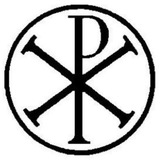
Born in modern-day Serbia to Helen, a devout Christian, and Constantius, a Roman tetrarch with Christian sympathies. Constantine was a genius military strategist who cut his teeth campaigning against barbarians on the Empire's northern frontiers. He succeeded his father as tetrarch, and was subsequently challenged by another tetrarch, Maxentius. Despite being outnumbered >2:1 and against all counsel, Constantine won a series of brilliant victories culminating at the Battle of the Milvian Bridge. Maxentius built a pontoon bridge allowing his army to escape if he lost. As the story goes, Constantine placed the Chi Rho symbol on his troops' shields in response to a dream, and during the battle, he saw the Chi Rho in the sky, followed by the words, "In Hoc Signo Vinces" or, "In this sign, conquer." That he did, and as Maxentius fled with his army, the bridge collapsed with Maxentius himself on it, drowning him. Constantine returned to Rome and did not sacrifice to Jupiter, but rather thanked the Christian God. Following this, he consolidated power, made a peace pact in 313 with the Eastern emperor Licinius, which included the famous Edict of Milan, legalizing Christianity and returning property stolen by Diocletian. Eventually, Licinius broke this pact and Constantine, especially in response to the Christian outcry, faced Licinius and easily defeated him. He moved the capital to Constantinople, and from there called the Council of Nicaea in 325 to settle the Arian controversy. There, he bowed to the elders who still bore injuries and scars from Diocletian’s persecution. He was baptized shortly before death by his friend, the Christian historian Eusebius.
Born in modern-day Serbia to Helen, a devout Christian, and Constantius, a Roman tetrarch with Christian sympathies. Constantine was a genius military strategist who cut his teeth campaigning against barbarians on the Empire's northern frontiers. He succeeded his father as tetrarch, and was subsequently challenged by another tetrarch, Maxentius. Despite being outnumbered >2:1 and against all counsel, Constantine won a series of brilliant victories culminating at the Battle of the Milvian Bridge. Maxentius built a pontoon bridge allowing his army to escape if he lost. As the story goes, Constantine placed the Chi Rho symbol on his troops' shields in response to a dream, and during the battle, he saw the Chi Rho in the sky, followed by the words, "In Hoc Signo Vinces" or, "In this sign, conquer." That he did, and as Maxentius fled with his army, the bridge collapsed with Maxentius himself on it, drowning him. Constantine returned to Rome and did not sacrifice to Jupiter, but rather thanked the Christian God. Following this, he consolidated power, made a peace pact in 313 with the Eastern emperor Licinius, which included the famous Edict of Milan, legalizing Christianity and returning property stolen by Diocletian. Eventually, Licinius broke this pact and Constantine, especially in response to the Christian outcry, faced Licinius and easily defeated him. He moved the capital to Constantinople, and from there called the Council of Nicaea in 325 to settle the Arian controversy. There, he bowed to the elders who still bore injuries and scars from Diocletian’s persecution. He was baptized shortly before death by his friend, the Christian historian Eusebius.
👍2
Constantine was... (And if you say he was an unbeliever, please explain why he would fake-convert to an unpopular religion)
Anonymous Poll
31%
A genuine Christian who ruled well
65%
A genuine Christian but a mixed bag
3%
An unbeliever but still a net positive
2%
An unbeliever and a poor ruler
👍1
Medieval Angelic Classifications:
Seraphim (Is. 6:1-7, cf. Num. 21:4-9)
Cherubim (Ezek. 10, cf. Gen. 3:24, Ex. 25:20)
Thrones (aka Ophanim, Ezek. 1:15-21, cf. Ezek. 10 & Col. 1:16)
Dominions (aka Kuriotes, Eph. 1:21, Col. 1:16, cf. Jude 1:8)
Virtues (aka Dumanis, 1 Cor. 15:24, Eph. 1:21, 2 Thess. 1:7, 1 Pet. 3:22, cf. 2 Thess. 2:9)
Powers (aka Exousia, 1 Cor. 15:24, Eph. 1:21, 3:10, 6:12, Col. 1:16, 2:10, 2:15, 1 Pet. 3:22).
Principalities (aka Arche, Rom. 8:38, 1 Cor. 15:24, Eph. 1:21, 3:10, 6:12, Col. 1:16, 2:10, 2:15)
Archangels (1 Thess. 4:16: Jude 1:9)
Angels (Matt. 18:10, cf. Heb. 1)
Seraphim (Is. 6:1-7, cf. Num. 21:4-9)
Cherubim (Ezek. 10, cf. Gen. 3:24, Ex. 25:20)
Thrones (aka Ophanim, Ezek. 1:15-21, cf. Ezek. 10 & Col. 1:16)
Dominions (aka Kuriotes, Eph. 1:21, Col. 1:16, cf. Jude 1:8)
Virtues (aka Dumanis, 1 Cor. 15:24, Eph. 1:21, 2 Thess. 1:7, 1 Pet. 3:22, cf. 2 Thess. 2:9)
Powers (aka Exousia, 1 Cor. 15:24, Eph. 1:21, 3:10, 6:12, Col. 1:16, 2:10, 2:15, 1 Pet. 3:22).
Principalities (aka Arche, Rom. 8:38, 1 Cor. 15:24, Eph. 1:21, 3:10, 6:12, Col. 1:16, 2:10, 2:15)
Archangels (1 Thess. 4:16: Jude 1:9)
Angels (Matt. 18:10, cf. Heb. 1)
👍5
Regarding the angelic classifications, it is your view that.... (Please discuss)
Anonymous Poll
19%
These are definitely 9 distinct angelic classes
49%
Some of these are synonyms; there are classes but not necessarily the classical 9
16%
There are no angelic classes
16%
There are definitely 9 angelic classes AND most if not all of the medieval descriptions are true
The education of children for God is the most important business done on earth.
-- R. L. Dabney
-- R. L. Dabney
👍6
There is no true knowledge apart from Christ, the arche.
Every line of true knowledge must find its completeness as it converges on God, just as every beam of daylight leads the eye to the sun. If religion is excluded from our study, every process of thought will be arrested before it reaches its proper goal.
-- R. L. Dabney
Every line of true knowledge must find its completeness as it converges on God, just as every beam of daylight leads the eye to the sun. If religion is excluded from our study, every process of thought will be arrested before it reaches its proper goal.
-- R. L. Dabney
👍6
The Decalogue in Wycliffe's Bible:
And the Lord spak alle these wordis, Y am thi Lord God, that ladde thee out of the lond of Egipt, fro the hous of seruage.
Thou schalt not haue alien goddis bifore me.
Thou schalt not make to thee a grauun ymage, nethir ony licnesse of thing which is in heuene aboue, and which is in erthe bynethe, nether of tho thingis, that ben in watris vndur erthe; thou schalt not herie tho, nether thou schalt worschipe; for Y am thi worschipe; for Y am thi Lord God, a strorng gelouse louyere; and Y visite the wickidnesse of fadris in to the thridde and the fourthe generacioun of hem that haten me, and Y do mercy in to a thousynde, to hem that louen me, and kepen myn heestis.
Thou schalt not take in veyn the name of thi Lord God, for the Lord schal not haue hym giltles, that takith in veyn the name of his Lord God.
Haue thou mynde, that thou halowe the dai of the sabat; in sixe daies thou schalt worche and schalt do alle thi werkis; forsothe in the seuenthe day is the sabat of thi Lord God; thou schalt not do ony werk, thou, and thi sone, and thi douytir, and thi seruaunt, and thin handmaide, thi werk beeste, and the comelyng which is withynne thi yatis; for in sixe dayes God made heuene and erthe, the see, and alle thingis that ben in tho, and restide in the seuenthe dai; herfor the Lord blesside the dai of the sabat, and halwide it.
Onoure thi fadir and thi moder, that thou be long lyuyng on the lond which thi Lord God schal yyue to thee.
Thou schalt not sle.
Thou schalt do no letcherie.
Thou schalt do no theft.
Thou schalt not speke fals witnessyng ayens thi neiybore.
Thou schalt not coueyten the hous of thi neiybore, nether thou schalt desyre his wijf, not seruaunt, not handmaide, not oxe, not asse, nether alle thingis that ben hise.
And the Lord spak alle these wordis, Y am thi Lord God, that ladde thee out of the lond of Egipt, fro the hous of seruage.
Thou schalt not haue alien goddis bifore me.
Thou schalt not make to thee a grauun ymage, nethir ony licnesse of thing which is in heuene aboue, and which is in erthe bynethe, nether of tho thingis, that ben in watris vndur erthe; thou schalt not herie tho, nether thou schalt worschipe; for Y am thi worschipe; for Y am thi Lord God, a strorng gelouse louyere; and Y visite the wickidnesse of fadris in to the thridde and the fourthe generacioun of hem that haten me, and Y do mercy in to a thousynde, to hem that louen me, and kepen myn heestis.
Thou schalt not take in veyn the name of thi Lord God, for the Lord schal not haue hym giltles, that takith in veyn the name of his Lord God.
Haue thou mynde, that thou halowe the dai of the sabat; in sixe daies thou schalt worche and schalt do alle thi werkis; forsothe in the seuenthe day is the sabat of thi Lord God; thou schalt not do ony werk, thou, and thi sone, and thi douytir, and thi seruaunt, and thin handmaide, thi werk beeste, and the comelyng which is withynne thi yatis; for in sixe dayes God made heuene and erthe, the see, and alle thingis that ben in tho, and restide in the seuenthe dai; herfor the Lord blesside the dai of the sabat, and halwide it.
Onoure thi fadir and thi moder, that thou be long lyuyng on the lond which thi Lord God schal yyue to thee.
Thou schalt not sle.
Thou schalt do no letcherie.
Thou schalt do no theft.
Thou schalt not speke fals witnessyng ayens thi neiybore.
Thou schalt not coueyten the hous of thi neiybore, nether thou schalt desyre his wijf, not seruaunt, not handmaide, not oxe, not asse, nether alle thingis that ben hise.
👍5