
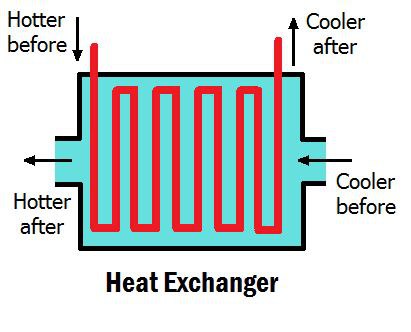
A heat exchanger is a system used to transfer heat between a source and a working fluid. Heat exchangers are used in both cooling and heating processes. The fluids may be separated by a solid wall to prevent mixing or they may be in direct contact. They are widely used in space heating, refrigeration, air conditioning, power stations, chemical plants, petrochemical plants, petroleum refineries, natural-gas processing, and sewage treatment. The classic example of a heat exchanger is found in an internal combustion engine in which a circulating fluid known as engine coolant flows through radiator coils and air flows past the coils, which cools the coolant and heats the incoming air. Another example is the heat sink, which is a passive heat exchanger that transfers the heat generated by an electronic or a mechanical device to a fluid medium, often air or a liquid coolant.
━━━━━━━━━━━
☢ @Physics ⚡| @Education 📖
━━━━━━━━━━━
☢ @Physics ⚡| @Education 📖
👍23❤8🔥6🎉2😱1
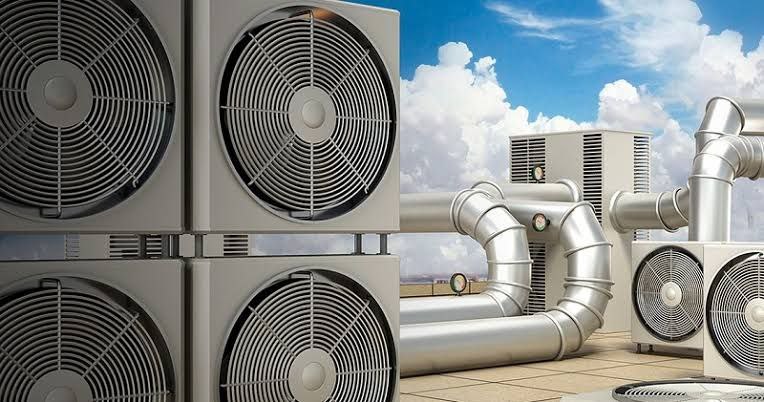
Heating, ventilation, and air conditioning (HVAC) is the use of various technologies to control the temperature, humidity, and purity of the air in an enclosed space. Its goal is to provide thermal comfort and acceptable indoor air quality. HVAC system design is a subdiscipline of mechanical engineering, based on the principles of thermodynamics, fluid mechanics, and heat transfer. "Refrigeration" is sometimes added to the field's abbreviation as HVAC&R or HVACR, or "ventilation" is dropped, as in HACR (as in the designation of HACR-rated circuit breakers).
HVAC is an important part of residential structures such as single family homes, apartment buildings, hotels, and senior living facilities; medium to large industrial and office buildings such as skyscrapers and hospitals; vehicles such as cars, trains, airplanes, ships and submarines; and in marine environments, where safe and healthy building conditions are regulated with respect to temperature and humidity, using fresh air from outdoors.
Ventilating or ventilation (the "V" in HVAC) is the process of exchanging or replacing air in any space to provide high indoor air quality which involves temperature control, oxygen replenishment, and removal of moisture, odors, smoke, heat, dust, airborne bacteria, carbon dioxide, and other gases. Ventilation removes unpleasant smells and excessive moisture, introduces outside air, keeps interior building air circulating, and prevents stagnation of the interior air. Methods for ventilating a building are divided into mechanical/forced and natural types.
━━━━━━━━━━━
☢ @Physics ⚡| @Education 📖
👍13🔥9❤4😁1
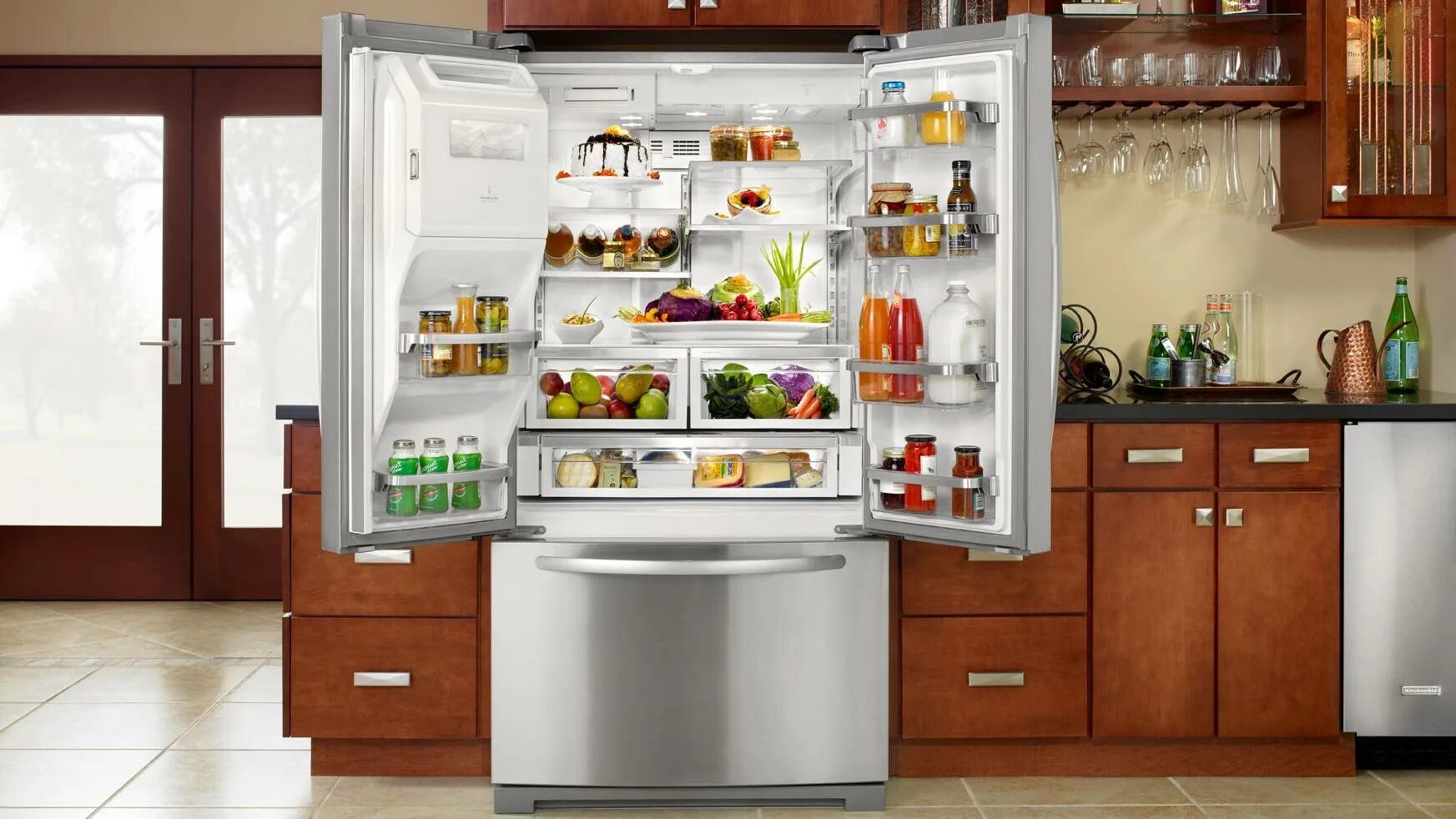
The term refrigeration denotes cooling of a space, substance or system to lower and/or maintain its temperature below the ambient one (while the removed heat is rejected at a higher temperature). Refrigeration is considered an artificial, or human-made, cooling method.
Refrigeration refers to the process by which energy, in the form of heat, is removed from a low-temperature medium and transferred to a high-temperature medium. This work of energy transfer is traditionally driven by mechanical means, but can also be driven by heat, magnetism, electricity, laser, or other means. Refrigeration has many applications, including household refrigerators, industrial freezers, cryogenics, and air conditioning. Heat pumps may use the heat output of the refrigeration process, and also may be designed to be reversible, but are otherwise similar to air conditioning units.
━━━━━━━━━━━
☢ @Physics ⚡| @Education 📖

👍19❤17🔥7
Thermodynamic heat pump cycles or refrigeration cycles are the conceptual and mathematical models for heat pump, air conditioning and refrigeration systems. A heat pump is a mechanical system that allows for the transmission of heat from one location (the "source") at a lower temperature to another location (the "sink" or "heat sink") at a higher temperature. Thus a heat pump may be thought of as a "heater" if the objective is to warm the heat sink (as when warming the inside of a home on a cold day), or a "refrigerator" or “cooler” if the objective is to cool the heat source (as in the normal operation of a freezer). In either case, the operating principles are similar. Heat is moved from a cold place to a warm place.
━━━━━━━━━━━
☢ @Physics ⚡| @Education 📖
━━━━━━━━━━━
☢ @Physics ⚡| @Education 📖
👍14🔥10❤8
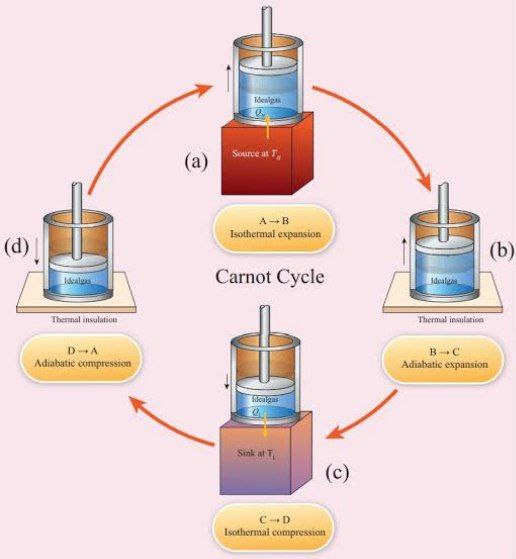
A Carnot cycle is an ideal thermodynamic cycle proposed by French physicist Sadi Carnot in 1824 and expanded upon by others in the 1830s and 1840s. By Carnot's theorem, it provides an upper limit on the efficiency of any classical thermodynamic engine during the conversion of heat into work, or conversely, the efficiency of a refrigeration system in creating a temperature difference through the application of work to the system.
In a Carnot cycle, a system or engine transfers energy in the form of heat between two thermal reservoirs at temperatures Tₕ and Tc (referred to as the hot and cold reservoirs, respectively), and a part of this transferred energy is converted to the work done by the system. The cycle is reversible, and there is no generation of entropy. (In other words, entropy is conserved; entropy is only transferred between the thermal reservoirs and the system without gain or loss of it.) When work is applied to the system, heat moves from the cold to the hot reservoir (heat pump or refrigeration). When heat moves from the hot to the cold reservoir, the system applies work to the environment.
━━━━━━━━━━━
☢ @Physics ⚡| @Education 📖
👍22❤19🔥6
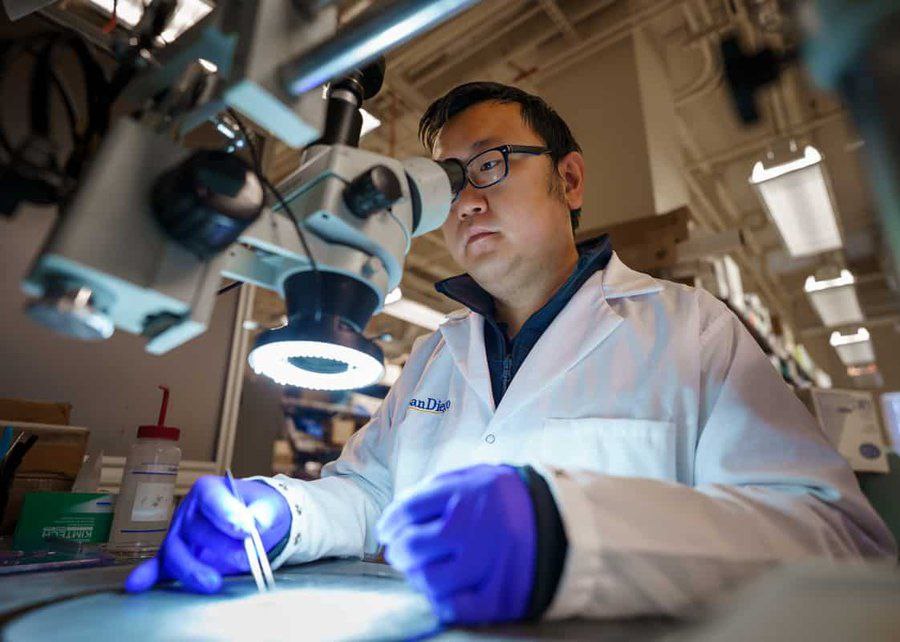
A wearable cardiac ultrasound imaging system could transform the way doctors monitor and treat heart disease.
✅ Source: Click here
━━━━━━━━━━━
☢ @Physics ⚡| @Education 📖
✅ Source: Click here
━━━━━━━━━━━
☢ @Physics ⚡| @Education 📖
👍15🔥15❤5🎉2🤩2
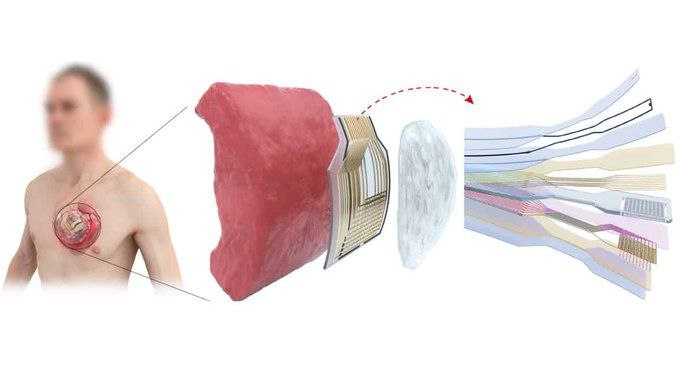
An ultrathin device that sticks to the heart using an adhesive hydrogel patch could one day provide an alternative to a bulky pacemaker.
✅ Source: Click here
━━━━━━━━━━━
☢ @Physics ⚡| @Education 📖
✅ Source: Click here
━━━━━━━━━━━
☢ @Physics ⚡| @Education 📖
❤22👍17🔥6🤩4
If a subatomic particle is kept inside a closed box, then according to quantum mechanics there is always a non-zero probability that this particle may be found outside the box and anywhere in the universe.
━━━━━━━━━━━
☢ @Physics ⚡| @Education 📖
━━━━━━━━━━━
☢ @Physics ⚡| @Education 📖

❤28👍21🔥14😱12
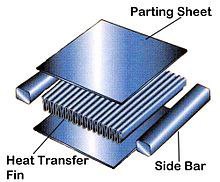
A plate-fin heat exchanger is a type of heat exchanger design that uses plates and finned chambers to transfer heat between fluids, most commonly gases. It is often categorized as a compact heat exchanger to emphasize its relatively high heat transfer surface area to volume ratio. The plate-fin heat exchanger is widely used in many industries, including the aerospace industry for its compact size and lightweight properties, as well as in cryogenics where its ability to facilitate heat transfer with small temperature differences is utilized.
━━━━━━━━━━━
☢ @Physics ⚡| @Education 📖
━━━━━━━━━━━
☢ @Physics ⚡| @Education 📖
❤18👍18🔥7
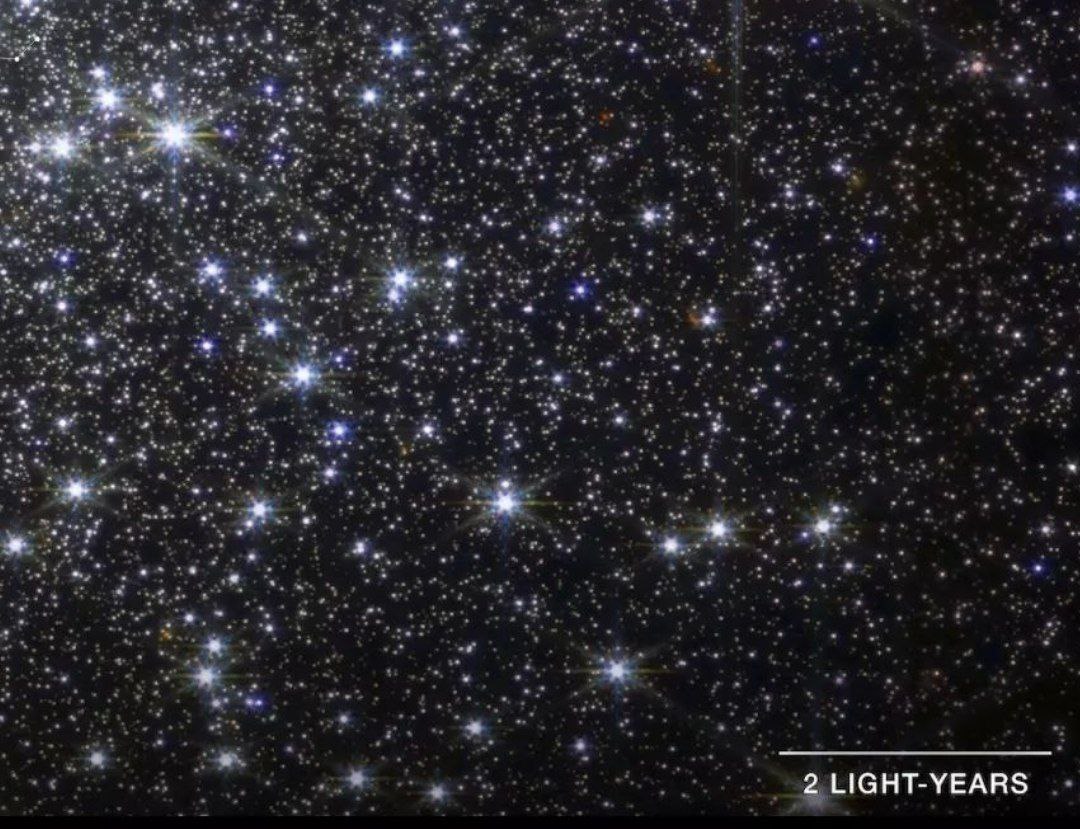
The image here you see is a "M92" globular cluster captured by the James Webb Space Telescope. This cluster is one of the oldest clusters in our galaxy located 27000 light years away, having some of the oldest stars in our galaxy.
━━━━━━━━━━━
☢ @Physics ⚡| @Education 📖
━━━━━━━━━━━
☢ @Physics ⚡| @Education 📖
❤23👍10🤩10🔥8
A controversial new theory suggests that supermassive black holes that lurk at the heart of most large galaxies could be the source of dark energy.
✅ Source: Click here
━━━━━━━━━━━
☢ @Physics ⚡| @Education 📖
━━━━━━━━━━━
☢ @Physics ⚡| @Education 📖
Please open Telegram to view this post
VIEW IN TELEGRAM

❤43😱15👍11🔥8🤩4🎉3