
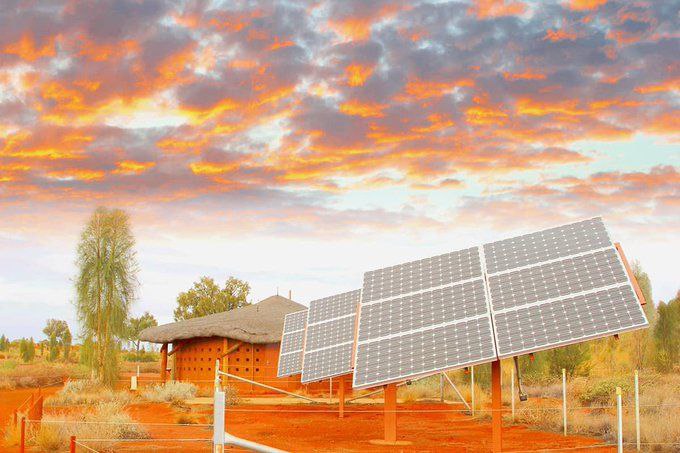
Did you know you can generate electricity using lenses or curved mirrors to focus sunlight onto solar cells? It sounds like a neat idea, but why have these "concentrator" solar cells not been a business success? Here is the answer to it.
━━━━━━━━━━━
☢ @Physics ⚡| @Education 📖
━━━━━━━━━━━
☢ @Physics ⚡| @Education 📖
👍32🔥9❤8🤩6😱2
🏃♂ AT WHAT SPEED ARE YOU CURRENTLY MOVING❔
🌐 Due to Earth's rotation, earth's surface is moving with a velocity of 460 m/s. The Earth is orbiting around the Sun with a velocity of 30 km/s. Moreover, our Sun with the entire solar system is orbiting around the milky way galaxy with a velocity of 200 km/s.
━━━━━━━━━━━
☢ @Physics ⚡| @Education 📖
━━━━━━━━━━━
☢ @Physics ⚡| @Education 📖
Please open Telegram to view this post
VIEW IN TELEGRAM

🔥40👍16❤15🤩6😱5🎉1
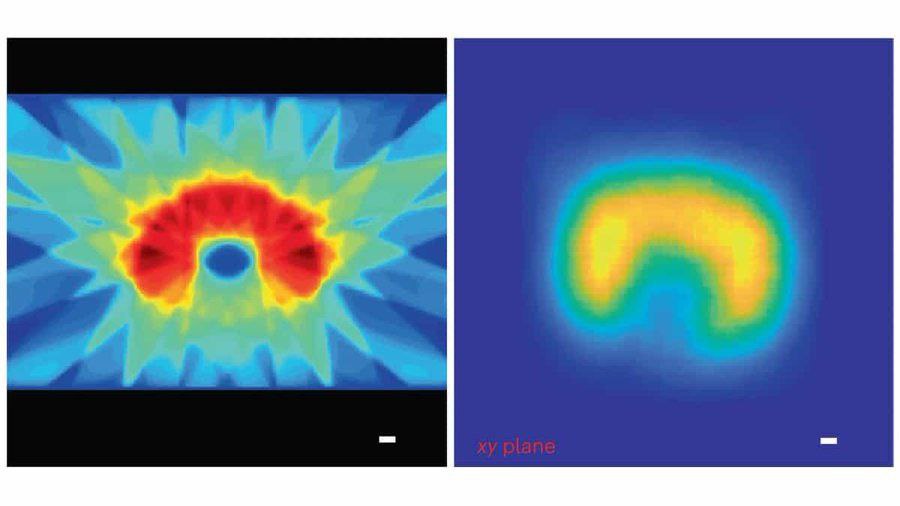
Ionizing radiation acoustic imaging can monitor dose deposition in real time during radiotherapy.
✅ Source: Click here
━━━━━━━━━━━
☢ @Physics ⚡| @Education 📖
━━━━━━━━━━━
☢ @Physics ⚡| @Education 📖
Please open Telegram to view this post
VIEW IN TELEGRAM
👍15❤8🔥5🎉4
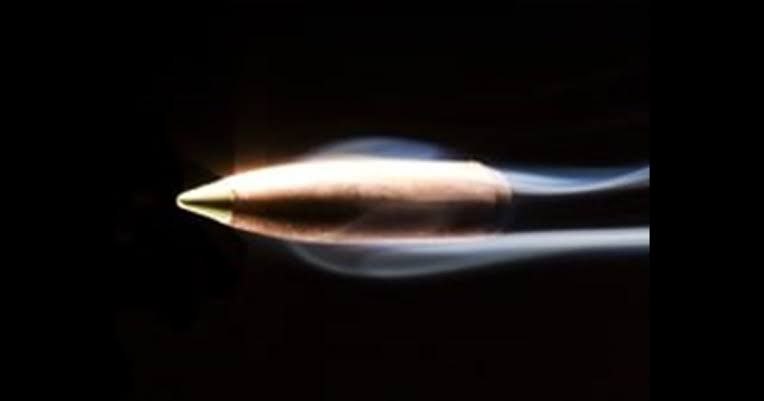
Ballistics is the field of mechanics concerned with the launching, flight behaviour and impact effects of projectiles, especially ranged weapon munitions such as bullets, unguided bombs, rockets or the like; the science or art of designing and accelerating projectiles so as to achieve a desired performance.
━━━━━━━━━━━
☢ @Physics ⚡| @Education 📖
━━━━━━━━━━━
☢ @Physics ⚡| @Education 📖
🔥23❤8👍7🎉3
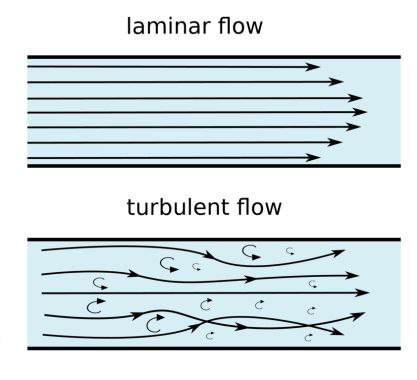
In fluid mechanics, the Reynolds number (Re) is a dimensionless quantity that helps predict fluid flow patterns in different situations by measuring the ratio between inertial and viscous forces. At low Reynolds numbers, flows tend to be dominated by laminar (sheet-like) flow, while at high Reynolds numbers flows tend to be turbulent. The turbulence results from differences in the fluid's speed and direction, which may sometimes intersect or even move counter to the overall direction of the flow (eddy currents). These eddy currents begin to churn the flow, using up energy in the process, which for liquids increases the chances of cavitation.
━━━━━━━━━━━
☢ @Physics ⚡| @Education 📖
━━━━━━━━━━━
☢ @Physics ⚡| @Education 📖
👍25❤13🔥9🤩3
A new X-ray imaging technique uses advanced algorithms to make movies of fluctuations on the nanoscale.
✅ Source: Click here
━━━━━━━━━━━
☢ @Physics ⚡| @Education 📖
━━━━━━━━━━━
☢ @Physics ⚡| @Education 📖
Please open Telegram to view this post
VIEW IN TELEGRAM

👍16❤10🔥9
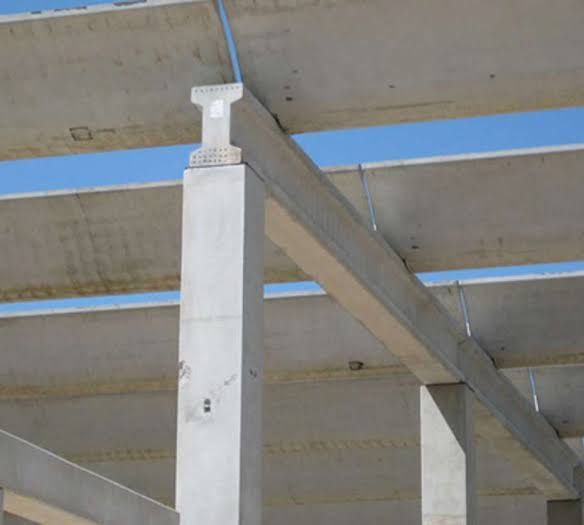
A beam is a structural element that primarily resists loads applied laterally to the beam's axis (an element designed to carry primarily axial load would be a strut or column). Its mode of deflection is primarily by bending. The loads applied to the beam result in reaction forces at the beam's support points. The total effect of all the forces acting on the beam is to produce shear forces and bending moments within the beams, that in turn induce internal stresses, strains and deflections of the beam. Beams are characterized by their manner of support, profile (shape of cross-section), equilibrium conditions, length, and their material.
Beams are traditionally descriptions of building or civil engineering structural elements, where the beams are horizontal and carry vertical loads. However, any structure may contain beams, for instance automobile frames, aircraft components, machine frames, and other mechanical or structural systems. In these structures, any structural element, in any orientation, that primarily resists loads applied laterally to the element's axis would be a beam element.
━━━━━━━━━━━
☢ @Physics ⚡| @Education 📖
👍19❤8🔥8
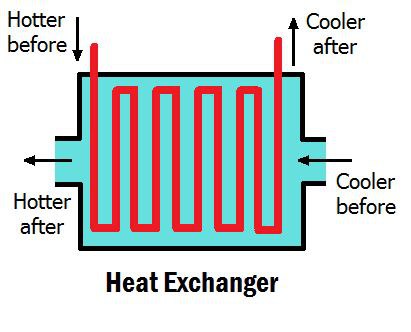
A heat exchanger is a system used to transfer heat between a source and a working fluid. Heat exchangers are used in both cooling and heating processes. The fluids may be separated by a solid wall to prevent mixing or they may be in direct contact. They are widely used in space heating, refrigeration, air conditioning, power stations, chemical plants, petrochemical plants, petroleum refineries, natural-gas processing, and sewage treatment. The classic example of a heat exchanger is found in an internal combustion engine in which a circulating fluid known as engine coolant flows through radiator coils and air flows past the coils, which cools the coolant and heats the incoming air. Another example is the heat sink, which is a passive heat exchanger that transfers the heat generated by an electronic or a mechanical device to a fluid medium, often air or a liquid coolant.
━━━━━━━━━━━
☢ @Physics ⚡| @Education 📖
━━━━━━━━━━━
☢ @Physics ⚡| @Education 📖
👍23❤8🔥6🎉2😱1
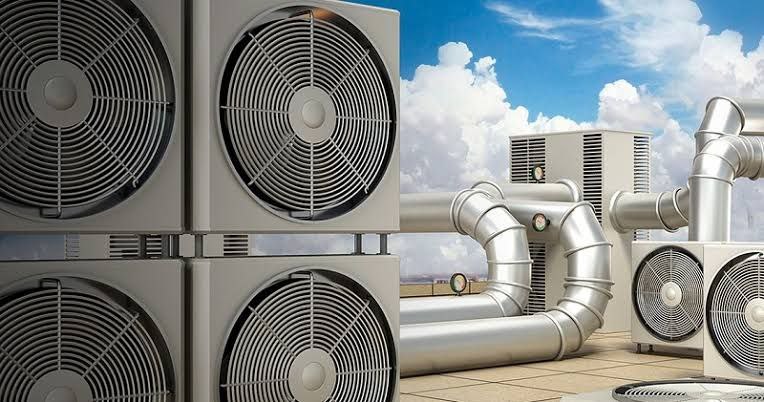
Heating, ventilation, and air conditioning (HVAC) is the use of various technologies to control the temperature, humidity, and purity of the air in an enclosed space. Its goal is to provide thermal comfort and acceptable indoor air quality. HVAC system design is a subdiscipline of mechanical engineering, based on the principles of thermodynamics, fluid mechanics, and heat transfer. "Refrigeration" is sometimes added to the field's abbreviation as HVAC&R or HVACR, or "ventilation" is dropped, as in HACR (as in the designation of HACR-rated circuit breakers).
HVAC is an important part of residential structures such as single family homes, apartment buildings, hotels, and senior living facilities; medium to large industrial and office buildings such as skyscrapers and hospitals; vehicles such as cars, trains, airplanes, ships and submarines; and in marine environments, where safe and healthy building conditions are regulated with respect to temperature and humidity, using fresh air from outdoors.
Ventilating or ventilation (the "V" in HVAC) is the process of exchanging or replacing air in any space to provide high indoor air quality which involves temperature control, oxygen replenishment, and removal of moisture, odors, smoke, heat, dust, airborne bacteria, carbon dioxide, and other gases. Ventilation removes unpleasant smells and excessive moisture, introduces outside air, keeps interior building air circulating, and prevents stagnation of the interior air. Methods for ventilating a building are divided into mechanical/forced and natural types.
━━━━━━━━━━━
☢ @Physics ⚡| @Education 📖
👍13🔥9❤4😁1