
A sheet of carbon quantum dots that improves the quality of Cherenkov images could enable real-time radiotherapy verification using a less expensive image acquisition process.
✅ Source: Click here
━━━━━━━━━━━
☢ @Physics ⚡| @Education 📖
━━━━━━━━━━━
☢ @Physics ⚡| @Education 📖
Please open Telegram to view this post
VIEW IN TELEGRAM

❤23👍16🔥7🤩3
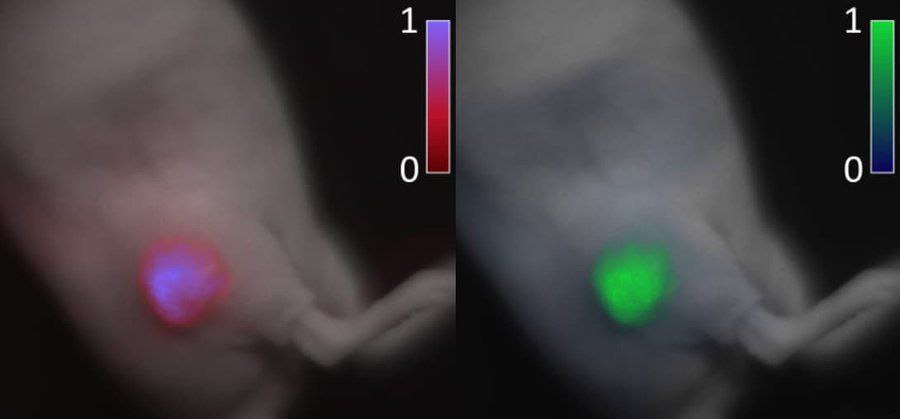
Fluorescence imaging can identify regions of hypoxia during surgery to help distinguish cancer from healthy tissue.
✅ Source: Click here
━━━━━━━━━━━
☢ @Physics ⚡| @Education 📖
━━━━━━━━━━━
☢ @Physics ⚡| @Education 📖
Please open Telegram to view this post
VIEW IN TELEGRAM
👍20❤11🔥11
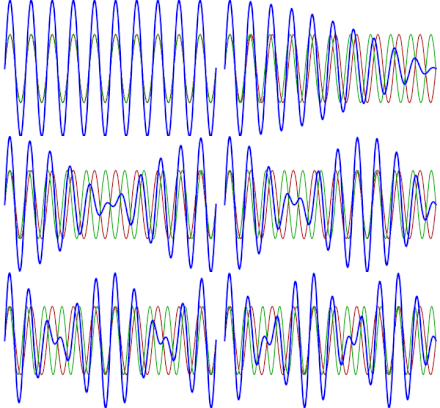
In acoustics, a beat is an interference pattern between two sounds of slightly different frequencies, perceived as a periodic variation in volume whose rate is the difference of the two frequencies.
With tuning instruments that can produce sustained tones, beats can be readily recognized. Tuning two tones to a unison will present a peculiar effect: when the two tones are close in pitch but not identical, the difference in frequency generates the beating. The volume varies like in a tremolo as the sounds alternately interfere constructively and destructively. As the two tones gradually approach unison, the beating slows down and may become so slow as to be imperceptible. As the two tones get further apart, their beat frequency starts to approach the range of human pitch perception, the beating starts to sound like a note, and a combination tone is produced. This combination tone can also be referred to as a missing fundamental, as the beat frequency of any two tones is equivalent to the frequency of their implied fundamental frequency.
━━━━━━━━━━━
☢ @Physics ⚡| @Education 📖
❤18👍17🔥8😁3
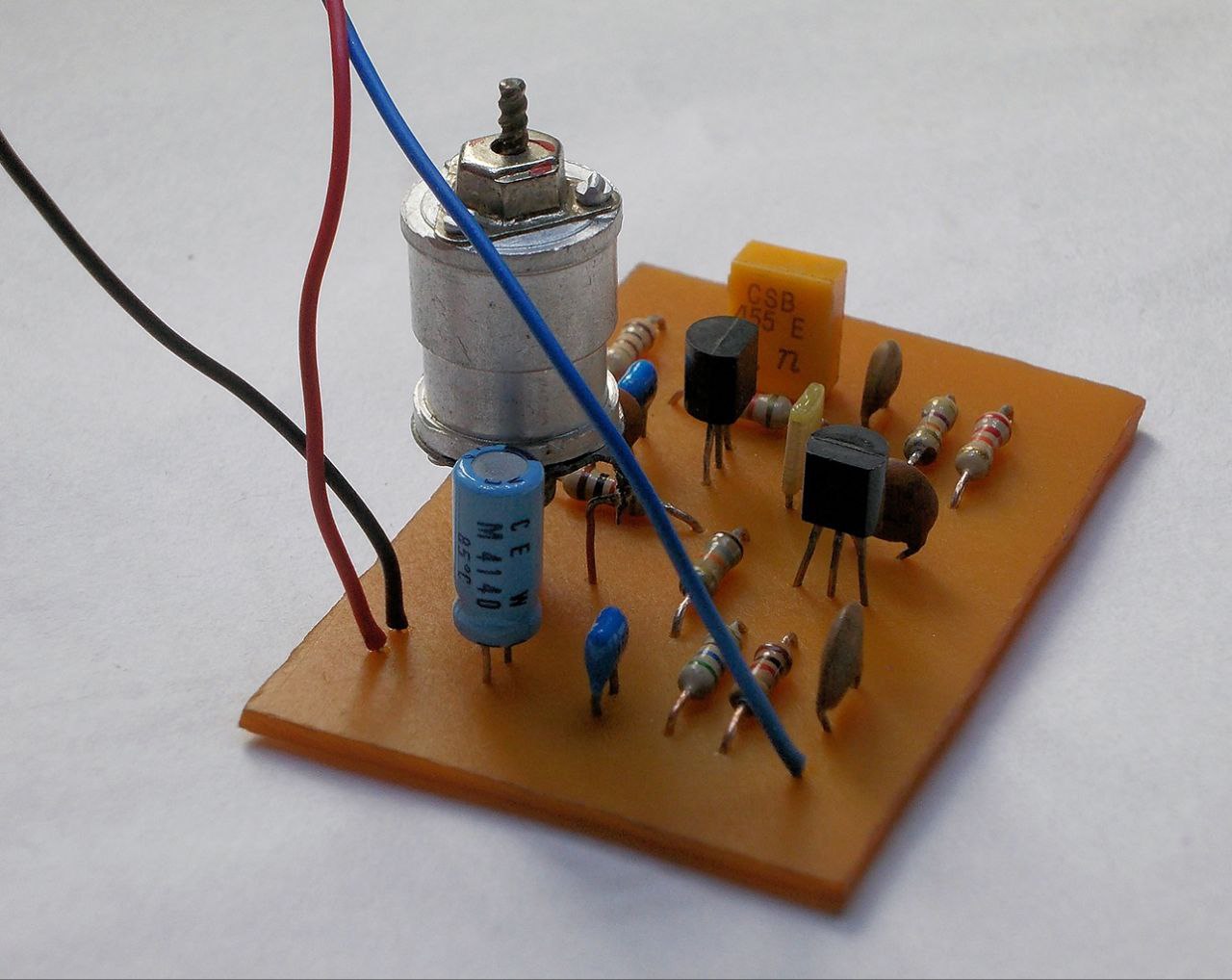
A beat frequency oscillator or BFO is a dedicated oscillator used to create an audio frequency signal from Morse code radiotelegraphy (CW) transmissions to make them audible. The signal from the BFO is mixed with the received signal to create a heterodyne or beat frequency which is heard as a tone in the speaker. BFOs are also used to demodulate single-sideband (SSB) signals, making them intelligible, by essentially restoring the carrier that was suppressed at the transmitter. BFOs are sometimes included in communications receivers designed for short wave listeners; they are almost always found in communication receivers for amateur radio, which often receive CW and SSB signals.
━━━━━━━━━━━
☢ @Physics ⚡| @Education 📖
━━━━━━━━━━━
☢ @Physics ⚡| @Education 📖
👍20❤10🔥9
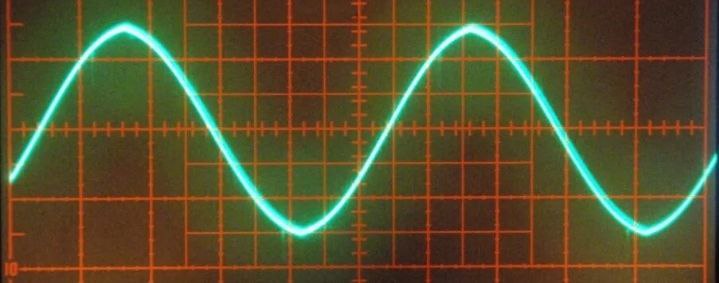
A heterodyne is a signal frequency that is created by combining or mixing two other frequencies using a signal processing technique called heterodyning, which was invented by Canadian inventor-engineer Reginald Fessenden. Heterodyning is used to shift signals from one frequency range into another, and is also involved in the processes of modulation and demodulation. The two input frequencies are combined in a nonlinear signal-processing device such as a vacuum tube, transistor, or diode, usually called a mixer.
━━━━━━━━━━━
☢ @Physics ⚡| @Education 📖
━━━━━━━━━━━
☢ @Physics ⚡| @Education 📖
🔥18❤8👍7🤩4
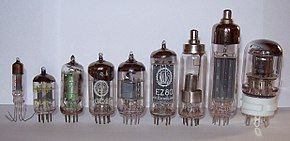
A vacuum tube, electron tube, valve (British usage), or tube (North America), is a device that controls electric current flow in a high vacuum between electrodes to which an electric potential difference has been applied.
The type known as a thermionic tube or thermionic valve utilizes thermionic emission of electrons from a hot cathode for fundamental electronic functions such as signal amplification and current rectification. Non-thermionic types such as a vacuum phototube, however, achieve electron emission through the photoelectric effect, and are used for such purposes as the detection of light intensities. In both types, the electrons are accelerated from the cathode to the anode by the electric field in the tube.
The simplest vacuum tube, the diode (i.e. Fleming valve), invented in 1904 by John Ambrose Fleming, contains only a heated electron-emitting cathode and an anode. Electrons can only flow in one direction through the device—from the cathode to the anode. Adding one or more control grids within the tube allows the current between the cathode and anode to be controlled by the voltage on the grids.
These devices became a key component of electronic circuits for the first half of the twentieth century. They were crucial to the development of radio, television, radar, sound recording and reproduction, long-distance telephone networks, and analog and early digital computers. Although some applications had used earlier technologies such as the spark gap transmitter for radio or mechanical computers for computing, it was the invention of the thermionic vacuum tube that made these technologies widespread and practical, and created the discipline of electronics.
━━━━━━━━━━━
☢ @Physics ⚡| @Education 📖
👍19❤12🔥8
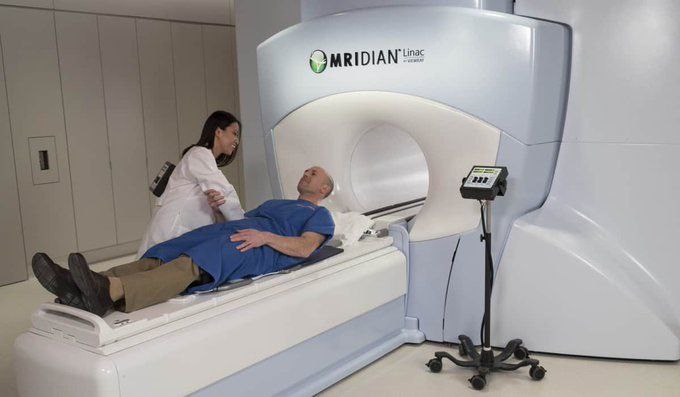
The first randomized trial demonstrates that the tighter target margins enabled by MRI guidance significantly reduce the side effects of prostate cancer radiotherapy.
✅ Source: Click here
━━━━━━━━━━━
☢ @Physics ⚡| @Education 📖
━━━━━━━━━━━
☢ @Physics ⚡| @Education 📖
Please open Telegram to view this post
VIEW IN TELEGRAM
👍17❤6🔥6😁3🎉2
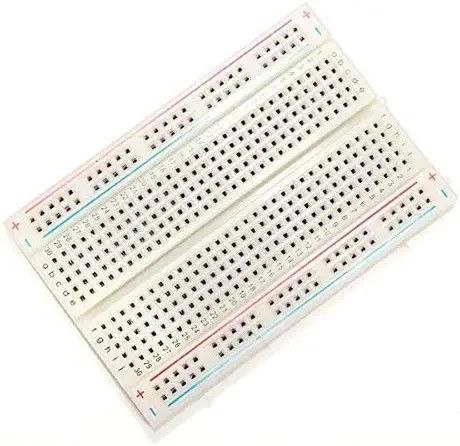
A breadboard, solderless breadboard, or protoboard is a construction base used to build semi-permanent prototypes of electronic circuits. Unlike a perfboard or stripboard, breadboards do not require soldering or destruction of tracks and are hence reusable. For this reason, breadboards are also popular with students and in technological education.
A variety of electronic systems may be prototyped by using breadboards, from small analog and digital circuits to complete central processing units (CPUs).
Compared to more permanent circuit connection methods, modern breadboards have high parasitic capacitance, relatively high resistance, and less reliable connections, which are subject to jostle and physical degradation. Signaling is limited to about 10 MHz, and not everything works properly even well below that frequency.
━━━━━━━━━━━
☢ @Physics ⚡| @Education 📖
👍20❤7🔥6🎉2😢1
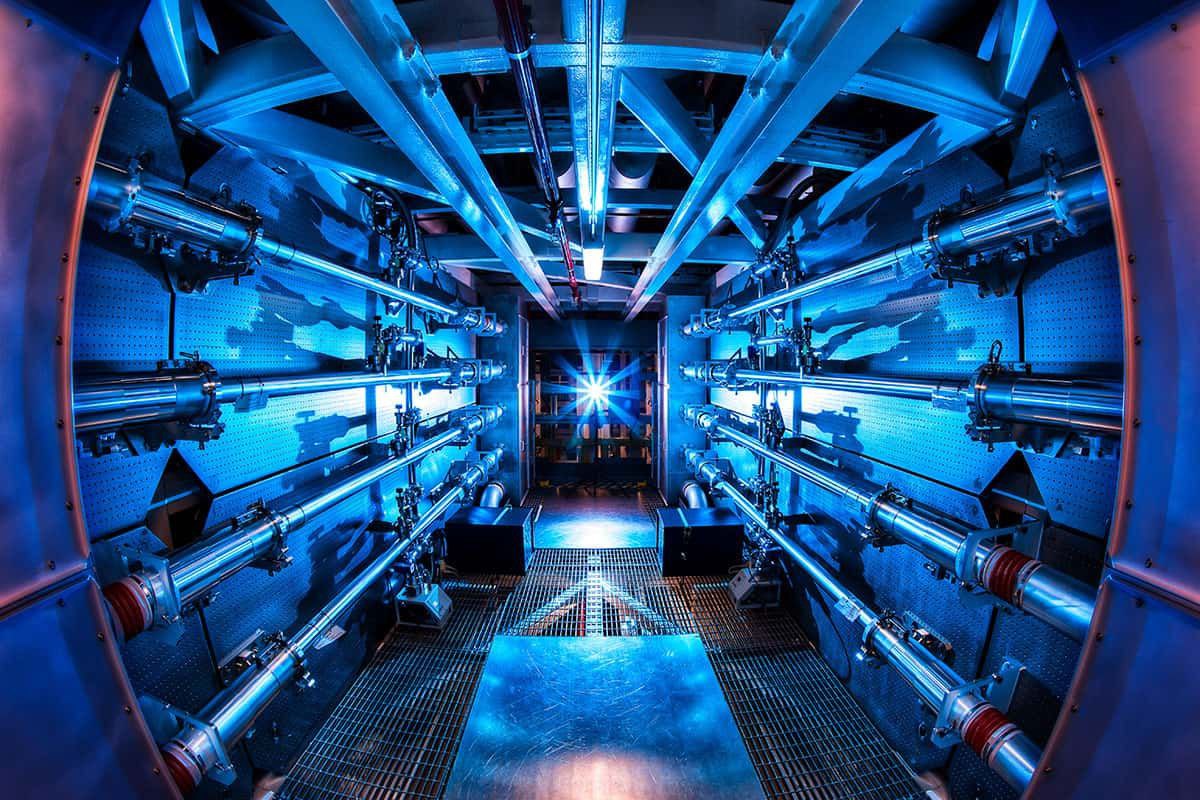
Governments and private companies are looking to exploit the vast potential of fusion energy, but formidable hurdles remain to yield economically-competitive energy.
The first randomized trial demonstrates that the tighter target margins enabled by MRI guidance significantly reduce the side effects of prostate cancer radiotherapy.
✅ Source: Click here
━━━━━━━━━━━
☢ @Physics ⚡| @Education 📖
The first randomized trial demonstrates that the tighter target margins enabled by MRI guidance significantly reduce the side effects of prostate cancer radiotherapy.
✅ Source: Click here
━━━━━━━━━━━
☢ @Physics ⚡| @Education 📖
👍18🔥10❤7😱3
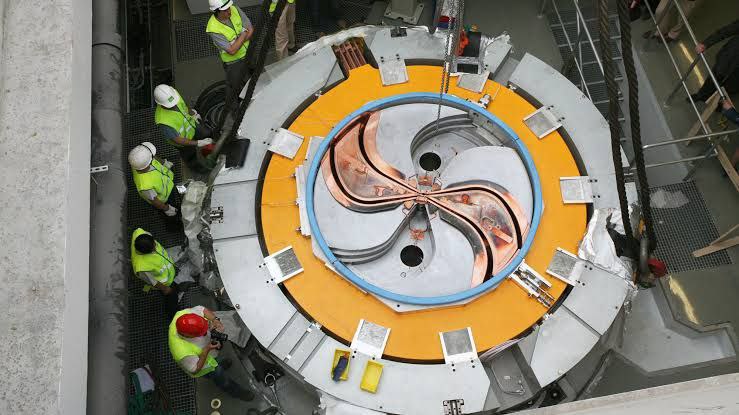
A cyclotron is a type of particle accelerator invented by Ernest O. Lawrence in 1929–1930 at the University of California, Berkeley, and patented in 1932. A cyclotron accelerates charged particles outwards from the center of a flat cylindrical vacuum chamber along a spiral path. The particles are held to a spiral trajectory by a static magnetic field and accelerated by a rapidly varying electric field. Lawrence was awarded the 1939 Nobel Prize in Physics for this invention.
The cyclotron was the first "cyclical" accelerator. The primary accelerators before the development of the cyclotron were electrostatic accelerators, such as the Cockcroft–Walton accelerator and Van de Graaff generator. In these accelerators, particles would cross an accelerating electric field only once. Thus, the energy gained by the particles was limited by the maximum electrical potential that could be achieved across the accelerating region. This potential was in turn limited by electrostatic breakdown to a few million volts. In a cyclotron, by contrast, the particles encounter the accelerating region many times by following a spiral path, so the output energy can be many times the energy gained in a single accelerating step.
━━━━━━━━━━━
☢ @Physics ⚡| @Education 📖
👍26❤9🔥7🤩5