
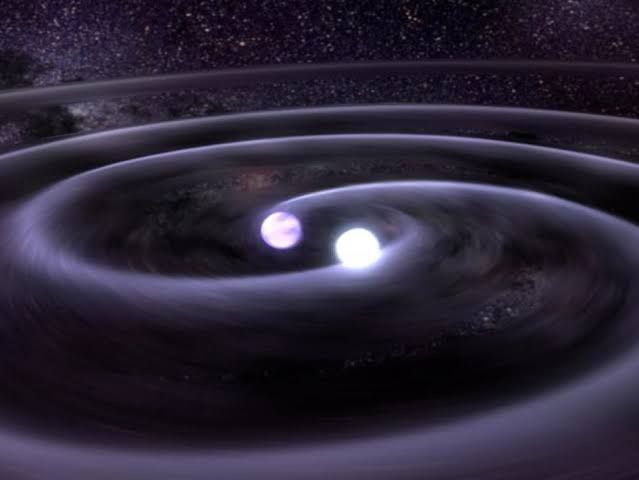
A binary star is a system of two stars that are gravitationally bound to and in orbit around each other. Binary stars in the night sky that are seen as a single object to the naked eye are often resolved using a telescope as separate stars, in which case they are called visual binaries. Many visual binaries have long orbital periods of several centuries or millennia and therefore have orbits which are uncertain or poorly known. They may also be detected by indirect techniques, such as spectroscopy (spectroscopic binaries) or astrometry (astrometric binaries). If a binary star happens to orbit in a plane along our line of sight, its components will eclipse and transit each other; these pairs are called eclipsing binaries, or, together with other binaries that change brightness as they orbit, photometric binaries.
━━━━━━━━━━━
☢ @Physics ⚡| @Education 📖
━━━━━━━━━━━
☢ @Physics ⚡| @Education 📖
🔥27👍18❤7🎉5
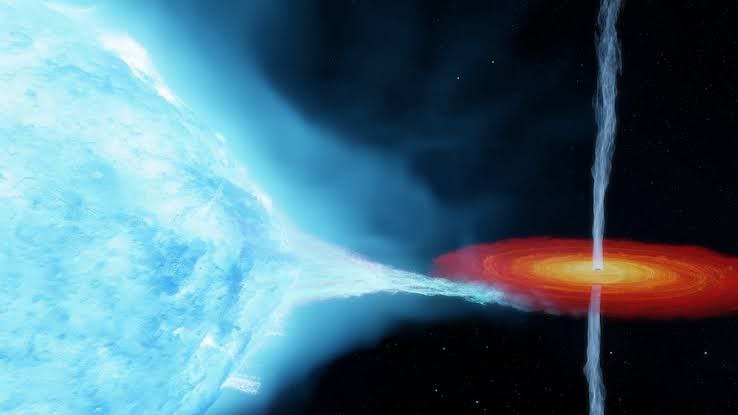
Cygnus X-1 (abbreviated Cyg X-1) is a galactic X-ray source in the constellation Cygnus and was the first such source widely accepted to be a black hole. It was discovered in 1964 during a rocket flight and is one of the strongest X-ray sources detectable from Earth, producing a peak X-ray flux density of 2.3×10⁻²³ W/(m²⋅Hz) (2.3×10³ jansky). It remains among the most studied astronomical objects in its class. The compact object is now estimated to have a mass about 21.2 times the mass of the Sun and has been shown to be too small to be any known kind of normal star or other likely object besides a black hole. If so, the radius of its event horizon has 300 km "as upper bound to the linear dimension of the source region" of occasional X-ray bursts lasting only for about 1 ms.
━━━━━━━━━━━
☢ @Physics ⚡| @Education 📖
━━━━━━━━━━━
☢ @Physics ⚡| @Education 📖
❤25🔥12👍7🤩4
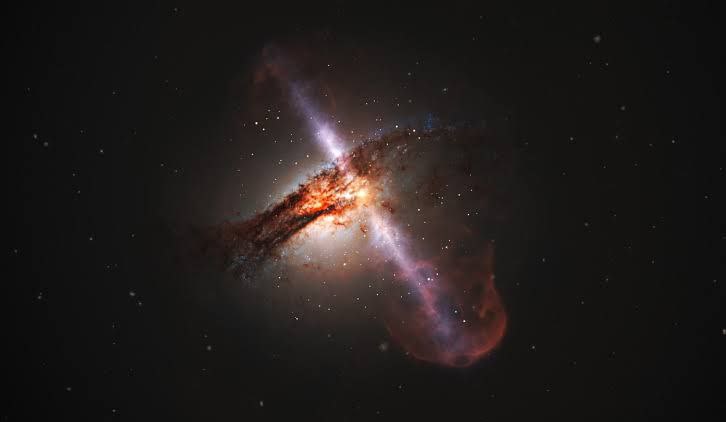
Relativistic jets are beams of ionised matter accelerated close to the speed of light. Most have been observationally associated with central black holes of some active galaxies, radio galaxies or quasars, and also by galactic stellar black holes, neutron stars or pulsars. Beam lengths may extend between several thousand, hundreds of thousands or millions of parsecs. Jet velocities when approaching the speed of light show significant effects of the special theory of relativity; for example, relativistic beaming that changes the apparent beam brightness.
Massive central black holes in galaxies have the most powerful jets, but their structure and behaviours are similar to those of smaller galactic neutron stars and black holes. These SMBH systems are often called microquasars and show a large range of velocities. SS 433 jet, for example, has a mean velocity of 0.26c. Relativistic jet formation may also explain observed gamma-ray bursts.
━━━━━━━━━━━
☢ @Physics ⚡| @Education 📖
👍28🔥9❤6😁2
Water is clear, so why does the snow appear white? It's because of the diffuse reflection of the whole spectrum of light by the tiny crystalline facets of the snowflake. Wavelengths of light are bent slightly by each flake they encounter, and the jumbled mix of all colours of light is what our eyes see as "white."
━━━━━━━━━━━
☢ @Physics ⚡| @Education 📖
━━━━━━━━━━━
☢ @Physics ⚡| @Education 📖

🔥25👍20🤩6❤5
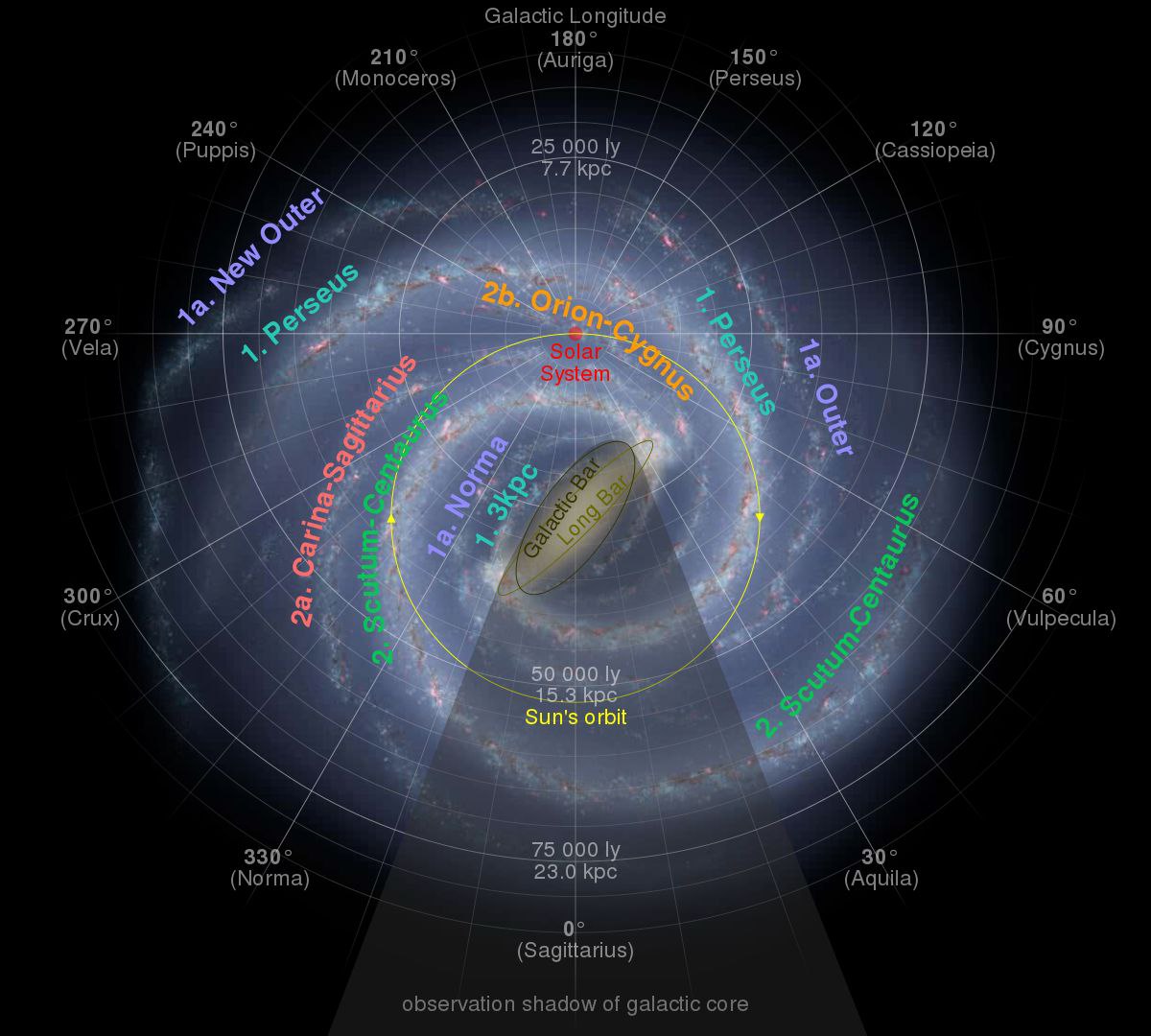
The Scutum–Centaurus Arm, also known as Scutum-Crux arm, is a long, diffuse curving streamer of stars, gas and dust that spirals outward from the proximate end of the Milky Way's central bar. The Milky Way has been posited since the 1950s to have four spiral arms — numerous studies contest or nuance this number. In 2008, observations using the Spitzer Space Telescope failed to show the expected density of red clump giants in the direction of the Sagittarius and Norma arms. In January 2014, a 12-year study into the distribution and lifespan of massive stars and a 2013-reporting study of the distribution of masers and open clusters both found corroboratory, though would not state irrefutable, evidence for four principal spiral arms.
━━━━━━━━━━━
☢ @Physics ⚡| @Education 📖
━━━━━━━━━━━
☢ @Physics ⚡| @Education 📖
👍23🤩9🔥7😱4❤3🎉2
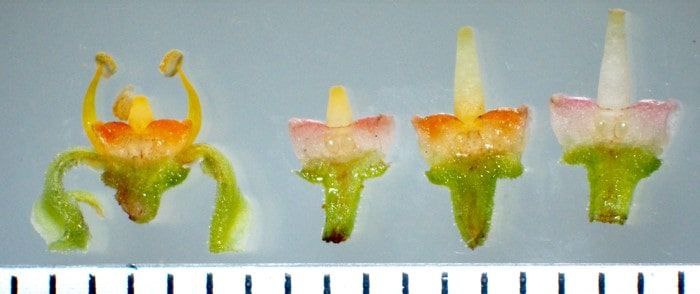
🌺 COLOUR OF FLOWER OSCILLATES WITH TIME TO IMPROVE POLLINATION
An extremely rare case of a flower that oscillates in colour over time has been discovered by researchers in Japan. The team, led by Nobomitsu Kawakubo at Gifu University, showed that the transformations are tied to cyclic changes in the flowers’ reproductive organs, which act to guide pollinating insects towards them.
Over 450 plant species are known to change the colours of their flowers. Botanists generally believe that these changes are related to the pollination conditions in each flower, signalling to insects where the best nectar can be found.
The vast majority of these colour changes are unidirectional, meaning once colour has changed, it can never change back. Yet in their study, Kawakubo’s team discovered an example of a far rarer bidirectional flower, which oscillates back and forth between two colours. Named Causonis japonica, this vine plant is native to tropical regions of Asia and Australia and is often considered to be a weed.
━━━━━━━━━━━
☢ @Physics ⚡| @Education 📖
👍24🔥9🎉4😱2🤩1
A supermoon is a full moon or a new moon that nearly coincides with perigee—the closest that the Moon comes to the Earth in its elliptic orbit—resulting in a slightly larger-than-usual apparent size of the lunar disk as viewed from Earth. The technical name is a perigee syzygy (of the Earth–Moon–Sun system) or a full (or new) Moon around the perigee. Because the term supermoon is astrological in origin, it has no precise astronomical definition.
━━━━━━━━━━━
☢ @Physics ⚡| @Education 📖
━━━━━━━━━━━
☢ @Physics ⚡| @Education 📖

❤28👍13🔥12😱3
The Pallas family is a small asteroid family of B-type asteroids at very high inclinations in the intermediate asteroid belt.
The namesake of the family is 2 Pallas, an extremely large asteroid with a mean diameter of about 512 km. The remaining bodies are far smaller; the largest is 5222 Ioffe with an estimated diameter of 22 km. This, along with the preponderance of the otherwise rare B spectral type among its members, indicates that this is likely a cratering family composed of ejecta from impacts on Pallas. Another suspected Palladian is 3200 Phaethon, the parent body of the Geminid meteor shower. The family was first noted by Kiyotsugu Hirayama in 1928.
━━━━━━━━━━━
☢ @Physics ⚡| @Education 📖

👍28🔥12❤6🤩4🎉2😢1
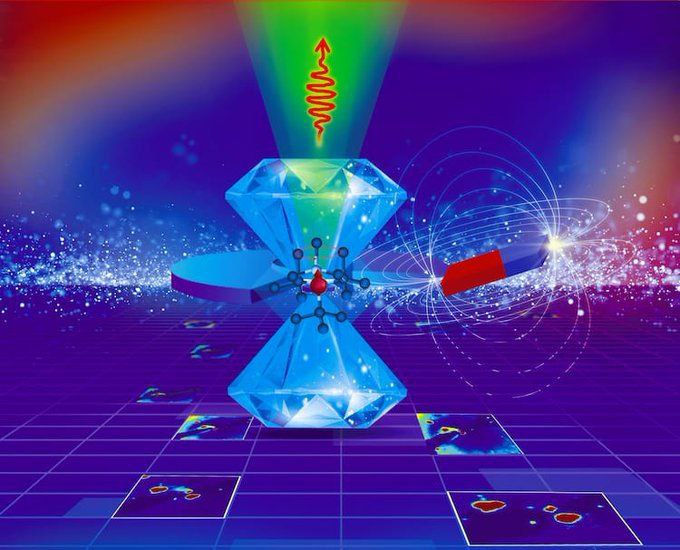
Quantum sensors based on microscopic flaws in the crystalline structure of diamond can work at pressures as high as 140 gigapascals, according to research by physicists in Beijing.
✅ Source: Click here
━━━━━━━━━━━
☢ @Physics ⚡| @Education 📖
━━━━━━━━━━━
☢ @Physics ⚡| @Education 📖
Please open Telegram to view this post
VIEW IN TELEGRAM
🔥17👍11❤9🤩4😱2🎉2
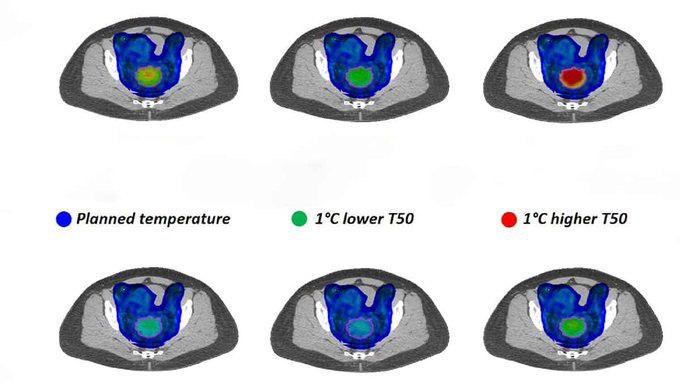
Heating the tumour can enhance the effectiveness of radiation therapy - and it works best with high temperatures and short time intervals between heating and irradiation.
✅ Source: Click here
━━━━━━━━━━━
☢ @Physics ⚡| @Education 📖
━━━━━━━━━━━
☢ @Physics ⚡| @Education 📖
Please open Telegram to view this post
VIEW IN TELEGRAM
👍17❤11🔥7😱3🎉2
Piezoelectricity is the electric charge that accumulates in certain solid materials—such as crystals, certain ceramics, and biological matter such as bone, DNA, and various proteins—in response to applied mechanical stress. The word piezoelectricity means electricity resulting from pressure and latent heat. It is derived from the Greek word πιέζειν; piezein, which means to squeeze or press, and ἤλεκτρον ēlektron, which means amber, an ancient source of electric charge.
The piezoelectric effect results from the linear electromechanical interaction between the mechanical and electrical states in crystalline materials with no inversion symmetry. The piezoelectric effect is a reversible process: materials exhibiting the piezoelectric effect also exhibit the reverse piezoelectric effect, the internal generation of a mechanical strain resulting from an applied electrical field. For example, lead zirconate titanate crystals will generate measurable piezoelectricity when their static structure is deformed by about 0.1% of the original dimension. Conversely, those same crystals will change about 0.1% of their static dimension when an external electric field is applied. The inverse piezoelectric effect is used in the production of ultrasound waves.
━━━━━━━━━━━
☢ @Physics ⚡| @Education 📖
👍28❤13🔥10🤩5🎉2