
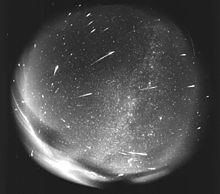
A meteor shower is a celestial event in which a number of meteors are observed to radiate, or originate, from one point in the night sky. These meteors are caused by streams of cosmic debris called meteoroids entering Earth's atmosphere at extremely high speeds on parallel trajectories. Most meteors are smaller than a grain of sand, so almost all of them disintegrate and never hit the Earth's surface. Very intense or unusual meteor showers are known as meteor outbursts and meteor storms, which produce at least 1,000 meteors an hour, most notably from the Leonids. The Meteor Data Centre lists over 900 suspected meteor showers of which about 100 are well established. Several organizations point to viewing opportunities on the Internet. NASA maintains a daily map of active meteor showers.
━━━━━━━━━━━
☢ @Physics ⚡| @Education 📖
━━━━━━━━━━━
☢ @Physics ⚡| @Education 📖
👍22🔥11❤7🤩5
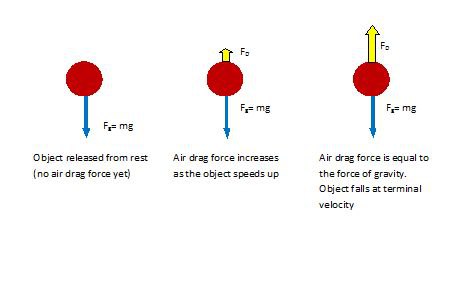
Terminal velocity is the maximum velocity (speed) attainable by an object as it falls through a fluid (air is the most common example). It occurs when the sum of the drag force (Fd) and the buoyancy is equal to the downward force of gravity (Fg) acting on the object. Since the net force on the object is zero, the object has zero acceleration.
In fluid dynamics an object is moving at its terminal velocity if its speed is constant due to the restraining force exerted by the fluid through which it is moving.
As the speed of an object increases, so does the drag force acting on it, which also depends on the substance it is passing through (for example air or water). At some speed, the drag or force of resistance will equal the gravitational pull on the object (buoyancy is considered below). At this point the object stops accelerating and continues falling at a constant speed called the terminal velocity (also called settling velocity). An object moving downward faster than the terminal velocity (for example because it was thrown downwards, it fell from a thinner part of the atmosphere, or it changed shape) will slow down until it reaches the terminal velocity. Drag depends on the projected area, here represented by the object's cross-section or silhouette in a horizontal plane. An object with a large projected area relative to its mass, such as a parachute, has a lower terminal velocity than one with a small projected area relative to its mass, such as a dart. In general, for the same shape and material, the terminal velocity of an object increases with size. This is because the downward force (weight) is proportional to the cube of the linear dimension, but the air resistance is approximately proportional to the cross-section area which increases only as the square of the linear dimension. For very small objects such as dust and mist, the terminal velocity is easily overcome by convection currents which prevent them from reaching the ground and hence they stay suspended in the air for indefinite periods. Air pollution and fog are examples of convection currents.
━━━━━━━━━━━
☢ @Physics ⚡| @Education 📖
👍24❤10🔥9
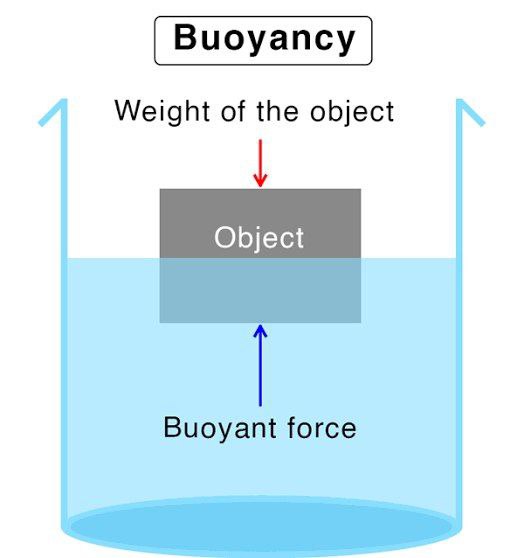
Buoyancy or upthrust, is an upward force exerted by a fluid that opposes the weight of a partially or fully immersed object. In a column of fluid, pressure increases with depth as a result of the weight of the overlying fluid. Thus the pressure at the bottom of a column of fluid is greater than at the top of the column. Similarly, the pressure at the bottom of an object submerged in a fluid is greater than at the top of the object. The pressure difference results in a net upward force on the object. The magnitude of the force is proportional to the pressure difference, and (as explained by Archimedes' principle) is equivalent to the weight of the fluid that would otherwise occupy the submerged volume of the object, i.e. the displaced fluid.
━━━━━━━━━━━
☢ @Physics ⚡| @Education 📖
━━━━━━━━━━━
☢ @Physics ⚡| @Education 📖
👍32🔥13❤10🤩4😁1
Thermal expansion is the tendency of matter to change its shape, area, volume, and density in response to a change in temperature, usually not including phase transitions. Temperature is a monotonic function of the average molecular kinetic energy of a substance. When a substance is heated, molecules begin to vibrate and move more, usually creating more distance between themselves. Substances which contract with increasing temperature are unusual, and only occur within limited temperature ranges (see examples below). The relative expansion (also called strain) divided by the change in temperature is called the material's coefficient of linear thermal expansion and generally varies with temperature. As energy in particles increases, they start moving faster and faster weakening the intermolecular forces between them, therefore expanding the substance.
━━━━━━━━━━━
☢ @Physics ⚡| @Education 📖
━━━━━━━━━━━
☢ @Physics ⚡| @Education 📖

👍28❤15🔥11😱7
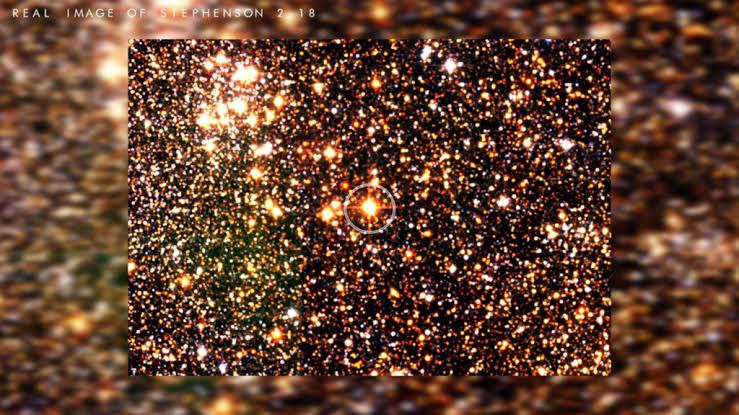
Stephenson 2-18 (abbreviated to St2-18), also known as Stephenson 2 DFK 1 or RSGC2-18, is an enigmatic red supergiant (RSG) or possible extreme red hypergiant (RHG) star in the constellation of Scutum. It lies near the open cluster Stephenson 2, which is located about 5.8 kiloparsecs (19,000 light-years) away from Earth in the Scutum–Centaurus Arm of the Milky Way galaxy, and is assumed to be one of a group of stars at a similar distance, although some sources consider it to be an unrelated or foreground red supergiant. It is among the largest known stars, one of the most luminous red supergiants, and one of the most luminous stars in the Milky Way.
━━━━━━━━━━━
☢ @Physics ⚡| @Education 📖
━━━━━━━━━━━
☢ @Physics ⚡| @Education 📖
👍18🔥17🤩9❤7🎉2
Antares is the brightest star in the constellation of Scorpius. It has the Bayer designation α Scorpii, which is Latinised to Alpha Scorpii. Often referred to as "the heart of the scorpion", Antares is flanked by σ Scorpii and τ Scorpii near the center of the constellation. Distinctly reddish when viewed with the naked eye, Antares is a slow irregular variable star that ranges in brightness from an apparent visual magnitude of +0.6 down to +1.6. It is on average the fifteenth-brightest star in the night sky.
Classified as spectral type M1.5Iab-Ib, Antares is a red supergiant, a large evolved massive star and one of the largest stars visible to the naked eye. Its exact size remains uncertain, but if placed at the center of the Solar System, it would reach to somewhere between the orbits of Mars and Jupiter. Its mass is calculated to be around 12 times that of the Sun.
━━━━━━━━━━━
☢ @Physics ⚡| @Education 📖

👍24🔥15❤10🤩1
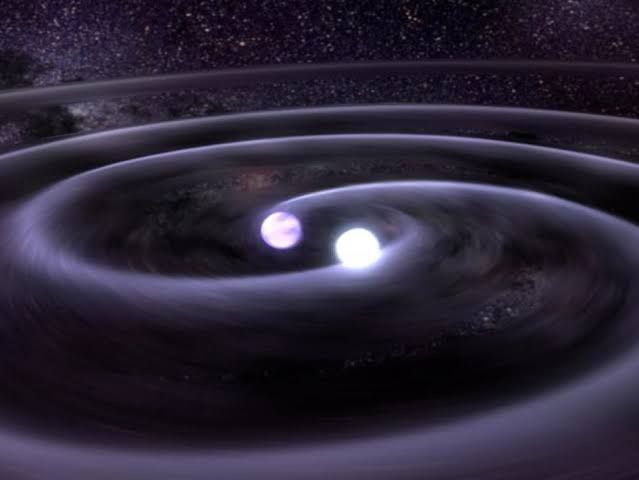
A binary star is a system of two stars that are gravitationally bound to and in orbit around each other. Binary stars in the night sky that are seen as a single object to the naked eye are often resolved using a telescope as separate stars, in which case they are called visual binaries. Many visual binaries have long orbital periods of several centuries or millennia and therefore have orbits which are uncertain or poorly known. They may also be detected by indirect techniques, such as spectroscopy (spectroscopic binaries) or astrometry (astrometric binaries). If a binary star happens to orbit in a plane along our line of sight, its components will eclipse and transit each other; these pairs are called eclipsing binaries, or, together with other binaries that change brightness as they orbit, photometric binaries.
━━━━━━━━━━━
☢ @Physics ⚡| @Education 📖
━━━━━━━━━━━
☢ @Physics ⚡| @Education 📖
🔥27👍18❤7🎉5
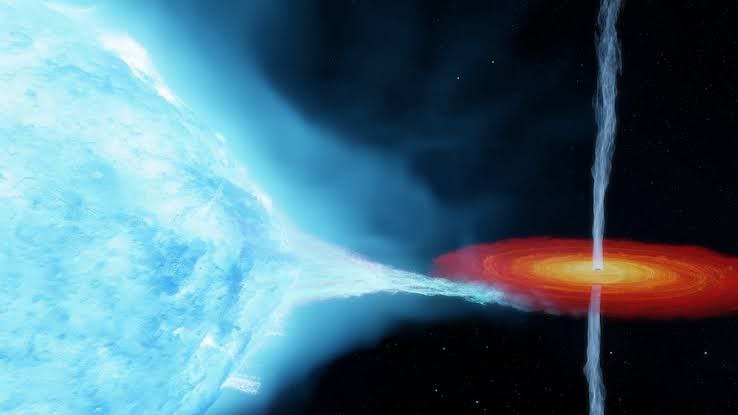
Cygnus X-1 (abbreviated Cyg X-1) is a galactic X-ray source in the constellation Cygnus and was the first such source widely accepted to be a black hole. It was discovered in 1964 during a rocket flight and is one of the strongest X-ray sources detectable from Earth, producing a peak X-ray flux density of 2.3×10⁻²³ W/(m²⋅Hz) (2.3×10³ jansky). It remains among the most studied astronomical objects in its class. The compact object is now estimated to have a mass about 21.2 times the mass of the Sun and has been shown to be too small to be any known kind of normal star or other likely object besides a black hole. If so, the radius of its event horizon has 300 km "as upper bound to the linear dimension of the source region" of occasional X-ray bursts lasting only for about 1 ms.
━━━━━━━━━━━
☢ @Physics ⚡| @Education 📖
━━━━━━━━━━━
☢ @Physics ⚡| @Education 📖
❤25🔥12👍7🤩4
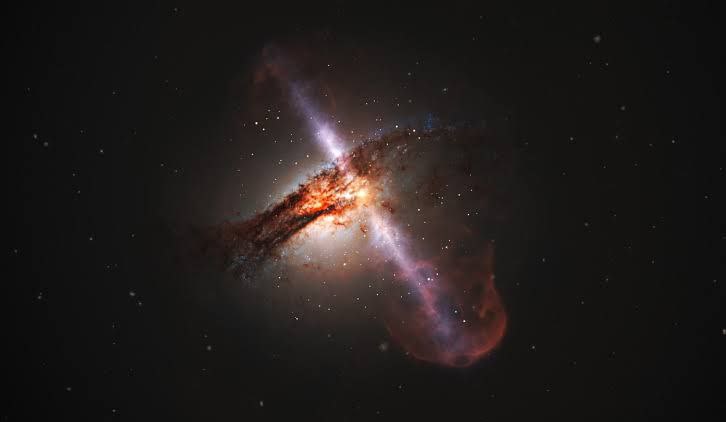
Relativistic jets are beams of ionised matter accelerated close to the speed of light. Most have been observationally associated with central black holes of some active galaxies, radio galaxies or quasars, and also by galactic stellar black holes, neutron stars or pulsars. Beam lengths may extend between several thousand, hundreds of thousands or millions of parsecs. Jet velocities when approaching the speed of light show significant effects of the special theory of relativity; for example, relativistic beaming that changes the apparent beam brightness.
Massive central black holes in galaxies have the most powerful jets, but their structure and behaviours are similar to those of smaller galactic neutron stars and black holes. These SMBH systems are often called microquasars and show a large range of velocities. SS 433 jet, for example, has a mean velocity of 0.26c. Relativistic jet formation may also explain observed gamma-ray bursts.
━━━━━━━━━━━
☢ @Physics ⚡| @Education 📖
👍28🔥9❤6😁2
Water is clear, so why does the snow appear white? It's because of the diffuse reflection of the whole spectrum of light by the tiny crystalline facets of the snowflake. Wavelengths of light are bent slightly by each flake they encounter, and the jumbled mix of all colours of light is what our eyes see as "white."
━━━━━━━━━━━
☢ @Physics ⚡| @Education 📖
━━━━━━━━━━━
☢ @Physics ⚡| @Education 📖

🔥25👍20🤩6❤5
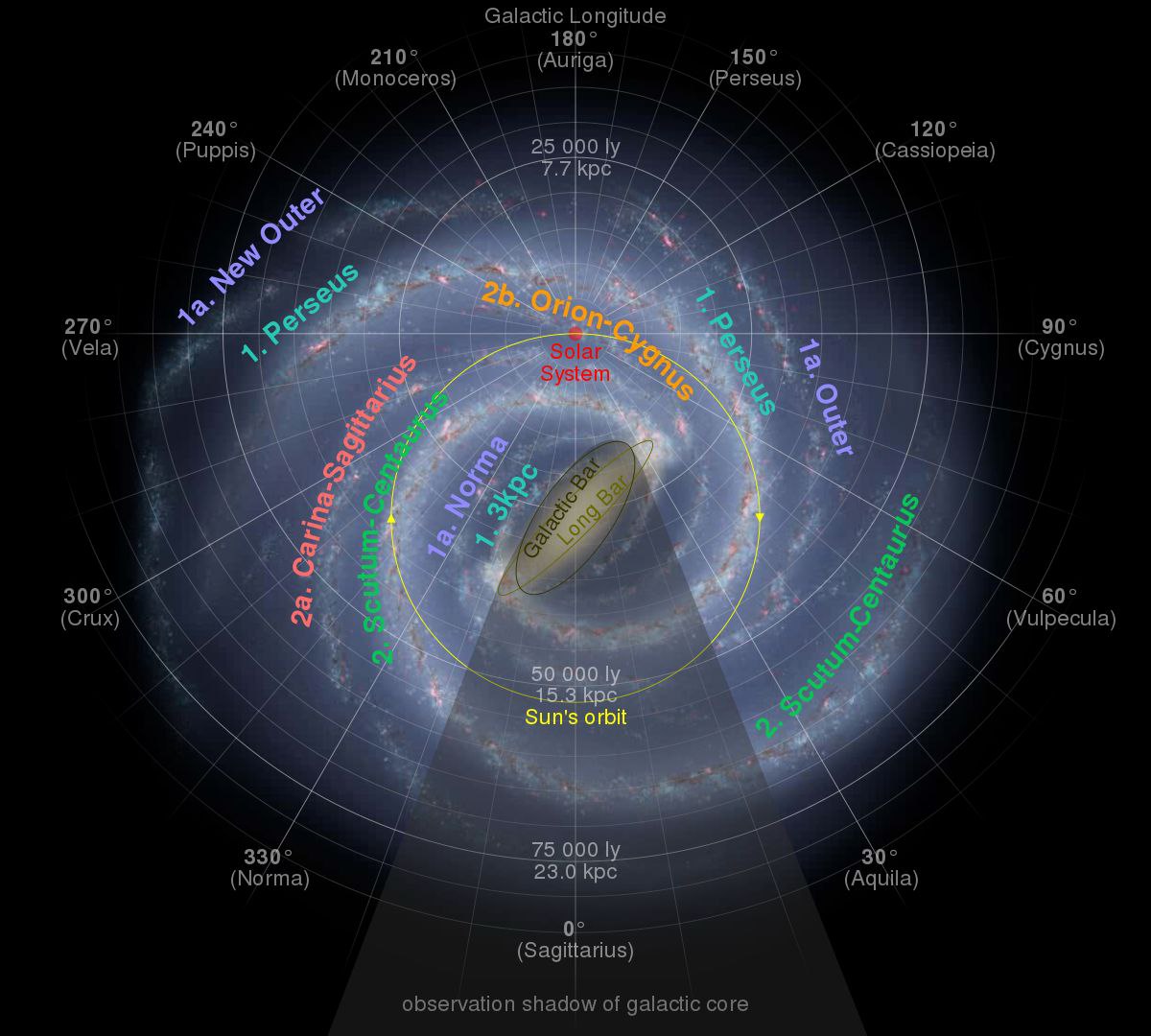
The Scutum–Centaurus Arm, also known as Scutum-Crux arm, is a long, diffuse curving streamer of stars, gas and dust that spirals outward from the proximate end of the Milky Way's central bar. The Milky Way has been posited since the 1950s to have four spiral arms — numerous studies contest or nuance this number. In 2008, observations using the Spitzer Space Telescope failed to show the expected density of red clump giants in the direction of the Sagittarius and Norma arms. In January 2014, a 12-year study into the distribution and lifespan of massive stars and a 2013-reporting study of the distribution of masers and open clusters both found corroboratory, though would not state irrefutable, evidence for four principal spiral arms.
━━━━━━━━━━━
☢ @Physics ⚡| @Education 📖
━━━━━━━━━━━
☢ @Physics ⚡| @Education 📖
👍23🤩9🔥7😱4❤3🎉2