
An exoplanet or extrasolar planet is a planet outside the Solar System. The first possible evidence of an exoplanet was noted in 1917 but was not recognized as such. The first confirmation of detection occurred in 1992. A different planet, initially detected in 1988, was confirmed in 2003. As of 1 December 2022, there are 5,284 confirmed exoplanets in 3,899 planetary systems, with 847 systems having more than one planet.
━━━━━━━━━━━
☢ @Physics ⚡| @Education 📖
━━━━━━━━━━━
☢ @Physics ⚡| @Education 📖

❤25👍15🔥10😱2😁1
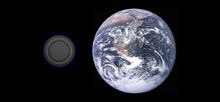
PSR B1257+12 b, alternatively designated PSR B1257+12 A, also named Draugr, is an extrasolar planet approximately 2,300 light-years (710 pc) away in the constellation of Virgo. The planet is the innermost object orbiting the pulsar PSR B1257+12, making it a pulsar planet in the dead stellar system. It is about twice as massive as the Moon, and is listed as the least massive planet (with the mass accurately determined) known, including among the planets in the Solar System.
The image down below depicts the size comparison of PSR B1257+12 b with Earth. (Based on selected hypothetical modeled compositions).
━━━━━━━━━━━
☢ @Physics ⚡| @Education 📖
The image down below depicts the size comparison of PSR B1257+12 b with Earth. (Based on selected hypothetical modeled compositions).
━━━━━━━━━━━
☢ @Physics ⚡| @Education 📖
👍15❤10🔥5🎉2😱1
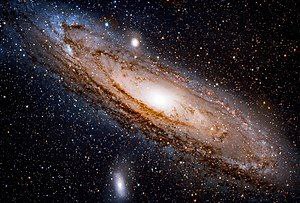
The Andromeda Galaxy, also known as Messier 31, M31, or NGC 224 and originally the Andromeda Nebula, is a barred spiral galaxy with the diameter of about 46.56 kiloparsecs (152,000 light-years) approximately 2.5 million light-years (765 kiloparsecs) from Earth and the nearest large galaxy to the Milky Way. The galaxy's name stems from the area of Earth's sky in which it appears, the constellation of Andromeda, which itself is named after the princess who was the wife of Perseus in Greek mythology.
━━━━━━━━━━━
☢ @Physics ⚡| @Education 📖
━━━━━━━━━━━
☢ @Physics ⚡| @Education 📖
👍24❤12🔥11😱5
Luminosity is an absolute measure of radiated electromagnetic power (light), the radiant power emitted by a light-emitting object over time. In astronomy, luminosity is the total amount of electromagnetic energy emitted per unit of time by a star, galaxy, or other astronomical object.
━━━━━━━━━━━
☢ @Physics ⚡| @Education 📖
━━━━━━━━━━━
☢ @Physics ⚡| @Education 📖

🔥23👍19❤10🤩6😢3
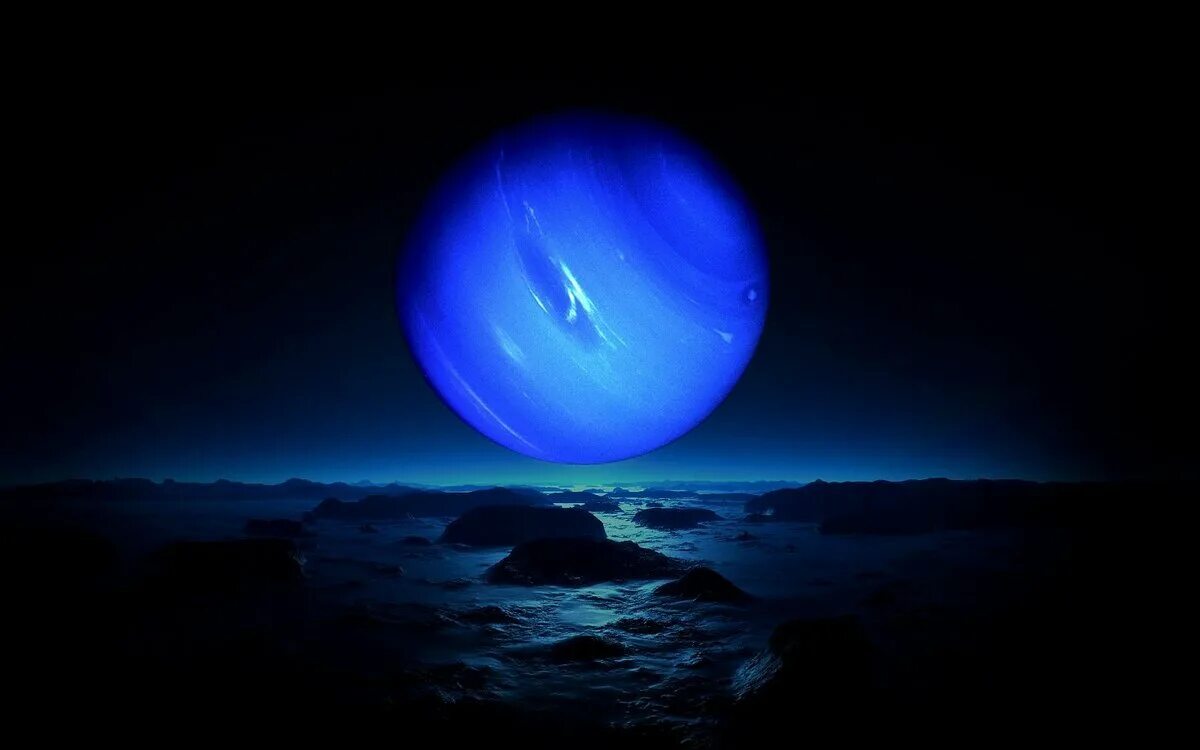
A gas giant is a giant planet composed mainly of hydrogen and helium. Gas giants are also called failed stars because they contain the same basic elements as a star. Jupiter and Saturn are the gas giants of the Solar System. The term "gas giant" was originally synonymous with "giant planet". However, in the 1990s, it became known that Uranus and Neptune are really a distinct class of giant planets, being composed mainly of heavier volatile substances (which are referred to as "ices"). For this reason, Uranus and Neptune are now often classified in the separate category of ice giants.
━━━━━━━━━━━
☢ @Physics ⚡| @Education 📖
━━━━━━━━━━━
☢ @Physics ⚡| @Education 📖
👍30🔥11❤10😱6
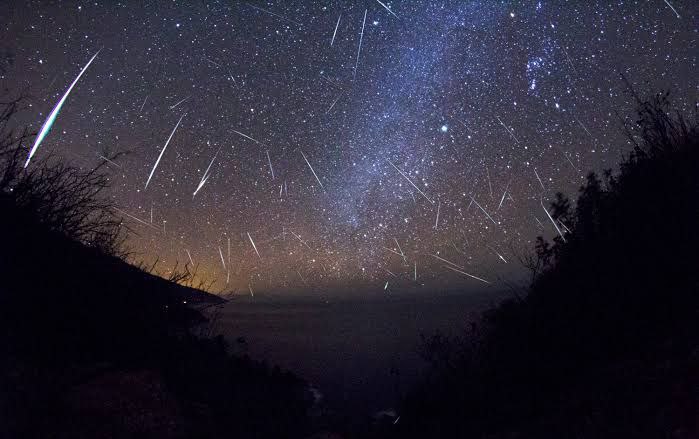
The Geminids are a prolific meteor shower caused by the object 3200 Phaethon, which is thought to be a Palladian asteroid with a "rock comet" orbit. This would make the Geminids, together with the Quadrantids, the only major meteor showers not originating from a comet. The meteors from this shower are slow moving, can be seen in December and usually peak around December 4–16, with the date of highest intensity being the morning of December 14. The shower is thought to be intensifying every year and recent showers have seen 120–160 meteors per hour under optimal conditions, generally around 02:00 to 03:00 local time. Geminids were first observed in 1862, much more recently than other showers such as the Perseids (36 AD) and Leonids (902 AD).
━━━━━━━━━━━
☢ @Physics ⚡| @Education 📖
━━━━━━━━━━━
☢ @Physics ⚡| @Education 📖
🔥15❤12👍7😱6🤩6🎉2😢1
In astronomy and navigation, the celestial sphere is an abstract sphere that has an arbitrarily large radius and is concentric to Earth. All objects in the sky can be conceived as being projected upon the inner surface of the celestial sphere, which may be centered on Earth or the observer. If centered on the observer, half of the sphere would resemble a hemispherical screen over the observing location. The celestial sphere is a conceptual tool used in spherical astronomy to specify the position of an object in the sky without consideration of its linear distance from the observer. The celestial equator divides the celestial sphere into northern and southern hemispheres.
━━━━━━━━━━━
☢ @Physics ⚡| @Education 📖
━━━━━━━━━━━
☢ @Physics ⚡| @Education 📖
👍28🔥11❤10😱3
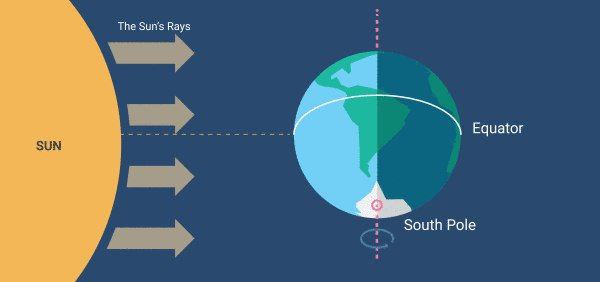
▶️ The September equinox (or southward equinox) is the moment when the Sun appears to cross the celestial equator, heading southward. Because of differences between the calendar year and the tropical year, the September equinox may occur anytime from September 21 to 24.
▶️ At the equinox, the Sun as viewed from the equator rises due east and sets due west. Before the Southward equinox, the Sun rises and sets more northerly, and afterwards, it rises and sets more southerly.
▶️ The equinox may be taken to mark the end of astronomical summer and the beginning of astronomical autumn (autumnal equinox) in the Northern Hemisphere, while marking the end of astronomical winter and the start of astronomical spring (vernal equinox) in the Southern Hemisphere.
━━━━━━━━━━━
☢ @Physics ⚡| @Education 📖
👍19❤12🔥8😱3
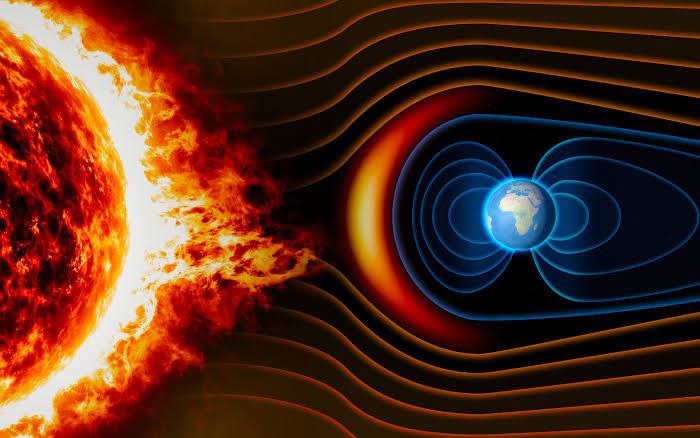
A magnetosphere is a region of space surrounding an astronomical object in which charged particles are affected by that object's magnetic field. It is created by a celestial body with an active interior dynamo. In the space environment close to a planetary body, the magnetic field resembles a magnetic dipole. Farther out, field lines can be significantly distorted by the flow of electrically conducting plasma, as emitted from the Sun (i.e., the solar wind) or a nearby star.[3][4] Planets having active magnetospheres, like the Earth, are capable of mitigating or blocking the effects of solar radiation or cosmic radiation, that also protects all living organisms from potentially detrimental and dangerous consequences. This is studied under the specialized scientific subjects of plasma physics, space physics and aeronomy.
━━━━━━━━━━━
☢ @Physics ⚡| @Education 📖
━━━━━━━━━━━
☢ @Physics ⚡| @Education 📖
👍27❤12🔥12😱4🎉4
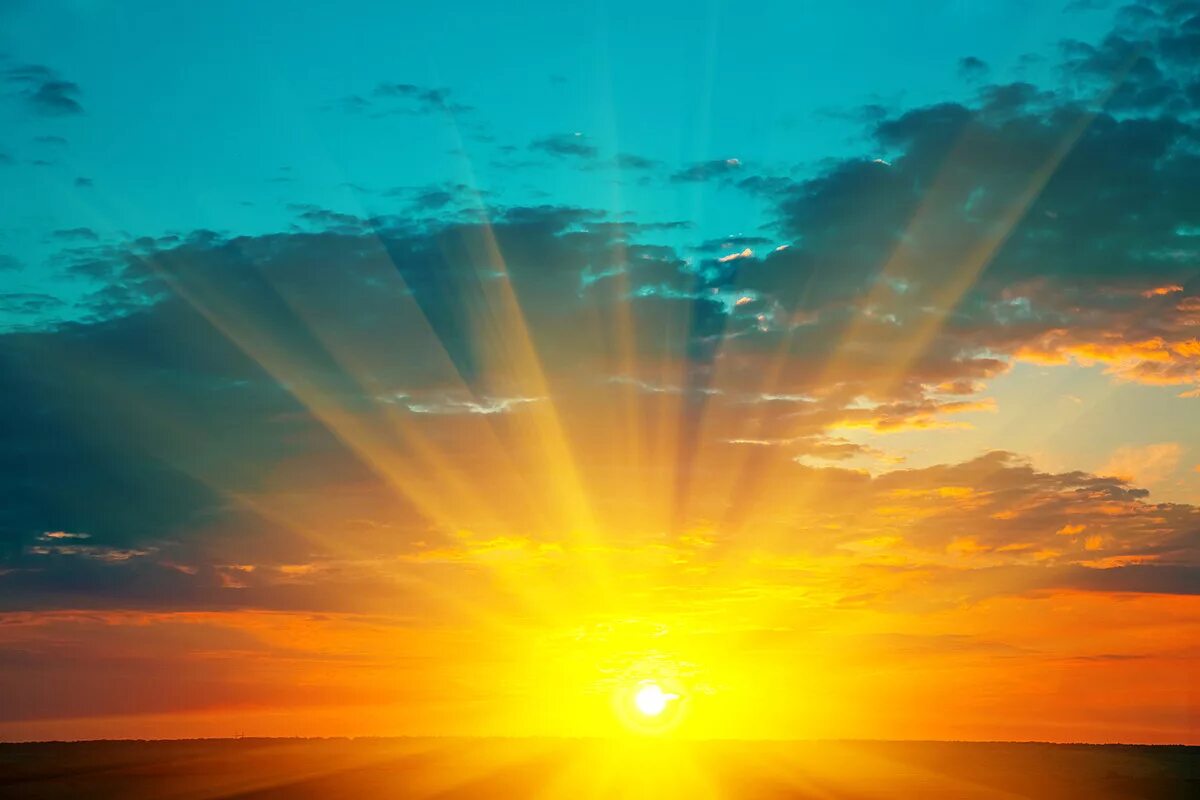
If our Sun is made to shrink to a radius of 3 Km, it'll collapse under its own gravity and become a black hole.
━━━━━━━━━━━
☢ @Physics ⚡| @Education 📖
━━━━━━━━━━━
☢ @Physics ⚡| @Education 📖
👍36😱27❤12🔥5😢1
Apparent magnitude (m) is a measure of the brightness of a star or other astronomical object observed from Earth. An object's apparent magnitude depends on its intrinsic luminosity, its distance from Earth, and any extinction of the object's light caused by interstellar dust along the line of sight to the observer.
The word magnitude in astronomy, unless stated otherwise, usually refers to a celestial object's apparent magnitude. The magnitude scale dates back to the ancient Roman astronomer Claudius Ptolemy, whose star catalog listed stars from 1st magnitude (brightest) to 6th magnitude (dimmest). The modern scale was mathematically defined in a way to closely match this historical system.
━━━━━━━━━━━
☢ @Physics ⚡| @Education 📖
🔥25👍16❤9🤩2