
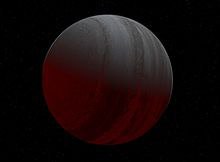
Hot Jupiters (sometimes called hot Saturns) are a class of gas giant exoplanets that are inferred to be physically similar to Jupiter but that have very short orbital periods (P < 10 days). The close proximity to their stars and high surface-atmosphere temperatures resulted in their informal name "hot Jupiters". Hot Jupiters are the easiest extrasolar planets to detect via the radial-velocity method, because the oscillations they induce in their parent stars' motion are relatively large and rapid compared to those of other known types of planets. One of the best-known hot Jupiters is 51 Pegasi b. Discovered in 1995, it was the first extrasolar planet found orbiting a Sun-like star. 51 Pegasi b has an orbital period of about 4 days.
━━━━━━━━━━━
☢ @Physics ⚡| @Education 📖
━━━━━━━━━━━
☢ @Physics ⚡| @Education 📖
👍22🔥9😱7❤6
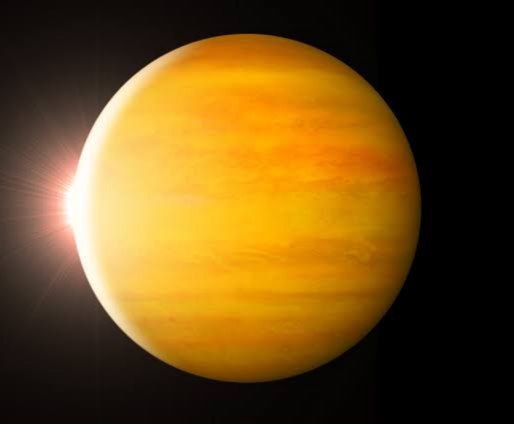
51 Pegasi b, officially named Dimidium, and formerly unofficially dubbed as Bellerophon, is an extrasolar planet approximately 50 light-years (15 parsecs) away in the constellation of Pegasus. It was the first exoplanet to be discovered orbiting a main-sequence star, the Sun-like 51 Pegasi, and marked a breakthrough in astronomical research. It is the prototype for a class of planets called hot Jupiters.
━━━━━━━━━━━
☢ @Physics ⚡| @Education 📖
━━━━━━━━━━━
☢ @Physics ⚡| @Education 📖
❤22👍10🔥6
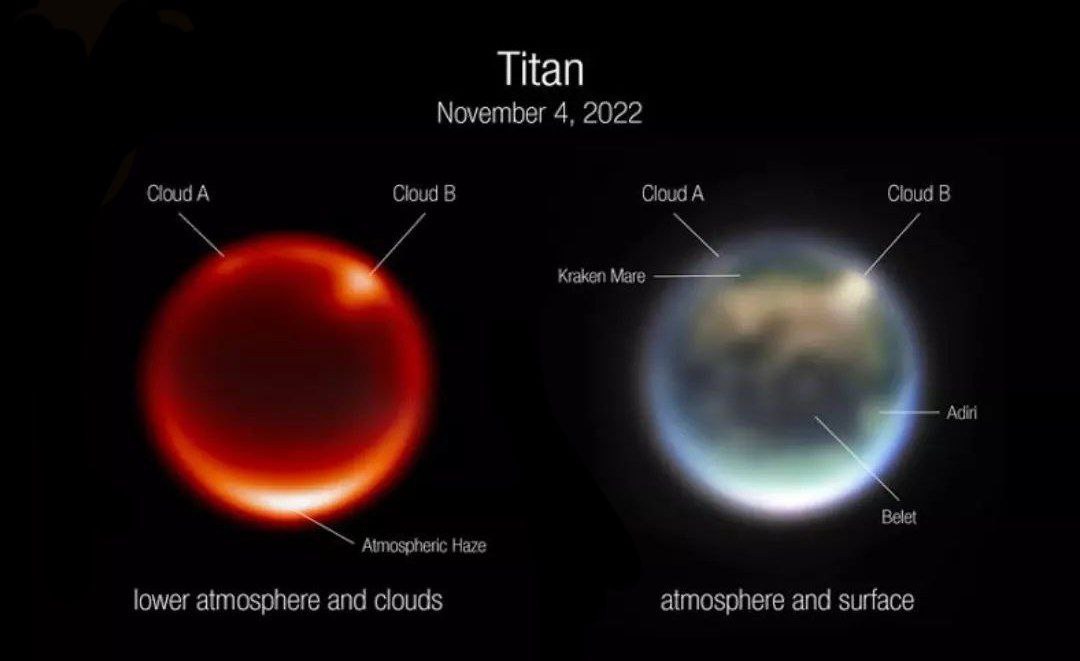
🪐 JAMES WEBB SPACE TELESCOPE (JWST) HAS TAKEN PICTURES OF CLOUDS ON SATURN’S MOON TITAN
▶️ Saturn’s largest moon. It appears in rare form in the new JWST imagery, and astronomers are thrilled. Features on Titan, including a methane sea called Kraken Mare, and the dark-colored sand dunes of Belet, appear in JWST’s observations. An international team of researchers shared their Titan chronicle Thursday, December 1, via a blog NASA runs for JWST.
━━━━━━━━━━━
☢ @Physics ⚡| @Education 📖
🔥28👍18🤩8😁3🎉1
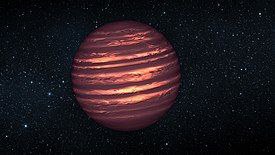
Brown dwarfs (also called failed stars) are substellar objects that are not massive enough to sustain nuclear fusion of ordinary hydrogen (¹H) into helium in their cores, unlike a main-sequence star. Instead, they have a mass between the most massive gas giant planets and the least massive stars, approximately 13 to 80 times that of Jupiter (Mⱼ). However, they can fuse deuterium (²H), and the most massive ones (> 65 Mⱼ) can fuse lithium (⁷Li).
━━━━━━━━━━━
☢ @Physics ⚡| @Education 📖
━━━━━━━━━━━
☢ @Physics ⚡| @Education 📖
🔥22👍15😁3🤩3
On an average, an adult's heart beats 72 times a minute. In a lifetime, it creates enough energy to drive a truck to the moon and back to the Earth.
━━━━━━━━━━━
☢ @Physics ⚡| @Education 📖
━━━━━━━━━━━
☢ @Physics ⚡| @Education 📖

❤53😱25👍18🔥13🤩6
Every star you see in a night sky or a single dot of light is actually a nuclear reactor bigger than the Earth which produces 1015 times more energy in an hour than total energy released in a nuclear in a year.
━━━━━━━━━━━
☢ @Physics ⚡| @Education 📖
━━━━━━━━━━━
☢ @Physics ⚡| @Education 📖

👍37❤22🔥16
An exoplanet or extrasolar planet is a planet outside the Solar System. The first possible evidence of an exoplanet was noted in 1917 but was not recognized as such. The first confirmation of detection occurred in 1992. A different planet, initially detected in 1988, was confirmed in 2003. As of 1 December 2022, there are 5,284 confirmed exoplanets in 3,899 planetary systems, with 847 systems having more than one planet.
━━━━━━━━━━━
☢ @Physics ⚡| @Education 📖
━━━━━━━━━━━
☢ @Physics ⚡| @Education 📖

❤25👍15🔥10😱2😁1
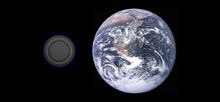
PSR B1257+12 b, alternatively designated PSR B1257+12 A, also named Draugr, is an extrasolar planet approximately 2,300 light-years (710 pc) away in the constellation of Virgo. The planet is the innermost object orbiting the pulsar PSR B1257+12, making it a pulsar planet in the dead stellar system. It is about twice as massive as the Moon, and is listed as the least massive planet (with the mass accurately determined) known, including among the planets in the Solar System.
The image down below depicts the size comparison of PSR B1257+12 b with Earth. (Based on selected hypothetical modeled compositions).
━━━━━━━━━━━
☢ @Physics ⚡| @Education 📖
The image down below depicts the size comparison of PSR B1257+12 b with Earth. (Based on selected hypothetical modeled compositions).
━━━━━━━━━━━
☢ @Physics ⚡| @Education 📖
👍15❤10🔥5🎉2😱1
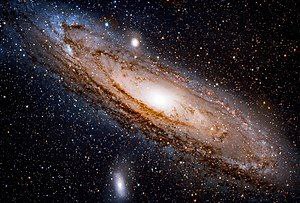
The Andromeda Galaxy, also known as Messier 31, M31, or NGC 224 and originally the Andromeda Nebula, is a barred spiral galaxy with the diameter of about 46.56 kiloparsecs (152,000 light-years) approximately 2.5 million light-years (765 kiloparsecs) from Earth and the nearest large galaxy to the Milky Way. The galaxy's name stems from the area of Earth's sky in which it appears, the constellation of Andromeda, which itself is named after the princess who was the wife of Perseus in Greek mythology.
━━━━━━━━━━━
☢ @Physics ⚡| @Education 📖
━━━━━━━━━━━
☢ @Physics ⚡| @Education 📖
👍24❤12🔥11😱5
Luminosity is an absolute measure of radiated electromagnetic power (light), the radiant power emitted by a light-emitting object over time. In astronomy, luminosity is the total amount of electromagnetic energy emitted per unit of time by a star, galaxy, or other astronomical object.
━━━━━━━━━━━
☢ @Physics ⚡| @Education 📖
━━━━━━━━━━━
☢ @Physics ⚡| @Education 📖

🔥23👍19❤10🤩6😢3