
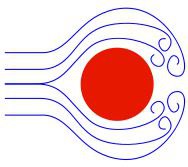
In fluid dynamics, drag (sometimes called air resistance, a type of friction, or fluid resistance, another type of friction or fluid friction) is a force acting opposite to the relative motion of any object moving with respect to a surrounding fluid.[1] This can exist between two fluid layers (or surfaces) or between a fluid and a solid surface. Unlike other resistive forces, such as dry friction, which are nearly independent of velocity, the drag force depends on velocity.
Drag force is proportional to the velocity for low-speed flow and the squared velocity for high speed flow, where the distinction between low and high speed is measured by the Reynolds number. Even though the ultimate cause of drag is viscous friction, turbulent drag is independent of viscosity.
Drag forces always tend to decrease fluid velocity relative to the solid object in the fluid's path.
━━━━━━━━━━━━
☢ @Physics ⚡| @Education 📖
👍17🔥17❤8😱3🎉3😁1
A photographer uses a gyroscopic camera to capture an incredible video of the Earth's rotation.
━━━━━━━━━━━━
☢ @Physics ⚡| @Education 📖
━━━━━━━━━━━━
☢ @Physics ⚡| @Education 📖
❤60👍35🔥20🤩20😱13🎉3
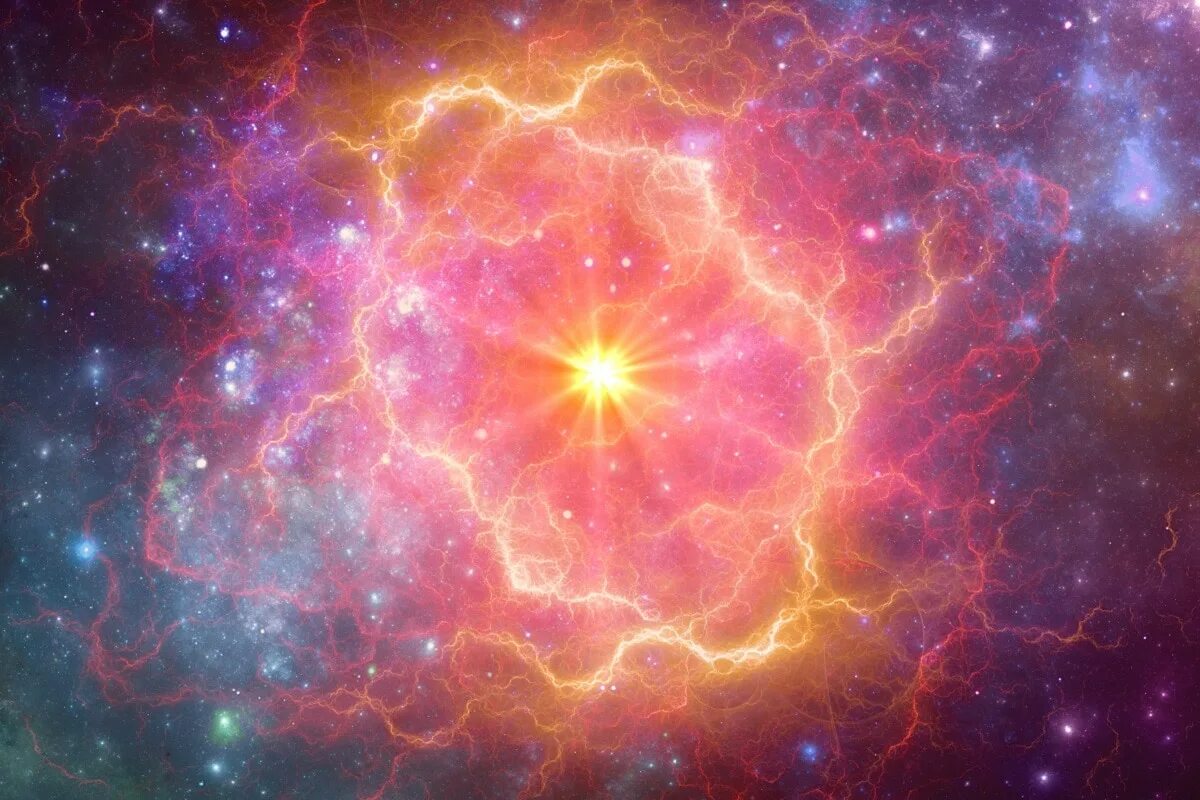
🔵 WHAT IF OUR SUN EXPLODES INTO A SUPERNOVA❓
▶️ If you place a hydrogen bomb right in front of your eyeball and detonate it, that explosion would be a billion times less brighter compared to the Sun exploding into a supernova.
━━━━━━━━━━━
☢ @Physics ⚡| @Education 📖
▶️ If you place a hydrogen bomb right in front of your eyeball and detonate it, that explosion would be a billion times less brighter compared to the Sun exploding into a supernova.
━━━━━━━━━━━
☢ @Physics ⚡| @Education 📖
🔥36👍15😱14❤13🎉2
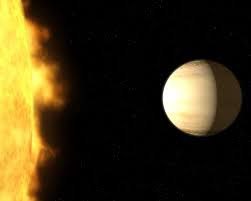
WASP-39b, officially named Bocaprins, is a "hot Jupiter" extrasolar planet discovered in February 2011 by the WASP (Wide Angle Search for Planets) project, notable for containing a substantial amount of water in its atmosphere. In addition, for the first time for any exoplanet, WASP-39b was found to contain carbon dioxide in its atmosphere.
━━━━━━━━━━━
☢ @Physics ⚡| @Education 📖
━━━━━━━━━━━
☢ @Physics ⚡| @Education 📖
🔥18👍15❤10😱1
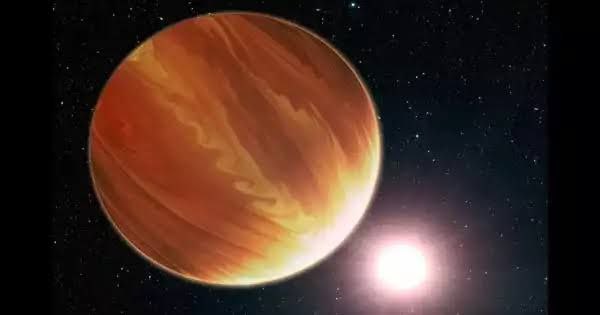
HD 209458 b, which is also nicknamed Osiris after the Egyptian god, is an exoplanet that orbits the solar analog HD 209458 in the constellation Pegasus, some 159 light-years (49 parsecs) from the Solar System. The radius of the planet's orbit is 0.047 AU (7.0 million km; 4.4 million mi), or one-eighth the radius of Mercury's orbit (0.39 AU (36 million mi; 58 million km)). This small radius results in a year that is 3.5 Earth-days long and an estimated surface temperature of about 1,000 °C (1,800 °F; 1,300 K). Its mass is 220 times that of Earth (0.69 Jupiter masses) and its volume is some 2.5 times greater than that of Jupiter. The high mass and volume of HD 209458 b indicate that it is a gas giant.
━━━━━━━━━━━
☢ @Physics ⚡| @Education 📖
━━━━━━━━━━━
☢ @Physics ⚡| @Education 📖
🔥22👍20❤6😱4
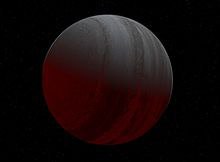
Hot Jupiters (sometimes called hot Saturns) are a class of gas giant exoplanets that are inferred to be physically similar to Jupiter but that have very short orbital periods (P < 10 days). The close proximity to their stars and high surface-atmosphere temperatures resulted in their informal name "hot Jupiters". Hot Jupiters are the easiest extrasolar planets to detect via the radial-velocity method, because the oscillations they induce in their parent stars' motion are relatively large and rapid compared to those of other known types of planets. One of the best-known hot Jupiters is 51 Pegasi b. Discovered in 1995, it was the first extrasolar planet found orbiting a Sun-like star. 51 Pegasi b has an orbital period of about 4 days.
━━━━━━━━━━━
☢ @Physics ⚡| @Education 📖
━━━━━━━━━━━
☢ @Physics ⚡| @Education 📖
👍22🔥9😱7❤6
51 Pegasi b, officially named Dimidium, and formerly unofficially dubbed as Bellerophon, is an extrasolar planet approximately 50 light-years (15 parsecs) away in the constellation of Pegasus. It was the first exoplanet to be discovered orbiting a main-sequence star, the Sun-like 51 Pegasi, and marked a breakthrough in astronomical research. It is the prototype for a class of planets called hot Jupiters.
━━━━━━━━━━━
☢ @Physics ⚡| @Education 📖
━━━━━━━━━━━
☢ @Physics ⚡| @Education 📖
❤22👍10🔥6
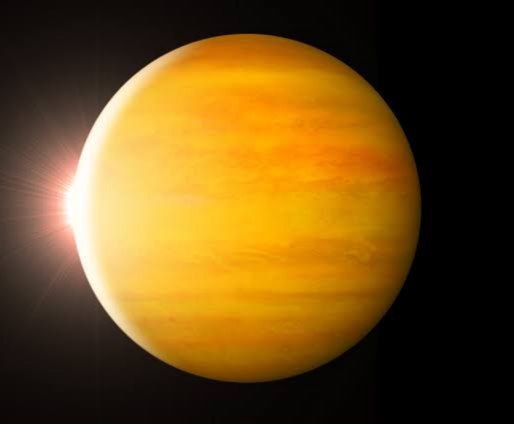
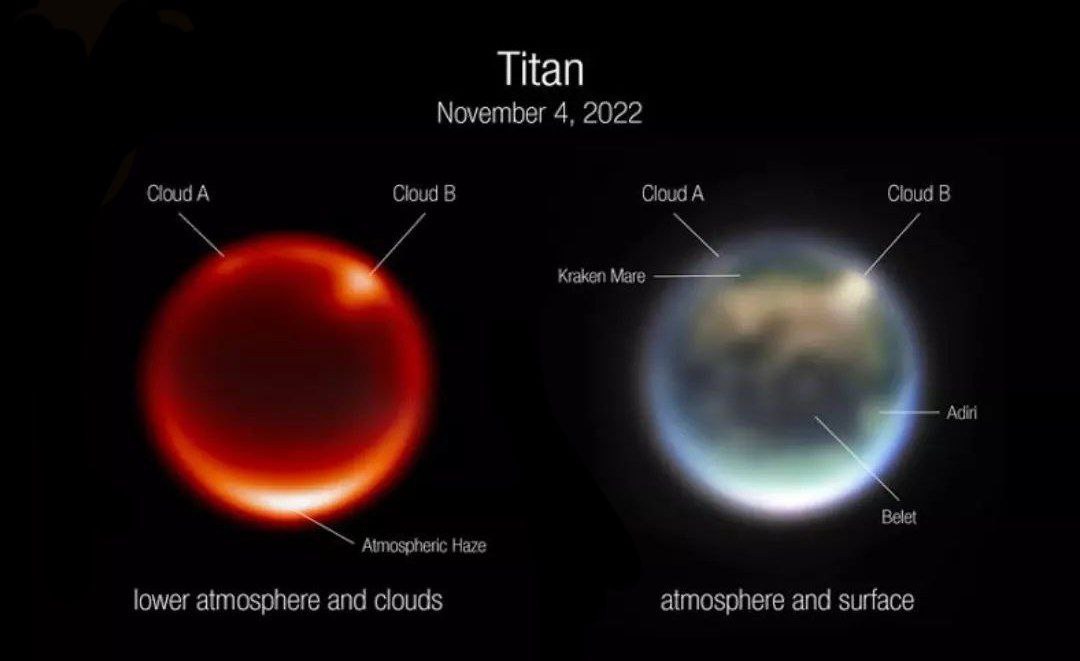
🪐 JAMES WEBB SPACE TELESCOPE (JWST) HAS TAKEN PICTURES OF CLOUDS ON SATURN’S MOON TITAN
▶️ Saturn’s largest moon. It appears in rare form in the new JWST imagery, and astronomers are thrilled. Features on Titan, including a methane sea called Kraken Mare, and the dark-colored sand dunes of Belet, appear in JWST’s observations. An international team of researchers shared their Titan chronicle Thursday, December 1, via a blog NASA runs for JWST.
━━━━━━━━━━━
☢ @Physics ⚡| @Education 📖
🔥28👍18🤩8😁3🎉1
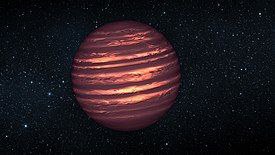
Brown dwarfs (also called failed stars) are substellar objects that are not massive enough to sustain nuclear fusion of ordinary hydrogen (¹H) into helium in their cores, unlike a main-sequence star. Instead, they have a mass between the most massive gas giant planets and the least massive stars, approximately 13 to 80 times that of Jupiter (Mⱼ). However, they can fuse deuterium (²H), and the most massive ones (> 65 Mⱼ) can fuse lithium (⁷Li).
━━━━━━━━━━━
☢ @Physics ⚡| @Education 📖
━━━━━━━━━━━
☢ @Physics ⚡| @Education 📖
🔥22👍15😁3🤩3
On an average, an adult's heart beats 72 times a minute. In a lifetime, it creates enough energy to drive a truck to the moon and back to the Earth.
━━━━━━━━━━━
☢ @Physics ⚡| @Education 📖
━━━━━━━━━━━
☢ @Physics ⚡| @Education 📖

❤53😱25👍18🔥13🤩6
Every star you see in a night sky or a single dot of light is actually a nuclear reactor bigger than the Earth which produces 1015 times more energy in an hour than total energy released in a nuclear in a year.
━━━━━━━━━━━
☢ @Physics ⚡| @Education 📖
━━━━━━━━━━━
☢ @Physics ⚡| @Education 📖

👍37❤22🔥16