
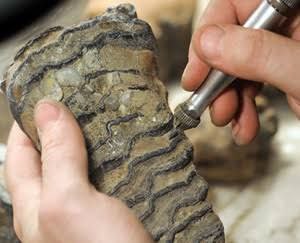
Radiometric dating, radioactive dating or radioisotope dating is a technique which is used to date materials such as rocks or carbon, in which trace radioactive impurities were selectively incorporated when they were formed. The method compares the abundance of a naturally occurring radioactive isotope within the material to the abundance of its decay products, which form at a known constant rate of decay. The use of radiometric dating was first published in 1907 by Bertram Boltwood and is now the principal source of information about the absolute age of rocks and other geological features, including the age of fossilized life forms or the age of the Earth itself, and can also be used to date a wide range of natural and man-made materials.
Together with stratigraphic principles, radiometric dating methods are used in geochronology to establish the geologic time scale. Among the best-known techniques are radiocarbon dating, potassium–argon dating and uranium–lead dating. By allowing the establishment of geological timescales, it provides a significant source of information about the ages of fossils and the deduced rates of evolutionary change. Radiometric dating is also used to date archaeological materials, including ancient artifacts.
Different methods of radiometric dating vary in the timescale over which they are accurate and the materials to which they can be applied.
━━━━━━━━━━━━
☢ @Physics ⚡| @Education 📖
👍27🔥9❤8😁1
The temperature and dampness of clouds changes constantly, which affects the shape of each snowflake. Even though snowflakes can change shape so quickly, the hexagonal symmetry is maintained.
━━━━━━━━━━━━
☢ @Physics ⚡| @Education 📖
━━━━━━━━━━━━
☢ @Physics ⚡| @Education 📖

🔥22👍15❤10🎉3
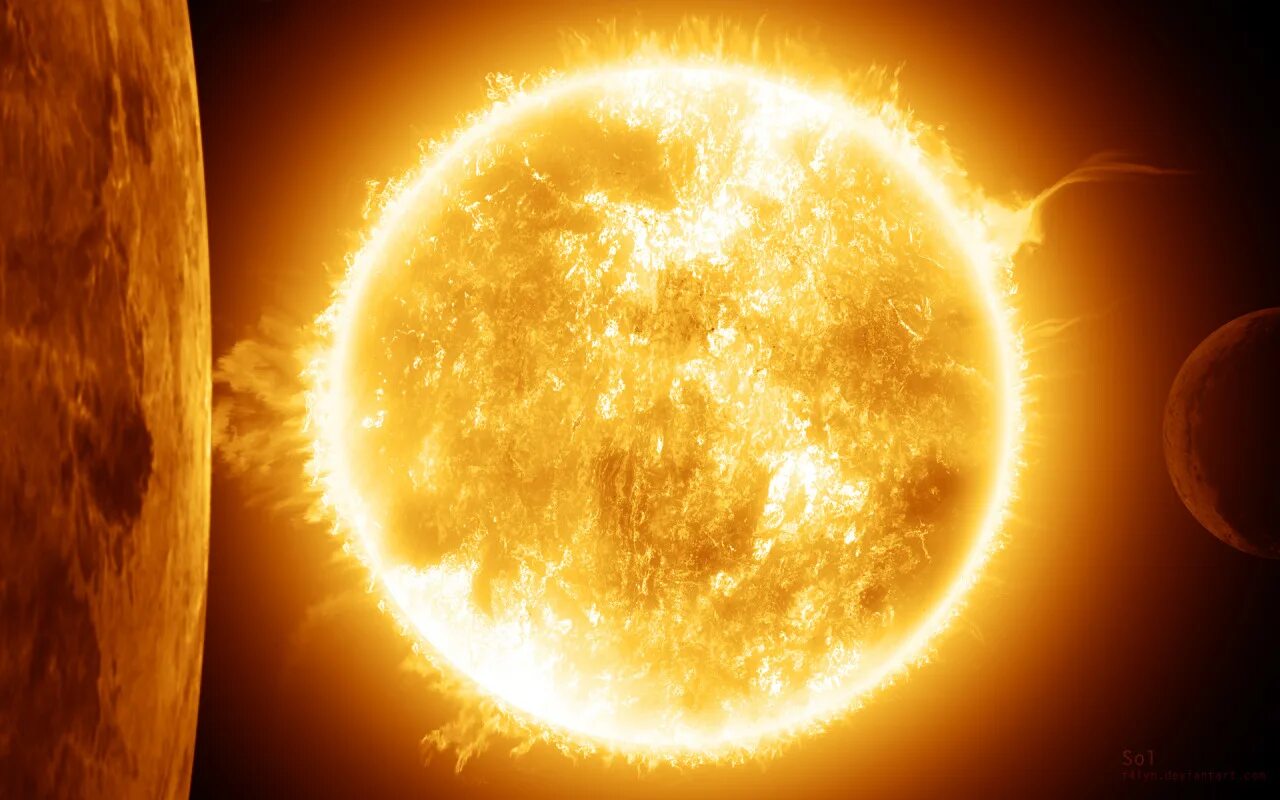
🌞 MISCONCEPTION: THE SUN IS A BIG YELLOW BALL OF FIRE
✅ TRUTH: Not quite, it's a big whitish ball of plasma, but it looks yellow to us (or orange or red at sunsent) because short-wavelength colours (green, blue, violet) get scattered as they pass through Earth's atmosphere, leaving us to see the longer wavelengths.
━━━━━━━━━━━━
☢ @Physics ⚡| @Education 📖
❤37👍18🔥8
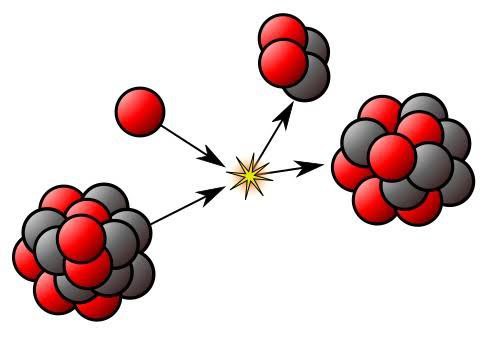
▶️ A radiogenic nuclide is a nuclide that is produced by a process of radioactive decay. It may itself be radioactive (a radionuclide) or stable (a stable nuclide).
▶️ Radiogenic nuclides (more commonly referred to as radiogenic isotopes) form some of the most important tools in geology. They are used in two principal ways:
1⃣ In comparison with the quantity of the radioactive 'parent isotope' in a system, the quantity of the radiogenic 'daughter product' is used as a radiometric dating tool (e.g. uranium–lead geochronology).
2⃣ In comparison with the quantity of a non-radiogenic isotope of the same element, the quantity of the radiogenic isotope is used to define its isotopic signature (e.g. ²⁰⁶Pb/²⁰⁴Pb). This technique is discussed in more detail under the heading isotope geochemistry.
━━━━━━━━━━━━
☢ @Physics ⚡| @Education 📖
❤19👍14🔥13
A radionuclide (radioactive nuclide, radioisotope or radioactive isotope) is a nuclide that has excess nuclear energy, making it unstable. This excess energy can be used in one of three ways: emitted from the nucleus as gamma radiation; transferred to one of its electrons to release it as a conversion electron; or used to create and emit a new particle (alpha particle or beta particle) from the nucleus. During those processes, the radionuclide is said to undergo radioactive decay. These emissions are considered ionizing radiation because they are energetic enough to liberate an electron from another atom. The radioactive decay can produce a stable nuclide or will sometimes produce a new unstable radionuclide which may undergo further decay. Radioactive decay is a random process at the level of single atoms: it is impossible to predict when one particular atom will decay. However, for a collection of atoms of a single nuclide the decay rate, and thus the half-life (t1/2) for that collection, can be calculated from their measured decay constants. The range of the half-lives of radioactive atoms has no known limits and spans a time range of over 55 orders of magnitude.
━━━━━━━━━━━━
☢ @Physics ⚡| @Education 📖
━━━━━━━━━━━━
☢ @Physics ⚡| @Education 📖

🔥23❤11👍11
In fluid dynamics, drag (sometimes called air resistance, a type of friction, or fluid resistance, another type of friction or fluid friction) is a force acting opposite to the relative motion of any object moving with respect to a surrounding fluid.[1] This can exist between two fluid layers (or surfaces) or between a fluid and a solid surface. Unlike other resistive forces, such as dry friction, which are nearly independent of velocity, the drag force depends on velocity.
Drag force is proportional to the velocity for low-speed flow and the squared velocity for high speed flow, where the distinction between low and high speed is measured by the Reynolds number. Even though the ultimate cause of drag is viscous friction, turbulent drag is independent of viscosity.
Drag forces always tend to decrease fluid velocity relative to the solid object in the fluid's path.
━━━━━━━━━━━━
☢ @Physics ⚡| @Education 📖

👍17🔥17❤8😱3🎉3😁1
A photographer uses a gyroscopic camera to capture an incredible video of the Earth's rotation.
━━━━━━━━━━━━
☢ @Physics ⚡| @Education 📖
━━━━━━━━━━━━
☢ @Physics ⚡| @Education 📖
❤60👍35🔥20🤩20😱13🎉3
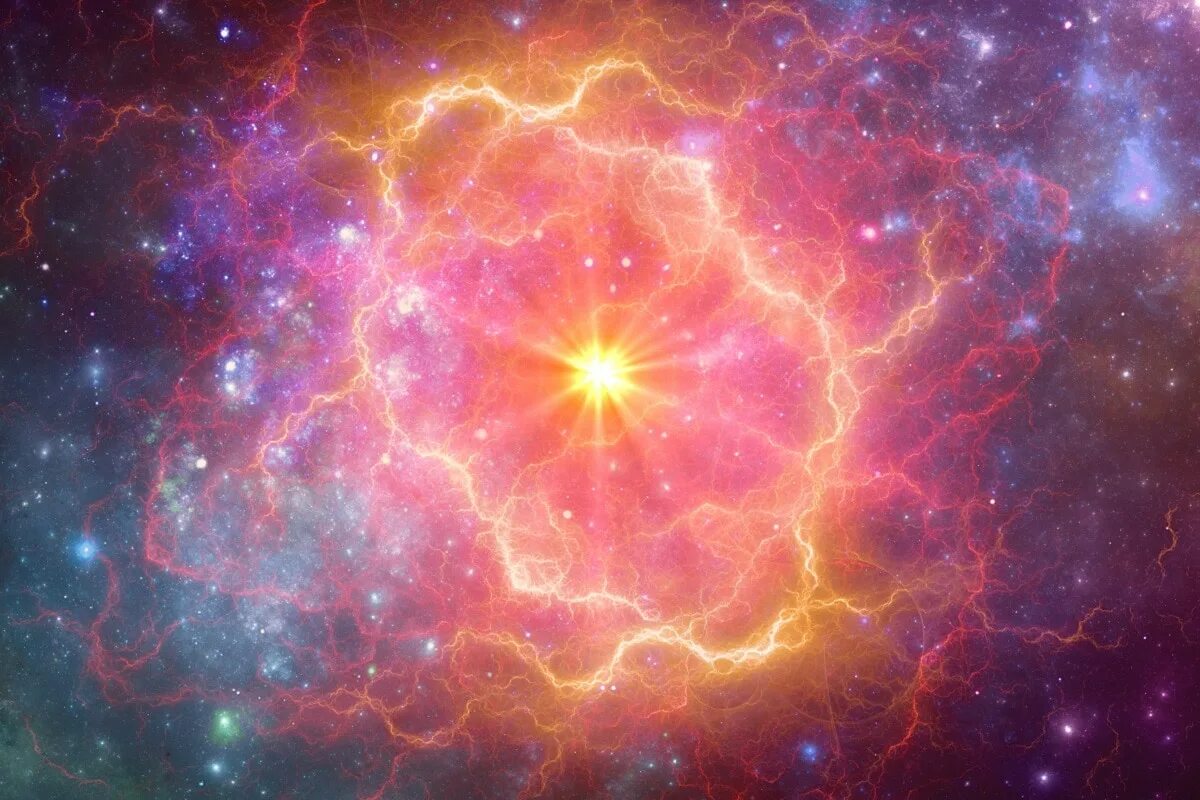
🔵 WHAT IF OUR SUN EXPLODES INTO A SUPERNOVA❓
▶️ If you place a hydrogen bomb right in front of your eyeball and detonate it, that explosion would be a billion times less brighter compared to the Sun exploding into a supernova.
━━━━━━━━━━━
☢ @Physics ⚡| @Education 📖
▶️ If you place a hydrogen bomb right in front of your eyeball and detonate it, that explosion would be a billion times less brighter compared to the Sun exploding into a supernova.
━━━━━━━━━━━
☢ @Physics ⚡| @Education 📖
🔥36👍15😱14❤13🎉2
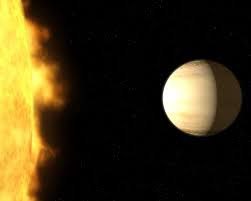
WASP-39b, officially named Bocaprins, is a "hot Jupiter" extrasolar planet discovered in February 2011 by the WASP (Wide Angle Search for Planets) project, notable for containing a substantial amount of water in its atmosphere. In addition, for the first time for any exoplanet, WASP-39b was found to contain carbon dioxide in its atmosphere.
━━━━━━━━━━━
☢ @Physics ⚡| @Education 📖
━━━━━━━━━━━
☢ @Physics ⚡| @Education 📖
🔥18👍15❤10😱1
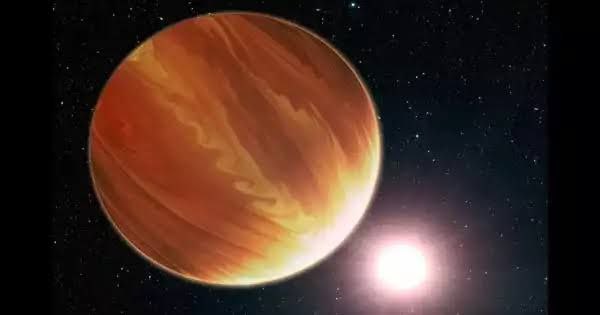
HD 209458 b, which is also nicknamed Osiris after the Egyptian god, is an exoplanet that orbits the solar analog HD 209458 in the constellation Pegasus, some 159 light-years (49 parsecs) from the Solar System. The radius of the planet's orbit is 0.047 AU (7.0 million km; 4.4 million mi), or one-eighth the radius of Mercury's orbit (0.39 AU (36 million mi; 58 million km)). This small radius results in a year that is 3.5 Earth-days long and an estimated surface temperature of about 1,000 °C (1,800 °F; 1,300 K). Its mass is 220 times that of Earth (0.69 Jupiter masses) and its volume is some 2.5 times greater than that of Jupiter. The high mass and volume of HD 209458 b indicate that it is a gas giant.
━━━━━━━━━━━
☢ @Physics ⚡| @Education 📖
━━━━━━━━━━━
☢ @Physics ⚡| @Education 📖
🔥22👍20❤6😱4