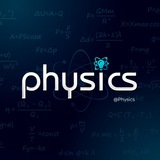
The Sun is actually white when seen from space, because its light is not scattered by our atmosphere. From Venus, you wouldn't see the Sun at all because the atmosphere is too thick.
━━━━━━━━━━━━
☢ @Physics ⚡| @Education 📖
━━━━━━━━━━━━
☢ @Physics ⚡| @Education 📖
🔥48👍29❤17🤩5
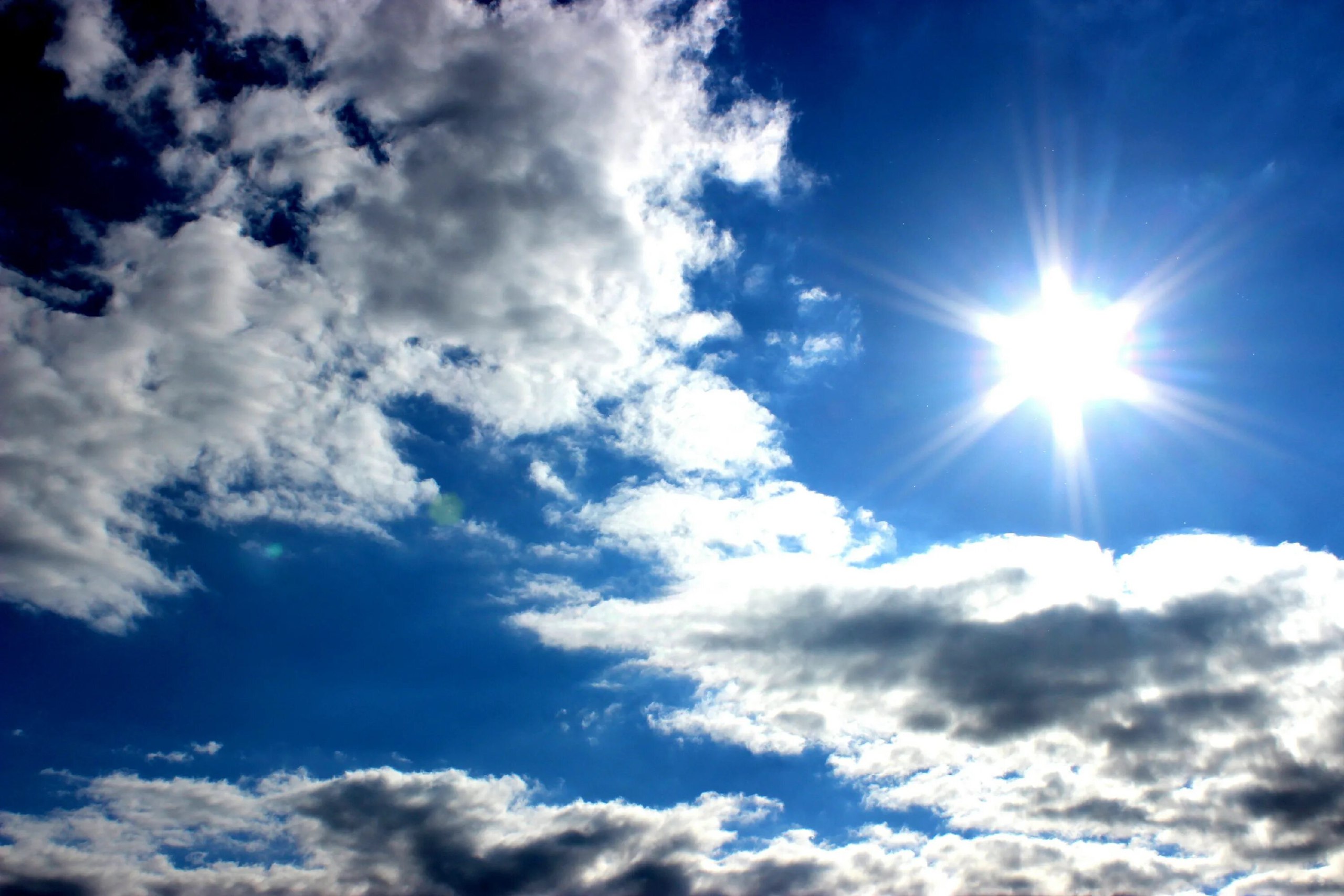
🔭 NASA’S WEBB TAKES STAR-FILLED PORTRAIT OF PILLARS OF CREATION
▶️ NASA’s James Webb Space Telescope has captured a lush, highly detailed landscape – the iconic Pillars of Creation – where new stars are forming within dense clouds of gas and dust. The three-dimensional pillars look like majestic rock formations, but are far more permeable. These columns are made up of cool interstellar gas and dust that appear – at times – semi-transparent in near-infrared light.
▶️ Webb’s new view of the Pillars of Creation, which were first made famous when imaged by NASA’s Hubble Space Telescope in 1995, will help researchers revamp their models of star formation by identifying far more precise counts of newly formed stars, along with the quantities of gas and dust in the region. Over time, they will begin to build a clearer understanding of how stars form and burst out of these dusty clouds over millions of years.
━━━━━━━━━━━━
☢ @Physics ⚡| @Education 📖
🔥28👍13❤10😱3🎉1
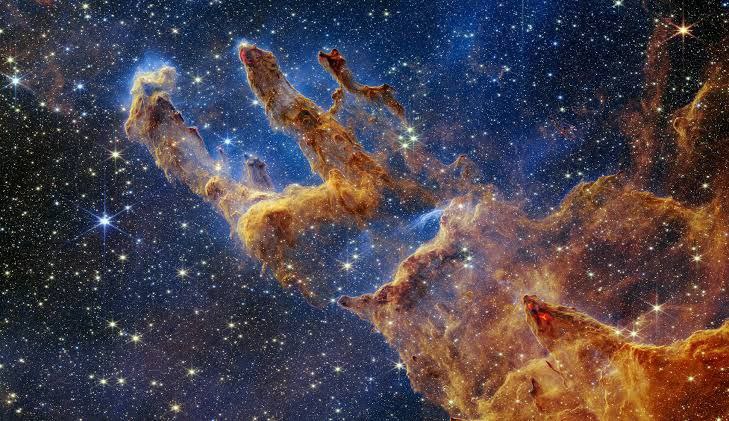
The Kepler 11145123 star, discovered in 2016, is so perfectly spherical that it's the roundest natural object ever measured.
━━━━━━━━━━━━
☢ @Physics ⚡| @Education 📖
━━━━━━━━━━━━
☢ @Physics ⚡| @Education 📖
🔥56👍15🤩8😁4❤1
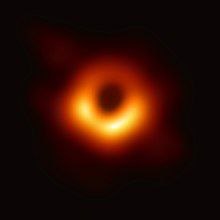
The black hole information paradox is a puzzle that appears when the predictions of quantum mechanics and general relativity are combined. The theory of general relativity predicts the existence of black holes that are regions of spacetime from which nothing — not even light — can escape. In the 1970s, Stephen Hawking applied the rules of quantum mechanics to such systems and found that an isolated black hole would emit a form of radiation called Hawking radiation. Hawking also argued that the detailed form of the radiation would be independent of the initial state of the black hole and would depend only on its mass, electric charge and angular momentum. The information paradox appears when one considers a process in which a black hole is formed through a physical process and then evaporates away entirely through Hawking radiation. Hawking's calculation suggests that the final state of radiation would retain information only about the total mass, electric charge and angular momentum of the initial state. Since many different states can have the same mass, charge and angular momentum this suggests that many initial physical states could evolve into the same final state. Therefore, information about the details of the initial state would be permanently lost. However, this violates a core precept of both classical and quantum physics—that, in principle, the state of a system at one point in time should determine its value at any other time. Specifically, in quantum mechanics the state of the system is encoded by its wave function. The evolution of the wave function is determined by a unitary operator, and unitarity implies that the wave function at any instant of time can be used to determine the wave function either in the past or the future. It is now generally believed that information is preserved in black-hole evaporation.This means that the predictions of quantum mechanics are correct whereas Hawking's original argument that relied on general relativity must be corrected. However, views differ as to how precisely Hawking's calculation should be corrected. In recent years, several extensions of the original paradox have been explored. Taken together these puzzles about black hole evaporation have implications for how gravity and quantum mechanics must be combined, leading to the information paradox remaining an active field of research within quantum gravity.
━━━━━━━━━━━━
☢ @Physics ⚡| @Education 📖
━━━━━━━━━━━━
☢ @Physics ⚡| @Education 📖
🔥32👍23❤9😁5😱4
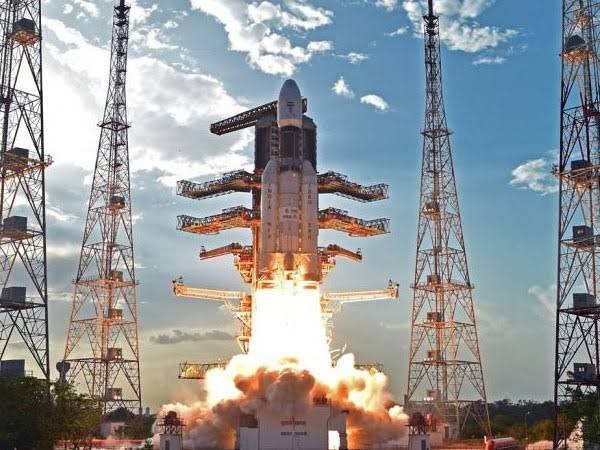
🚀 ISRO LAUNCHES 36 ONEWEB SATELLITES IN 1ST COMMERCIAL LAUNCH FOR LVM-3
▶️ The Indian Space Research Organisation (ISRO) on Saturday launched a constellation of 36 broadband satellites developed by OneWeb to Low Earth Orbit on Sunday. The ISRO confirmed that LVM3-M2/OneWeb India-1 Mission successfully placed 36 satellites into intended orbits.
▶️ The satellites were launched onboard the Launch Vehicle Mark-III, which is a redesignated version of the Geosynchronous Launch Vehicle (GSLV Mk-III), from the Satish Dhawan Space Centre in Sriharikota. The launch took place at 12.07 am. Though GSLV LVM 3 has the payload capacity of 10 tonne, the rocket lifted off with 6 tonne.
━━━━━━━━━━━━
☢ @Physics ⚡| @Education 📖
❤46👍13🔥13🎉6🤩5😱2
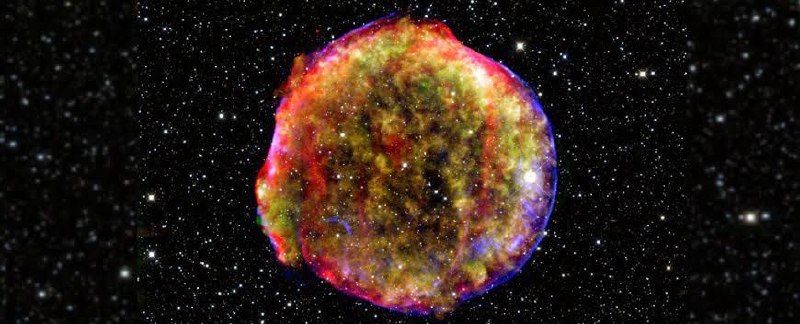
A supernova that is as close to the Earth as the Sun is, would be 1000000000 times brighter than having a hydrogen bomb detonated against your eyeball.
━━━━━━━━━━━━
☢ @Physics ⚡| @Education 📖
━━━━━━━━━━━━
☢ @Physics ⚡| @Education 📖
😱35🔥28👍12❤10😢4🤩2😁1🎉1
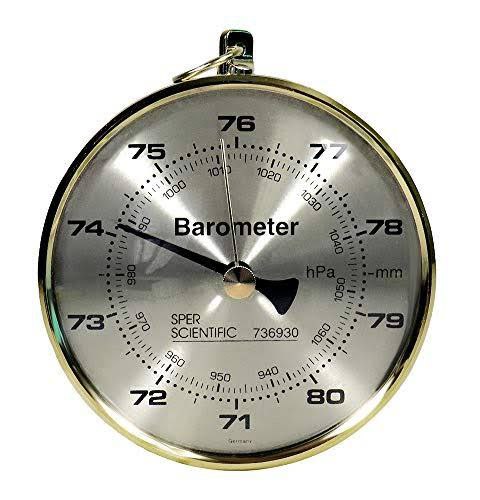
A barometer is a scientific instrument that is used to measure air pressure in a certain environment. Pressure tendency can forecast short term changes in the weather. Many measurements of air pressure are used within surface weather analysis to help find surface troughs, pressure systems and frontal boundaries.
━━━━━━━━━━━━
☢ @Physics ⚡| @Education 📖
━━━━━━━━━━━━
☢ @Physics ⚡| @Education 📖
👍40❤11🔥11🤩4
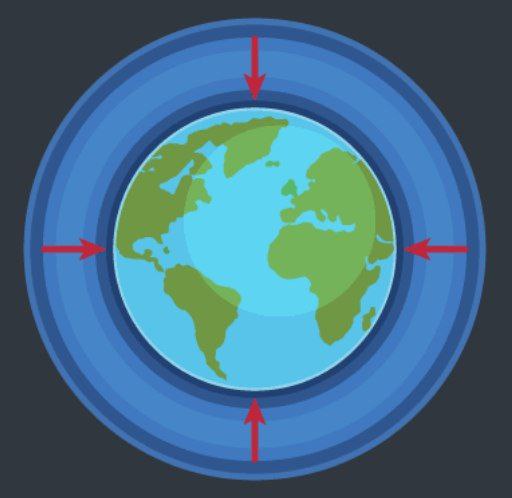
Atmospheric pressure, also known as barometric pressure (after the barometer), is the pressure within the atmosphere of Earth. The standard atmosphere (symbol: atm) is a unit of pressure defined as 101,325 Pa (1,013.25 hPa), which is equivalent to 1013.25 millibars, 760 mm Hg, 29.9212 inches Hg, or 14.696 psi. The atm unit is roughly equivalent to the mean sea-level atmospheric pressure on Earth; that is, the Earth's atmospheric pressure at sea level is approximately 1 atm.
In most circumstances, atmospheric pressure is closely approximated by the hydrostatic pressure caused by the weight of air above the measurement point. As elevation increases, there is less overlying atmospheric mass, so that atmospheric pressure decreases with increasing elevation. Because the atmosphere is thin relative to the Earth's radius—especially the dense atmospheric layer at low altitudes—the Earth's gravitational acceleration as a function of altitude can be approximated as constant and contributes little to this fall off. Pressure measures force per unit area, with SI units of pascals (1 pascal = 1 newton per square metre, 1 N/m²). On average, a column of air with a cross-sectional area of 1 square centimetre (cm²), measured from mean (average) sea level to the top of Earth's atmosphere, has a mass of about 1.03 kilogram and exerts a force or "weight" of about 10.1 newtons, resulting in a pressure of 10.1 N/cm² or 101 kN/m² (101 kilopascals, kPa). A column of air with a cross-sectional area of 1 in² would have a weight of about 14.7 lbf, resulting in a pressure of 14.7 lbf/in².
━━━━━━━━━━━━
☢ @Physics ⚡| @Education 📖
🔥24👍16❤9🤩6
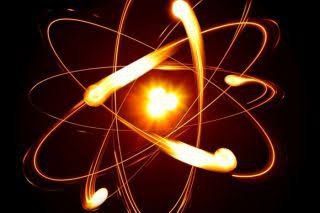
Quantum superposition is a fundamental principle of quantum mechanics. It states that, much like waves in classical physics, any two (or more) quantum states can be added together ("superposed") and the result will be another valid quantum state; and conversely, that every quantum state can be represented as a sum of two or more other distinct states. Mathematically, it refers to a property of solutions to the Schrödinger equation; since the Schrödinger equation is linear, any linear combination of solutions will also be a solution(s). An example of a physically observable manifestation of the wave nature of quantum systems is the interference peaks from an electron beam in a double-slit experiment. The pattern is very similar to the one obtained by diffraction of classical waves.
━━━━━━━━━━━━
☢ @Physics ⚡| @Education 📖
━━━━━━━━━━━━
☢ @Physics ⚡| @Education 📖
👍33🔥18❤7😱5🤩5
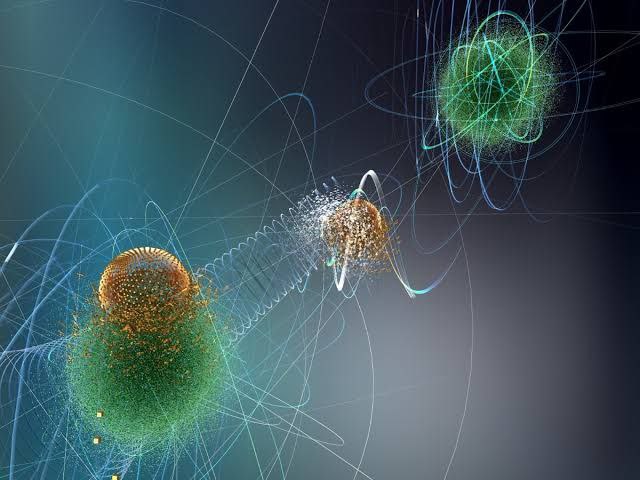
▶️ Quantum teleportation is a technique for transferring quantum information from a sender at one location to a receiver some distance away. While teleportation is commonly portrayed in science fiction as a means to transfer physical objects from one location to the next, quantum teleportation only transfers quantum information. The sender does not have to know the particular quantum state being transferred. Moreover, the location of the recipient can be unknown, but to complete the quantum teleportation, classical information needs to be sent from sender to receiver. Because classical information needs to be sent, quantum teleportation cannot occur faster than the speed of light.
▶️ One of the first scientific articles to investigate quantum teleportation is "Teleporting an Unknown Quantum State via Dual Classical and Einstein-Podolsky-Rosen Channels" published by C. H. Bennett, G. Brassard, C. Crépeau, R. Jozsa, A. Peres, and W. K. Wootters in 1993, in which they used dual communication methods to send/receive quantum information. It was experimentally realized in 1997 by two research groups, led by Sandu Popescu and Anton Zeilinger, respectively.
▶️ Experimental determinations of quantum teleportation have been made in information content - including photons, atoms, electrons, and superconducting circuits - as well as distance with 1,400 km (870 mi) being the longest distance of successful teleportation by the group of Jian-Wei Pan using the Micius satellite for space-based quantum teleportation.
━━━━━━━━━━━━
☢ @Physics ⚡| @Education 📖
🔥35👍17❤4🤩3😱1