
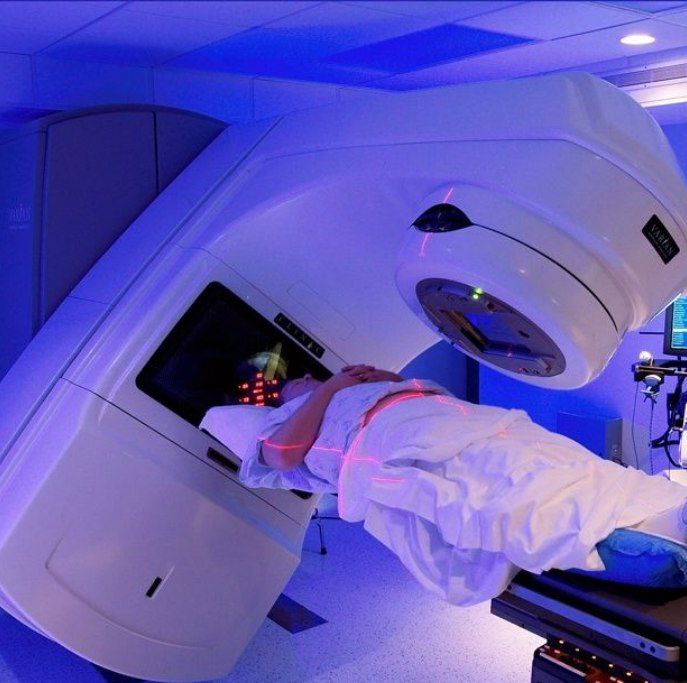
Particle accelerators help physicists crack the secrets of the quantum world. But did you know they also treat cancer? Intensity-modulated radiation therapy uses a type of particle accelerator called a linear accelerator, or LINAC. It collides electrons to produce high-energy X-rays, which are guided to precisely target a patient's tumor.
━━━━━━━━━━━━
☢ @Physics ⚡| @Education 📖
━━━━━━━━━━━━
☢ @Physics ⚡| @Education 📖
👍38❤17🔥14😱5
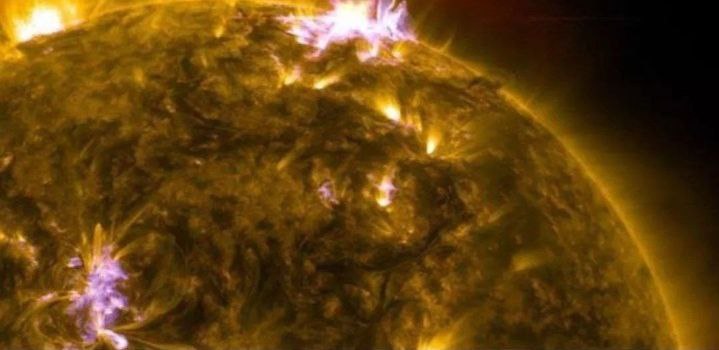
The sun loses 5 to 6 million tons of weight every second and this mass into energy by thermonuclear fusion reaction in its core which powers the Sun.
━━━━━━━━━━━━
☢ @Physics ⚡| @Education 📖
━━━━━━━━━━━━
☢ @Physics ⚡| @Education 📖
👍40🔥28😱28😁6❤4
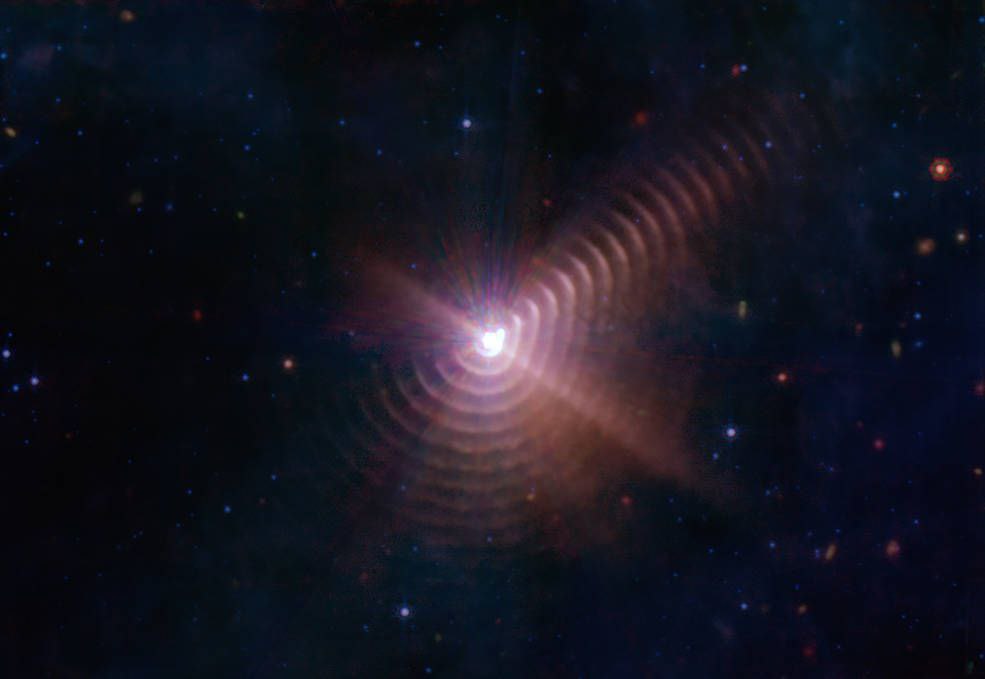
A new image from NASA’s James Webb Space Telescope reveals a remarkable cosmic sight: at least 17 concentric dust rings emanating from a pair of stars. Located just over 5,000 light-years from Earth, the duo is collectively known as Wolf-Rayet 140.
Each ring was created when the two stars came close together and their stellar winds (streams of gas they blow into space) met, compressing the gas and forming dust. The stars’ orbits bring them together about once every eight years; like the growth of rings of a tree’s trunk, the dust loops mark the passage of time.
“We’re looking at over a century of dust production from this system,” said Ryan Lau, an astronomer at NSF’s NOIRLab and lead author of a new study about the system, published today in the journal Nature Astronomy. “The image also illustrates just how sensitive this telescope is. Before, we were only able to see two dust rings, using ground-based telescopes. Now we see at least 17 of them.”
━━━━━━━━━━━━
☢ @Physics ⚡| @Education 📖
🔥40👍16❤11🎉2😱1
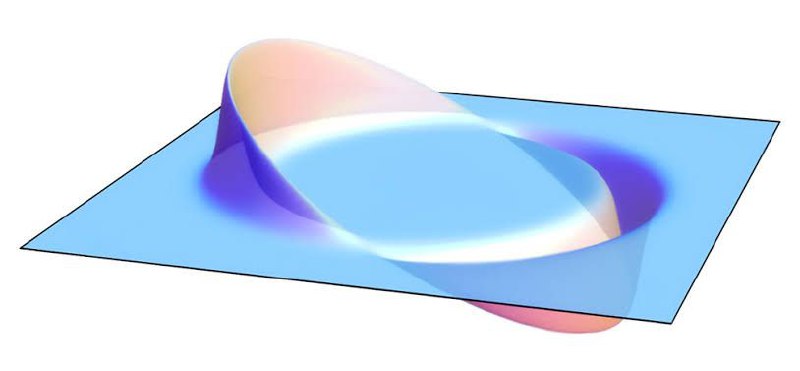
The Alcubierre drive is a speculative warp drive idea according to which a spacecraft could achieve apparent faster-than-light travel by contracting space in front of it and expanding space behind it, under the assumption that a configurable energy-density field lower than that of vacuum (that is, negative mass) could be created. Proposed by theoretical physicist Miguel Alcubierre in 1994, the Alcubierre drive is based on a solution of Einstein's field equations. Since those solutions are metric tensors, the Alcubierre drive is also referred to as Alcubierre metric.
━━━━━━━━━━━━
☢ @Physics ⚡| @Education 📖
━━━━━━━━━━━━
☢ @Physics ⚡| @Education 📖
🔥28👍18😱13🤩2
A causal loop is a theoretical proposition, wherein by means of either retrocausality or time travel, an event (an action, information, object, or person) is among the causes of another event, which is in turn among the causes of the first-mentioned event. Such causally looped events then exist in spacetime, but their origin cannot be determined. A hypothetical example of a causality loop is given of a billiard ball striking its past self: the billiard ball moves in a path towards a time machine, and the future self of the billiard ball emerges from the time machine before its past self enters it, giving its past self a glancing blow, altering the past ball's path and causing it to enter the time machine at an angle that would cause its future self to strike its past self the very glancing blow that altered its path. In this sequence of events, the change in the ball's path is its own cause, which might appear paradoxical. Other terms for "causal loop" are bootstrap paradox, information paradox, ontological paradox, self-sufficient loop, and predestination paradox.
━━━━━━━━━━━━
☢ @Physics ⚡| @Education 📖
━━━━━━━━━━━━
☢ @Physics ⚡| @Education 📖
🔥27👍10❤9😱5🤩1
Microwave is a form of electromagnetic radiation with wavelengths ranging from about one meter to one millimeter corresponding to frequencies between 300 MHz and 300 GHz respectively. Different sources define different frequency ranges as microwaves; the above broad definition includes both UHF and EHF (millimeter wave) bands. A more common definition in radio-frequency engineering is the range between 1 and 100 GHz (wavelengths between 0.3 m and 3 mm). In all cases, microwaves include the entire SHF band (3 to 30 GHz, or 10 to 1 cm) at minimum. Frequencies in the microwave range are often referred to by their IEEE radar band designations: S, C, X, Ku, K, or Ka band, or by similar NATO or EU designations.
━━━━━━━━━━━━
☢ @Physics ⚡| @Education 📖
━━━━━━━━━━━━
☢ @Physics ⚡| @Education 📖
❤27👍20🔥7
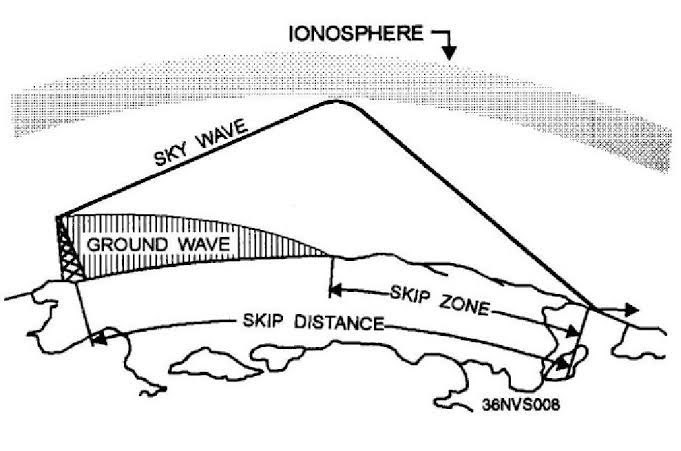
Ground waves are radio waves propagating parallel to and adjacent to the surface of the Earth, following the curvature of the Earth. This radiation is known as Norton surface wave, or more properly Norton ground wave, because ground waves in radio propagation are not confined to the surface.
━━━━━━━━━━━━
☢ @Physics ⚡| @Education 📖
━━━━━━━━━━━━
☢ @Physics ⚡| @Education 📖
🔥24👍16❤11😱1
The lifespan of an electron is sixty six thousand yotta years, which is 5 quintillion times the current age of the universe.
━━━━━━━━━━━━
☢ @Physics ⚡| @Education 📖
━━━━━━━━━━━━
☢ @Physics ⚡| @Education 📖
🔥52👍22🤩14❤7
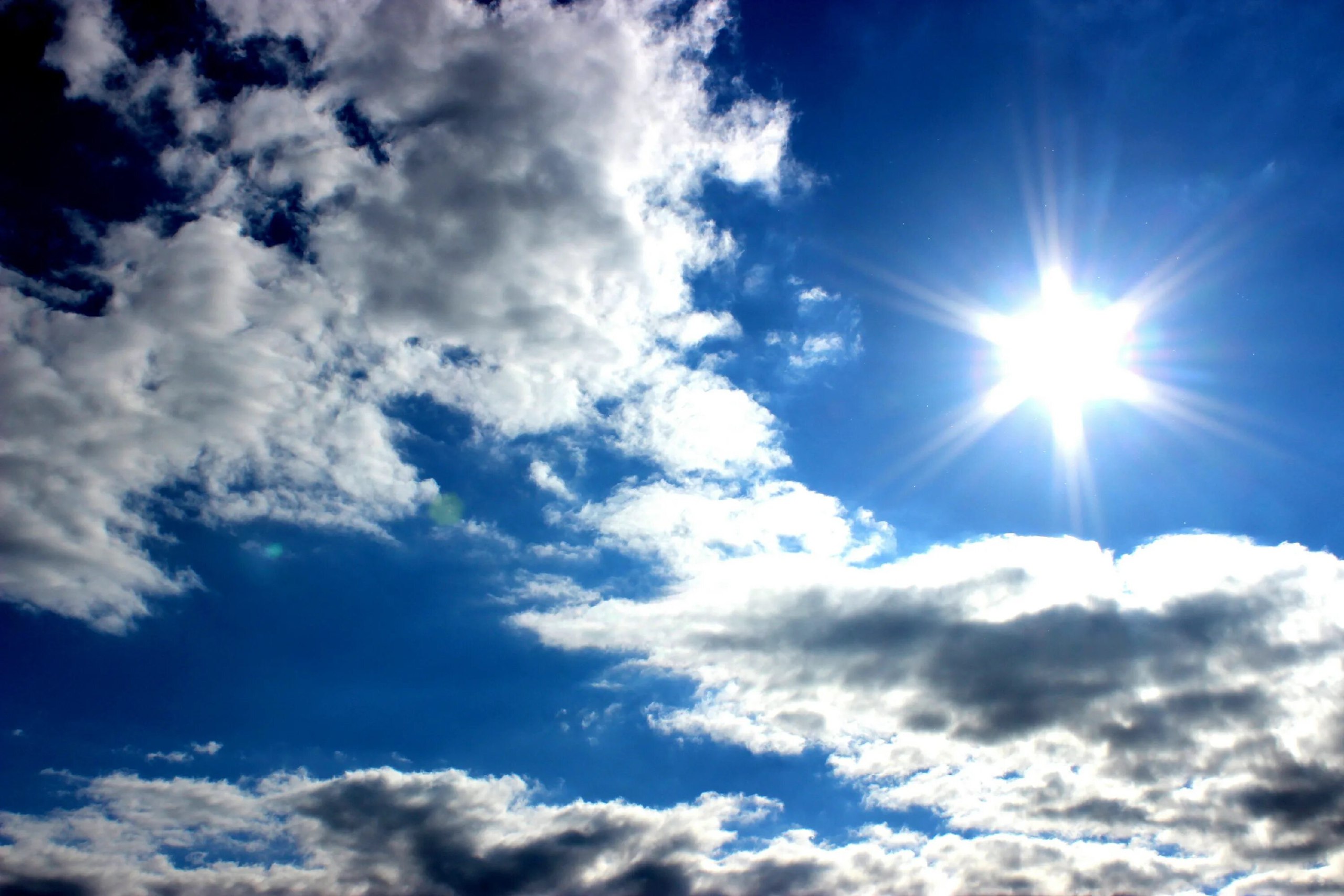
The Sun is actually white when seen from space, because its light is not scattered by our atmosphere. From Venus, you wouldn't see the Sun at all because the atmosphere is too thick.
━━━━━━━━━━━━
☢ @Physics ⚡| @Education 📖
━━━━━━━━━━━━
☢ @Physics ⚡| @Education 📖
🔥48👍29❤17🤩5
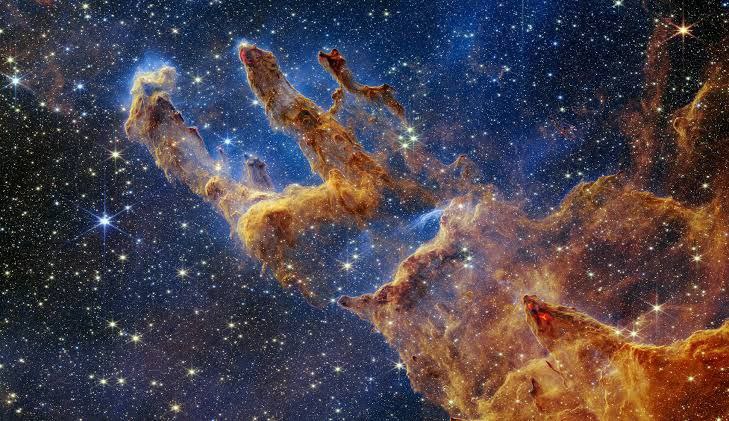
🔭 NASA’S WEBB TAKES STAR-FILLED PORTRAIT OF PILLARS OF CREATION
▶️ NASA’s James Webb Space Telescope has captured a lush, highly detailed landscape – the iconic Pillars of Creation – where new stars are forming within dense clouds of gas and dust. The three-dimensional pillars look like majestic rock formations, but are far more permeable. These columns are made up of cool interstellar gas and dust that appear – at times – semi-transparent in near-infrared light.
▶️ Webb’s new view of the Pillars of Creation, which were first made famous when imaged by NASA’s Hubble Space Telescope in 1995, will help researchers revamp their models of star formation by identifying far more precise counts of newly formed stars, along with the quantities of gas and dust in the region. Over time, they will begin to build a clearer understanding of how stars form and burst out of these dusty clouds over millions of years.
━━━━━━━━━━━━
☢ @Physics ⚡| @Education 📖
🔥28👍13❤10😱3🎉1