
🔵 WATER IS EVERYWHERE
▶️ Water was once considered a rare substance in space. In fact, water ice exists all over the solar system: It's a common component of comets and asteroids, for starters.
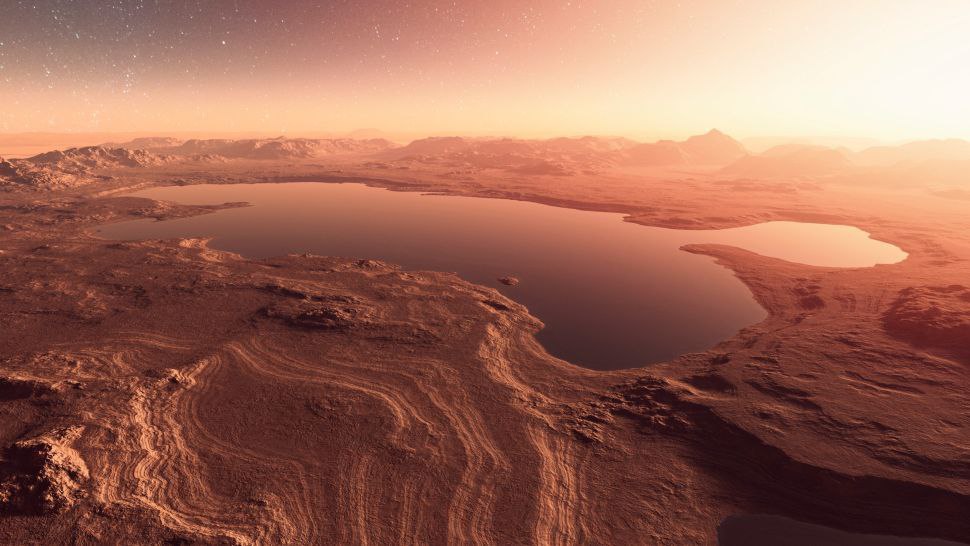
▶️ Water can be found as ice in permanently shadowed craters on Mercury and the moon, although we don't know if there's enough to support prospective human colonies in those places. Mars also has ice at its poles, in frost and likely below the surface dust. Even smaller bodies in the solar system have ice: Saturn's moon Enceladus, and the dwarf planet Ceres, among others.
▶️ NASA scientists(opens in new tab) suspect Jupiter's moon Europa may be the most likely known candidate for extraterrestrial life because, against all expectations, there is likely liquid water below its cracked and frozen surface. Europa, much smaller than Earth, may host a deep ocean that researchers suggest could contain twice as much water as all of Earth's oceans combined.
▶️ But we know that not all ice is the same. A close-up examination of Comet 67P/Churyumov–Gerasimenko by the European Space Agency's Rosetta spacecraft, for example, revealed a different kind of water ice than the kind found on Earth.
━━━━━━━━━━━━
☢ @Physics ⚡| @Education 📖
👍32😱22🔥14❤5🤩3🎉1
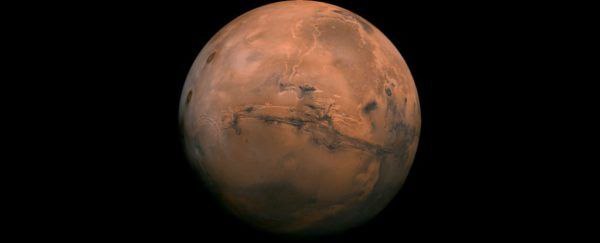
The James Webb Space Telescope (JWST) has captured its first images of Mars, viewing infrared light coming from the Red Planet with high sensitivity. The results from these images will aid astronomers study Mars' atmosphere and its composition.
━━━━━━━━━━━━
☢ @Physics ⚡| @Education 📖
━━━━━━━━━━━━
☢ @Physics ⚡| @Education 📖
🔥39👍13❤9👎2🎉1
Light takes 1.255 seconds to get from the Earth to the Moon.
━━━━━━━━━━━━
☢ @Physics ⚡| @Education 📖
━━━━━━━━━━━━
☢ @Physics ⚡| @Education 📖
🔥45👍24❤11😱8😁1🤩1
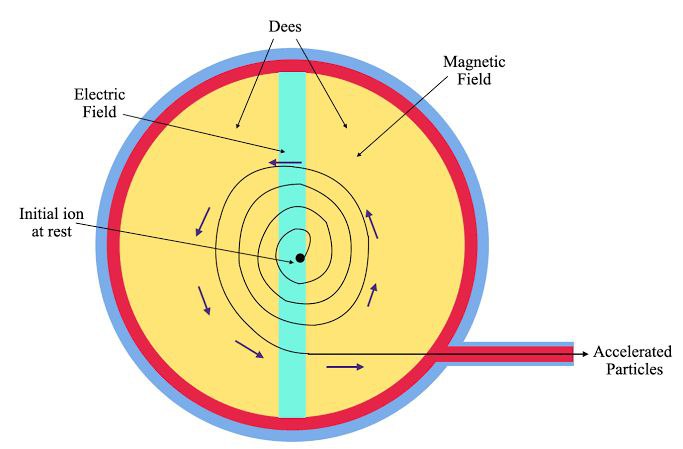
A cyclotron is a type of compact particle accelerator which produces radioactive isotopes that can be used for imaging procedures. Stable, non-radioactive isotopes are put into the cyclotron which accelerates charged particles (protons) to high energy in a magnetic field. When the stable isotopes react with the particle beam, a nuclear reaction occurs between the protons and the target atoms, creating radioactive isotopes for nuclear medicine and other purposes.
━━━━━━━━━━━━
☢ @Physics ⚡| @Education 📖
━━━━━━━━━━━━
☢ @Physics ⚡| @Education 📖
🔥21👍18❤11😱6
▶️ GJ 436 b is a Neptune-sized exoplanet that orbits an M-type star. Its mass is 22.1 Earths, it takes 2.6 days to complete one orbit of its star, and is 0.0291 (astronomical units) AU from its star. Its discovery was announced in 2004.
▶️ This unusual world is only 33 light-years away. NASA's Spitzer Space Telescope found evidence that the hot planet orbiting a star beyond our Sun lacks methane – an ingredient common to many planets in our own solar system.
▶️ Models of planetary atmospheres indicate that any world with the common mix of hydrogen, carbon and oxygen, and a temperature up to 1,000 Kelvin (1,340 degrees Fahrenheit) should have a large amount of methane and a small amount of carbon monoxide.
▶️ The planet is about 800 Kelvin (or 980 degrees Fahrenheit) – so it was expected to have methane but Spitzer's observations showed it does not.
▶️ The planet is too compact to be made mostly of hydrogen gas, like Jupiter, but may not be compact enough to be a rocky super-Earth. Researchers think it may be made mostly of an exotic form of water, an "ice" hardened by pressure rather than temperature.
━━━━━━━━━━━━
☢ @Physics ⚡| @Education 📖

🔥25👍20❤2
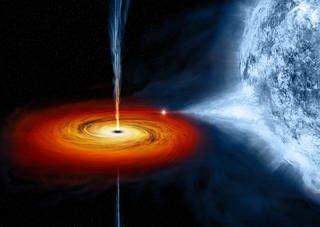
🔵 WHAT IS A BLACK HOLE❓
⚫ A black hole is a place in space where gravity pulls so much that even light can not get out. The gravity is so strong because matter has been squeezed into a tiny space. This can happen when a star is dying.
⚫ Because no light can get out, people can't see black holes. They are invisible. Space telescopes with special tools can help find black holes. The special tools can see how stars that are very close to black holes act differently than other stars.
━━━━━━━━━━━━
☢ @Physics ⚡| @Education 📖
❤45🔥29👍15🤩12😱4😢1
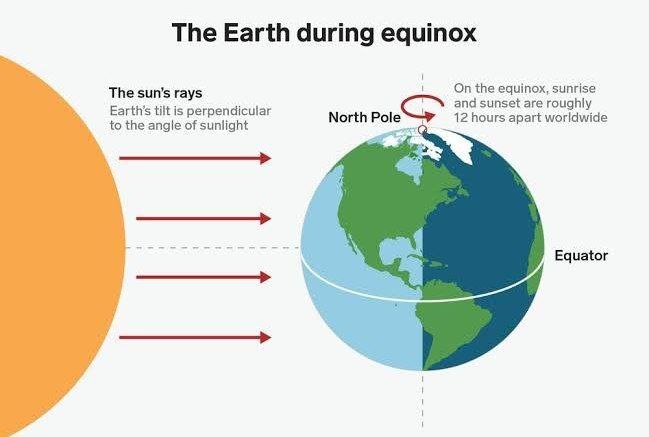
A solar equinox is a moment in time when the Sun crosses the Earth's equator, which is to say, appears directly above the equator, rather than north or south of the equator. On the day of the equinox, the Sun appears to rise "due east" and set "due west". This occurs twice each year, around 20 March and 23 September. More precisely, an equinox is traditionally defined as the time when the plane of Earth's equator passes through the geometric center of the Sun's disk. Equivalently, this is the moment when Earth's rotation axis is directly perpendicular to the Sun-Earth line, tilting neither toward nor away from the Sun. In modern times, since the Moon (and to a lesser extent the planets) causes Earth's orbit to slightly vary from a perfect ellipse, the equinox is officially defined by the Sun's more regular ecliptic longitude rather than by its declination. The instants of the equinoxes are currently defined to be when the apparent geocentric longitude of the Sun is 0° and 180°.
━━━━━━━━━━━━
☢ @Physics ⚡| @Education 📖
━━━━━━━━━━━━
☢ @Physics ⚡| @Education 📖
👍21🔥20❤9
If the Sun suddenly disappeared, then the Earth would still receive light and would be in orbit for 8 minutes 20 seconds, because gravity also travels with the speed of light. After the said time, the Earth would be thrown out of the orbit into space.
━━━━━━━━━━━━
☢ @Physics ⚡| @Education 📖
━━━━━━━━━━━━
☢ @Physics ⚡| @Education 📖

😱54👍30❤13🔥9😁5
🔭 NASA'S DART SPACECRAFT SMASHES INTO ASTEROID
▶️ A NASA spacecraft rammed an asteroid at blistering speed Monday in an unprecedented dress rehearsal for the day a killer rock menaces Earth.
▶️ The galactic grand slam occurred at a harmless asteroid 9.6 million kilometers away, with the spacecraft named Dart plowing into the small space rock at 22,500 km/h.
▶️ Scientists expected the impact to carve out a crater, hurl streams of rocks and dirt into space and, most importantly, alter the asteroid’s orbit.
▶️ Telescopes around the world and in space aimed at the same point in the sky to capture the spectacle. Though the impact was immediately obvious — Dart’s radio signal abruptly ceased — it will be days or even weeks to determine how much the asteroid’s path was changed.
━━━━━━━━━━━━
☢ @Physics ⚡| @Education 📖
👍48❤6🔥6😱6🎉3😢2
The James Webb Space Telescope is so incredibly sensitive, it could detect the heat signature of a bumblebee on the Moon (if, that is, there were bumblebees on the Moon).
━━━━━━━━━━━━
☢ @Physics ⚡| @Education 📖
━━━━━━━━━━━━
☢ @Physics ⚡| @Education 📖
🔥46👍17🤩11❤10🎉3😱1😢1