
🔵 STUNNINGLY PERFECT 'EINSTEIN RING' CAPTURED BY JAMES WEBB SPACE TELESCOPE
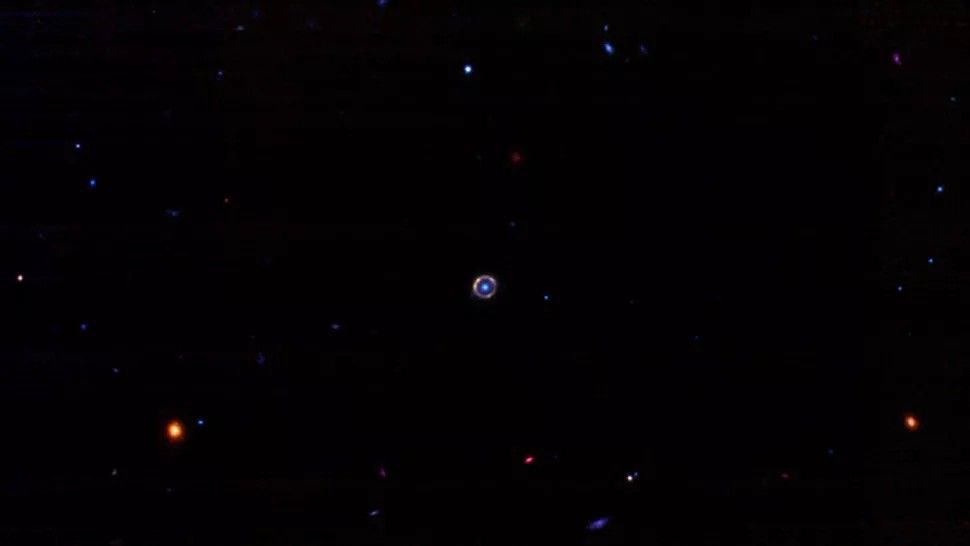
▶️ NASA's James Webb Space Telescope has snapped a perfect shot of an "Einstein ring."
▶️ The stunning halo is the result of light from a distant galaxy passing through warped space-time surrounding another galaxy aligned between the distant light source and Earth. The new James Webb Space Telescope image, which was created by a Reddit-based astronomy enthusiast, is one of the best examples of the trippy astronomical phenomenon ever captured.
▶️ The ring of light in the new image comes from the distant galaxy SPT-S J041839-4751.8 (or JO418 for short), which is around 12 billion light-years from Earth, making it one of the oldest galaxies in the universe. JO418 is orientated directly behind another galaxy — the bright blue light at the center of the ring — which is so massive that its gravitational pull warps the space-time around it. As light from JO418 reaches the foreground galaxy it travels through this warped space-time. From Earth, it looks as though the light has curved around the galaxy, but the electromagnetic waves we see have actually been traveling in a straight line the entire time.
Source: space.com
Image Credit: SpaceGuy44
━━━━━━━━━━━━
☢ @Physics ⚡| @Education 📖
👍31🤩13❤9🔥6
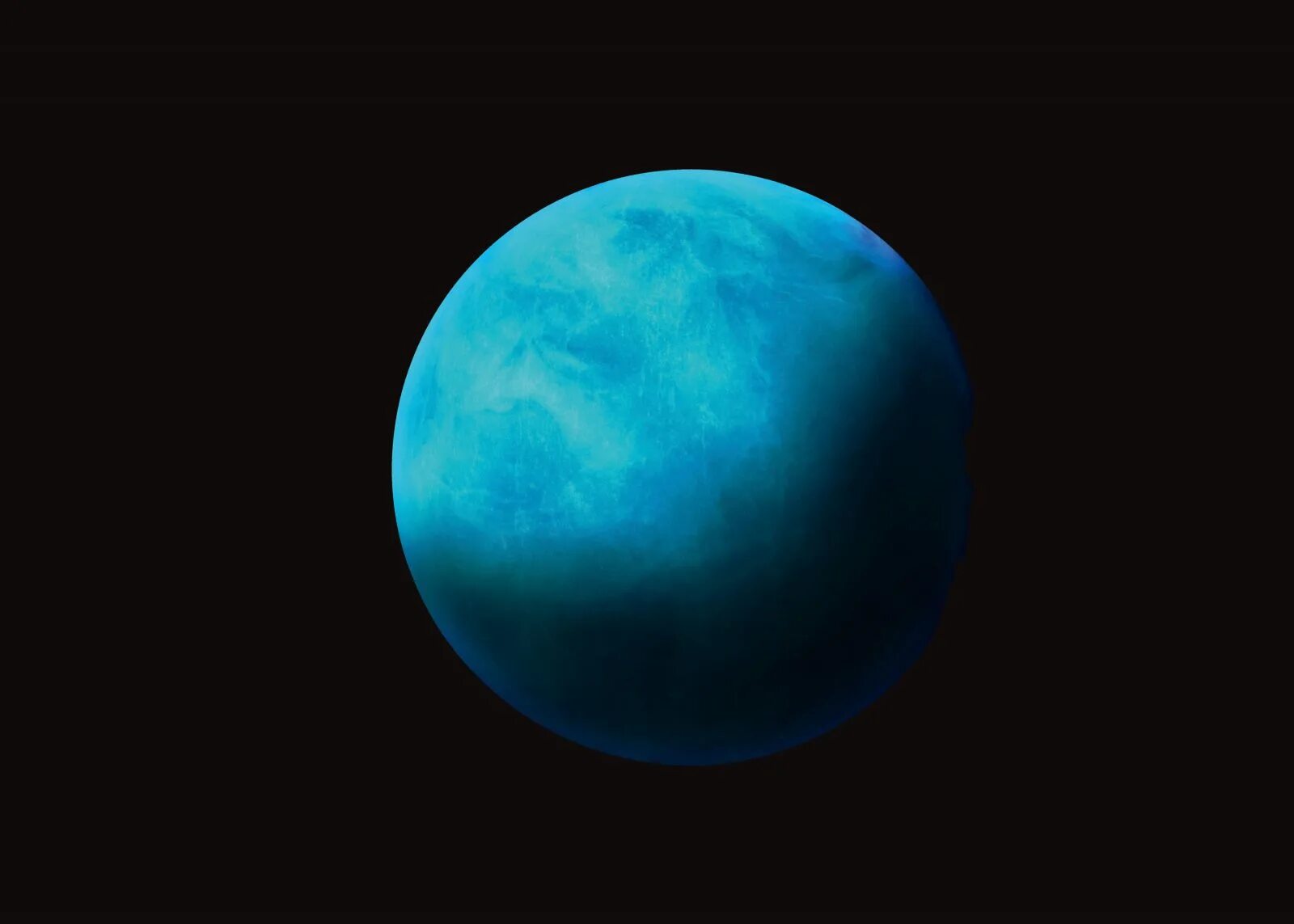
Unlike the other planets of the solar system, Uranus is tilted so far that it essentially orbits the sun on its side, with the axis of its spin nearly pointing at the star. This unusual orientation might be due to a collision with a planet-size body, or several small bodies, soon after it was formed. A 2018 study suggested the colliding world could have been twice the size of Earth.
This unusual tilt gives rise to extreme seasons that last for about 20 years. This means that for nearly a quarter of the Uranian year, which is equal to 84 Earth-years, the sun shines directly over each pole, leaving the other half of the planet to experience a long, dark and frigid winter.
━━━━━━━━━━━━
☢ @Physics ⚡| @Education 📖
🔥28❤15👍13👎3
🔵 WHY DOES WATER SOAK UPWARDS AGAINST GRAVITY❓
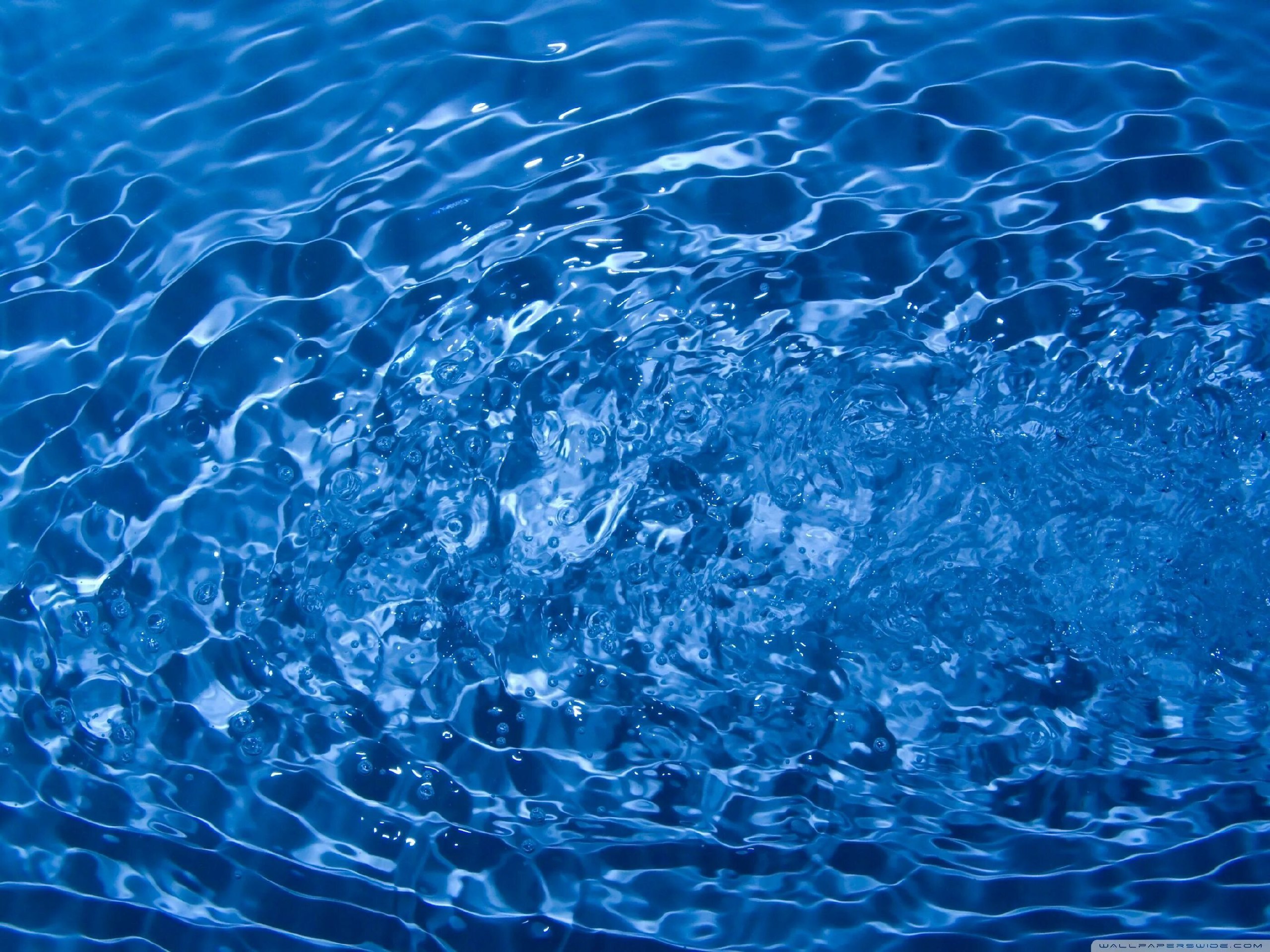
▶️ Water is wet. In scientific terms, wetting refers to the tendency of a liquid to stick to a solid. Water molecules are electrically polar, with positively charged hydrogen atoms and negatively charged oxygen atoms. This makes them stick to each other (cohesion) and to the sides of the container (adhesion). If the adhesive force is greater than the cohesive force, the molecules at the sides will try to hug the container, which causes the curved meniscus at the surface.
▶️ The force pulling the water up is called ‘capillary action’. The narrower the tube, the lighter the column of water for a given contact area with the tube and the greater the capillary action. A towel has thousands of tiny fibres that provide lots of surface area to draw the water upwards.
━━━━━━━━━━━━
☢ @Physics ⚡| @Education 📖
🔥32👍17❤9🤩5😁3
James Webb Space Telescope (JWST) captures breathtaking images of Orion Nebula
━━━━━━━━━━━━
☢ @Physics ⚡| @Education 📖
━━━━━━━━━━━━
☢ @Physics ⚡| @Education 📖

🔥52❤19🤩17👍8👎1
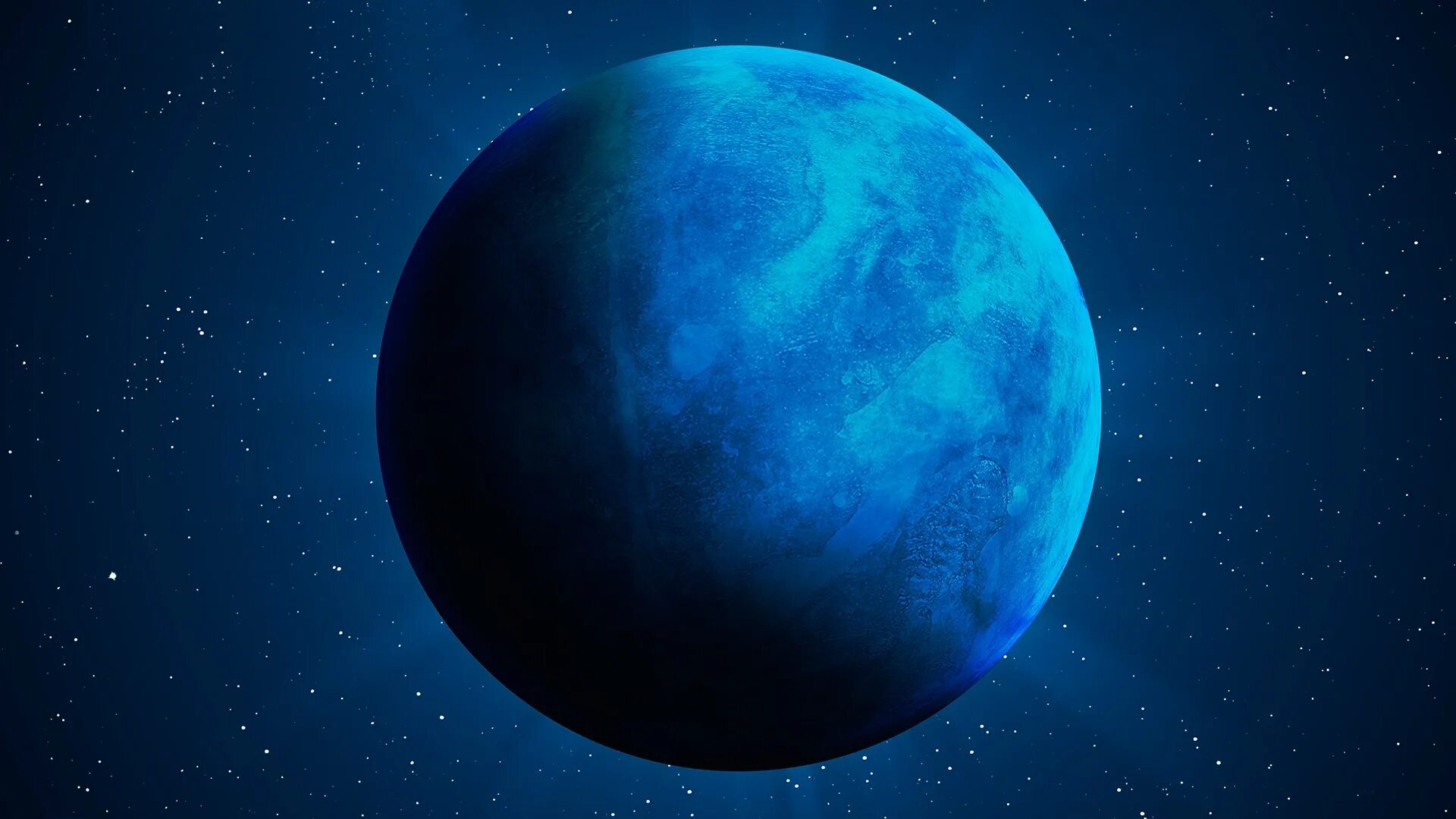
The average speed of winds in the equatorial regions of Neptune can range anywhere between 700 miles per hour to 1500 miles per hour, making them faster than the speed of sound. Consequently, the winds on Neptune break the sound barrier.
━━━━━━━━━━━━
☢ @Physics ⚡| @Education 📖
━━━━━━━━━━━━
☢ @Physics ⚡| @Education 📖
🔥36👍13😱13🤩5❤4
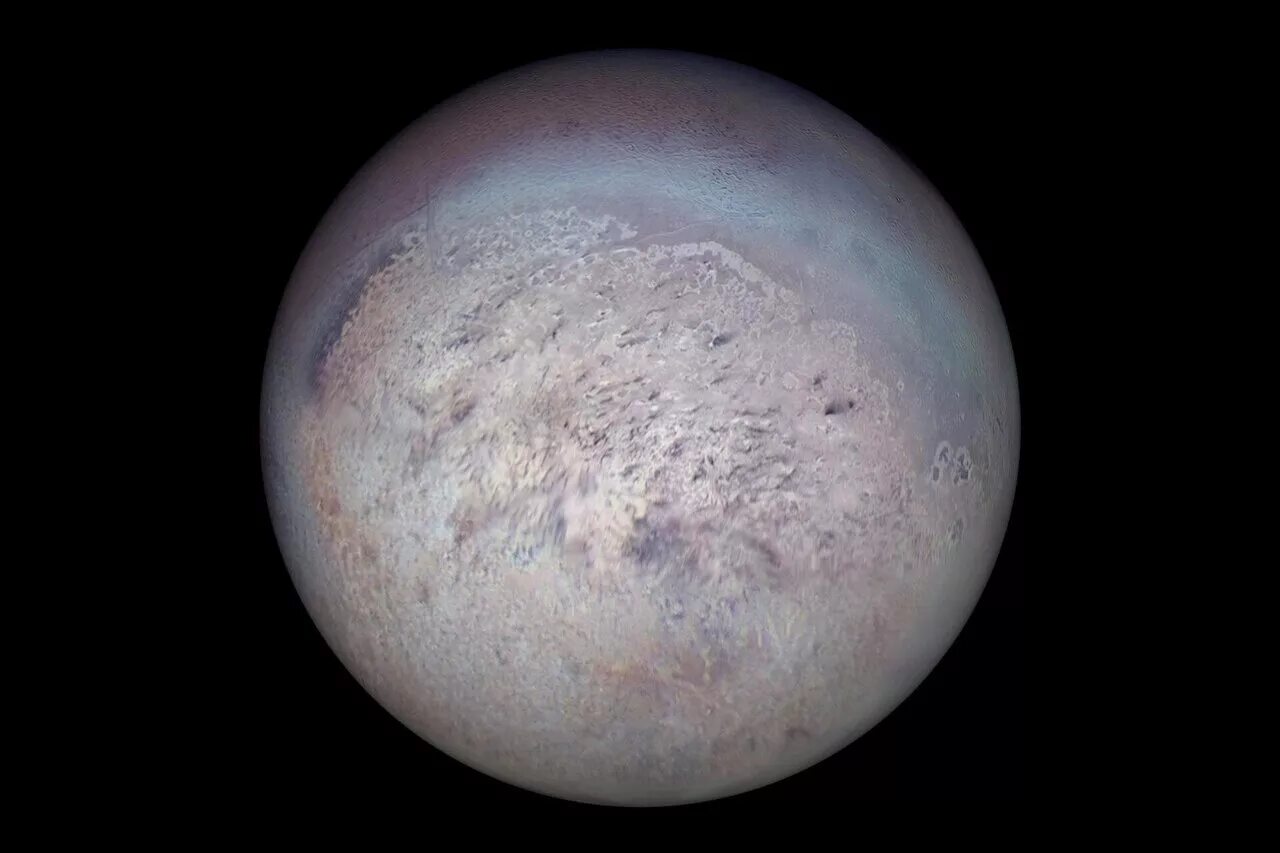
Triton is the largest natural satellite of the planet Neptune, and was the first Neptunian moon to be discovered, on October 10, 1846, by English astronomer William Lassell. It is the only large moon in the Solar System with a retrograde orbit, an orbit in the direction opposite to its planet's rotation. Because of its retrograde orbit and composition similar to Pluto, Triton is thought to have been a dwarf planet, captured from the Kuiper belt.
━━━━━━━━━━━━
☢ @Physics ⚡| @Education 📖
━━━━━━━━━━━━
☢ @Physics ⚡| @Education 📖
👍28🔥16😱9🤩3🎉1
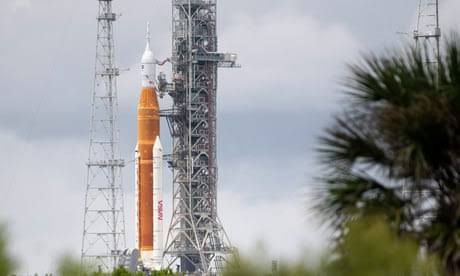
🚀 WHY DOES NASA'S ARTEMIS 1 HAVE A FUEL LEAK PROBLEM❓
▶️ The primary reason behind the fuel leak of Artemis 1 is the development of cracks and pipe shrinkage due to the flow of liquid hydrogen (at a temperature of -258 °C), which acts as a cold fuel and is supplied to the rocket tanks via pipes, resulting in leakage in the rocket.
━━━━━━━━━━━━
☢ @Physics ⚡| @Education 📖
👍32😢13🔥10🤩3❤2
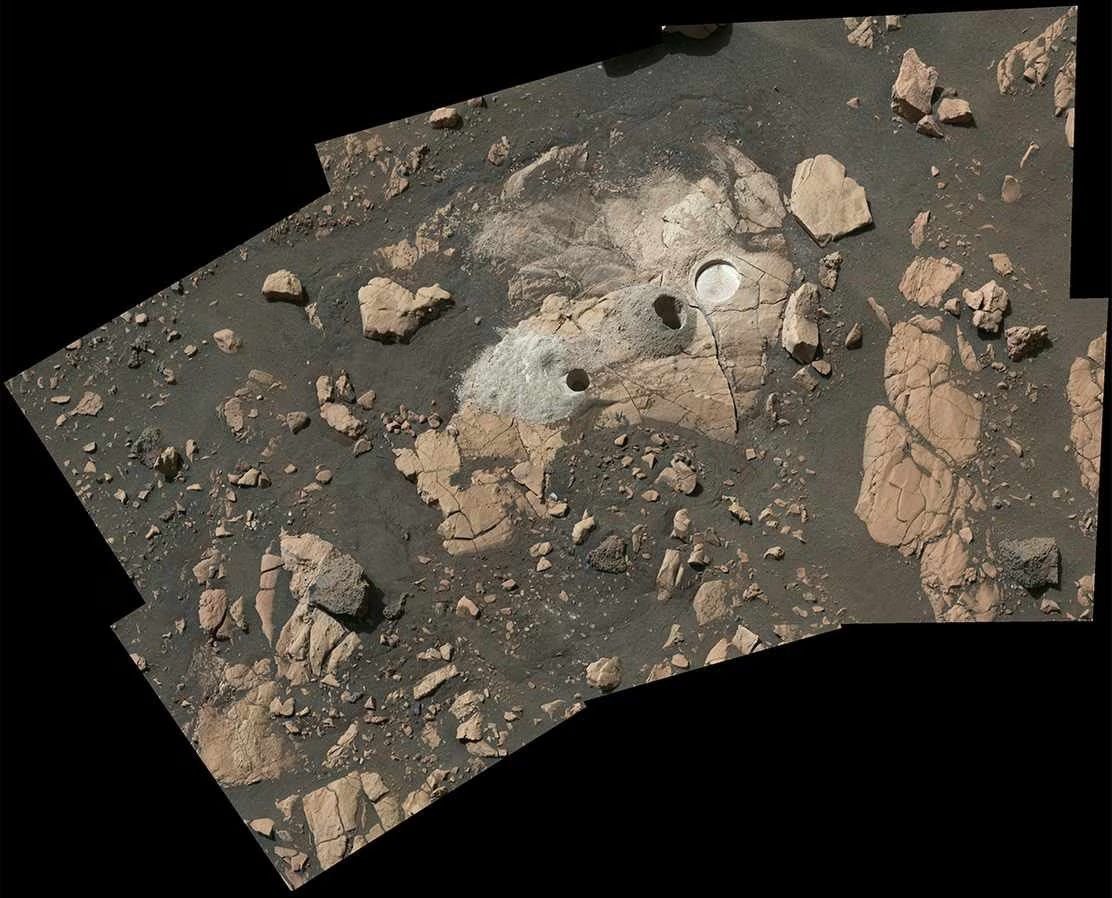
🔴 PERSEVERANCE: NASA MARS ROVER COLLECTS 'AMAZING' ROCK SAMPLES
▶️ As part of its continuing exploration of an ancient Martian riverbed, NASA’s Perseverance rover has collected some of the most promising samples yet in its ongoing search for signs of life on the Red Planet.
▶️ Among them are several mudstone samples collected from a one-metre-wide rock named Wildcat Ridge that are packed with organic compounds – chemicals that are essential for life.
▶️ Perseverance has been trundling around an area known as the Jerezo Crater since September 2021 and has so far collected 12 samples of rock.
▶️ All of the samples it collects during its sojourn on the Red Planet are scheduled to be brought back to Earth for analysis in 2033 as part of the Mars Sample Return mission.
━━━━━━━━━━━━
☢ @Physics ⚡| @Education 📖
🔥27👍12🎉3
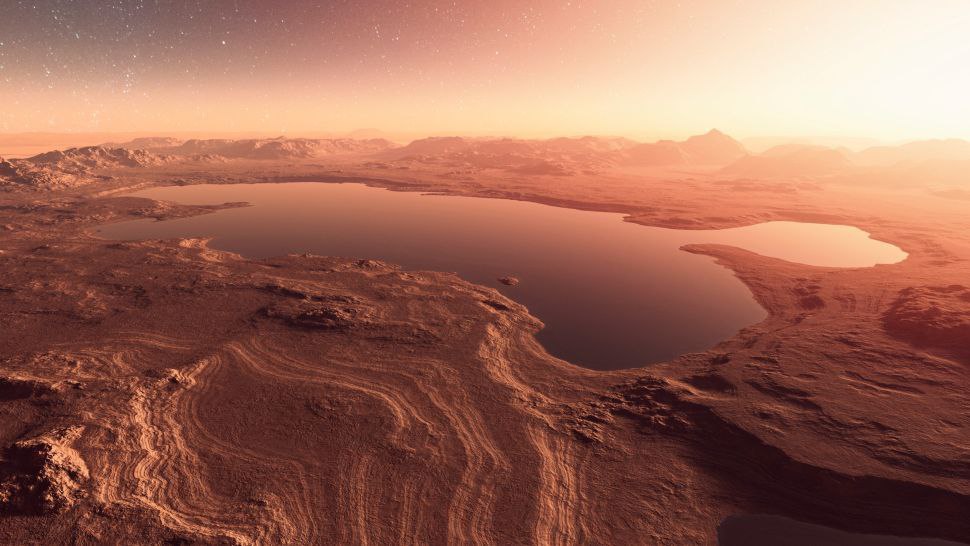
🔵 WATER IS EVERYWHERE
▶️ Water was once considered a rare substance in space. In fact, water ice exists all over the solar system: It's a common component of comets and asteroids, for starters.
▶️ Water can be found as ice in permanently shadowed craters on Mercury and the moon, although we don't know if there's enough to support prospective human colonies in those places. Mars also has ice at its poles, in frost and likely below the surface dust. Even smaller bodies in the solar system have ice: Saturn's moon Enceladus, and the dwarf planet Ceres, among others.
▶️ NASA scientists(opens in new tab) suspect Jupiter's moon Europa may be the most likely known candidate for extraterrestrial life because, against all expectations, there is likely liquid water below its cracked and frozen surface. Europa, much smaller than Earth, may host a deep ocean that researchers suggest could contain twice as much water as all of Earth's oceans combined.
▶️ But we know that not all ice is the same. A close-up examination of Comet 67P/Churyumov–Gerasimenko by the European Space Agency's Rosetta spacecraft, for example, revealed a different kind of water ice than the kind found on Earth.
━━━━━━━━━━━━
☢ @Physics ⚡| @Education 📖
👍32😱22🔥14❤5🤩3🎉1
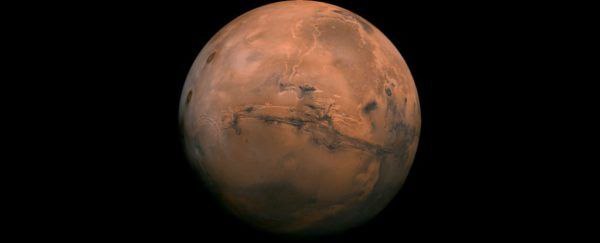
The James Webb Space Telescope (JWST) has captured its first images of Mars, viewing infrared light coming from the Red Planet with high sensitivity. The results from these images will aid astronomers study Mars' atmosphere and its composition.
━━━━━━━━━━━━
☢ @Physics ⚡| @Education 📖
━━━━━━━━━━━━
☢ @Physics ⚡| @Education 📖
🔥39👍13❤9👎2🎉1