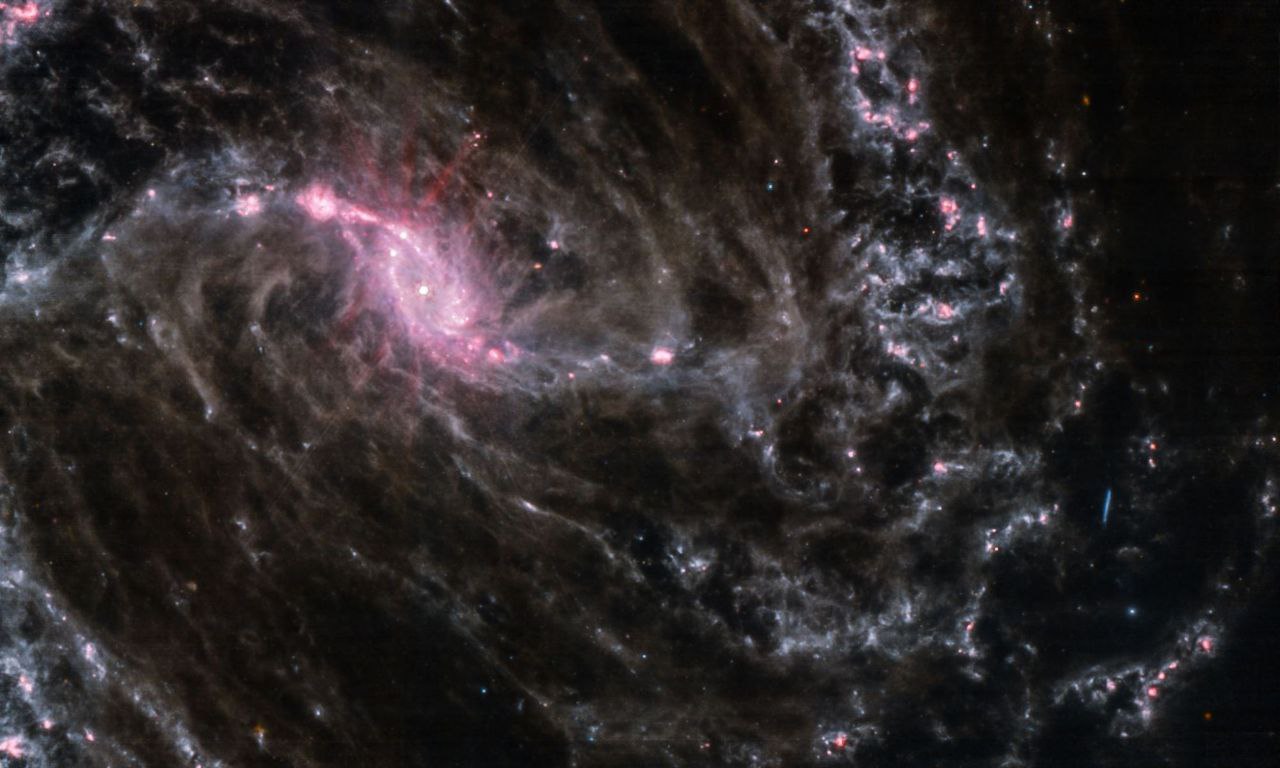
🔵 A NEW IMAGE FROM WEBB SHOWS GALAXY NGC 1365, KNOWN TO HAVE AN ACTIVELY FEEDING SUPERMASSIVE BLACK HOLE
▶️ The James Webb Space Telescope continues to deliver stunning images of the Universe, demonstrating that the years of development and delays were well worth the wait! The latest comes from Judy Schmidt (aka. Geckzilla, SpaceGeck), an astrophotographer who processed an image taken by Webb of the barred spiral galaxy NGC 1365. Also known as the Great Barred Spiral Galaxy, NGC 1365 is a double-barred spiral galaxy consisting of a long bar and a smaller barred structure located about 56 million light-years away in the southern constellation Fornax.
▶️ Measuring over 200,000 light-years in diameter, roughly twice as large as the Milky Way, NGC 1365 is noted for the way its wide arms extend from its central bar to give it a Z-like appearance. The galaxy was selected for observations by JWST because of its iconic nature and how much of its interior structure is obscured by dust. In particular, its second bar is more prominent in infrared images, and previous instruments (like the Hubble and Spitzer space telescopes) have been limited in terms of what they could visualize.
Source: UniverseToday
━━━━━━━━━━━━
☢ @Physics ⚡| @Education 📖
🔥28❤10👍10
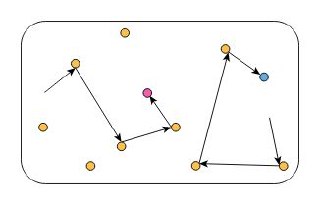
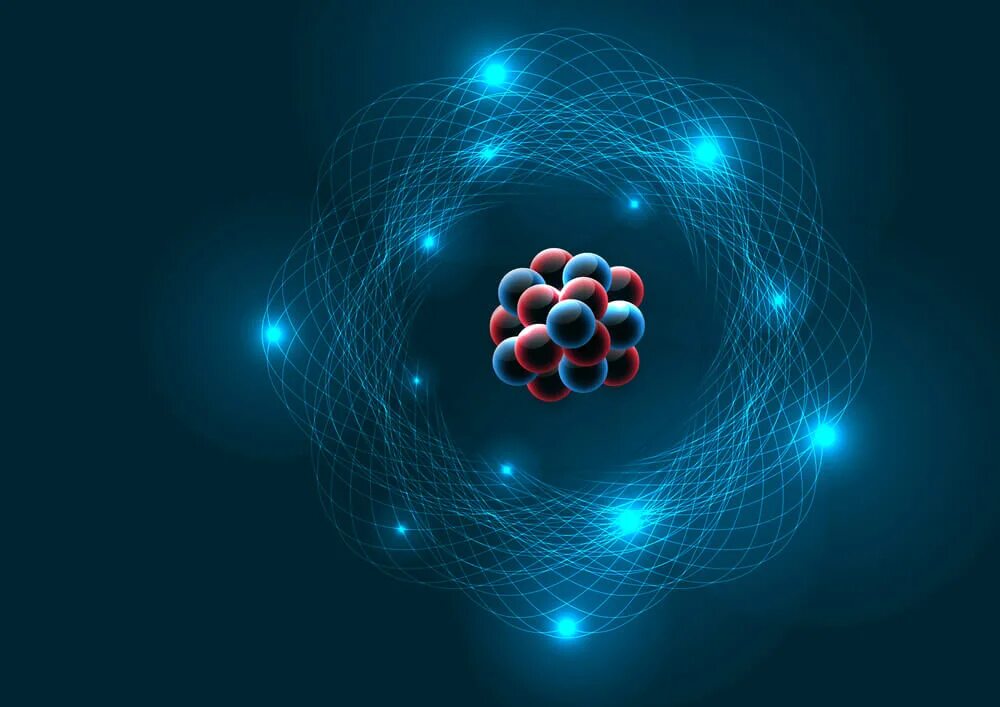
Brownian motion, or pedesis, is the random motion of particles suspended in a medium (a liquid or a gas). This pattern of motion typically consists of random fluctuations in a particle's position inside a fluid sub-domain, followed by a relocation to another sub-domain. Each relocation is followed by more fluctuations within the new closed volume. This pattern describes a fluid at thermal equilibrium, defined by a given temperature. Within such a fluid, there exists no preferential direction of flow (as in transport phenomena). More specifically, the fluid's overall linear and angular momenta remain null over time. The kinetic energies of the molecular Brownian motions, together with those of molecular rotations and vibrations, sum up to the caloric component of a fluid's internal energy (the equipartition theorem).
━━━━━━━━━━━━
☢ @Physics ⚡| @Education 📖
━━━━━━━━━━━━
☢ @Physics ⚡| @Education 📖
👍27❤7🔥6
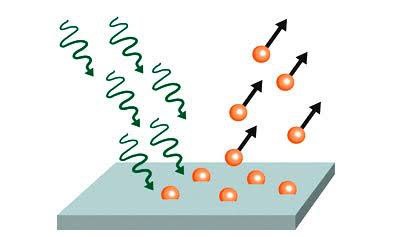
The photoelectric effect is the emission of electrons when electromagnetic radiation, such as light, hits a material. Electrons emitted in this manner are called photoelectrons. The phenomenon is studied in condensed matter physics, and solid state and quantum chemistry to draw inferences about the properties of atoms, molecules and solids. The effect has found use in electronic devices specialized for light detection and precisely timed electron emission.
The experimental results disagree with classical electromagnetism, which predicts that continuous light waves transfer energy to electrons, which would then be emitted when they accumulate enough energy. An alteration in the intensity of light would theoretically change the kinetic energy of the emitted electrons, with sufficiently dim light resulting in a delayed emission. The experimental results instead show that electrons are dislodged only when the light exceeds a certain frequency—regardless of the light's intensity or duration of exposure. Because a low-frequency beam at a high intensity does not build up the energy required to produce photoelectrons, as would be the case if light's energy accumulated over time from a continuous wave, Albert Einstein proposed that a beam of light is not a wave propagating through space, but a swarm of discrete energy packets, known as photons.
━━━━━━━━━━━━
☢ @Physics ⚡| @Education 📖
👍40❤16🔥14😁1
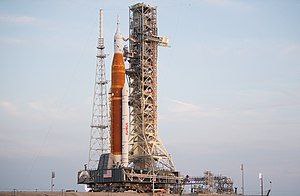
Artemis 1 (officially Artemis I) is a planned uncrewed test flight for NASA's Artemis program. It is the first flight of the agency's Space Launch System (SLS) super heavy-lift launch vehicle and the first flight of the full Orion spacecraft. Artemis 1 is currently scheduled to launch on 29 August 2022.
Formerly known as Exploration Mission-1 (EM-1), the mission was renamed following the creation of the Artemis program. The mission will lift off from Launch Complex 39B at the Kennedy Space Center, and will see an Orion spacecraft launched on a mission of between 26 and 42 days, with at least 6 of those days in a distant retrograde orbit around the Moon. The mission will certify Orion and the Space Launch System for crewed flights beginning with Artemis 2.
The Orion spacecraft for Artemis 1 was stacked on 20 October 2021, marking the first time a super heavy-lift vehicle has been stacked inside the Vehicle Assembly Building (VAB) since the final Saturn V with Skylab. The fully stacked vehicle was rolled out for launch on 17 August 2022.
━━━━━━━━━━━━
☢ @Physics ⚡| @Education 📖
🔥25👍13❤9😱5🤩2👎1🎉1
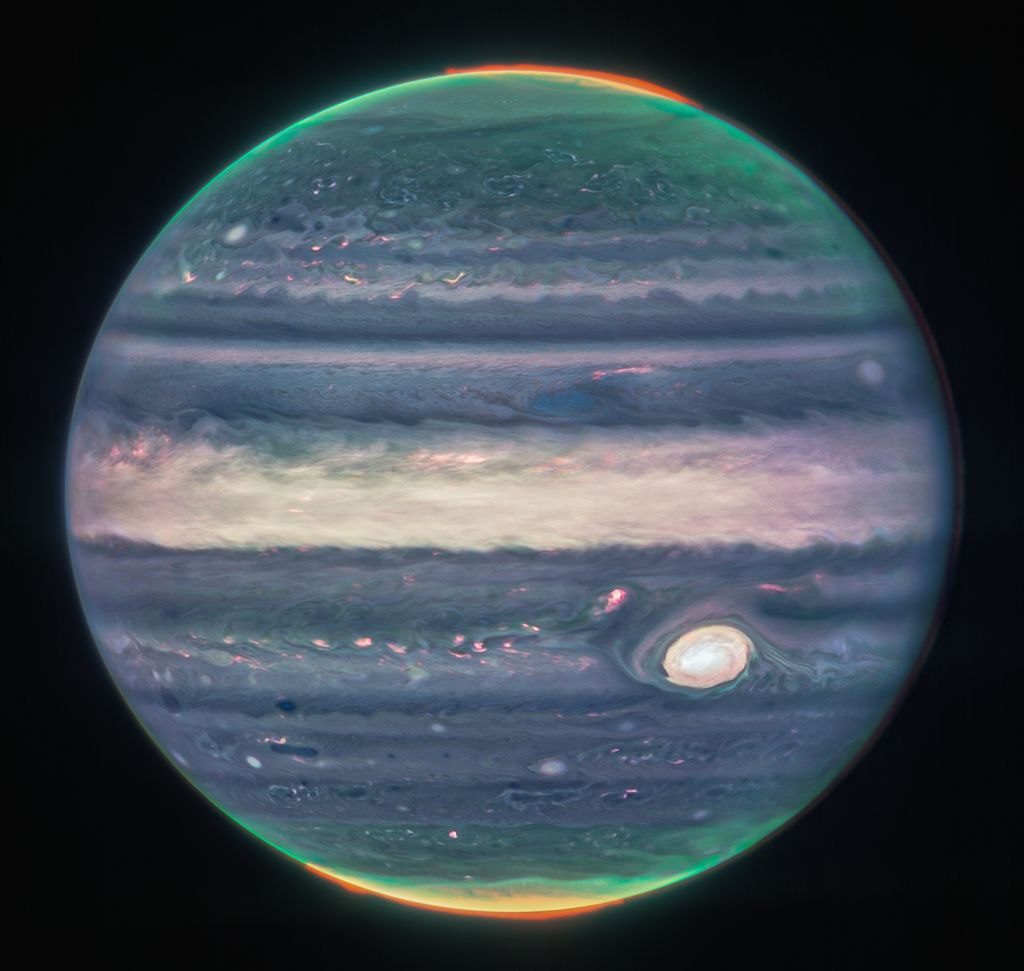
🪐 WEBB’S JUPITER IMAGES SHOWCASE AURORAS, HAZES
▶️ With giant storms, powerful winds, auroras, and extreme temperature and pressure conditions, Jupiter has a lot going on. Now, NASA’s James Webb Space Telescope has captured new images of the planet. Webb’s Jupiter observations will give scientists even more clues to Jupiter’s inner life.
━━━━━━━━━━━━
☢ @Physics ⚡| @Education 📖
🔥34❤16👍16🤩12
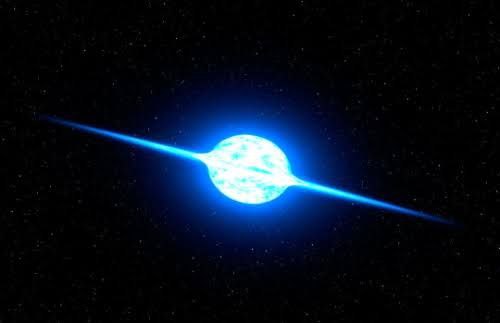
PSR J1748−2446ad is the fastest-spinning pulsar known, at 716 Hz, or 716 times per second. This pulsar was discovered by Jason W. T. Hessels of McGill University on November 10, 2004 and confirmed on January 8, 2005. If the neutron star is assumed to contain less than two times the mass of the Sun, within the typical range of neutron stars, its radius is constrained to be less than 16 km. At its equator it is spinning at approximately 24% of the speed of light, or over 70,000 km per second.
━━━━━━━━━━━━
☢ @Physics ⚡| @Education 📖
━━━━━━━━━━━━
☢ @Physics ⚡| @Education 📖
👍38🔥19❤9😱3
This Earth's orbit lasts approximately 365.2 days, and it is for this reason that every four years it takes an extra day: the February 29 that we have every leap year.
━━━━━━━━━━━━
☢ @Physics ⚡| @Education 📖
━━━━━━━━━━━━
☢ @Physics ⚡| @Education 📖

👍48❤14🔥12😱1
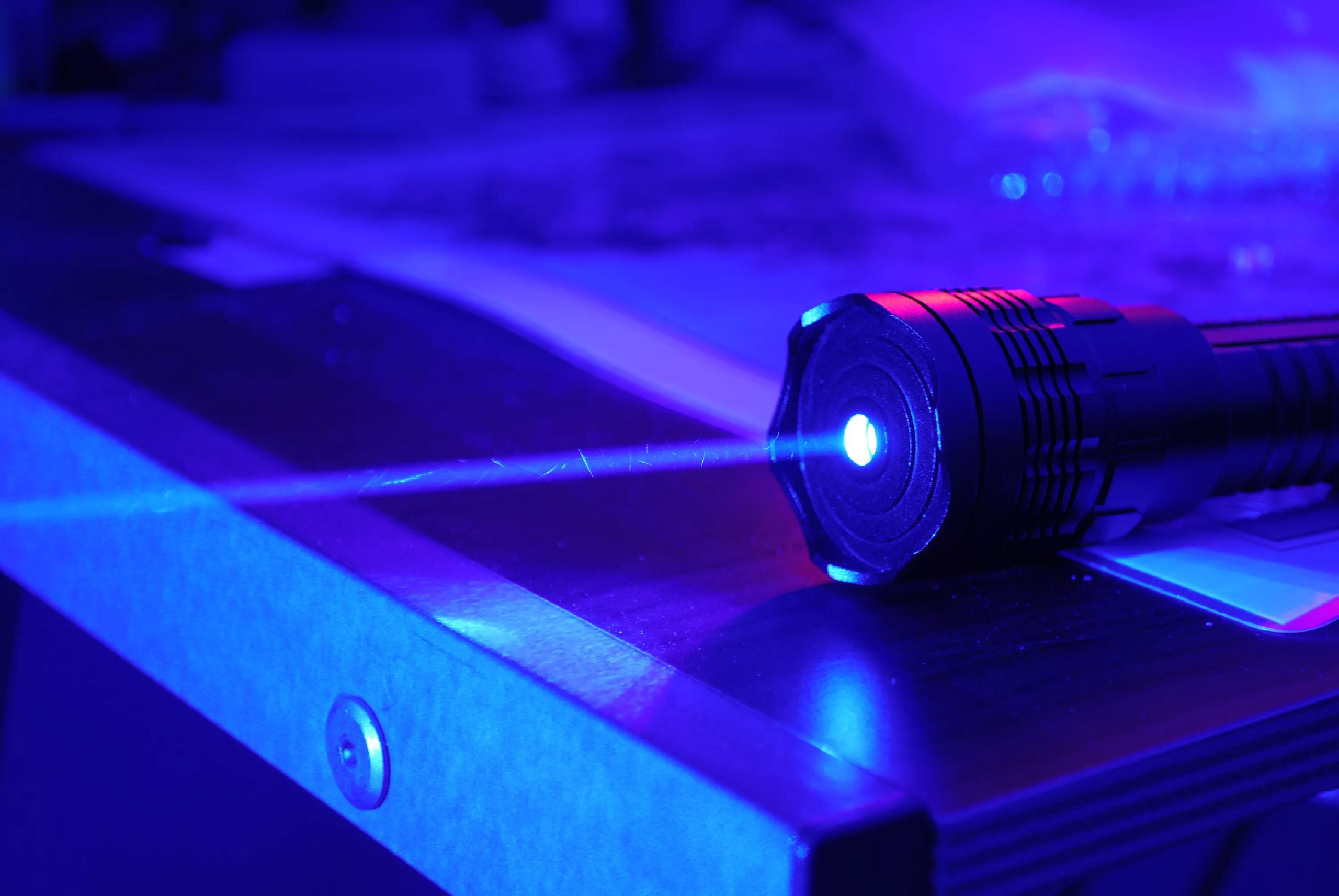
The power of the first laser was measured in Gillettes. In 1960, before there was a precise scientific measurement, Theodore Maiman defined the strength of a beam by the number of Gillette razor blades it could cut through. A Gillette equals about 1.5 joules; today's strongest laser produces about 1.8 million joules, or 1.2 million Gillettes.
━━━━━━━━━━━━
☢ @Physics ⚡| @Education 📖
━━━━━━━━━━━━
☢ @Physics ⚡| @Education 📖
🔥38👍17😱4
An average human emits about 150 anti-electrons (positrons) per hour. These positrons come from the decay of potassium -40 isotope present in your body. At this rate, you need about 10²¹ years to produce just 1 gram of positrons.
━━━━━━━━━━━━
☢ @Physics ⚡| @Education 📖
━━━━━━━━━━━━
☢ @Physics ⚡| @Education 📖
😱46👍25🔥20❤14🤩4
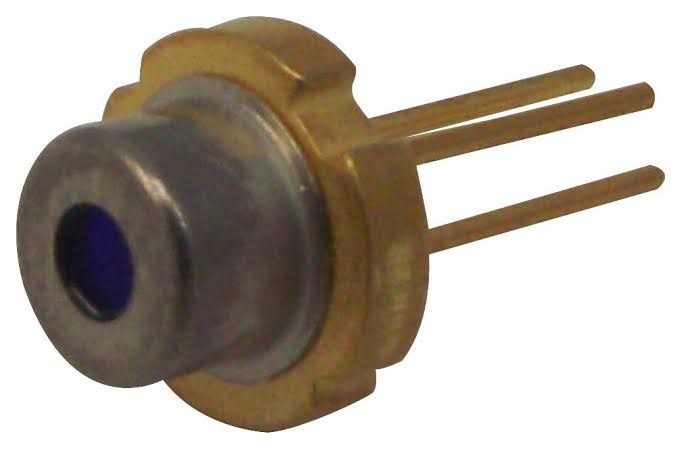
A laser diode (LD, also injection laser diode or ILD, or diode laser) is a semiconductor device similar to a light-emitting diode in which a diode pumped directly with electrical current can create lasing conditions at the diode's junction.
Driven by voltage, the doped p–n-transition allows for recombination of an electron with a hole. Due to the drop of the electron from a higher energy level to a lower one, radiation, in the form of an emitted photon is generated. This is spontaneous emission. Stimulated emission can be produced when the process is continued and further generates light with the same phase, coherence and wavelength.
The choice of the semiconductor material determines the wavelength of the emitted beam, which in today's laser diodes range from infra-red to the UV spectrum. Laser diodes are the most common type of lasers produced, with a wide range of uses that include fiber optic communications, barcode readers, laser pointers, CD/DVD/Blu-ray disc reading/recording, laser printing, laser scanning and light beam illumination. With the use of a phosphor like that found on white LEDs, Laser diodes can be used for general illumination.
━━━━━━━━━━━━
☢ @Physics ⚡| @Education 📖
👍40❤6🔥4😱3🎉2
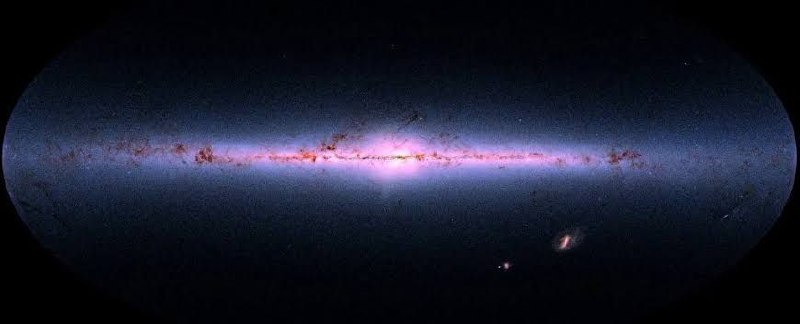
▶️ The Fermi paradox is the conflict between the lack of clear, obvious evidence for extraterrestrial life and various high estimates for their existence. As a 2015 article put it, "If life is so easy, someone from somewhere must have come calling by now.
▶️ Italian-American physicist Enrico Fermi's name is associated with the paradox because of a casual conversation in the summer of 1950 with fellow physicists Edward Teller, Herbert York, and Emil Konopinski. While walking to lunch, the men discussed recent UFO reports and the possibility of faster-than-light travel. The conversation moved on to other topics, until during lunch Fermi blurted out, "But where is everybody?" (although the exact quote is uncertain).
▶️ There have been many attempts to explain the Fermi paradox, primarily suggesting that intelligent extraterrestrial beings are extremely rare, that the lifetime of such civilizations is short, or that they exist but (for various reasons) humans see no evidence. This suggests that at universe time and space scales, two intelligent civilizations would be unlikely ever to meet, even if many developed during the life of the universe.
━━━━━━━━━━━━
☢ @Physics ⚡| @Education 📖
👍36🔥13😱2❤1