
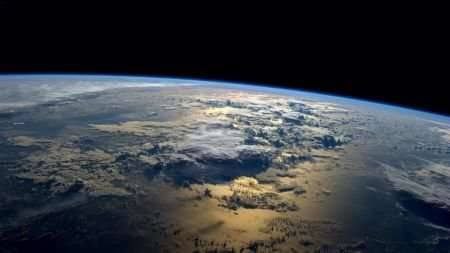
The overview effect is a cognitive shift in awareness reported by some astronauts during spaceflight, often while viewing the Earth from outer space. It is the experience of seeing first-hand the reality of the Earth in space, which is immediately understood to be a tiny, fragile ball of life, "hanging in the void", shielded and nourished by a paper-thin atmosphere. The effect may also invoke a sense of transcendence and connection with humanity as a whole, from which national borders appear petty.
━━━━━━━━━━━━
☢ @Physics ⚡| @Education 📖
━━━━━━━━━━━━
☢ @Physics ⚡| @Education 📖
👍39❤15🔥7🤩7😱3👎1
▶️ WHAT IS A SOLAR STORM QUESTION❓
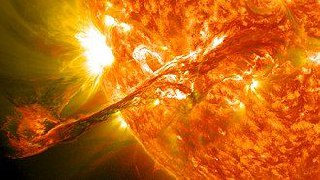
🟢 A solar storm is a disturbance on the Sun, which can emanate outward across the heliosphere, affecting the entire Solar System, including Earth and its magnetosphere, and is the cause of space weather in the short-term with long-term patterns comprising space climate.
🔵 TYPES OF SOLAR STORMS
🟢 Solar storms include:
1⃣ Solar flare, a large explosion in the Sun's atmosphere caused by tangling, crossing or reorganizing of magnetic field lines.
2⃣ Coronal mass ejection (CME), a massive burst of plasma from the Sun, sometimes associated with solar flares.
3⃣ Geomagnetic storm, the interaction of the Sun's outburst with Earth's magnetic field.
4⃣ Solar particle event (SPE), proton or energetic particle (SEP) storm.
━━━━━━━━━━━━
☢ @Physics ⚡| @Education 📖
👍27❤16🔥12😱5🤩3
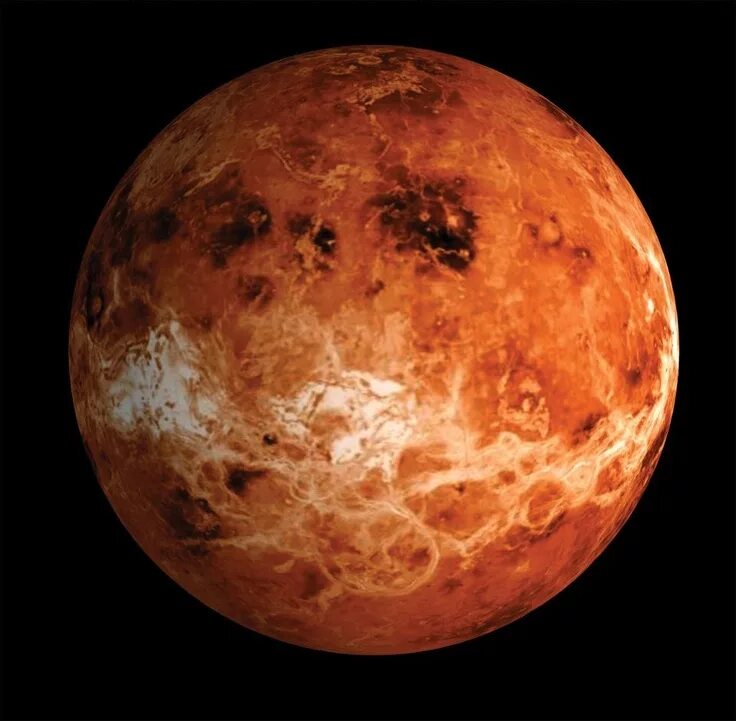
Venus is the only planet in the Solar System that rotates in a clockwise direction.
━━━━━━━━━━━━
☢ @Physics ⚡| @Education 📖
━━━━━━━━━━━━
☢ @Physics ⚡| @Education 📖
👍71😱24🔥16❤15👎2
🔵 WHAT IS A DOUBLE RAINBOW❓
▶️ A double rainbow is a wonderful sight where you get two spectacular natural displays for the price of one.
▶️ Surprisingly, this phenomenon is actually relatively common, especially at times when the sun is low in the sky such as in the early morning or late afternoon. The second rainbow is fainter and more 'pastel' in tone than the primary rainbow because more light escapes from two reflections compared to one.
▶️ The secondary rainbow is also dispersed over a wider area of the sky. It is nearly twice as wide as the primary bow.
▶️ A key feature of double rainbows is that the colour sequence in the second rainbow is reversed, so instead of red, orange, yellow, green, blue, indigo and violet (ROYGBIV), the colours appear in VIBGYOR order.
▶️ The dark band between the two rainbows is known as Alexander's band, after Alexander of Aphrodisias who first described it in 200AD.
▶️ The band forms because between the deviation angles of the primary and secondary rainbows none of the sunlight is scattered by the raindrops towards the observer giving the band of dark sky.
🔵 HOW ARE DOUBLE RAINBOWS FORMED❓
▶️ Double rainbows are formed when sunlight is reflected twice within a raindrop with the violet light that reaches the observer's eye coming from the higher raindrops and the red light from lower raindrops.
▶️ This means the sequence of colours is inverted compared to the primary rainbow, with the secondary bow appearing about 10 degrees above the primary bow.
━━━━━━━━━━━━
☢ @Physics ⚡| @Education 📖

👍64❤30🔥10🤩10👎4
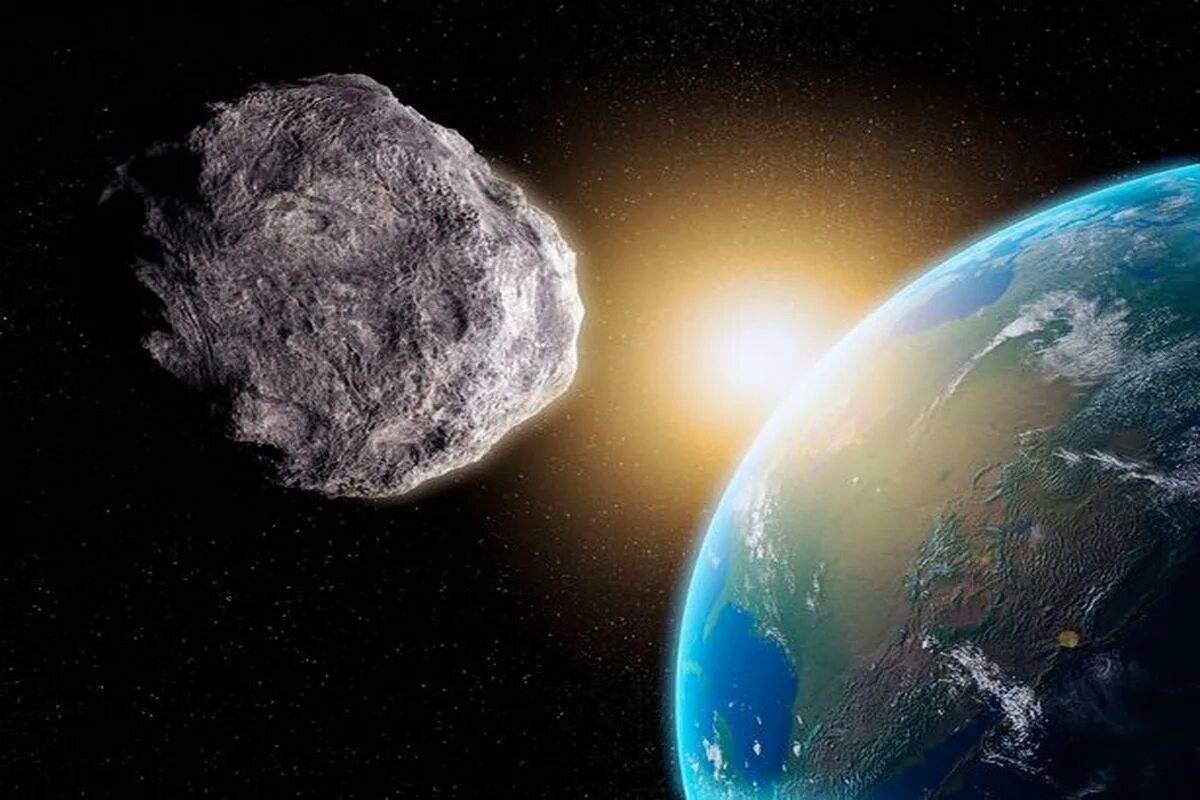
On April 13th, a Friday in 2029, an asteroid more than 1000 feet wide will pass by the Earth closer than the moon and will easily be observed with the naked eye.
━━━━━━━━━━━━
☢ @Physics ⚡| @Education 📖
━━━━━━━━━━━━
☢ @Physics ⚡| @Education 📖
🔥51😱38👍9🤩4
▶️ In the summer, the 324-metre-tall Eiffel Tower not only becomes hotter, but it also gets taller. This is because the iron framework expands owing to thermal expansion. The tower has been known to rise as much as 15cm due to this effect.
▶️ The temperature inside the structure can reach 50°C while that of the outside air is only 10°C. The wind blowing against the exposed sides of the structure further increases the heat within it. As a result, the tower's metal framework will expand even though it is insulated with cement and stone.
▶️ The phenomenon was first noticed by engineers building the tower for the 1889 World's Fair who found that the scaffolding was sinking into the fresh concrete used to repair it. They realized that the cause was the increasing size of the metal beams underneath the surface layer of concrete. The problem would have been fatal if it had not been discovered before the structure was completed. From then on, all future towers were built with steel reinforcement in the concrete, which prevented any more expansions.
━━━━━━━━━━━━
☢ @Physics ⚡| @Education 📖

👍40😱12🤩6❤5🔥4😢2
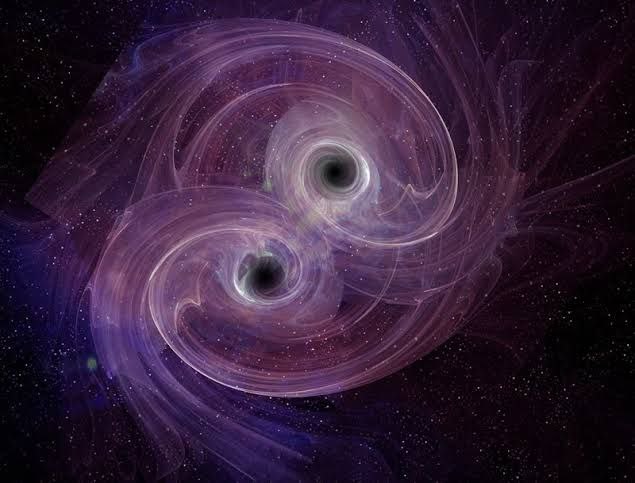
If two black holes collided, they would release as much energy as 100 million supernovas. The collision could rip apart a galaxy and send out massive gravitational waves. The black holes would likely merge into a single, larger black hole.
━━━━━━━━━━━━
☢ @Physics ⚡| @Education 📖
━━━━━━━━━━━━
☢ @Physics ⚡| @Education 📖
🔥45👍17😱12❤10🎉2🤩2
Cryogenic rocket engine is an engine which uses a cryogenic fuel and oxidizer, that is, both its fuel and oxidizer are gases which have been liquefied and are stored at very low temperatures, which is used in a cryogenic stage or last stage of the rocket. The cryogenic stage is very efficient and produces more thrust for every kg of propellant it burns compared to solid and liquid propellants.
━━━━━━━━━━━━
☢ @Physics ⚡| @Education 📖
━━━━━━━━━━━━
☢ @Physics ⚡| @Education 📖
🔥21👍16❤1
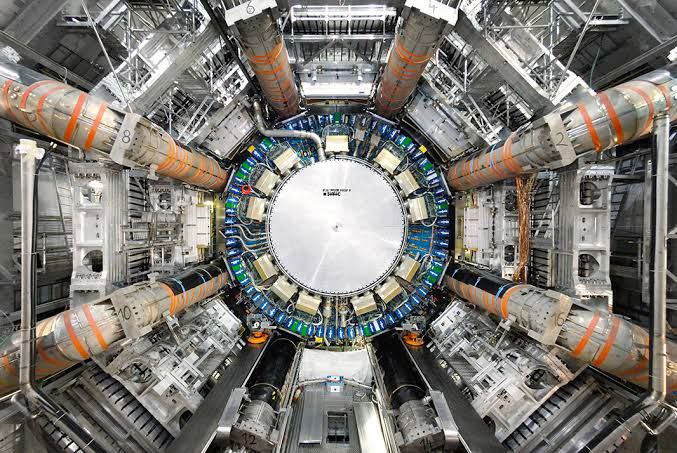
▶️ A collider is a type of particle accelerator which brings two opposing particle beams together such that the particles collide. Colliders may either be ring accelerators or linear accelerators.
▶️ Colliders are used as a research tool in particle physics by accelerating particles to very high kinetic energy and letting them impact other particles. Analysis of the byproducts of these collisions gives scientists good evidence of the structure of the subatomic world and the laws of nature governing it. These may become apparent only at high energies and for tiny periods of time, and therefore may be hard or impossible to study in other ways.
━━━━━━━━━━━━
☢ @Physics ⚡| @Education 📖
👍27🔥25❤2🤩2😱1
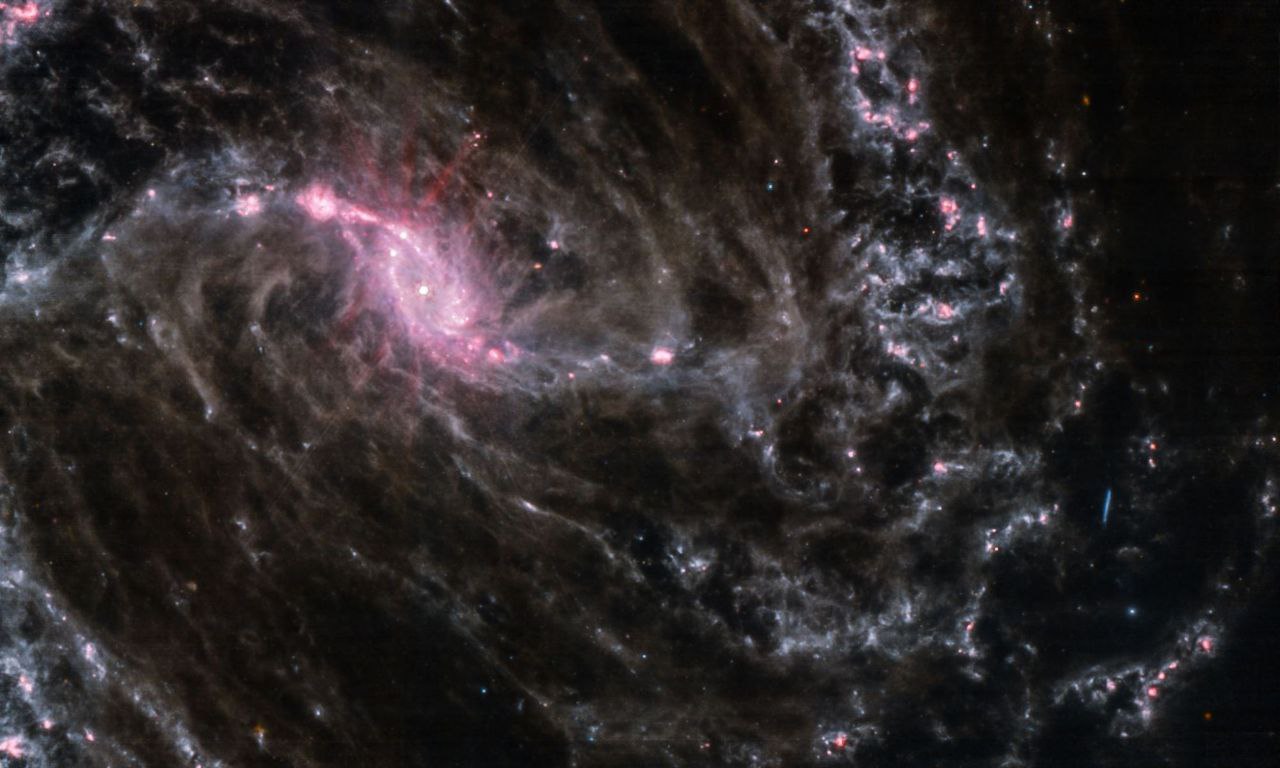
🔵 A NEW IMAGE FROM WEBB SHOWS GALAXY NGC 1365, KNOWN TO HAVE AN ACTIVELY FEEDING SUPERMASSIVE BLACK HOLE
▶️ The James Webb Space Telescope continues to deliver stunning images of the Universe, demonstrating that the years of development and delays were well worth the wait! The latest comes from Judy Schmidt (aka. Geckzilla, SpaceGeck), an astrophotographer who processed an image taken by Webb of the barred spiral galaxy NGC 1365. Also known as the Great Barred Spiral Galaxy, NGC 1365 is a double-barred spiral galaxy consisting of a long bar and a smaller barred structure located about 56 million light-years away in the southern constellation Fornax.
▶️ Measuring over 200,000 light-years in diameter, roughly twice as large as the Milky Way, NGC 1365 is noted for the way its wide arms extend from its central bar to give it a Z-like appearance. The galaxy was selected for observations by JWST because of its iconic nature and how much of its interior structure is obscured by dust. In particular, its second bar is more prominent in infrared images, and previous instruments (like the Hubble and Spitzer space telescopes) have been limited in terms of what they could visualize.
Source: UniverseToday
━━━━━━━━━━━━
☢ @Physics ⚡| @Education 📖
🔥28❤10👍10