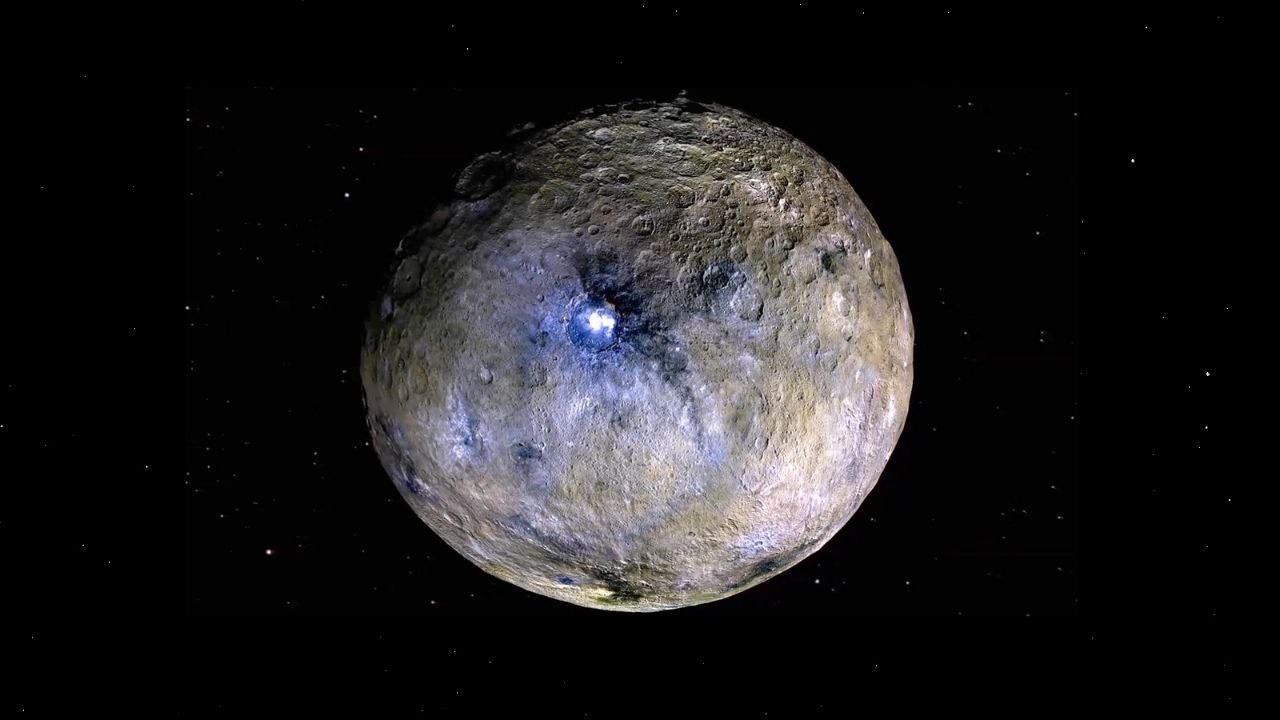
Ceres a dwarf planet in the asteroid belt between the orbits of Mars and Jupiter. It was the first asteroid discovered, on 1 January 1801, by Giuseppe Piazzi at Palermo Astronomical Observatory in Sicily. Originally considered a planet, it was reclassified as an asteroid in the 1850s after the discovery of dozens of other objects in similar orbits. In 2006, it was reclassified again as a dwarf planet – the only one always inside Neptune's orbit – because, at 940 km (580 mi) in diameter, it is the only asteroid large enough for its gravity to maintain it as a spheroid in hydrostatic equilibrium.
━━━━━━━━━━━━
☢ @Physics ⚡| @Education 📖
━━━━━━━━━━━━
☢ @Physics ⚡| @Education 📖
🔥28👍15❤10😱9😁2
The spiral shapes of sunflowers follow a Fibonacci sequence: 1, 1, 2, 3, 5, 8..., each number is the sum of the last two. This maximizes sunlight for each floret.
━━━━━━━━━━━━
☢ @Physics ⚡| @Education 📖
━━━━━━━━━━━━
☢ @Physics ⚡| @Education 📖

🔥38❤23😱22👍14
Red dwarfs are the most common type of stars in our galaxy. They have the longest lifespan of up to trillions of years, which is far greater than the current age of the universe. Due to their very low mass, they do not burn out of fuel, contributing to their longevity.
━━━━━━━━━━━━
☢ @Physics ⚡| @Education 📖
━━━━━━━━━━━━
☢ @Physics ⚡| @Education 📖

👍31🔥26❤8😁2👎1
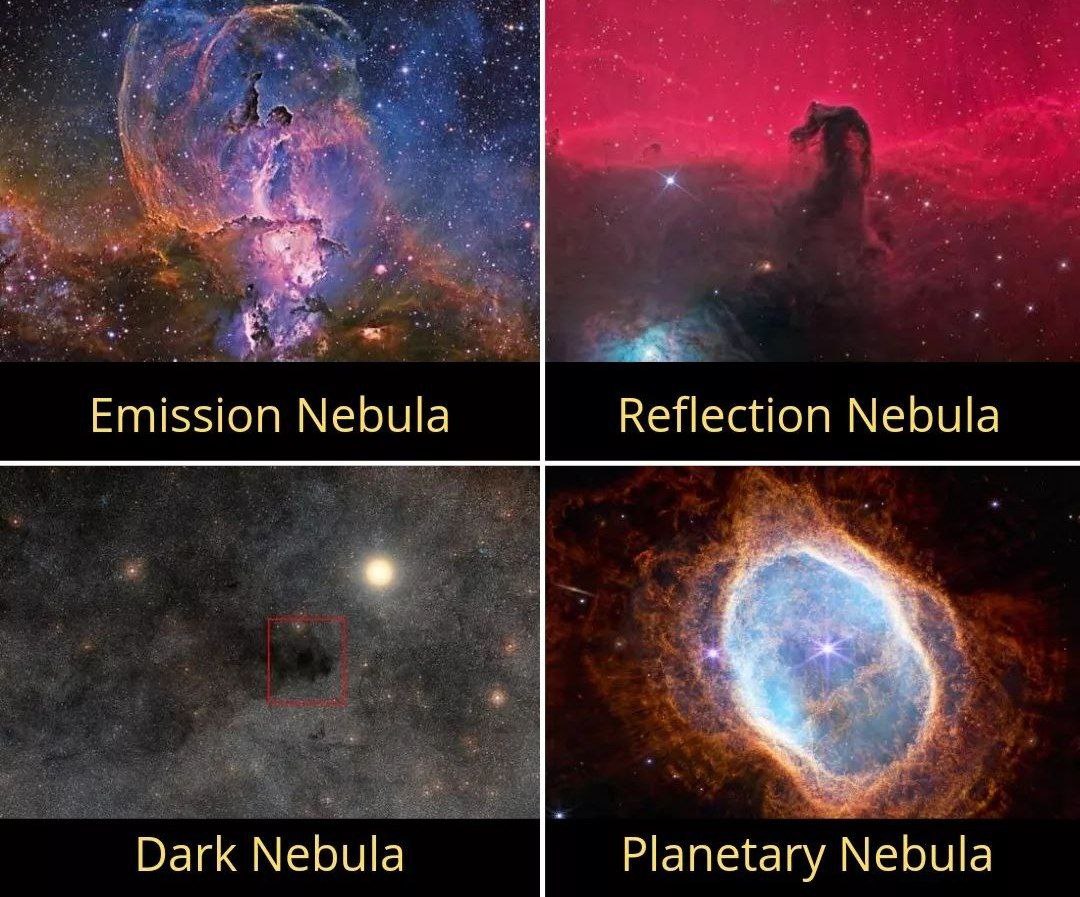
🔵 TYPES OF NEBULAE
🟢 EMISSION NEBULA: An emission nebula is a cloud of high temperature gas. Within this type of nebula, a star energizes the atoms in the cloud with ultraviolet radiation.
🟢 REFLECTION NEBULA: It is an interstellar cloud that would normally be a dark nebula (or molecular cloud) but whose dust reflects the light from a nearby bright star that is not hot enough to ionize the cloud's hydrogen.
🟢 DARK NEBULA: A dark nebula or absorption nebula is a type of interstellar cloud, particularly molecular clouds, that is so dense that it obscures the visible wavelengths of light from objects behind it.
🟢 PLANETARY NEBULA: A planetary nebula is a type of emission nebula consisting of an expanding, glowing shell of ionized gas ejected from red giant stars late in their lives.
━━━━━━━━━━━━
☢ @Physics ⚡| @Education 📖
👍44❤15🔥10🤩7
The stroboscopic effect is a visual phenomenon caused by aliasing that occurs when continuous rotational or other cyclic motion is represented by a series of short or instantaneous samples (as opposed to a continuous view) at a sampling rate close to the period of the motion. It accounts for the "wagon-wheel effect", so-called because in video, spoked wheels (such as on horse-drawn wagons) sometimes appear to be turning backwards.
━━━━━━━━━━━━
☢ @Physics ⚡| @Education 📖
━━━━━━━━━━━━
☢ @Physics ⚡| @Education 📖

🔥23❤10👍8😱6👎3
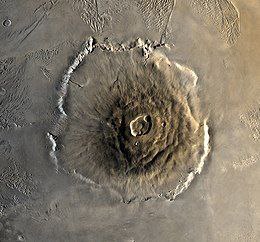
Olympus Mons is a large shield volcano on Mars. The volcano has a height of over 21.9 km (13.6 mi or 72,000 ft) as measured by the Mars Orbiter Laser Altimeter (MOLA). Olympus Mons is about two and a half times Mount Everest's height above sea level. It is the largest and highest mountain and volcano of the Solar System, and is associated with the Tharsis Montes, a large volcanic region on Mars.
━━━━━━━━━━━━
☢ @Physics ⚡| @Education 📖
━━━━━━━━━━━━
☢ @Physics ⚡| @Education 📖
🔥38👍17❤8
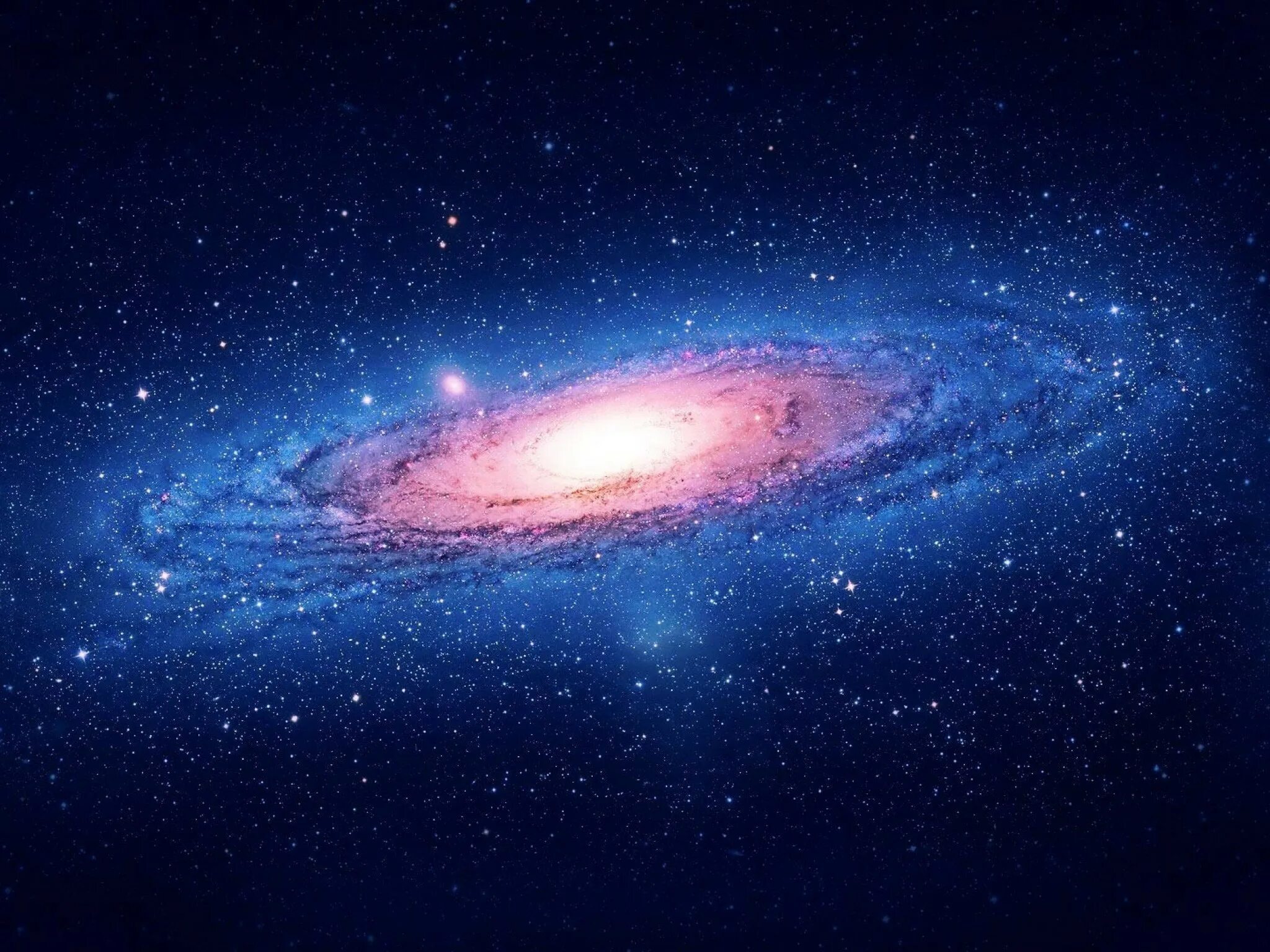
The visible size of the Andromeda galaxy is over 4 times that of our Moon when seen from the Earth. It is far too faint to be casually observed by the sky gazers. To an unaided eye, it just appears as a small, faint, fuzzy patch.
━━━━━━━━━━━━
☢ @Physics ⚡| @Education 📖
━━━━━━━━━━━━
☢ @Physics ⚡| @Education 📖
👍40🔥18❤8😱8😁4
S2 star is the closest orbiting star to the Black Hole at the centre of Milky way galaxy. When it approaches its closest distance, which is 120 AU (astronomical unit), its velocity reaches up to 7650 km/sec, which is approximately 2% of speed of light.
━━━━━━━━━━━━
☢ @Physics ⚡| @Education 📖
━━━━━━━━━━━━
☢ @Physics ⚡| @Education 📖

🔥32👍20😱15❤14
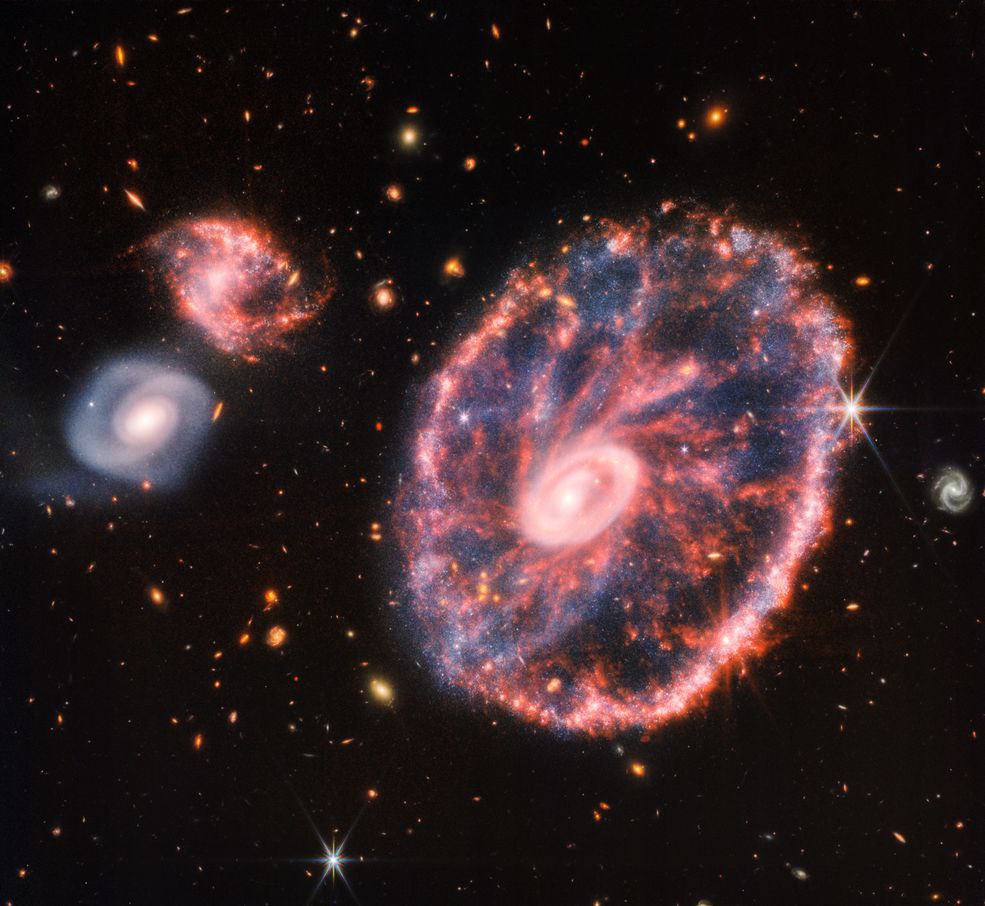
NASA’s James Webb Space Telescope has peered into the chaos of the Cartwheel Galaxy, revealing new details about star formation and the galaxy’s central black hole. Webb’s powerful infrared gaze produced this detailed image of the Cartwheel and two smaller companion galaxies against a backdrop of many other galaxies. This image provides a new view of how the Cartwheel Galaxy has changed over billions of years.
The Cartwheel Galaxy, located about 500 million light-years away in the Sculptor constellation, is a rare sight. Its appearance, much like that of the wheel of a wagon, is the result of an intense event – a high-speed collision between a large spiral galaxy and a smaller galaxy not visible in this image. Collisions of galactic proportions cause a cascade of different, smaller events between the galaxies involved; the Cartwheel is no exception.
━━━━━━━━━━━━
☢ @Physics ⚡| @Education 📖
❤32👍17🔥16
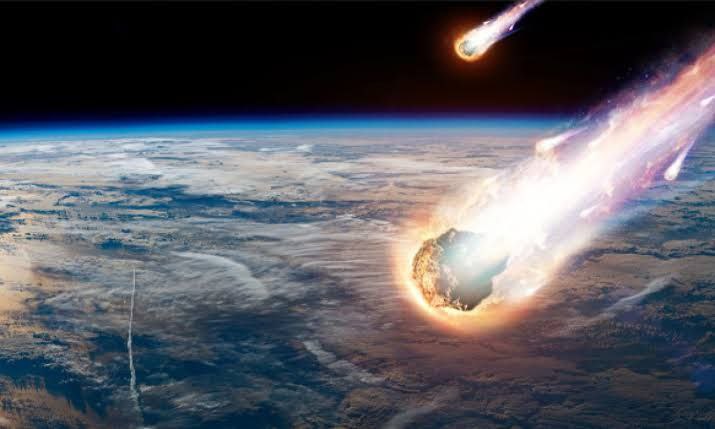
▶️ Panspermia is the hypothesis, first proposed in the 5th century BC by the Greek philosopher Anaxagoras, that life exists throughout the Universe, distributed by space dust, meteoroids, asteroids, comets, and planetoids, as well as by spacecraft carrying unintended contamination by microorganisms. Panspermia is a fringe theory with little support amongst mainstream scientists. Critics argue that it does not answer the question of the origin of life but merely places it on another celestial body. It is also criticized because it cannot be tested experimentally.
▶️ Panspermia proposes (for example) that microscopic lifeforms which can survive the effects of space (such as extremophiles) can become trapped in debris ejected into space after collisions between planets and small Solar System bodies that harbor life. Panspermia studies concentrate not on how life began, but on methods that may distribute it in the Universe.
▶️ Pseudo-panspermia (sometimes called soft panspermia or molecular panspermia) is the well-attested hypothesis that many of the pre-biotic organic building-blocks of life originated in space, became incorporated in the solar nebula from which planets condensed, and were further—and continuously—distributed to planetary surfaces where life then emerged.
━━━━━━━━━━━━
☢ @Physics ⚡| @Education 📖
👍36🔥12❤7🎉6