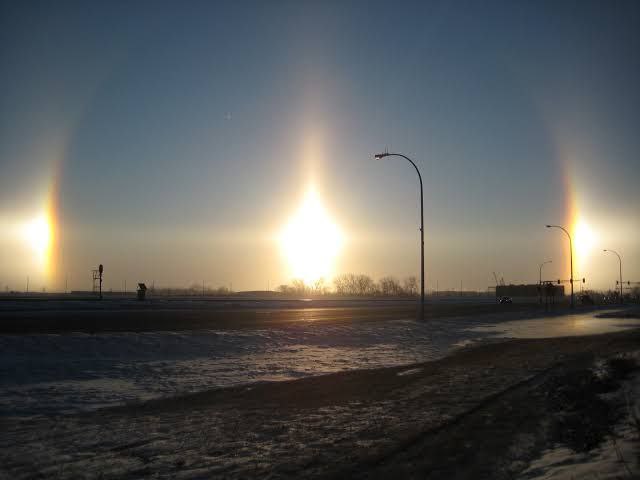
A sun dog (or sundog) or mock sun, also called a parhelion in meteorology, is an atmospheric optical phenomenon that consists of a bright spot to one or both sides of the Sun. Two sun dogs often flank the Sun within a 22° halo. The sun dog is a member of the family of halos caused by the refraction of sunlight by ice crystals in the atmosphere. Sun dogs typically appear as a pair of subtly colored patches of light, around 22° to the left and right of the Sun, and at the same altitude above the horizon as the Sun. They can be seen anywhere in the world during any season, but are not always obvious or bright. Sun dogs are best seen and most conspicuous when the Sun is near the horizon.
━━━━━━━━━━━━
☢ @Physics ⚡| @Education 📖
━━━━━━━━━━━━
☢ @Physics ⚡| @Education 📖
👍43🔥21❤19😱3🤩3
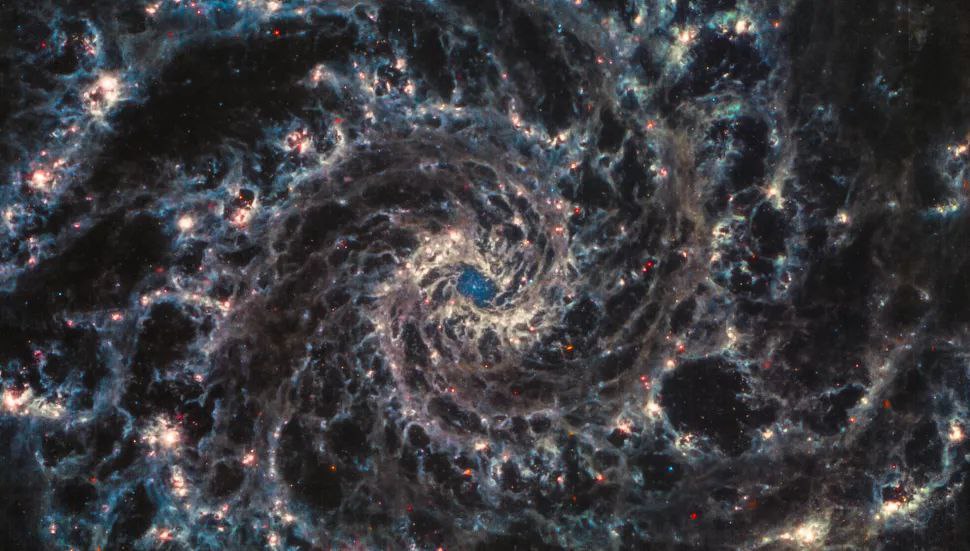
An incredible image of galaxy M74 captured by NASA's James Webb Space Telescope (WST). M74 is a spiral galaxy consisting of approximately 100 billion stars located 32 million light years away from the Earth.
━━━━━━━━━━━━
☢ @Physics ⚡| @Education 📖
━━━━━━━━━━━━
☢ @Physics ⚡| @Education 📖
❤43🔥20👍16🤩9🎉6😱2
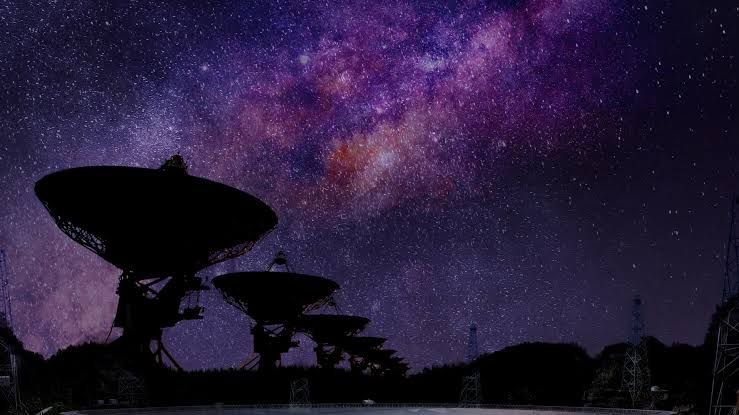
Fast radio bursts (FRBs) could actually be a quantum phenomena. Superradiance is hypothesized to occur where a group of atoms or molecules with extremely long wavelengths become entangled in a common electromagnetic field. The entangled particles then act together as a group instead of as individuals, which can lead to strong bursts of radiation possibly seen by us as FRBs.
━━━━━━━━━━━━
☢ @Physics ⚡| @Education 📖
━━━━━━━━━━━━
☢ @Physics ⚡| @Education 📖
🔥24👍16❤12🤩7
A gravitational singularity, spacetime singularity or simply singularity is a condition in which gravity is so intense that spacetime itself breaks down catastrophically. As such, a singularity is by definition no longer part of the regular spacetime and cannot be determined by "where" or "when". Trying to find a complete and precise definition of singularities in the theory of general relativity, the current best theory of gravity, remains a difficult problem. A singularity in general relativity can be defined by the scalar invariant curvature becoming infinite or, better, by a geodesic being incomplete.
━━━━━━━━━━━━
☢ @Physics ⚡| @Education 📖
━━━━━━━━━━━━
☢ @Physics ⚡| @Education 📖
👍32🔥11❤10🤩6😱4
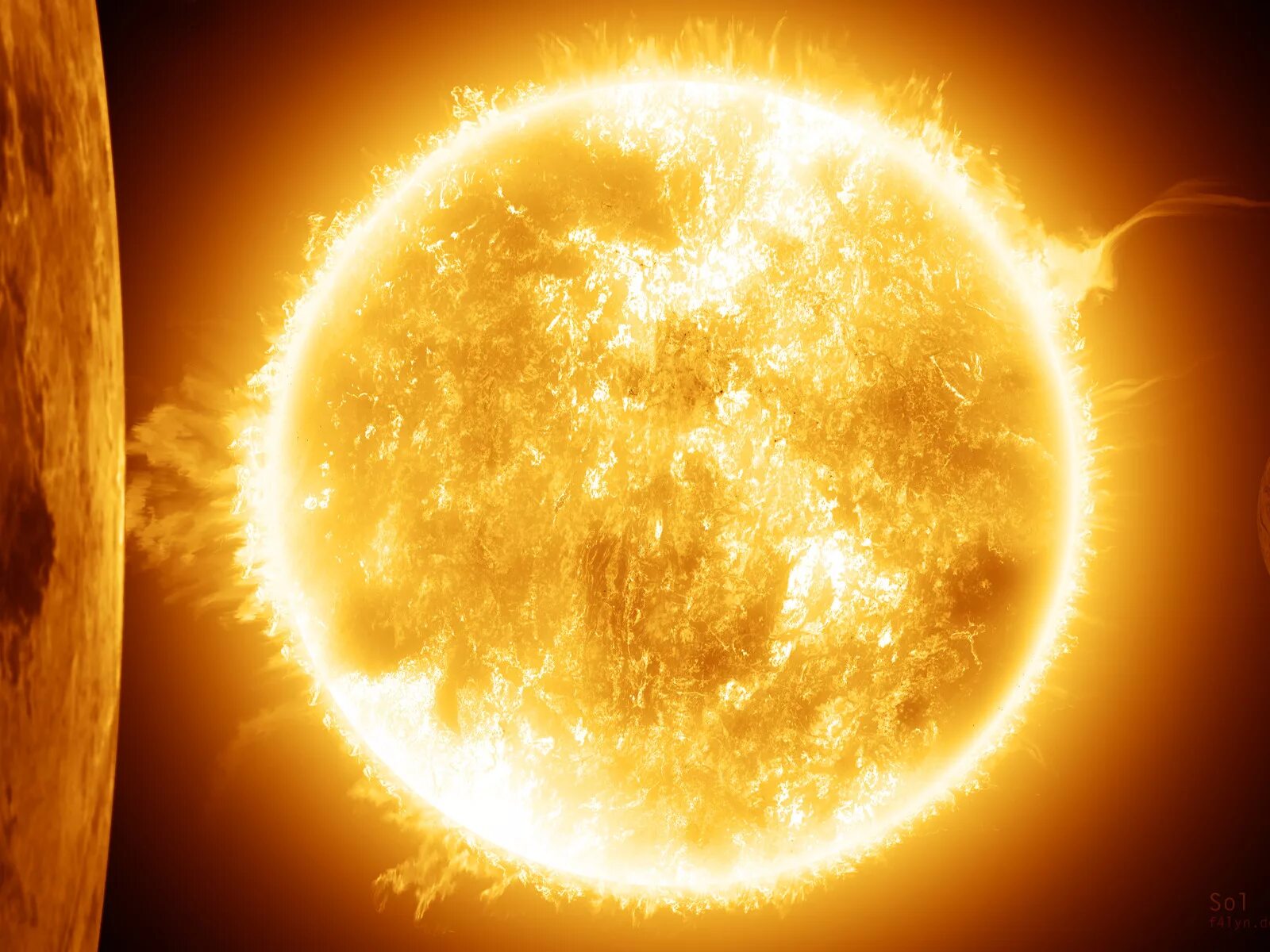
The Sun sounds like obnoxious, deafening church bells. Sound doesn't travel in the vacuum of space, but if it did, Earth would be constantly bombarded with a noise that's 5 decibels louder than a train horn blaring right in front of you.
━━━━━━━━━━━━
☢ @Physics ⚡| @Education 📖
━━━━━━━━━━━━
☢ @Physics ⚡| @Education 📖
😱48👍34❤13🔥13😢1
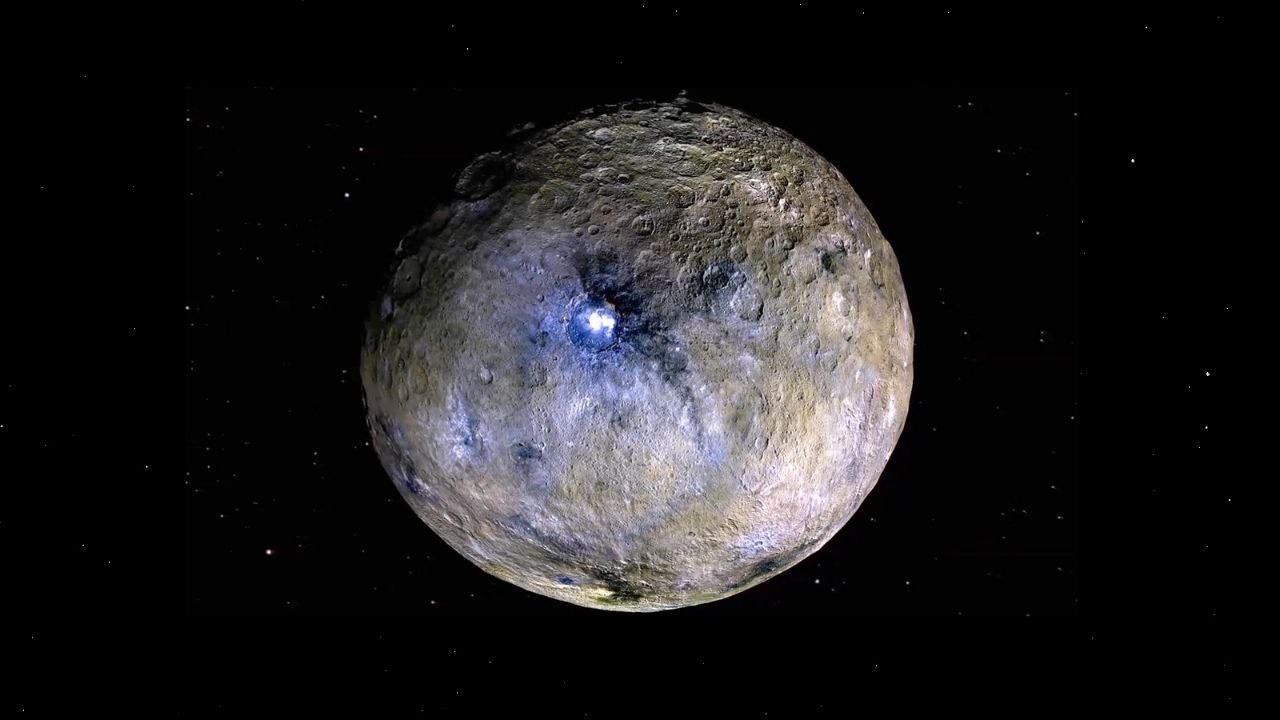
Ceres a dwarf planet in the asteroid belt between the orbits of Mars and Jupiter. It was the first asteroid discovered, on 1 January 1801, by Giuseppe Piazzi at Palermo Astronomical Observatory in Sicily. Originally considered a planet, it was reclassified as an asteroid in the 1850s after the discovery of dozens of other objects in similar orbits. In 2006, it was reclassified again as a dwarf planet – the only one always inside Neptune's orbit – because, at 940 km (580 mi) in diameter, it is the only asteroid large enough for its gravity to maintain it as a spheroid in hydrostatic equilibrium.
━━━━━━━━━━━━
☢ @Physics ⚡| @Education 📖
━━━━━━━━━━━━
☢ @Physics ⚡| @Education 📖
🔥28👍15❤10😱9😁2
The spiral shapes of sunflowers follow a Fibonacci sequence: 1, 1, 2, 3, 5, 8..., each number is the sum of the last two. This maximizes sunlight for each floret.
━━━━━━━━━━━━
☢ @Physics ⚡| @Education 📖
━━━━━━━━━━━━
☢ @Physics ⚡| @Education 📖

🔥38❤23😱22👍14
Red dwarfs are the most common type of stars in our galaxy. They have the longest lifespan of up to trillions of years, which is far greater than the current age of the universe. Due to their very low mass, they do not burn out of fuel, contributing to their longevity.
━━━━━━━━━━━━
☢ @Physics ⚡| @Education 📖
━━━━━━━━━━━━
☢ @Physics ⚡| @Education 📖

👍31🔥26❤8😁2👎1
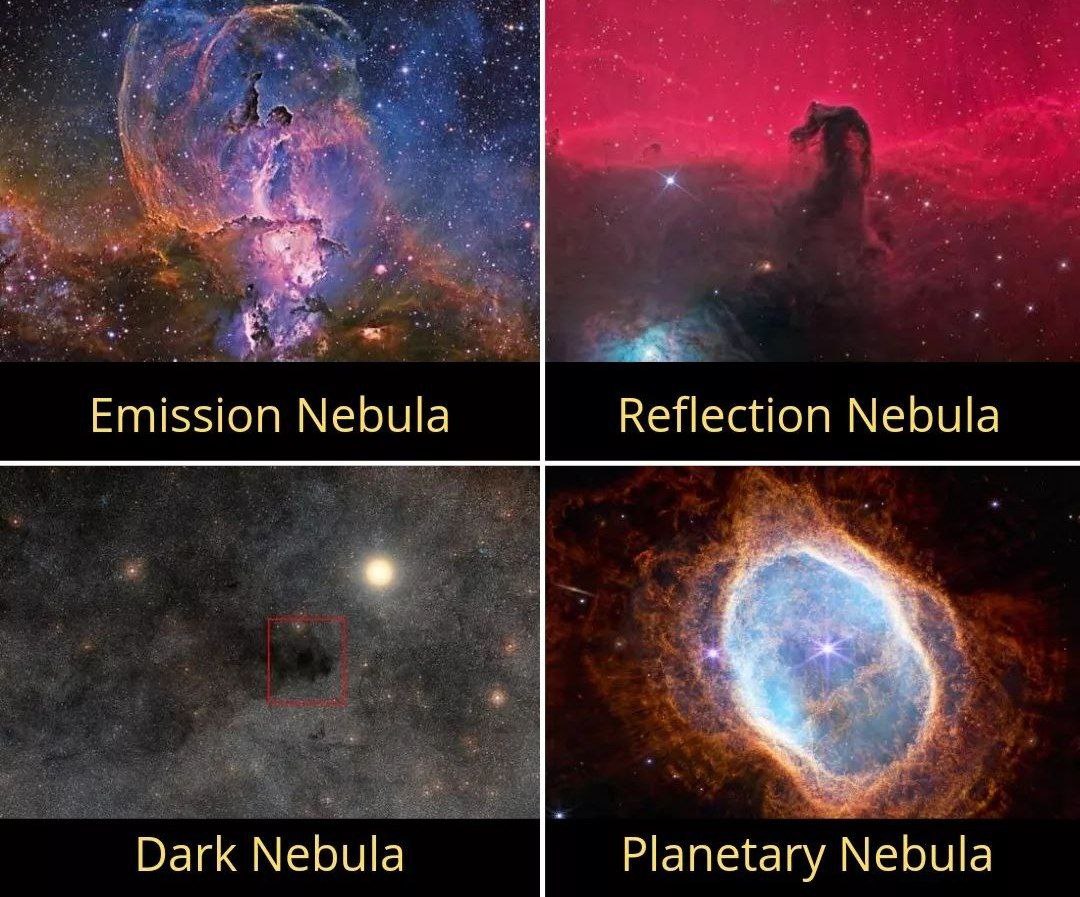
🔵 TYPES OF NEBULAE
🟢 EMISSION NEBULA: An emission nebula is a cloud of high temperature gas. Within this type of nebula, a star energizes the atoms in the cloud with ultraviolet radiation.
🟢 REFLECTION NEBULA: It is an interstellar cloud that would normally be a dark nebula (or molecular cloud) but whose dust reflects the light from a nearby bright star that is not hot enough to ionize the cloud's hydrogen.
🟢 DARK NEBULA: A dark nebula or absorption nebula is a type of interstellar cloud, particularly molecular clouds, that is so dense that it obscures the visible wavelengths of light from objects behind it.
🟢 PLANETARY NEBULA: A planetary nebula is a type of emission nebula consisting of an expanding, glowing shell of ionized gas ejected from red giant stars late in their lives.
━━━━━━━━━━━━
☢ @Physics ⚡| @Education 📖
👍44❤15🔥10🤩7
The stroboscopic effect is a visual phenomenon caused by aliasing that occurs when continuous rotational or other cyclic motion is represented by a series of short or instantaneous samples (as opposed to a continuous view) at a sampling rate close to the period of the motion. It accounts for the "wagon-wheel effect", so-called because in video, spoked wheels (such as on horse-drawn wagons) sometimes appear to be turning backwards.
━━━━━━━━━━━━
☢ @Physics ⚡| @Education 📖
━━━━━━━━━━━━
☢ @Physics ⚡| @Education 📖

🔥23❤10👍8😱6👎3