
A pulsar (from a pulsating radio source) is a highly magnetized rotating neutron star that emits beams of electromagnetic radiation out of its magnetic poles. This radiation can be observed only when a beam of emission is pointing toward Earth (similar to the way a lighthouse can be seen only when the light is pointed in the direction of an observer), and is responsible for the pulsed appearance of emission. Neutron stars are very dense and have short, regular rotational periods. This produces a very precise interval between pulses that ranges from milliseconds to seconds for an individual pulsar. Pulsars are one of the candidates for the source of ultra-high-energy cosmic rays. (See also centrifugal mechanism of acceleration.)
━━━━━━━━━━━━
☢ @Physics ⚡| @Education 📖
━━━━━━━━━━━━
☢ @Physics ⚡| @Education 📖

🔥28👍11❤8🤩8
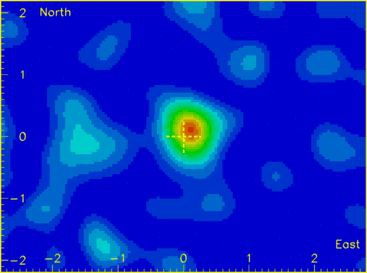
A muon is an elementary particle similar to the electron, with an electric charge of −1 e and a spin of 1⁄2, but with a much greater mass. It is classified as a lepton. As with other leptons, the muon is not known to have any sub-structure – that is, it is not thought to be composed of any simpler particles. The muon is an unstable subatomic particle with a mean lifetime of 2.2 μs, much longer than many other subatomic particles. As with the decay of the non-elementary neutron (with a lifetime around 15 minutes), muon decay is slow (by subatomic standards) because the decay is mediated only by the weak interaction (rather than the more powerful strong interaction or electromagnetic interaction), and because the mass difference between the muon and the set of its decay products is small, providing few kinetic degrees of freedom for decay. Muon decay almost always produces at least three particles, which must include an electron of the same charge as the muon and two types of neutrinos.
━━━━━━━━━━━━
☢ @Physics ⚡| @Education 📖
━━━━━━━━━━━━
☢ @Physics ⚡| @Education 📖
🔥23😱10❤8👍4😢2
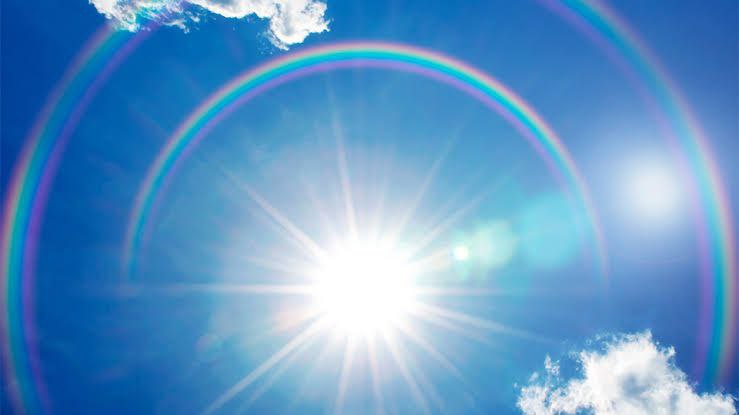
Ever see "halos" around thin clouds in the winter? They are produced by sunlight interacting with ice crystals suspended in the atmosphere. A phenomenon called the 22 halo forms in a ring with a radius of 22 which can happen up to 100 days per year.
━━━━━━━━━━━━
☢ @Physics ⚡| @Education 📖
━━━━━━━━━━━━
☢ @Physics ⚡| @Education 📖
❤38👍15🔥12🤩6😁2
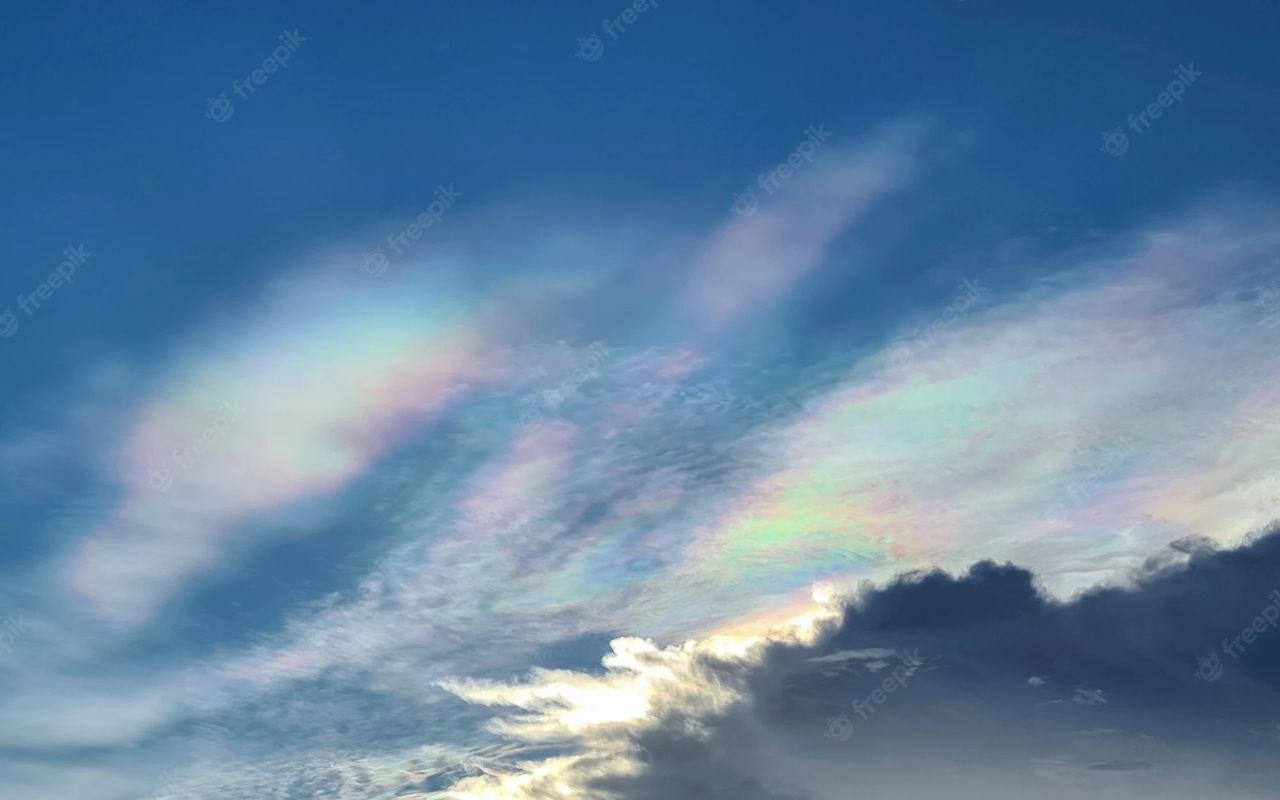
Iridescent clouds are a diffraction phenomenon caused by small water droplets or small ice crystals individually scattering light. Larger ice crystals do not produce iridescence, but can cause halos, a different phenomenon.
Iridescence is caused by very uniform water droplets diffracting light (within 10 degrees from the Sun) and by first order interference effects (beyond about 10 degrees from the Sun). It can extend up to 40 degrees from the Sun.
If parts of clouds contain small water droplets or ice crystals of similar size, their cumulative effect is seen as colors. The cloud must be optically thin, so that most rays encounter only a single droplet. Iridescence is therefore mostly seen at cloud edges or in semi-transparent clouds, while newly forming clouds produce the brightest and most colorful iridescence. When the particles in a thin cloud are very similar in size over a large extent, the iridescence takes on the structured form of a corona, a bright circular disk around the Sun or Moon surrounded by one or more colored rings.
━━━━━━━━━━━━
☢ @Physics ⚡| @Education 📖
👍33❤14🔥7😱6🎉6🤩6
A tachyon or tachyonic particle is a hypothetical particle that always travels faster than light. Physicists believe that faster-than-light particles cannot exist because they are not consistent with the known laws of physics. If such particles did exist they could be used to send signals faster than light. According to the theory of relativity this would violate causality, leading to logical paradoxes such as the grandfather paradox. Tachyons would exhibit the unusual property of increasing in speed as their energy decreases, and would require infinite energy to slow down to the speed of light. No verifiable experimental evidence for the existence of such particles has been found.
━━━━━━━━━━━━
☢ @Physics ⚡| @Education 📖
━━━━━━━━━━━━
☢ @Physics ⚡| @Education 📖
👍46🔥19😱11👎3😢3🤩3😁2
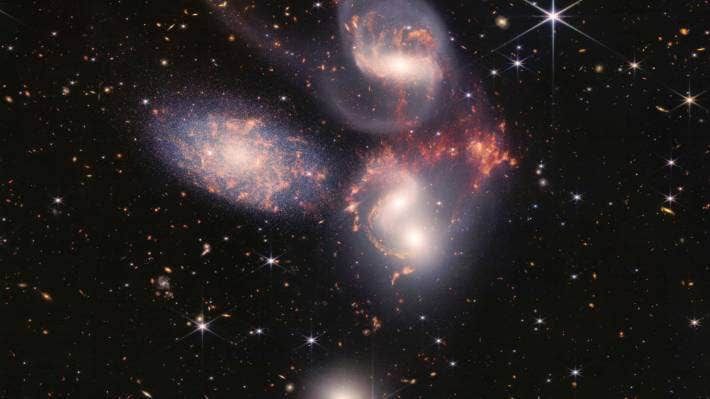
🔭 NASA'S NEW TELESCOPE SHOWCASES DANCING GALAXIES & COSMIC CLIFFS
Swirling streaks of light, glittering galaxies, cosmic dust and a dying star – here’s what Nasa’s powerful telescope is showing us as it peers into space.
On Wednesday (NZT) Nasa unveiled a new batch of images from its US$10 billion James Webb Space Telescope.
One image of sparkling galaxies was released a day prior for an event at the White House in Washington DC. That image showed a jumble of distant galaxies that goes deeper into the cosmos than humanity has ever seen.
© Source: Stuff.co.nz
━━━━━━━━━━━━
☢ @Physics ⚡| @Education 📖
🔥48👍17❤15🤩6😢3👎2😱2
To reach the maximum height, pole vaulters and high jumpers arch their bodies over the bar so their centre of mass actually passes as much as 20 cm underneath the bar, requiring less energy. This was the great innovation of the "Fosbury Flop".
━━━━━━━━━━━━
☢ @Physics ⚡| @Education 📖
━━━━━━━━━━━━
☢ @Physics ⚡| @Education 📖

🔥39👍26❤13🤩6👎1
🏃🏻WHY DO TOP SPRINTERS HAVE SUCH MUSCULAR ARMS❓
Big arms help counterbalance the momentum of hard-pumping legs to keep the runner steady. Bent elbows make the arms shorter pendulums, which swing faster.
━━━━━━━━━━━━
☢ @Physics ⚡| @Education 📖
Big arms help counterbalance the momentum of hard-pumping legs to keep the runner steady. Bent elbows make the arms shorter pendulums, which swing faster.
━━━━━━━━━━━━
☢ @Physics ⚡| @Education 📖

👍47🔥12❤8😱5🤩2👎1
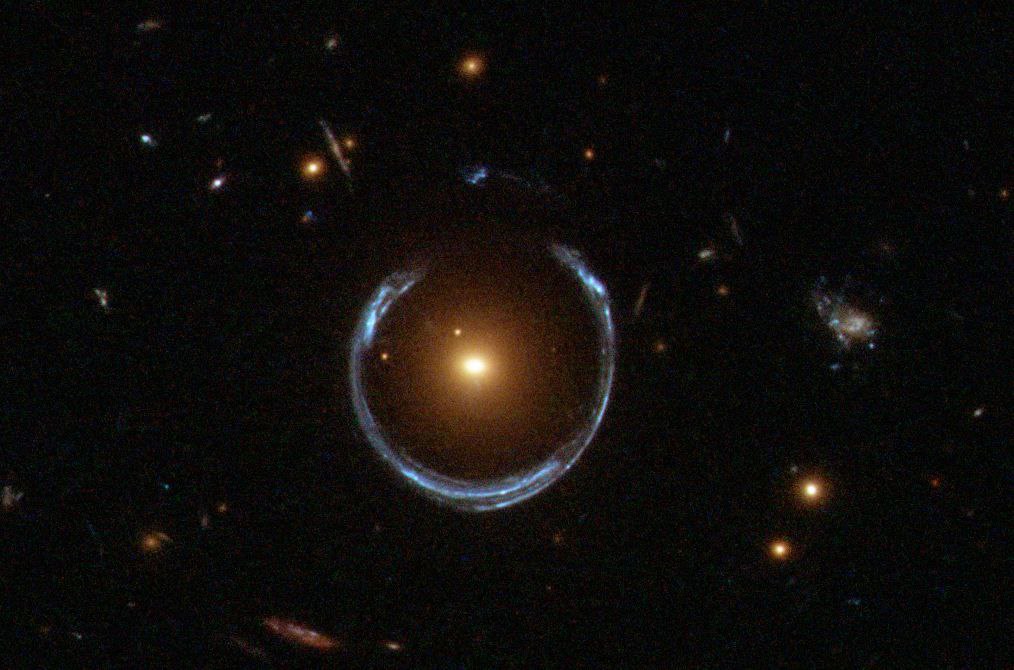
Gravitational lensing occurs when a massive celestial body — such as a galaxy cluster — causes a sufficient curvature of spacetime for the path of light around it to be visibly bent, as if by a lens. The body causing the light to curve is accordingly called a gravitational lens.
━━━━━━━━━━━━
☢ @Physics ⚡| @Education 📖
━━━━━━━━━━━━
☢ @Physics ⚡| @Education 📖
👍31🔥13❤10🤩5👎3
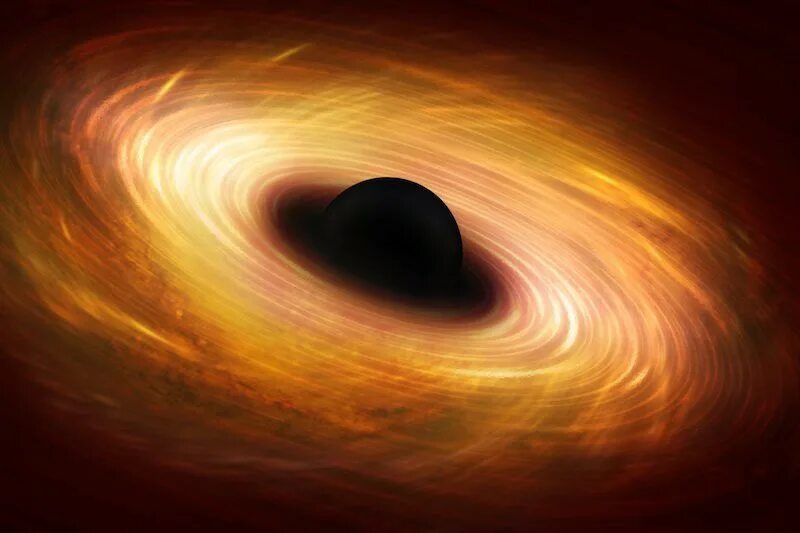
Despite the name, black holes are actually the brightest objects in the universe. Even though we can't see past the event horizon, they can generate more energy than the galaxies in which they are housed.
━━━━━━━━━━━━
☢ @Physics ⚡| @Education 📖
━━━━━━━━━━━━
☢ @Physics ⚡| @Education 📖
🔥47👍20❤13🤩9