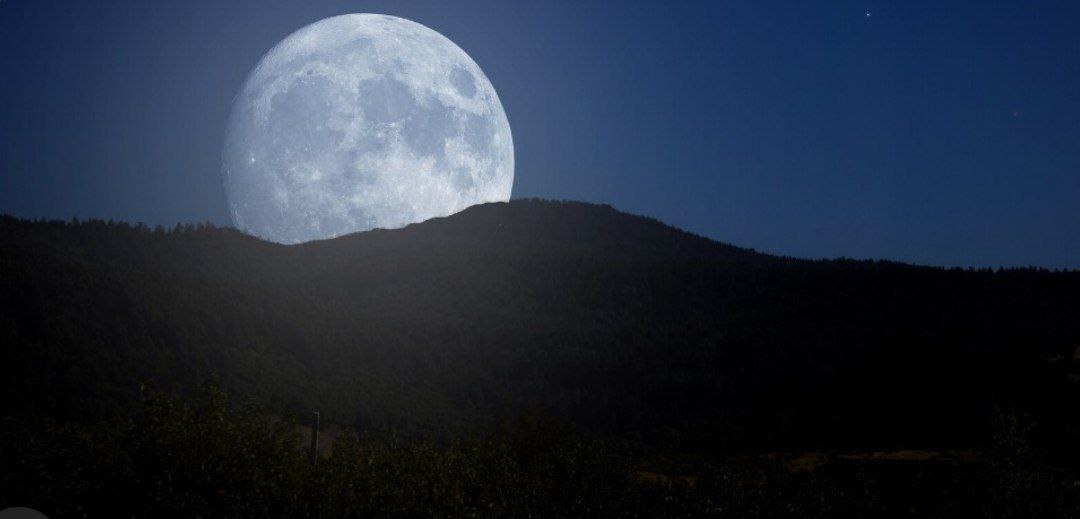
Without the moon, a day on earth would only last six to twelve hours. There could be more than a thousand days in one year! That's because the Earth's rotation slows down over time thanks to the gravitational force or pull of the moon and without it, days would go by in a blink.
━━━━━━━━━━━━
☢ @Physics ⚡| @Education 📖
━━━━━━━━━━━━
☢ @Physics ⚡| @Education 📖
😱46👍18❤17🔥11😢3🤩3
When an archer pulls the arrow back, the bow and string store potential energy, which becomes kinetic energy when the archer releases. Feathers on the arrow create "fletching" - a drag that prevents turbulence from nudging the arrow off course.
━━━━━━━━━━━━
☢ @Physics ⚡| @Education 📖
━━━━━━━━━━━━
☢ @Physics ⚡| @Education 📖

🔥28👍21❤18🤩8😁5😱4🎉1
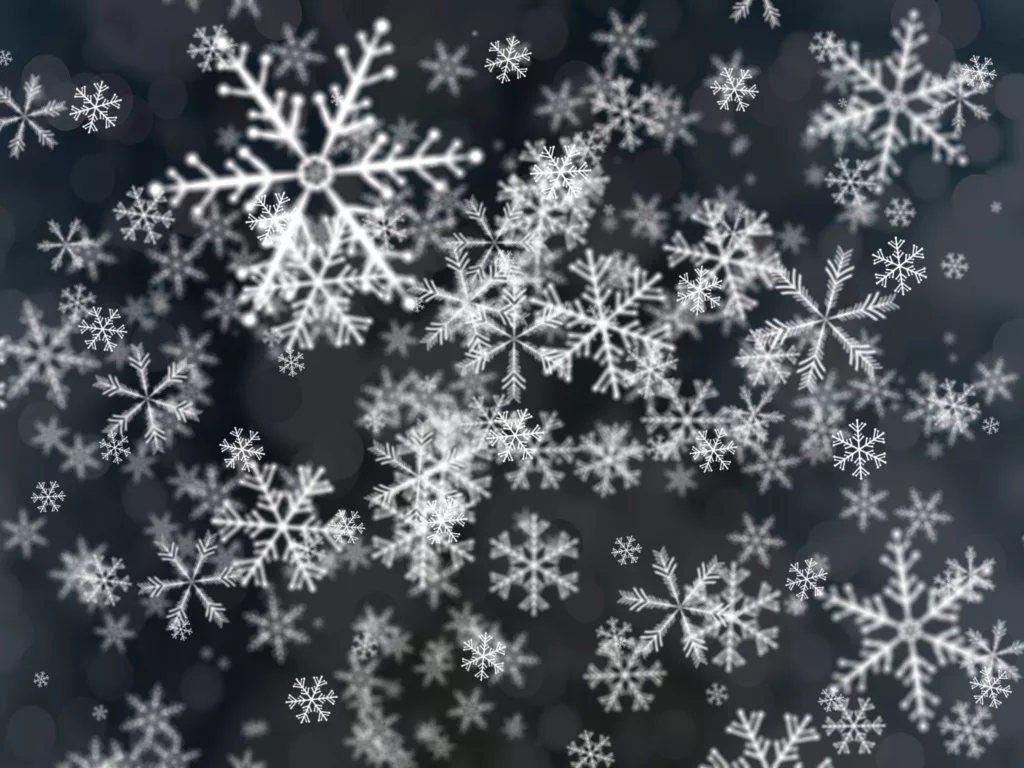
Water is clear, so why does snow appear white? It's because of diffuse reflection of the whole spectrum of light by the tiny crystalline facets of the snowflake. Wavelengths of light are bent slightly by each flake they encounter, and the jumbled mix of all colours of light is what our eyes see as "white."
━━━━━━━━━━━━
☢ @Physics ⚡| @Education 📖
━━━━━━━━━━━━
☢ @Physics ⚡| @Education 📖
❤44👍28😱11🔥9🤩4
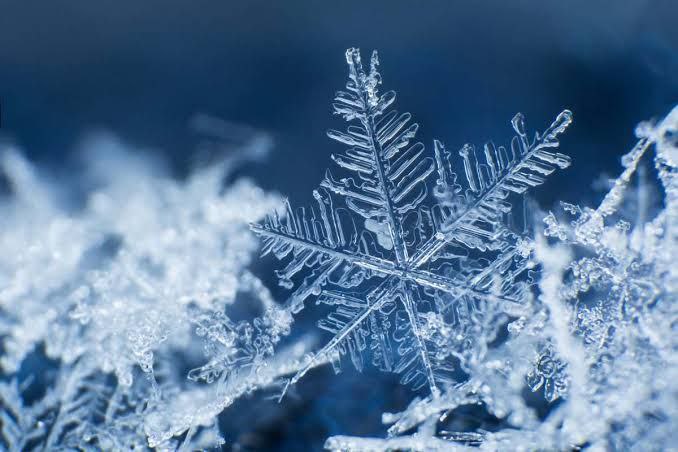
The shape of a snowflake depends on air temperature and humidity. Between -3.5 °C and -10 °C, snowflakes usually take the form of solid and hollow prisms. Plates and complicated "dendrites" can form from -10 °C to -22 °C, and in much colder weather (below -22 °C), the common forms are simple columns and plates.
━━━━━━━━━━━━
☢ @Physics ⚡| @Education 📖
━━━━━━━━━━━━
☢ @Physics ⚡| @Education 📖
👍37❤12🔥9😢4🤩3
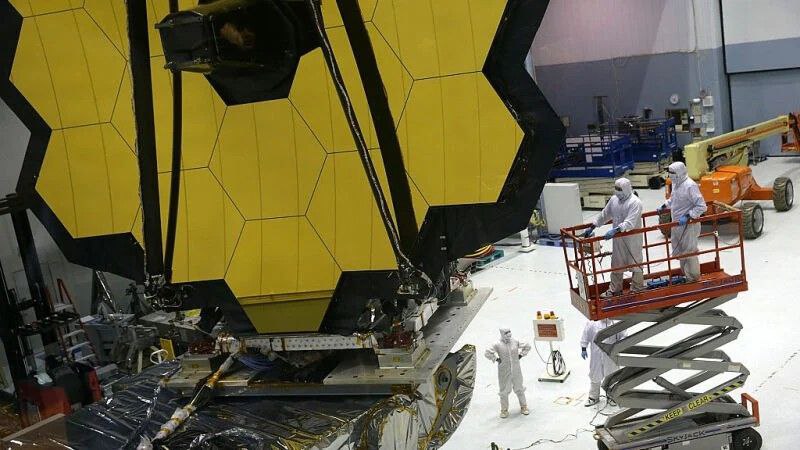
In a matter of days, scientists will release an unprecedented photo of the universe, going deeper into the cosmos than ever before and revealing some of the oldest stars and galaxies.
The image is one of 10 to 20 photos that will come from the James Webb Space Telescope, the preeminent observatory in the sky, on July 12, NASA officials confirmed during a news conference on Wednesday.
━━━━━━━━━━━━
☢ @Physics ⚡| @Education 📖
The image is one of 10 to 20 photos that will come from the James Webb Space Telescope, the preeminent observatory in the sky, on July 12, NASA officials confirmed during a news conference on Wednesday.
━━━━━━━━━━━━
☢ @Physics ⚡| @Education 📖
🔥39👍13❤7🤩7😱5😁3
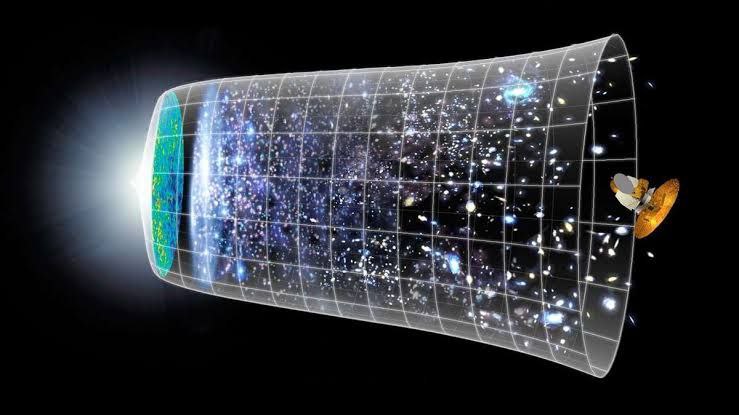
In physical cosmology, cosmic inflation, cosmological inflation, or just inflation, is a theory of exponential expansion of space in the early universe. The inflationary epoch lasted from 10⁻³⁶ seconds after the conjectured Big Bang singularity to some time between 10⁻³³ and 10⁻³² seconds after the singularity. Following the inflationary period, the universe continued to expand, but at a slower rate. The acceleration of this expansion due to dark energy began after the universe was already over 7.7 billion years old (5.4 billion years ago).
━━━━━━━━━━━━
☢ @Physics ⚡| @Education 📖
━━━━━━━━━━━━
☢ @Physics ⚡| @Education 📖
👍32🤩10🔥6😱6😢4
The Higgs boson, sometimes called the Higgs particle, is an elementary particle in the Standard Model of particle physics produced by the quantum excitation of the Higgs field, one of the fields in particle physics theory. In the Standard Model, the Higgs particle is a massive scalar boson with zero spin, even (positive) parity, no electric charge, and no colour charge, that couples to (interacts with) mass. It is also very unstable, decaying into other particles almost immediately.
━━━━━━━━━━━━
☢ @Physics ⚡| @Education 📖
━━━━━━━━━━━━
☢ @Physics ⚡| @Education 📖

👍23🔥21❤9😱9
The quantum Zeno effect (also known as the Turing paradox) is a feature of quantum-mechanical systems allowing a particle's time evolution to be slowed down by measuring it frequently enough with respect to some chosen measurement settings. Sometimes this effect is interpreted as "a system cannot change while you are watching it". One can "freeze" the evolution of the system by measuring it frequently enough in its known initial state. The meaning of the term has since expanded, leading to a more technical definition, in which time evolution can be suppressed not only by measurement: the quantum Zeno effect is the suppression of unitary time evolution in quantum systems provided by a variety of sources: measurement, interactions with the environment, stochastic fields, among other factors. As an outgrowth of study of the quantum Zeno effect, it has become clear that applying a series of sufficiently strong and fast pulses with appropriate symmetry can also decouple a system from its decohering environment.
━━━━━━━━━━━━
☢ @Physics ⚡| @Education 📖
━━━━━━━━━━━━
☢ @Physics ⚡| @Education 📖
❤28👍13🔥8😁3
Overheating can be a serious problem for marathon runners. The advantage tends to go to thinner, shorter runners, since their bodies have less volume to create heat, and a larger relative surface area from which to dissipate it.
━━━━━━━━━━━━
☢ @Physics ⚡| @Education 📖
━━━━━━━━━━━━
☢ @Physics ⚡| @Education 📖

👍42🔥9❤8😁5😢2
A pulsar (from a pulsating radio source) is a highly magnetized rotating neutron star that emits beams of electromagnetic radiation out of its magnetic poles. This radiation can be observed only when a beam of emission is pointing toward Earth (similar to the way a lighthouse can be seen only when the light is pointed in the direction of an observer), and is responsible for the pulsed appearance of emission. Neutron stars are very dense and have short, regular rotational periods. This produces a very precise interval between pulses that ranges from milliseconds to seconds for an individual pulsar. Pulsars are one of the candidates for the source of ultra-high-energy cosmic rays. (See also centrifugal mechanism of acceleration.)
━━━━━━━━━━━━
☢ @Physics ⚡| @Education 📖
━━━━━━━━━━━━
☢ @Physics ⚡| @Education 📖

🔥28👍11❤8🤩8