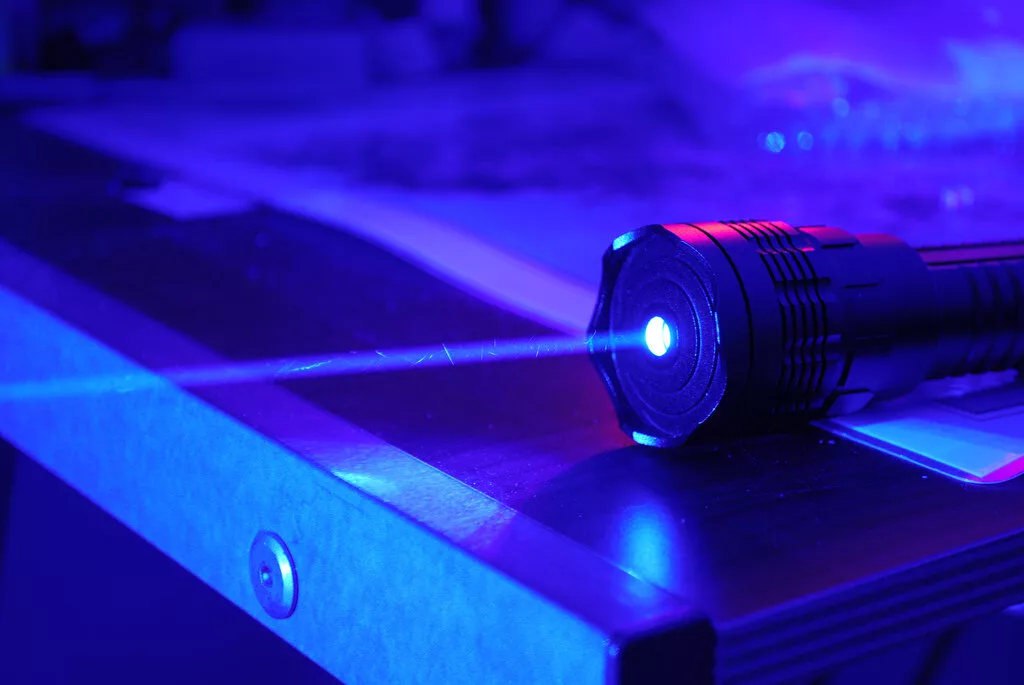
The active part of a laser can be made from many different materials. Certain crystals, glasses, gases, and polymers can be made to "lase", with different results. Some produce high pulses, for example, while others help make fibre optics work.
━━━━━━━━━━━━
☢ @Physics ⚡| @Education 📖
━━━━━━━━━━━━
☢ @Physics ⚡| @Education 📖
❤30👍15🔥14😱5🎉4🤩1
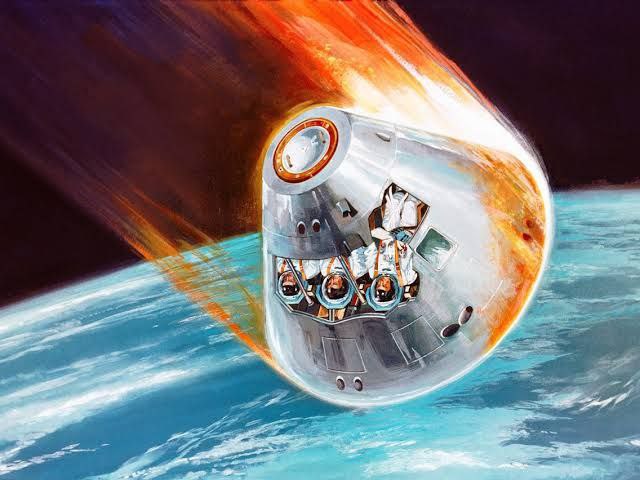
Astronauts on the 1969 Apollo 11 space mission measured the distance between Earth and the moon using a laser, with accuracy within the width of a finger.
━━━━━━━━━━━━
☢ @Physics ⚡| @Education 📖
━━━━━━━━━━━━
☢ @Physics ⚡| @Education 📖
🔥49👍19😱5😢5❤3😁2
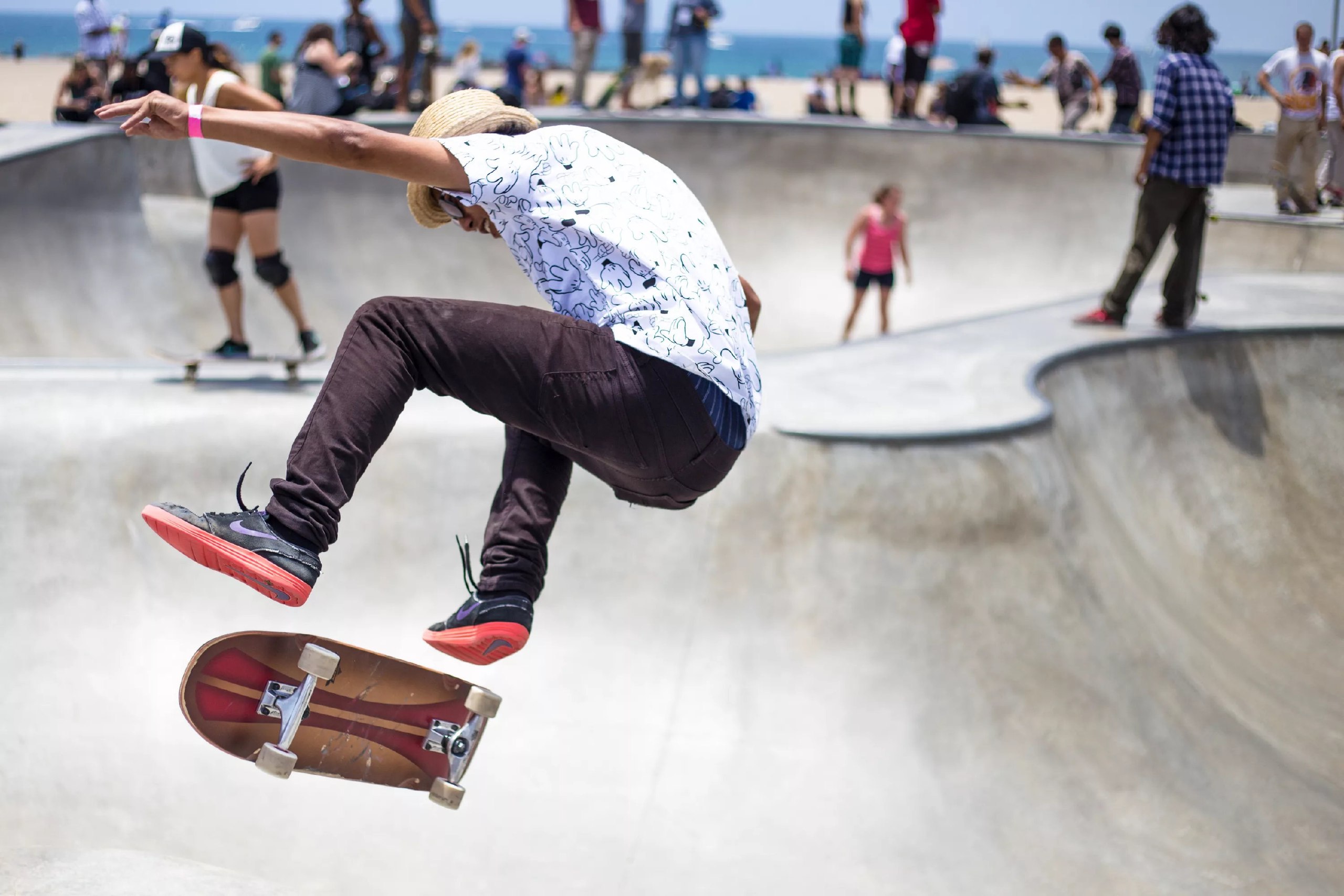
Energy conservation helps skateboarders seemingly defy gravity. As they drop into a half-pipe, they are converting gravitational potential into kinetic energy in the form of velocity, which they use to launch themselves out to the other side.
━━━━━━━━━━━━
☢ @Physics ⚡| @Education 📖
━━━━━━━━━━━━
☢ @Physics ⚡| @Education 📖
🔥38❤15🤩6😱5👍4😁1
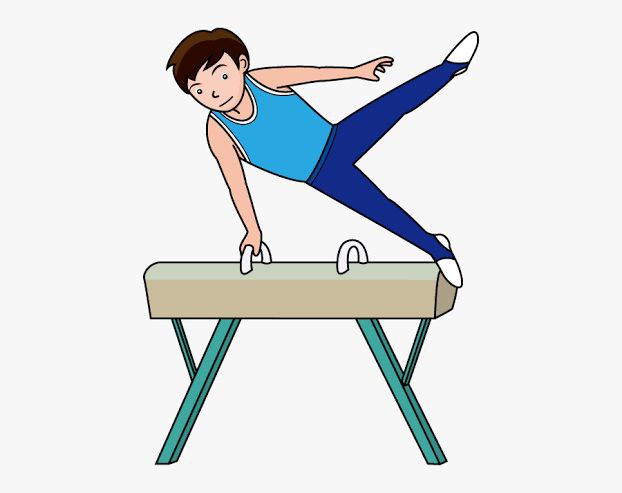
When gymnasts spin, they are exploiting the physics concept of angular momentum. As they retract their arms and legs, their moment of inertia decreases, but their angular velocity increases to compensate, preserving their angular momentum.
━━━━━━━━━━━━
☢ @Physics ⚡| @Education 📖
━━━━━━━━━━━━
☢ @Physics ⚡| @Education 📖
👍47🔥13❤11
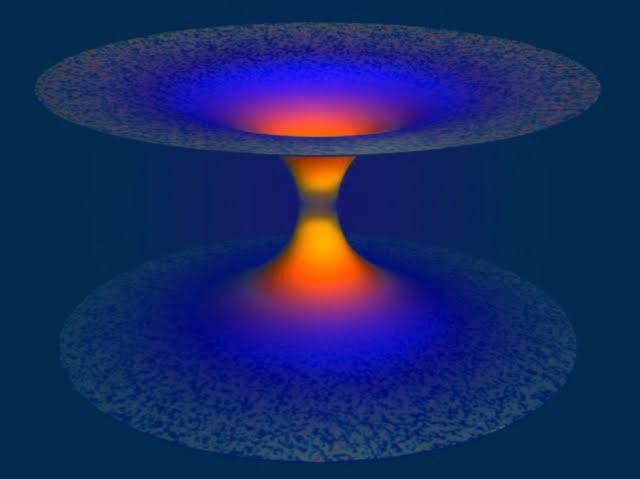
Loop quantum gravity (LQG) is a theory of quantum gravity, which aims to merge quantum mechanics and general relativity, incorporating matter of the Standard Model into the framework established for the pure quantum gravity case. It is an attempt to develop a quantum theory of gravity based directly on Einstein's geometric formulation rather than the treatment of gravity as a force. As a theory LQG postulates that the structure of space and time is composed of finite loops woven into an extremely fine fabric or network. These networks of loops are called spin networks. The evolution of a spin network, or spin foam, has a scale above the order of a Planck length, approximately 10⁻³⁵ meters, and smaller scales are meaningless. Consequently, not just matter, but space itself, prefers an atomic structure.
━━━━━━━━━━━━
☢ @Physics ⚡| @Education 📖
━━━━━━━━━━━━
☢ @Physics ⚡| @Education 📖
❤41👍18🔥14🤩4👎3😱3😁2
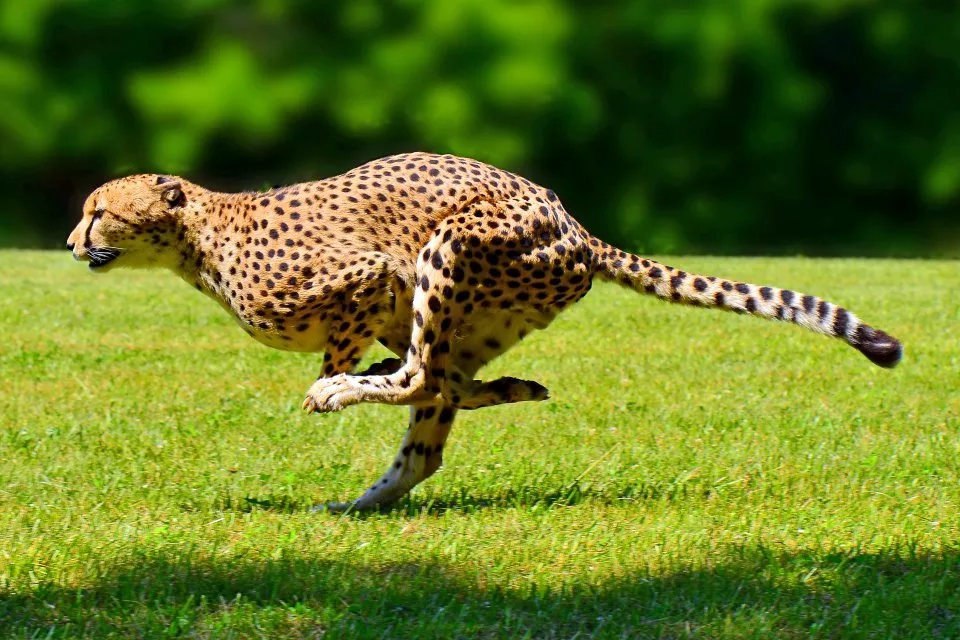
The spectacle of a cheetah running at full speed is art; the anatomy and physique facilitating its speed and agility is genetic engineering at its best. The cheetah can accelerate from 0 – 60 mph in 3 seconds, making it the fastest land animal on the planet. Yes, even faster than Usain Bolt. Like Bolt, the cheetah is a sprinter – not a long distance runner – and can only attain high speeds in short bursts due to the tremendous drain on its energy resources. It could take up to 30 minutes for a cheetah to recover from a chase.
So just how can this big cat accelerate faster than a Ferrari? On the exterior, the cheetah is the most slender of the big cats; its lightweight body (weighing about 80-140 lbs.), small head and long legs are designed for aerodynamics. Structurally, the cheetah has a unique, flexible spine, which allows for extreme flexion and extension while running at top speeds. In spine flexion, when the cat’s legs are directly underneath its body, the scapula and hip are able to rotate to such an extreme angle that the cheetah’s front and hind legs overlap. To reach extension, the spine recoils like a spring propelling the cheetah’s legs out; it is this portion of the gait where the cheetah is able to reach strides up to 25 feet. Lastly, the cheetah is equipped with blunt, semi-retractable claws, which function similarly to soccer cleats. Since its claws never fully retract, like other big cats, they are always at-the-ready to provide powerful traction to the ground.
Credit: ThomsonSafaris
━━━━━━━━━━━━
☢ @Physics ⚡| @Education 📖
❤37🔥15👍13🤩10😱5🎉4
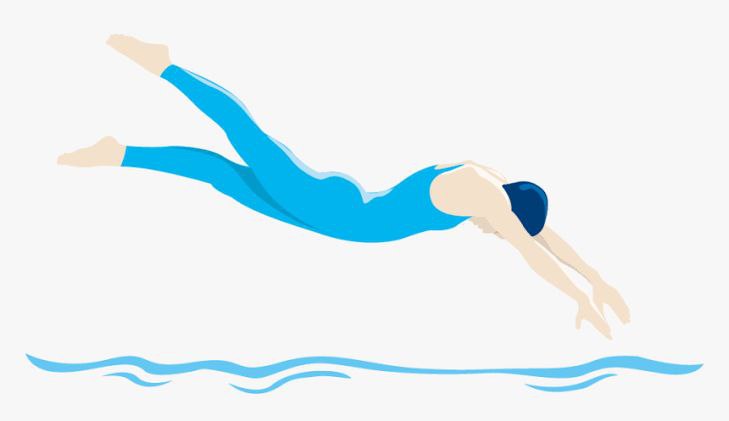
Divers exploit Newton's third law (every action has an equal and opposite reaction) by jumping hard on the springboard for vertical velocity. They must exert flexion in their hips and shoulders while their feet are still touching the board; in the air, they can only shorten their radius in the flipping direction (tucking their arms and legs) to speed up.
━━━━━━━━━━━━
☢ @Physics ⚡| @Education 📖
━━━━━━━━━━━━
☢ @Physics ⚡| @Education 📖
👍41❤9🔥8😁6🤩5😱2
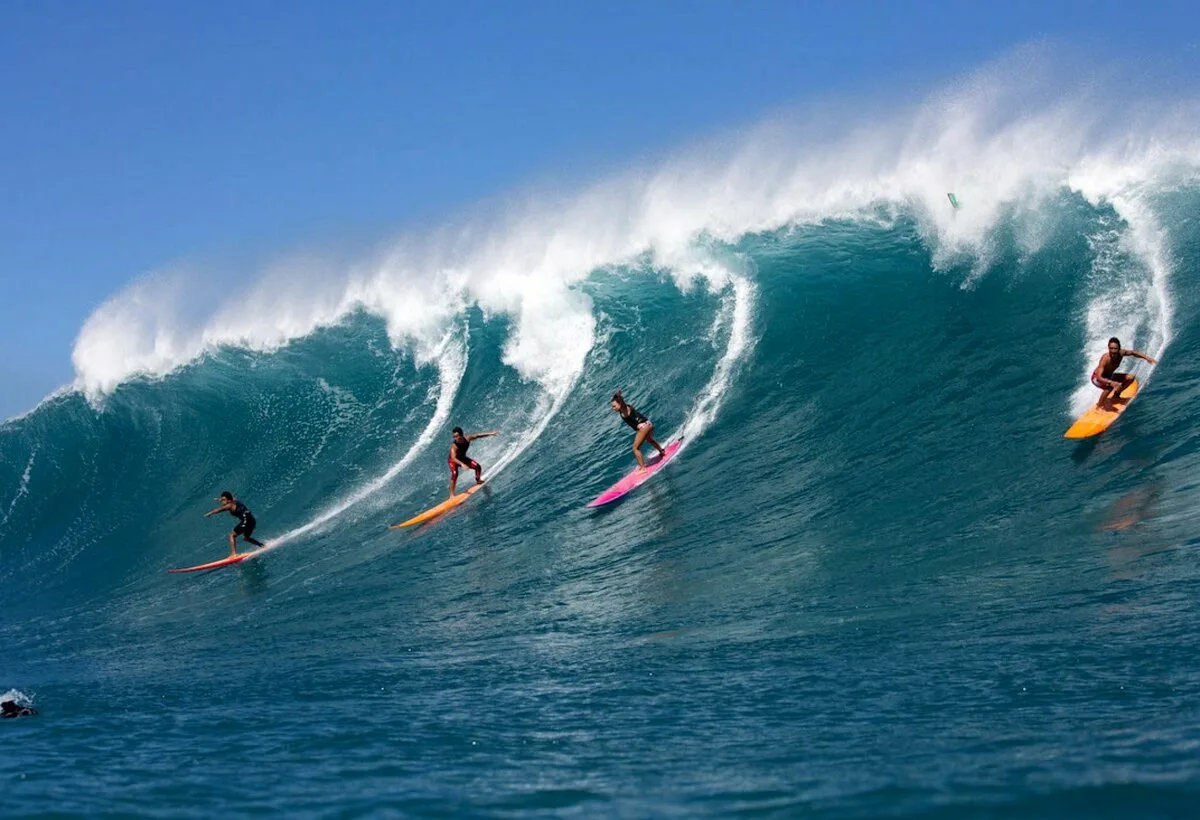
Surfers rely on a delicate balance of forces to help them hang ten; buoyancy and hydrodynamics counteract gravity to keep the board and rider afloat, while the surfer opposition to the torques -created by the waves to avoid a nasty wipeout.
━━━━━━━━━━━━
☢ @Physics ⚡| @Education 📖
━━━━━━━━━━━━
☢ @Physics ⚡| @Education 📖
👍42❤12🔥10
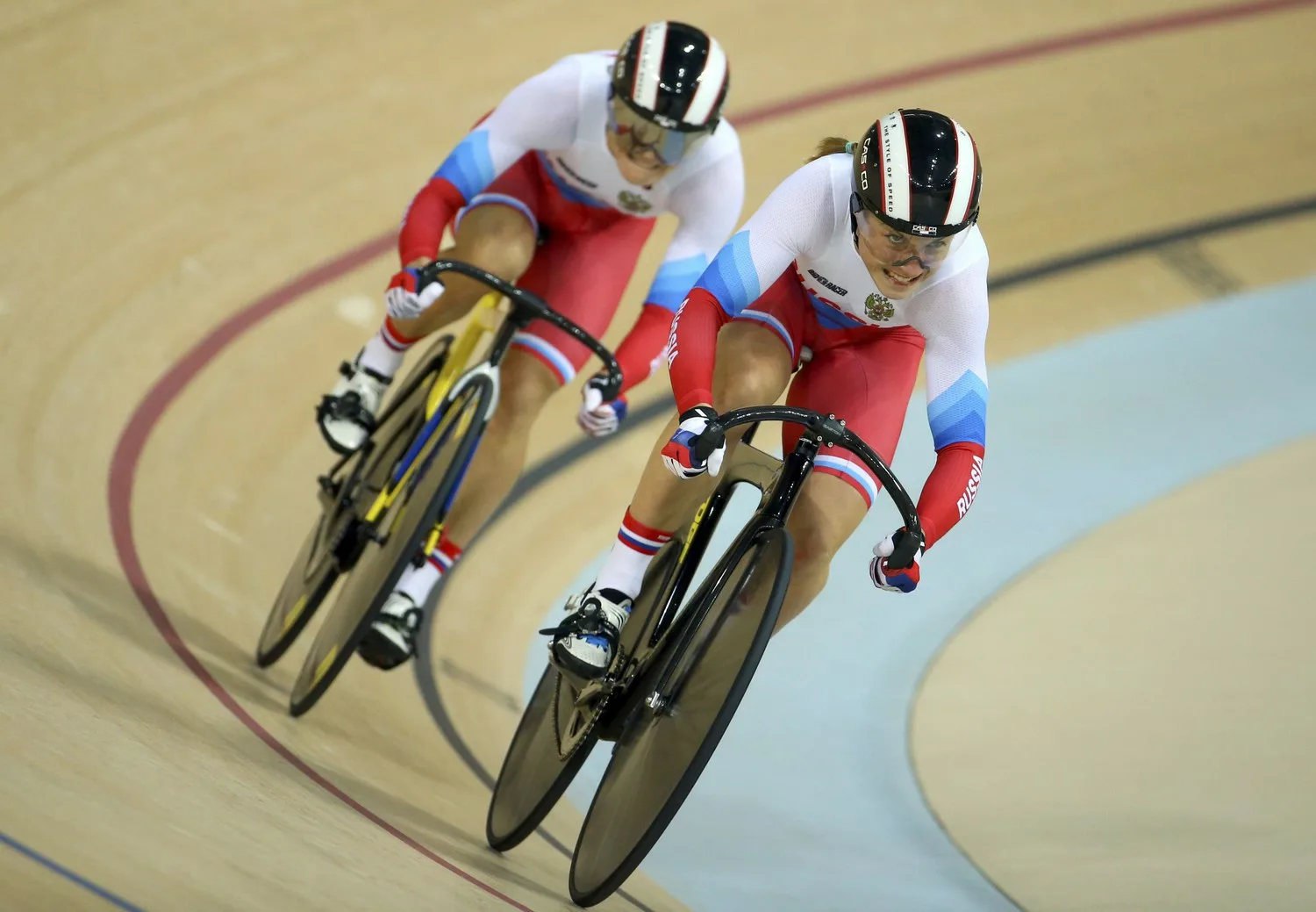
A cyclist in the slipstream behind another cyclist can be up to 40 percent more energy-efficient than when riding solo at the same speed. Surprisingly, there's also a small gain for the lead cyclist: the tailing cyclist fills the pocket of low-pressure air that would otherwise create drag.
━━━━━━━━━━━━
☢ @Physics ⚡| @Education 📖
━━━━━━━━━━━━
☢ @Physics ⚡| @Education 📖
👍32🔥17😱9❤5
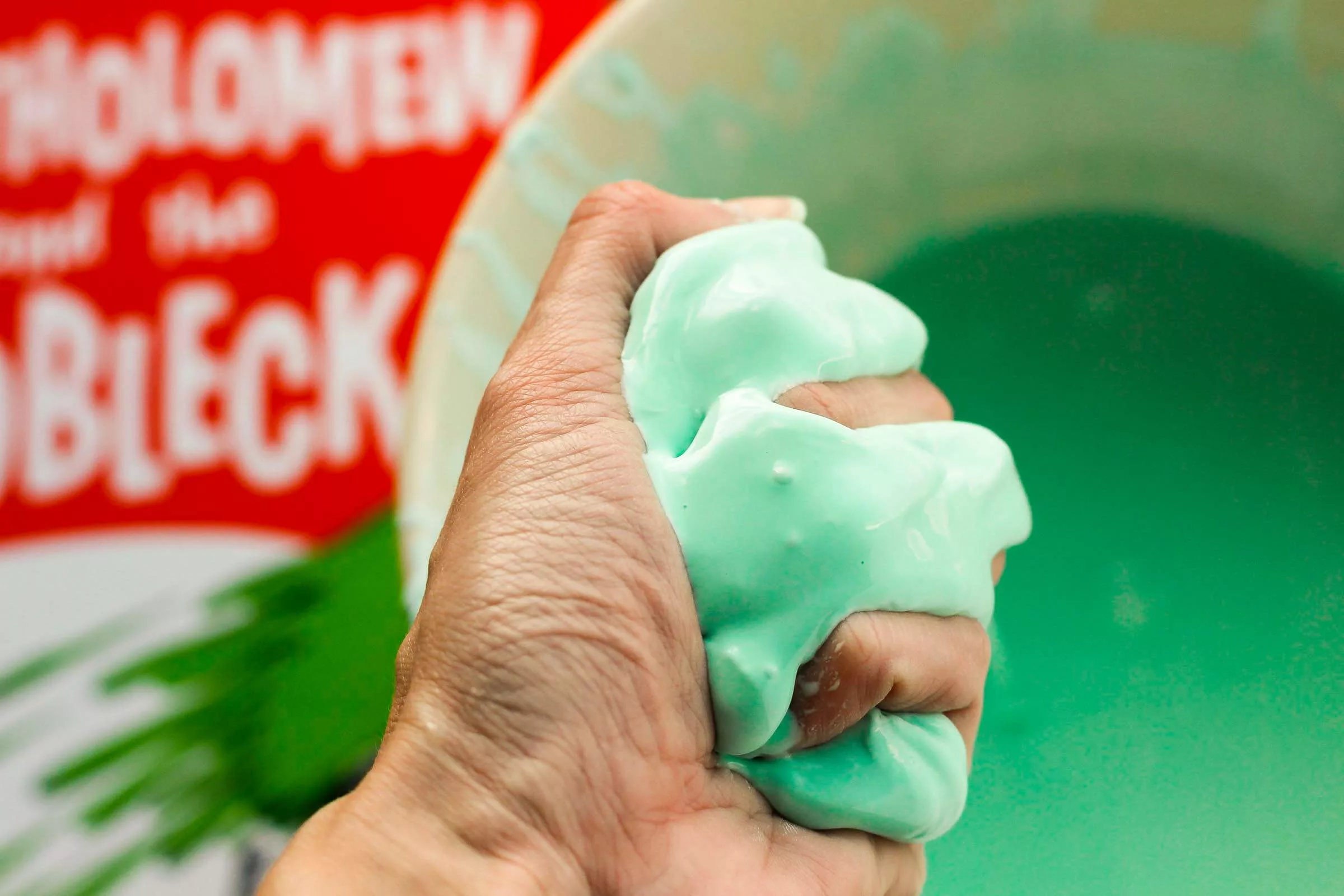
Oobleck is a non-Newtonian fluid that has properties of both liquids and solids. This means that it acts like a liquid when being poured, but like a solid when a force is acting on it. Non-Newtonian fluids respond differently depending on how quickly you try to move them. Non-Newtonian fluids act as liquids when moving slowly but like a solid when moving quickly.
━━━━━━━━━━━━
☢ @Physics ⚡| @Education 📖
━━━━━━━━━━━━
☢ @Physics ⚡| @Education 📖
👍47😱12🔥9❤8