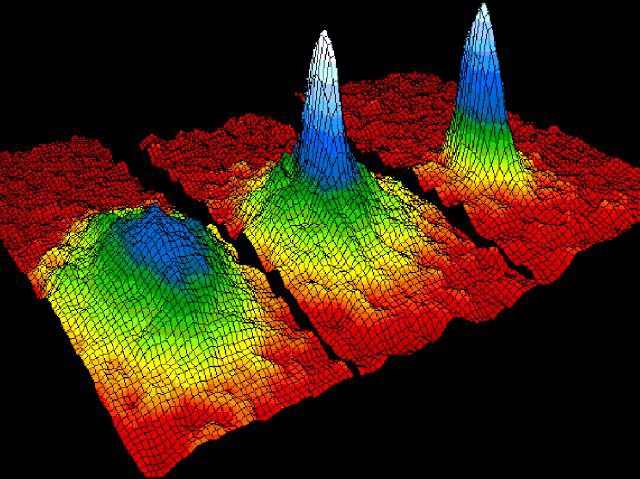
In condensed matter physics, a Bose–Einstein condensate (BEC) is a state of matter that is typically formed when a gas of bosons at very low densities is cooled to temperatures very close to absolute zero (−273.15 °C or −459.67 °F). Under such conditions, a large fraction of bosons occupy the lowest quantum state, at which point microscopic quantum mechanical phenomena, particularly wavefunction interference, become apparent macroscopically. A BEC is formed by cooling a gas of extremely low density (about 100,000 times less dense than normal air) to ultra-low temperatures.
━━━━━━━━━━━━
☢ @Physics ⚡| @Education 📖
━━━━━━━━━━━━
☢ @Physics ⚡| @Education 📖
🔥38❤17👍11😱6
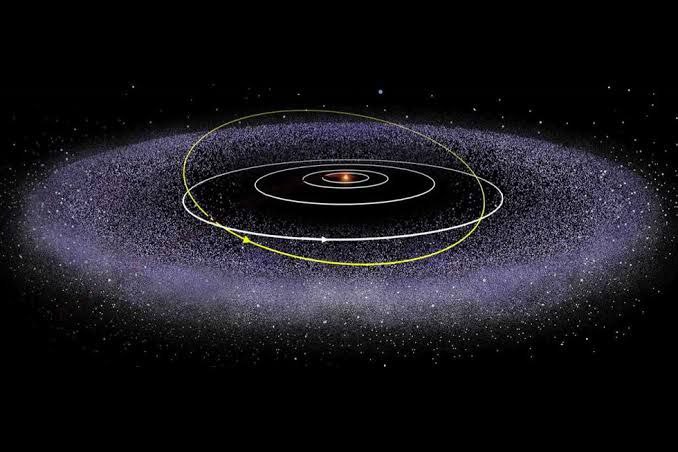
The Kuiper belt is a circumstellar disc in the outer Solar System, extending from the orbit of Neptune at 30 astronomical units (AU) to approximately 50 AU from the Sun. It is similar to the asteroid belt, but is far larger—20 times as wide and 20–200 times as massive. Like the asteroid belt, it consists mainly of small bodies or remnants from when the Solar System formed. While many asteroids are composed primarily of rock and metal, most Kuiper belt objects are composed largely of frozen volatiles (termed "ices"), such as methane, ammonia, and water. The Kuiper belt is home to most of the objects that astronomers generally accept as dwarf planets: Orcus, Pluto, Haumea, Quaoar, and Makemake. Some of the Solar System's moons, such as Neptune's Triton and Saturn's Phoebe, may have originated in the region.
━━━━━━━━━━━━
☢ @Physics ⚡| @Education 📖
━━━━━━━━━━━━
☢ @Physics ⚡| @Education 📖
🔥32👍15😱9❤7
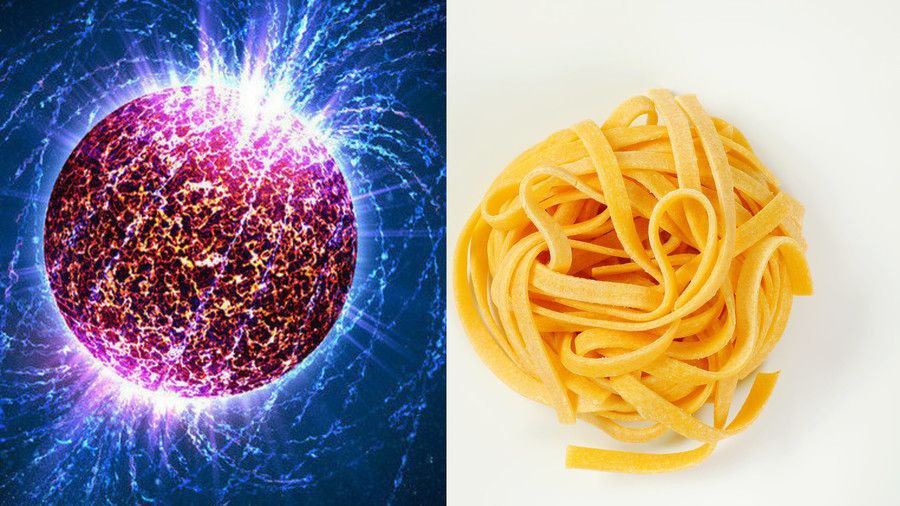
In astrophysics and nuclear physics, nuclear pasta is a theoretical type of degenerate matter that is postulated to exist within the crusts of neutron stars. If it does in fact exist, nuclear pasta is the strongest material in the universe. Between the surface of a neutron star and the quark–gluon plasma at the core, at matter densities of 1014 g/cm³, nuclear attraction and Coulomb repulsion forces are of similar magnitude. The competition between the forces leads to the formation of a variety of complex structures assembled from neutrons and protons. Astrophysicists call these types of structures nuclear pasta because the geometry of the structures resembles various types of pasta.
━━━━━━━━━━━━
☢ @Physics ⚡| @Education 📖
━━━━━━━━━━━━
☢ @Physics ⚡| @Education 📖
👍34😁15🔥11😱7❤5😢5
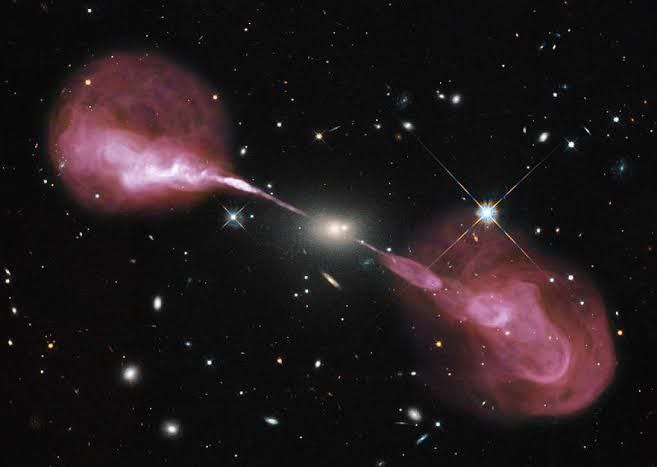
A radio galaxy is a galaxy with giant regions of radio emission extending well beyond its visible structure. These energetic radio lobes are powered by jets from its active galactic nucleus. They have luminousities at radio wavelengths up to 10³⁹ W between 10 MHz and 100 GHz. The radio emission is due to the synchrotron process. The observed structure in radio emission is determined by the interaction between twin jets and the external medium, modified by the effects of relativistic beaming. The host galaxies are almost exclusively large elliptical galaxies. Radio-loud active galaxies can be detected at large distances, making them valuable tools for observational cosmology. Recently, much work has been done on the effects of these objects on the intergalactic medium, particularly in galaxy groups and clusters.
━━━━━━━━━━━━
☢ @Physics ⚡| @Education 📖
━━━━━━━━━━━━
☢ @Physics ⚡| @Education 📖
🔥28👍13❤12🤩9😱7
The James Webb Space Telescope (JWST) is a space telescope designed primarily to conduct infrared astronomy. The most powerful telescope ever launched into space, its greatly improved infrared resolution and sensitivity will allow it to view objects too old, distant, or faint for the Hubble Space Telescope. This is expected to enable a broad range of investigations across the fields of astronomy and cosmology, such as observations of first stars and the formation of the first galaxies, and detailed atmospheric characterization of potentially habitable exoplanets. JWST was launched in December 2021 on a European Space Agency (ESA) Ariane 5 rocket from Kourou, French Guiana, and as of June 2022 is undergoing testing and alignment. Once operational, expected about the end of June 2022, JWST is intended to succeed the Hubble as NASA's flagship mission in astrophysics.
━━━━━━━━━━━━
☢ @Physics ⚡| @Education 📖
━━━━━━━━━━━━
☢ @Physics ⚡| @Education 📖
👍67❤13🔥10😁7🎉4😱3
Putting topspin on a ball causes the ball to experience the Magnus effect, an aerodynamic force which "pushes" the ball downward. The spinning also creates different airspeeds above and below the ball, causing an extra downward force, according to Bernoulli's principle.
━━━━━━━━━━━━
☢ @Physics ⚡| @Education 📖
━━━━━━━━━━━━
☢ @Physics ⚡| @Education 📖

🔥33👍16❤7🤩3
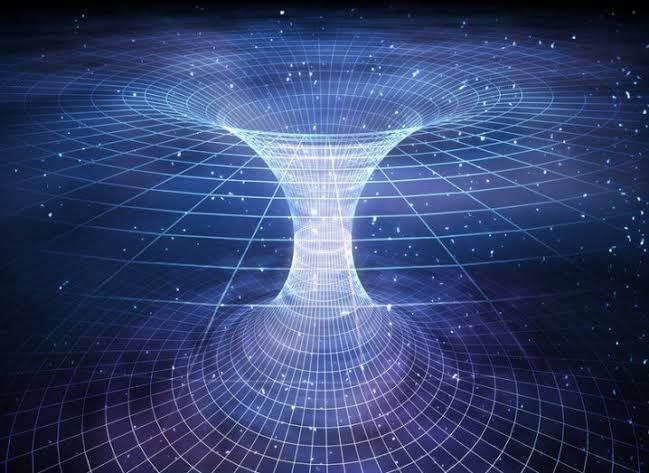
Quantum tunnelling is a quantum mechanical phenomenon whereby a wavefunction can propagate through a potential barrier.
The transmission through the barrier can be finite and depends exponentially on the barrier height and barrier width. The wavefunction may disappear on one side and reappear on the other side. The wavefunction and its first derivative are continuous. In steady-state, the probability flux in the forward direction is spatially uniform. No particle or wave is lost. Tunneling occurs with barriers of thickness around 1–3 nm and smaller.
Quantum tunneling plays an essential role in physical phenomena, such as nuclear fusion. It has applications in the tunnel diode, quantum computing, and in the scanning tunneling microscope.
━━━━━━━━━━━━
☢ @Physics ⚡| @Education 📖
🔥32👍27😱6❤5😢1
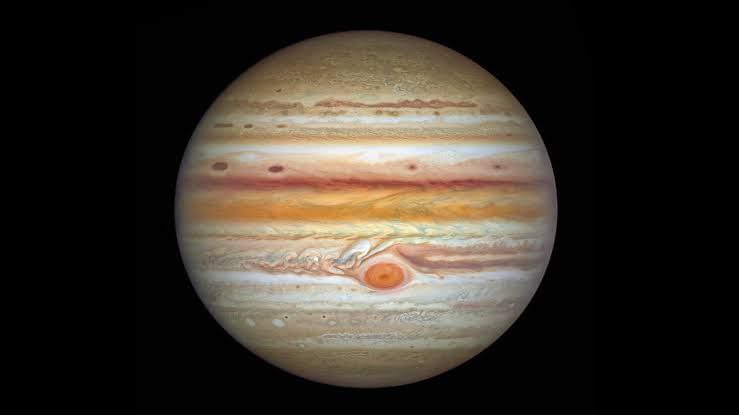
Jupiter doesn't orbit the Sun. The other planets in our solar system are so much smaller than the Sun that their centers of mass are deep inside of it. Jupiter, however, is so huge that it has the same center of mass as the Sun. Basically, they both orbit at the same point, which is just above the Sun itself.
━━━━━━━━━━━━
☢ @Physics ⚡| @Education 📖
━━━━━━━━━━━━
☢ @Physics ⚡| @Education 📖
😱69👍21❤14🔥12🤩8😢6😁1
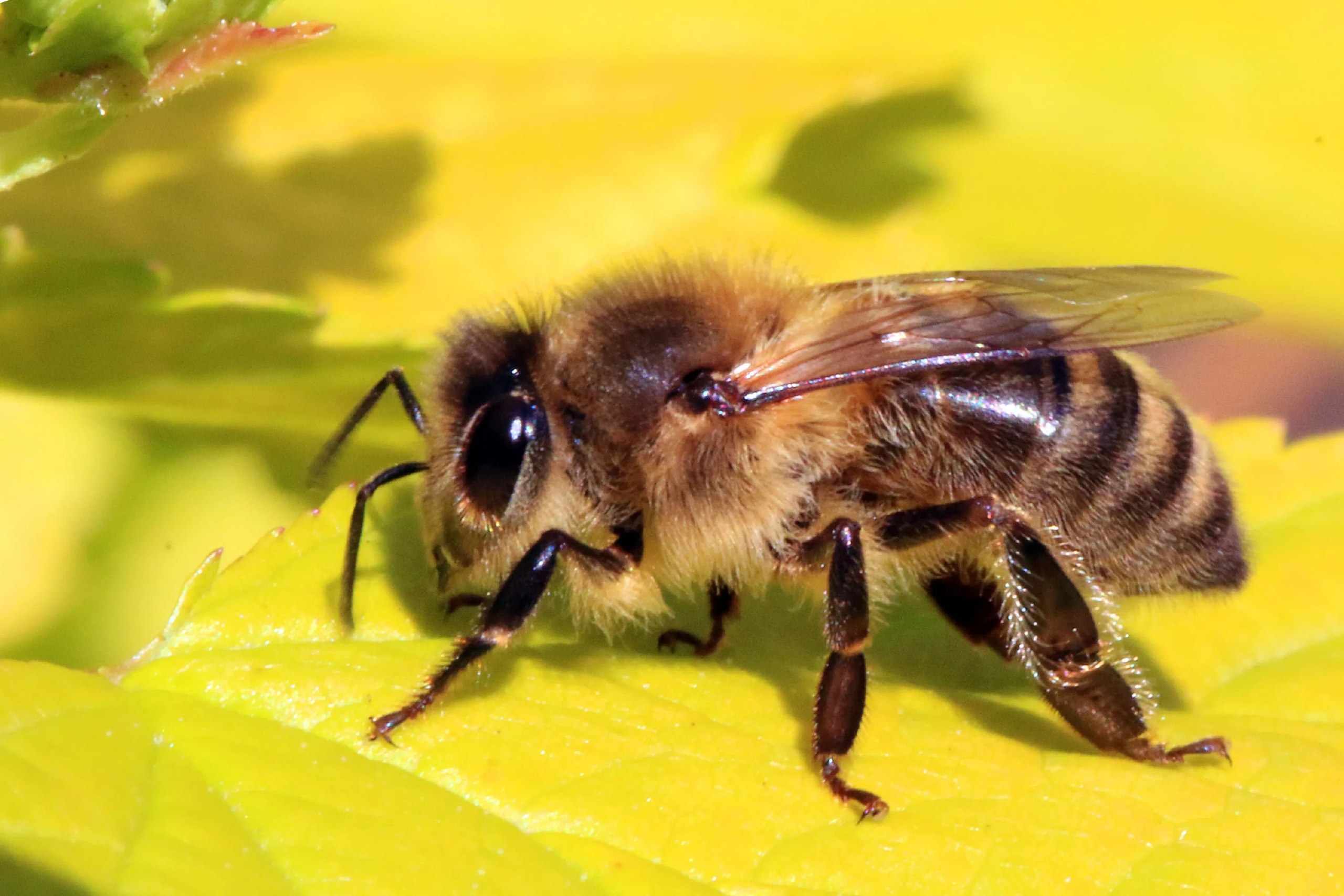
Some animals can see light that
we can't. Bees can see ultraviolet light, while pit vipers can see infrared. Puppies, meanwhile, see into your heart.
━━━━━━━━━━━━
☢ @Physics ⚡| @Education 📖
we can't. Bees can see ultraviolet light, while pit vipers can see infrared. Puppies, meanwhile, see into your heart.
━━━━━━━━━━━━
☢ @Physics ⚡| @Education 📖
👍58😱36❤20🔥12🤩7😁5
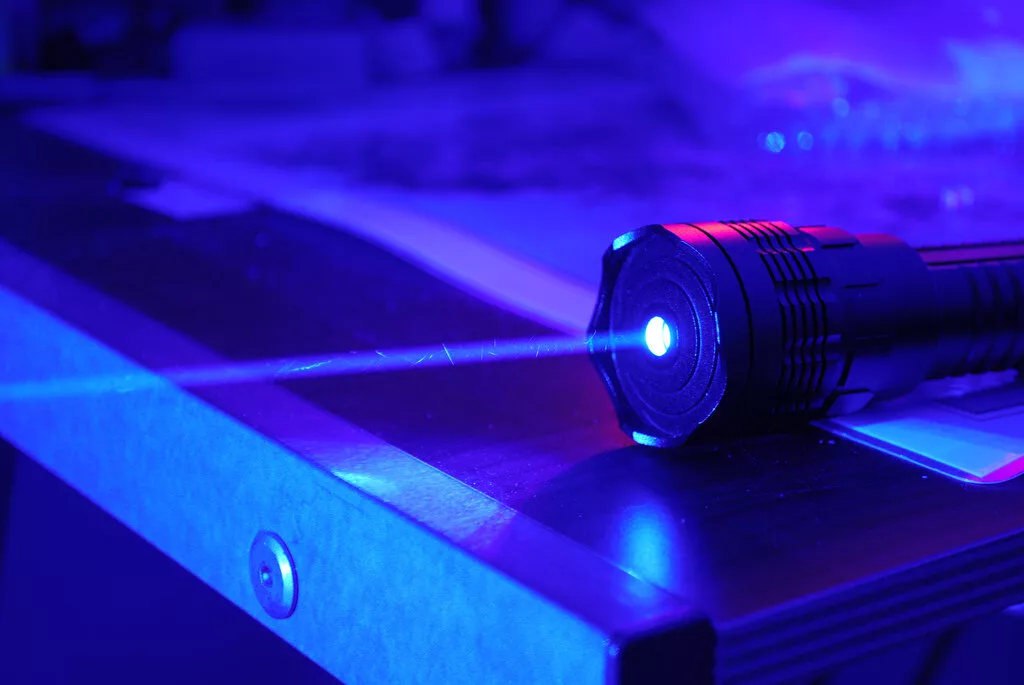
The active part of a laser can be made from many different materials. Certain crystals, glasses, gases, and polymers can be made to "lase", with different results. Some produce high pulses, for example, while others help make fibre optics work.
━━━━━━━━━━━━
☢ @Physics ⚡| @Education 📖
━━━━━━━━━━━━
☢ @Physics ⚡| @Education 📖
❤30👍15🔥14😱5🎉4🤩1