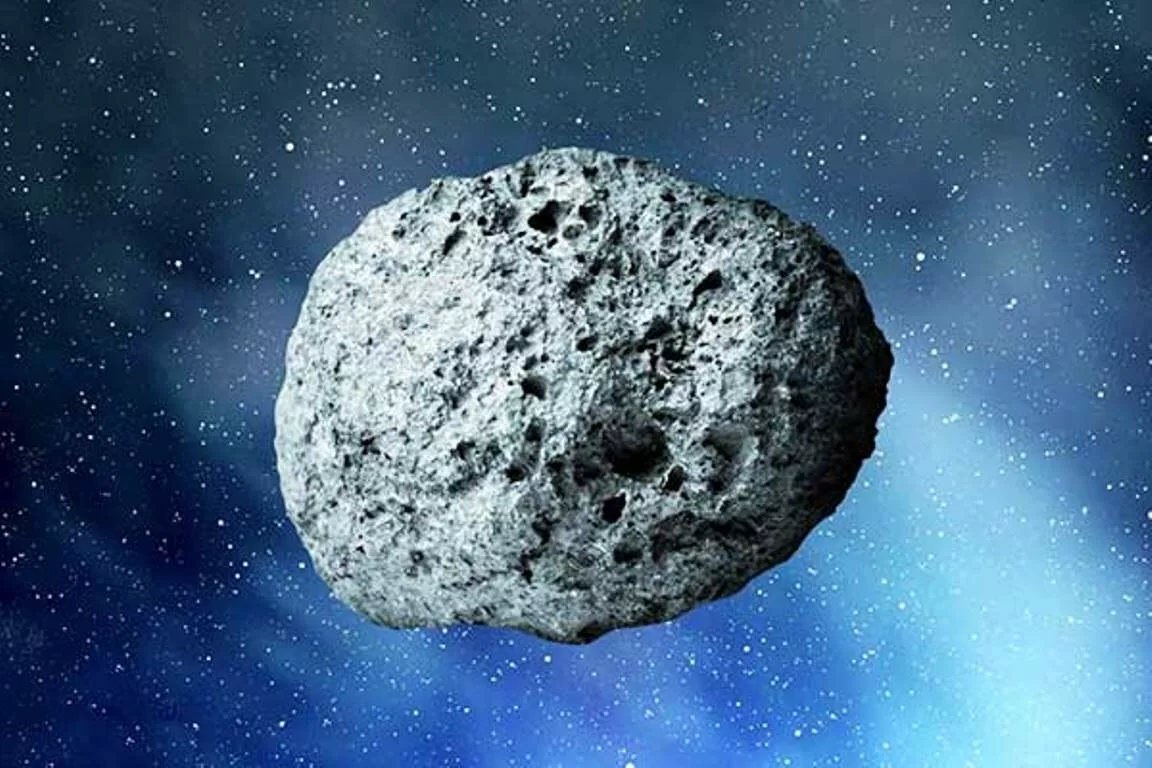
The spherical shape of any planet or a star is due to its gravity. Gravity pulls an object equally from all sides resulting in the spherical shape of a planet or a star. More the object's mass, more is the gravity. In the case of planets and stars, they have enough mass to provide strong gravity, due to which a planet forms a spherical shape. But in the case of asteroids, the gravity is lower provided by its lower mass, due to which it forms an irregular shape.
━━━━━━━━━━━━
☢ @Physics ⚡| @Education 📖
━━━━━━━━━━━━
☢ @Physics ⚡| @Education 📖
🔥43👍38❤9😱5😢1
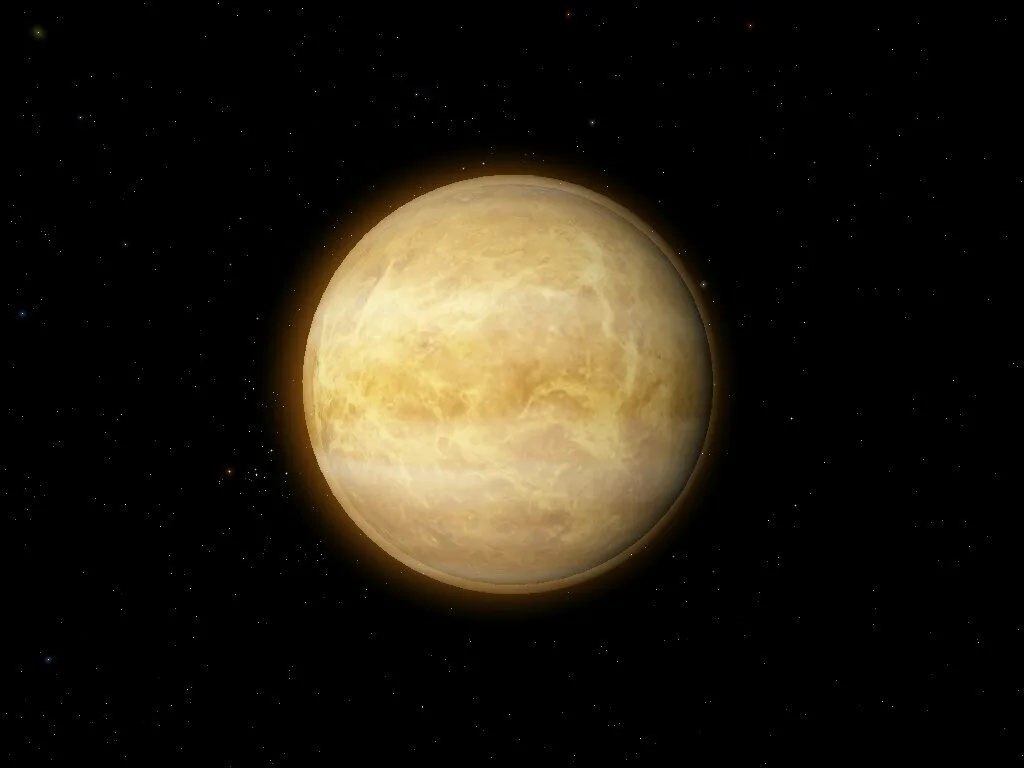
The atmosphere of Venus is very dense. It has atmospheric pressure 90 times greater than Earth. If you keep a car body on the surface of Venus, it will literally get crushed due to the atmospheric pressure.
━━━━━━━━━━━━
☢ @Physics ⚡| @Education 📖
━━━━━━━━━━━━
☢ @Physics ⚡| @Education 📖
🔥41😱34❤18👍18🎉5🤩5😁3
STEEL IS MORE ELASTIC THAN RUBBER
We generally understand that material is elastic if it is stretchable and regains its shape quickly when the stretching force is removed. According to physics, elasticity is the property of a material to regain its shape after deformation. You might not believe that steel is elastic in nature but physics dictates that it is. Actually, steel is very much elastic than rubber. This is the reason why it is used for making bridges and buildings. When deformed, it can quickly regain its original shape, better than rubber.
━━━━━━━━━━━━
☢ @Physics ⚡| @Education 📖

🔥63😱32👍28❤14😁5🎉5
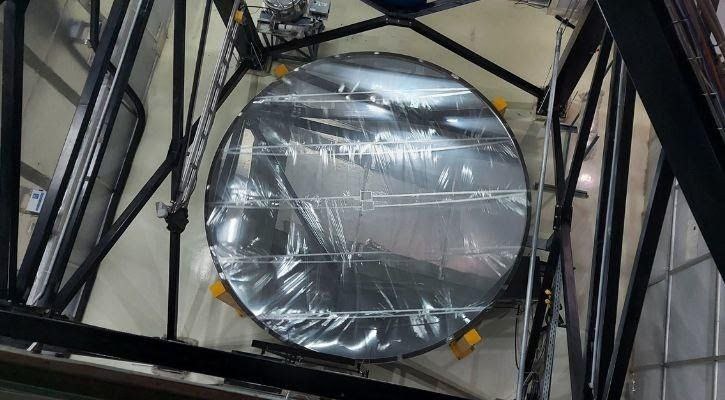
🔭 World’s First Liquid Mirror Telescope For Astronomy Set Up At Uttarakhand, India
India has set up the nation’s
first-ever ‘liquid mirror telescope’ at Uttarakhand’s Devasthal Observatory, which also happens to be Asia’s largest International Liquid Mirror Telescope.
Sitting at a height of 2,450 metres, the liquid mirror telescope was set up in India in collaboration with Belgium, Canada, Poland, and Uzbekistan and was designed and built at the Advanced Mechanical and Optical Systems Corporation and the Centre Spatial de Liège in Belgium.
The telescope is owned and operated by Aryabhatta Research Institute of Observational Science (ARIES). It also happens to be the first-ever liquid mirror telescope to be commissioned for astronomy.
Source: Indiatimes
━━━━━━━━━━━━
☢ @Physics ⚡| @Education 📖
👍58🔥23😱14❤13🤩3
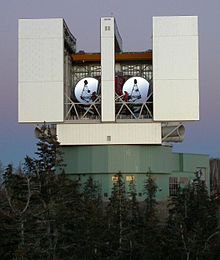
🔭 THE WORLD'S LARGEST MONOLITHIC OPTICAL TELESCOPE
The Large Binocular Telescope (LBT) is an optical telescope for astronomy located on 10,700-foot (3,300 m) Mount Graham, in the Pinaleno Mountains of southeastern Arizona, United States. It is a part of the Mount Graham International Observatory.
When using both 8.4 m (330 inch) wide mirrors, with centres 14.4 m apart, the LBT has the same light-gathering ability as a 11.8 m (464 inch) wide single circular telescope and the resolution of a 22.8 m (897 inch) wide one.
The LBT mirrors individually are the joint second-largest optical telescope in continental North America, next to the Hobby–Eberly Telescope in West Texas. It has the largest monolithic, or non-segmented, mirror in an optical telescope.
Strehl ratios of 60–90% in the infrared H band and 95% in the infrared M band have been achieved by the LBT.
━━━━━━━━━━━━
☢ @Physics ⚡| @Education 📖
❤34👍20🔥7😱6👎2😢2
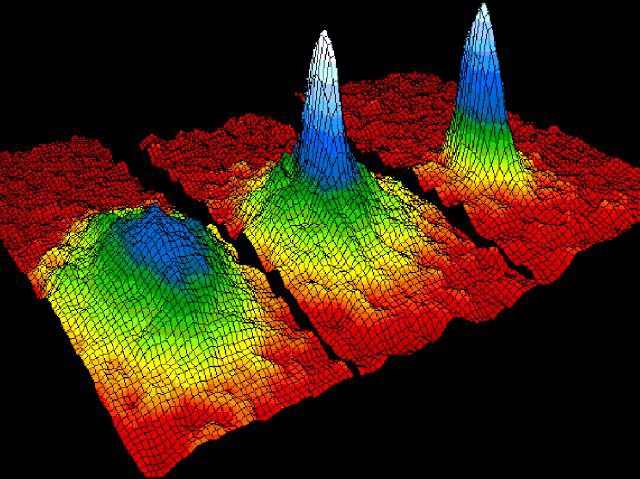
In condensed matter physics, a Bose–Einstein condensate (BEC) is a state of matter that is typically formed when a gas of bosons at very low densities is cooled to temperatures very close to absolute zero (−273.15 °C or −459.67 °F). Under such conditions, a large fraction of bosons occupy the lowest quantum state, at which point microscopic quantum mechanical phenomena, particularly wavefunction interference, become apparent macroscopically. A BEC is formed by cooling a gas of extremely low density (about 100,000 times less dense than normal air) to ultra-low temperatures.
━━━━━━━━━━━━
☢ @Physics ⚡| @Education 📖
━━━━━━━━━━━━
☢ @Physics ⚡| @Education 📖
🔥38❤17👍11😱6
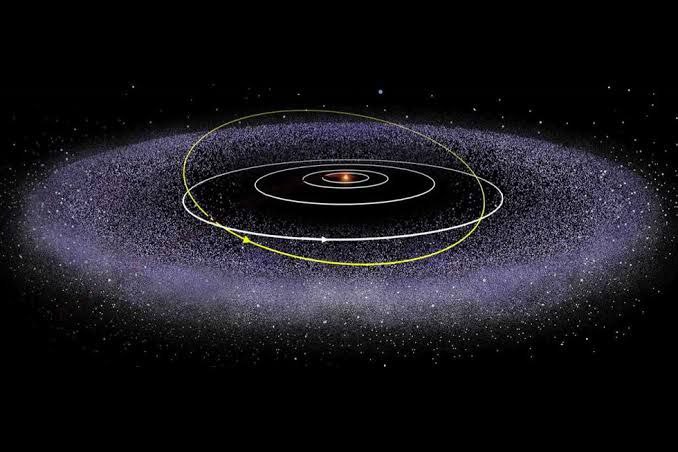
The Kuiper belt is a circumstellar disc in the outer Solar System, extending from the orbit of Neptune at 30 astronomical units (AU) to approximately 50 AU from the Sun. It is similar to the asteroid belt, but is far larger—20 times as wide and 20–200 times as massive. Like the asteroid belt, it consists mainly of small bodies or remnants from when the Solar System formed. While many asteroids are composed primarily of rock and metal, most Kuiper belt objects are composed largely of frozen volatiles (termed "ices"), such as methane, ammonia, and water. The Kuiper belt is home to most of the objects that astronomers generally accept as dwarf planets: Orcus, Pluto, Haumea, Quaoar, and Makemake. Some of the Solar System's moons, such as Neptune's Triton and Saturn's Phoebe, may have originated in the region.
━━━━━━━━━━━━
☢ @Physics ⚡| @Education 📖
━━━━━━━━━━━━
☢ @Physics ⚡| @Education 📖
🔥32👍15😱9❤7
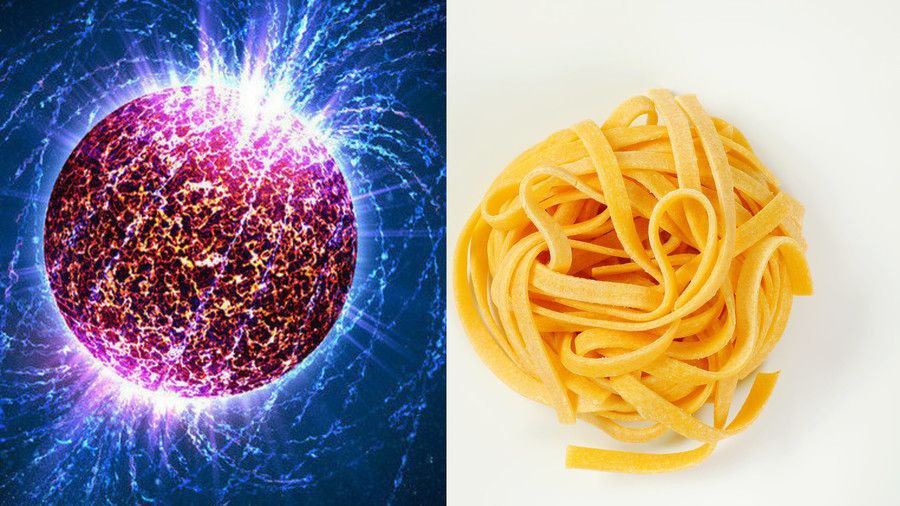
In astrophysics and nuclear physics, nuclear pasta is a theoretical type of degenerate matter that is postulated to exist within the crusts of neutron stars. If it does in fact exist, nuclear pasta is the strongest material in the universe. Between the surface of a neutron star and the quark–gluon plasma at the core, at matter densities of 1014 g/cm³, nuclear attraction and Coulomb repulsion forces are of similar magnitude. The competition between the forces leads to the formation of a variety of complex structures assembled from neutrons and protons. Astrophysicists call these types of structures nuclear pasta because the geometry of the structures resembles various types of pasta.
━━━━━━━━━━━━
☢ @Physics ⚡| @Education 📖
━━━━━━━━━━━━
☢ @Physics ⚡| @Education 📖
👍34😁15🔥11😱7❤5😢5
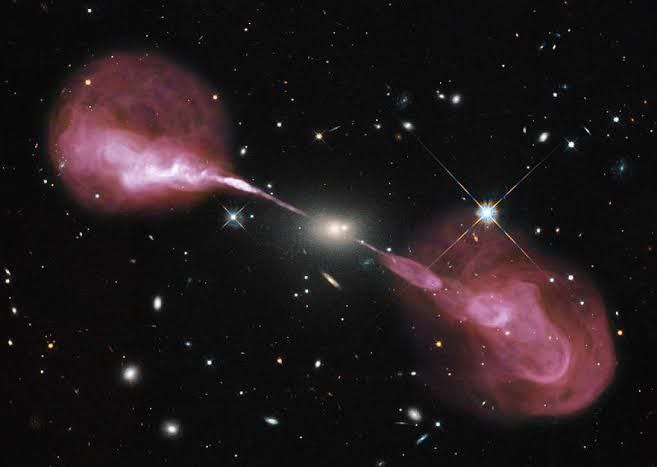
A radio galaxy is a galaxy with giant regions of radio emission extending well beyond its visible structure. These energetic radio lobes are powered by jets from its active galactic nucleus. They have luminousities at radio wavelengths up to 10³⁹ W between 10 MHz and 100 GHz. The radio emission is due to the synchrotron process. The observed structure in radio emission is determined by the interaction between twin jets and the external medium, modified by the effects of relativistic beaming. The host galaxies are almost exclusively large elliptical galaxies. Radio-loud active galaxies can be detected at large distances, making them valuable tools for observational cosmology. Recently, much work has been done on the effects of these objects on the intergalactic medium, particularly in galaxy groups and clusters.
━━━━━━━━━━━━
☢ @Physics ⚡| @Education 📖
━━━━━━━━━━━━
☢ @Physics ⚡| @Education 📖
🔥28👍13❤12🤩9😱7
The James Webb Space Telescope (JWST) is a space telescope designed primarily to conduct infrared astronomy. The most powerful telescope ever launched into space, its greatly improved infrared resolution and sensitivity will allow it to view objects too old, distant, or faint for the Hubble Space Telescope. This is expected to enable a broad range of investigations across the fields of astronomy and cosmology, such as observations of first stars and the formation of the first galaxies, and detailed atmospheric characterization of potentially habitable exoplanets. JWST was launched in December 2021 on a European Space Agency (ESA) Ariane 5 rocket from Kourou, French Guiana, and as of June 2022 is undergoing testing and alignment. Once operational, expected about the end of June 2022, JWST is intended to succeed the Hubble as NASA's flagship mission in astrophysics.
━━━━━━━━━━━━
☢ @Physics ⚡| @Education 📖
━━━━━━━━━━━━
☢ @Physics ⚡| @Education 📖
👍67❤13🔥10😁7🎉4😱3