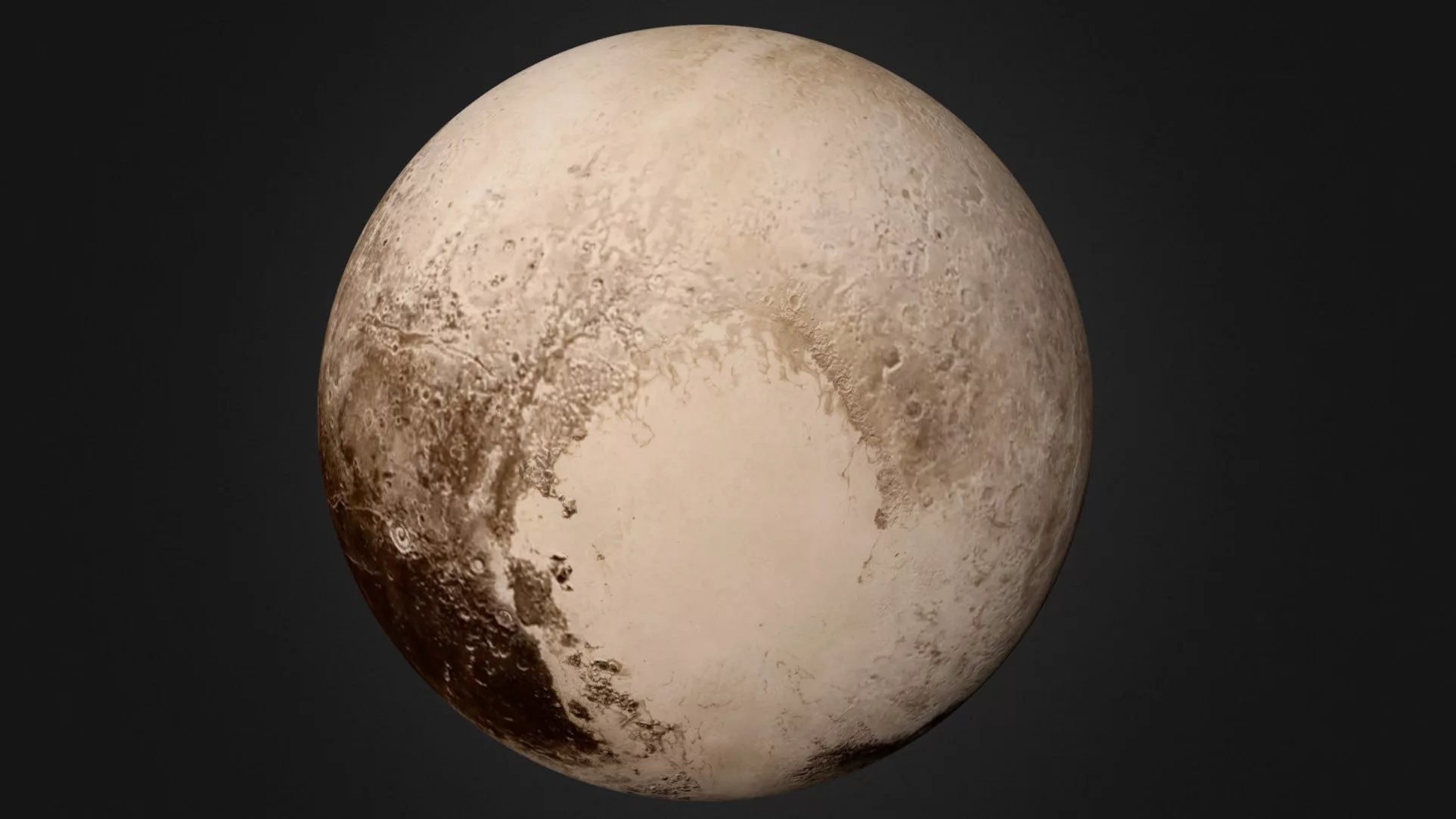
Pluto has not yet completed its one revolution around the Sun since its discovery on 18th February 1930. Its orbital period is 248 years so, it will complete its one revolution in the year 2178.
━━━━━━━━━━━━
☢ @Physics ⚡| @Education 📖
━━━━━━━━━━━━
☢ @Physics ⚡| @Education 📖
😱89👍18🔥15😁6😢5❤4🤩3
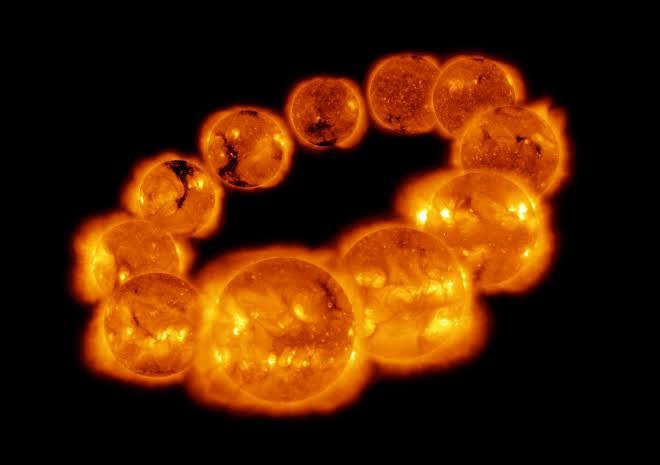
The solar cycle, also known as the solar magnetic activity cycle, sunspot cycle, or Schwabe cycle, is a nearly periodic 11-year change in the Sun's activity measured in terms of variations in the number of observed sunspots on the solar surface. Sunspots have been observed since the early 17th century and the sunspot time series is the longest continuously observed (recorded) time series of any natural phenomena. The magnetic field of the Sun flips during each solar cycle, with the flip occurring when sunspot cycle is near its maximum. Levels of solar radiation and ejection of solar material, the number and size of sunspots, solar flares, and coronal loops all exhibit a synchronized fluctuation, from active to quiet to active again, with a period of 11 years. After two sunspot cycles, the Sun's magnetic field returns to its original state, completing what is known as a Hale cycle.
━━━━━━━━━━━━
☢ @Physics ⚡| @Education 📖
━━━━━━━━━━━━
☢ @Physics ⚡| @Education 📖
🔥45👍20😱6❤4🤩3
Our complete universe is composed of 68% dark energy, 27% dark matter, and 5% normal matter, which means all the trillions of galaxies, each containing hundreds of billions of stars, planets and nebulae, etc., the complete universe which we observe is just 5% of the total composition of the universe.
━━━━━━━━━━━━
☢ @Physics ⚡| @Education 📖
━━━━━━━━━━━━
☢ @Physics ⚡| @Education 📖
😱70❤19👍13🔥11
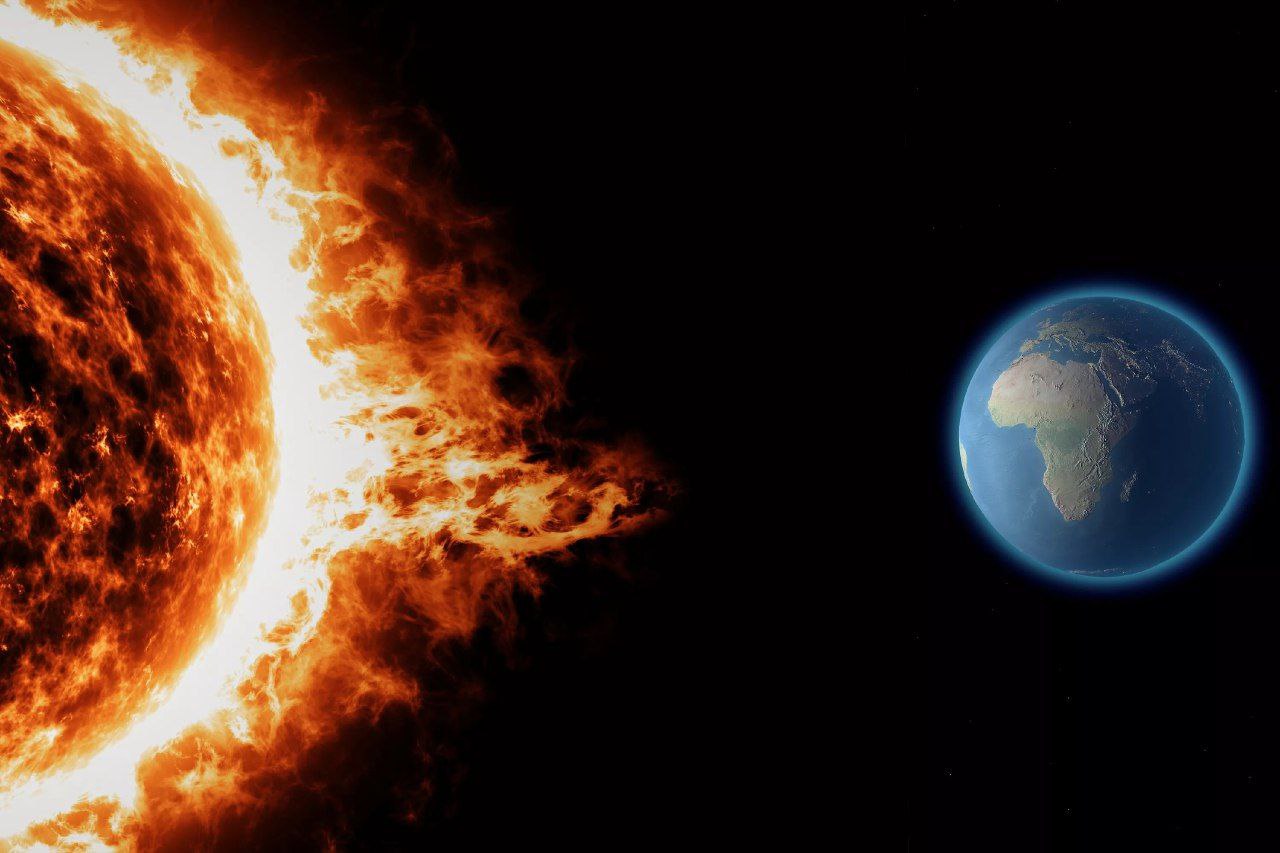
During solar storms, the Sun releases enormous amounts of charged particles, like protons, nuclei, etc., from the Sun's atmosphere. Such charged particles can damage satellites and power stations on Earth, and if they enter the Earth's atmosphere, they can blow up the atmosphere. But, the Earth's magnetic field acts as a shield and deflects the charged particles into space.
━━━━━━━━━━━━
☢ @Physics ⚡| @Education 📖
━━━━━━━━━━━━
☢ @Physics ⚡| @Education 📖
🔥62👍24😱19❤9👎1
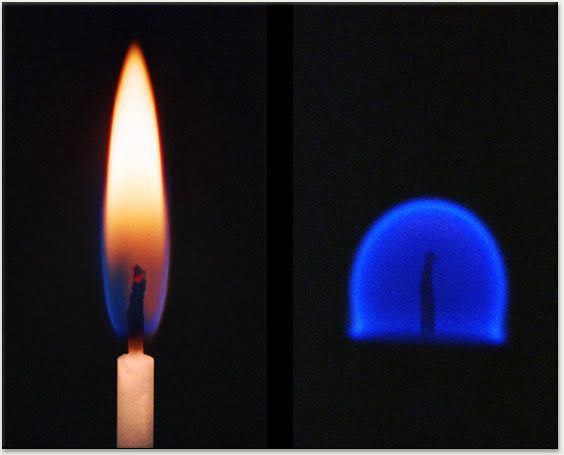
It is found that the shape of the candle flame in space is spherical. Normally, when you light a candle, it forms that classic teardrop shape. However, that’s only because of gravity. When the oxygen is consumed by the fire, the hotter air rises and the cooler uncombusted air sinks to the bottom. But without gravity, there’s no separation between lighter and heavier air, so the fire burns in all directions equally, causing a slow-burning globe of combustion.
━━━━━━━━━━━━
☢ @Physics ⚡| @Education 📖
━━━━━━━━━━━━
☢ @Physics ⚡| @Education 📖
🔥57👍34😱17🤩13❤9🎉1
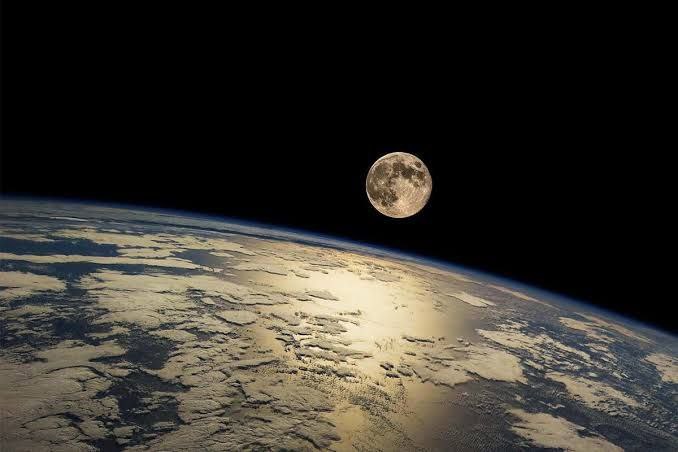
Without the moon, Earth's axis would shift unpredictably, and our seasons would not be constant.
━━━━━━━━━━━━
☢ @Physics ⚡| @Education 📖
━━━━━━━━━━━━
☢ @Physics ⚡| @Education 📖
👍91🔥24😱21❤17😁5🤩3🎉2
Almost all asteroids are in the asteroid belt between Mars and Jupiter.
━━━━━━━━━━━━
☢ @Physics ⚡| @Education 📖
━━━━━━━━━━━━
☢ @Physics ⚡| @Education 📖
👍57🔥15😁12😱12❤11🎉6
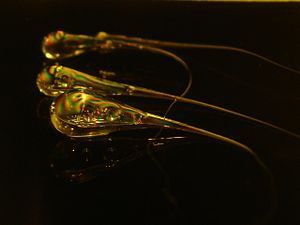
Prince Rupert's drops (also known as Dutch or Batavian tears) are toughened glass beads created by dripping molten glass into cold water, which causes it to solidify into a tadpole-shaped droplet with a long, thin tail. These droplets are characterized internally by very high residual stresses, which give rise to counter-intuitive properties, such as the ability to withstand a blow from a hammer or a bullet on the bulbous end without breaking, while exhibiting explosive disintegration if the tail end is even slightly damaged. In nature, similar structures are produced under certain conditions in volcanic lava, and are known as Pele's tears.
━━━━━━━━━━━━
☢ @Physics ⚡| @Education 📖
━━━━━━━━━━━━
☢ @Physics ⚡| @Education 📖
🔥33😱14👍11❤7
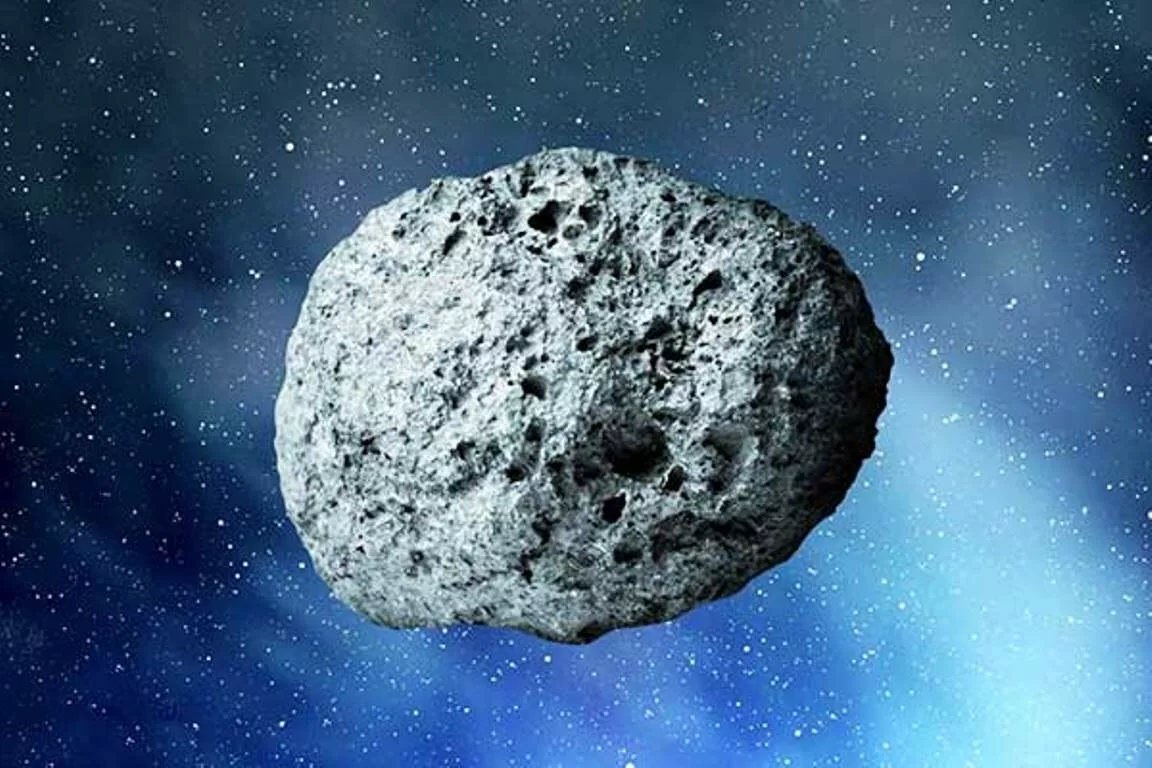
The spherical shape of any planet or a star is due to its gravity. Gravity pulls an object equally from all sides resulting in the spherical shape of a planet or a star. More the object's mass, more is the gravity. In the case of planets and stars, they have enough mass to provide strong gravity, due to which a planet forms a spherical shape. But in the case of asteroids, the gravity is lower provided by its lower mass, due to which it forms an irregular shape.
━━━━━━━━━━━━
☢ @Physics ⚡| @Education 📖
━━━━━━━━━━━━
☢ @Physics ⚡| @Education 📖
🔥43👍38❤9😱5😢1
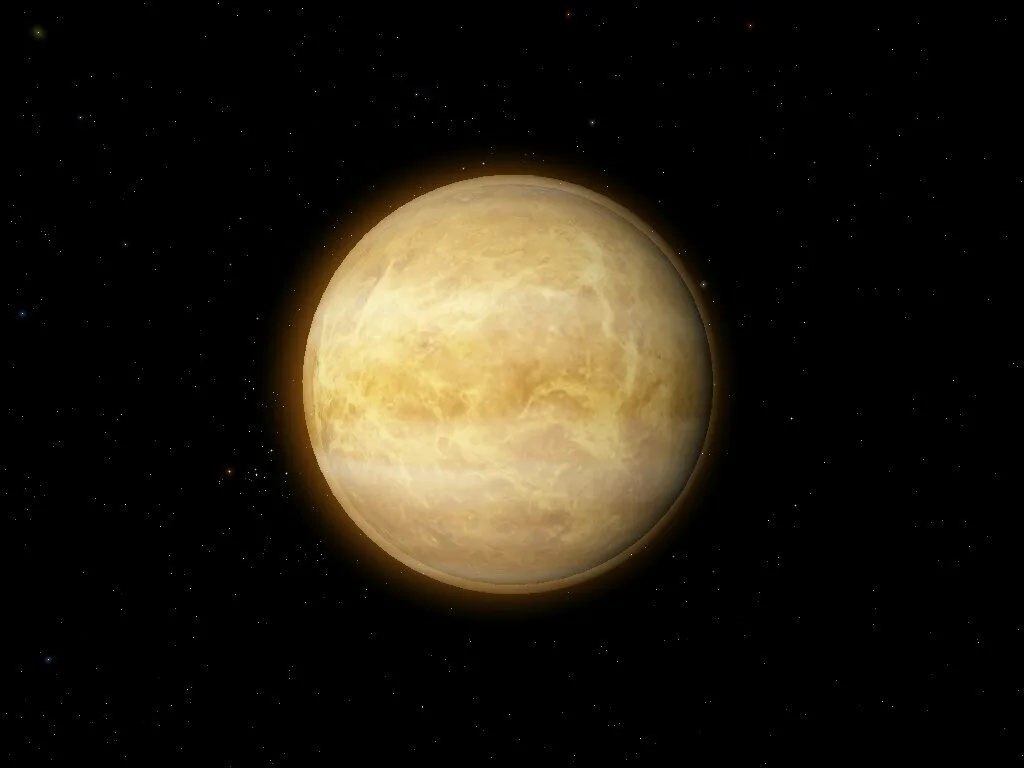
The atmosphere of Venus is very dense. It has atmospheric pressure 90 times greater than Earth. If you keep a car body on the surface of Venus, it will literally get crushed due to the atmospheric pressure.
━━━━━━━━━━━━
☢ @Physics ⚡| @Education 📖
━━━━━━━━━━━━
☢ @Physics ⚡| @Education 📖
🔥41😱34❤18👍18🎉5🤩5😁3