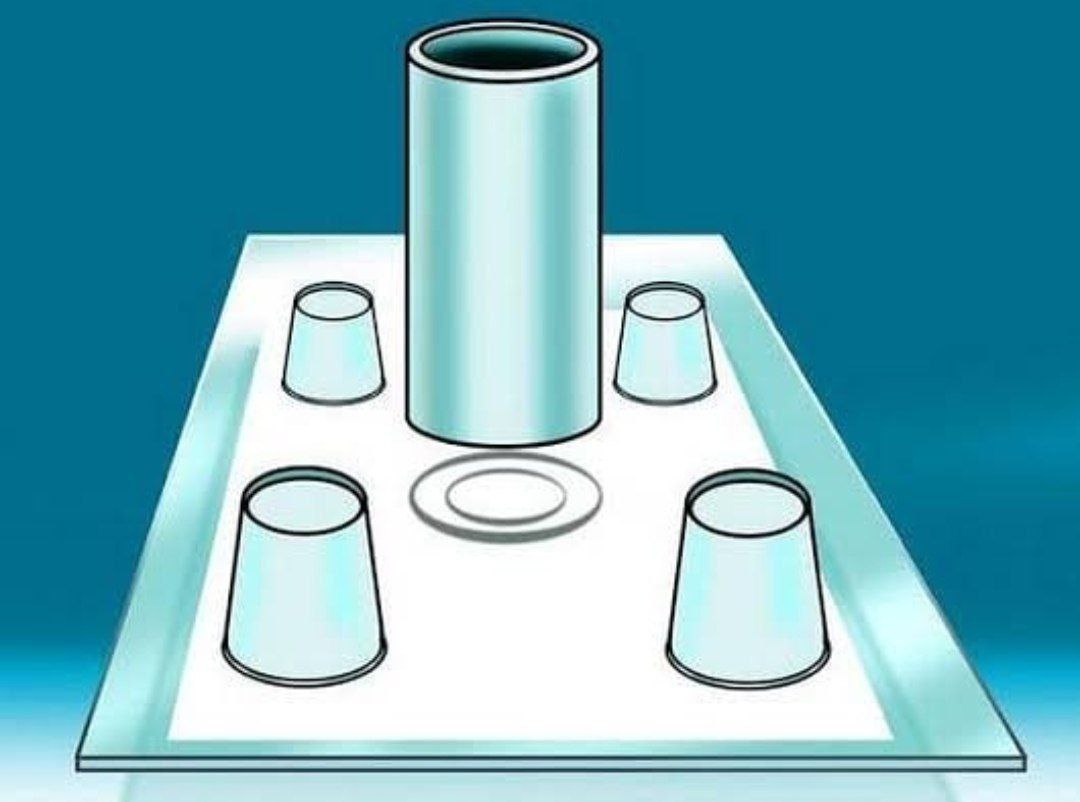
A zero shadow day is a day on which the Sun does not cast a shadow of an object at noon, when the sun will be exactly at the zenith position. Zero shadow day happens twice a year for locations between +23.5 and -23.5 degrees of latitude (between the tropics of Cancer and Capricorn, respectively). The dates will vary for different locations on Earth. This phenomenon occurs when the Sun's declination becomes equal to the latitude of the location. On a zero shadow day, when the sun crosses the local meridian, the sun's rays will fall exactly vertical relative to an object on the ground and one cannot observe any shadow of that object.
━━━━━━━━━━━━
☢ @Physics ⚡| @Education 📖
━━━━━━━━━━━━
☢ @Physics ⚡| @Education 📖
👍35😱20❤12🔥9🤩3😁2👎1
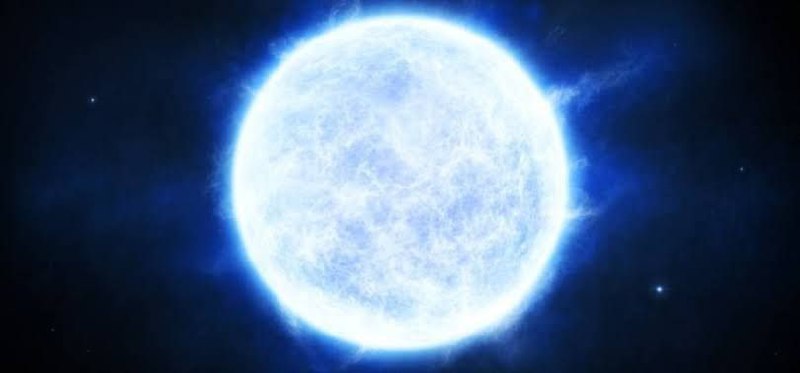
RMC 136a1 (usually abbreviated to R136a1) is one of the most massive and luminous stars known, at 222 M☉ and over 7.2 million L☉, and is also one of the hottest, at around 46,000 K. It is a Wolf–Rayet star at the center of R136, the central concentration of stars of the large NGC 2070 open cluster in the Tarantula Nebula (30 Doradus) in the Large Magellanic Cloud. The cluster can be seen in the far southern celestial hemisphere with binoculars or a small telescope, at magnitude 7.25. R136a1 itself is 10,000 times fainter and can only be resolved using speckle interferometry.
━━━━━━━━━━━━
☢ @Physics ⚡| @Education 📖
━━━━━━━━━━━━
☢ @Physics ⚡| @Education 📖
🔥17👍12❤11🤩5😱1
A quasar is an extremely luminous active galactic nucleus (AGN), powered by a supermassive black hole, with mass ranging from millions to tens of billions of solar masses, surrounded by a gaseous accretion disc. Gas in the disc falling towards the black hole heats up because of friction and releases energy in the form of electromagnetic radiation. The radiant energy of quasars is enormous; the most powerful quasars have luminosities thousands of times greater than that of a galaxy such as the Milky Way. Usually, quasars are categorized as a subclass of the more general category of AGN. The redshifts of quasars are of cosmological origin.
━━━━━━━━━━━━
☢ @Physics ⚡| @Education 📖
━━━━━━━━━━━━
☢ @Physics ⚡| @Education 📖
👍34🤩18❤10🔥9😱3🎉2
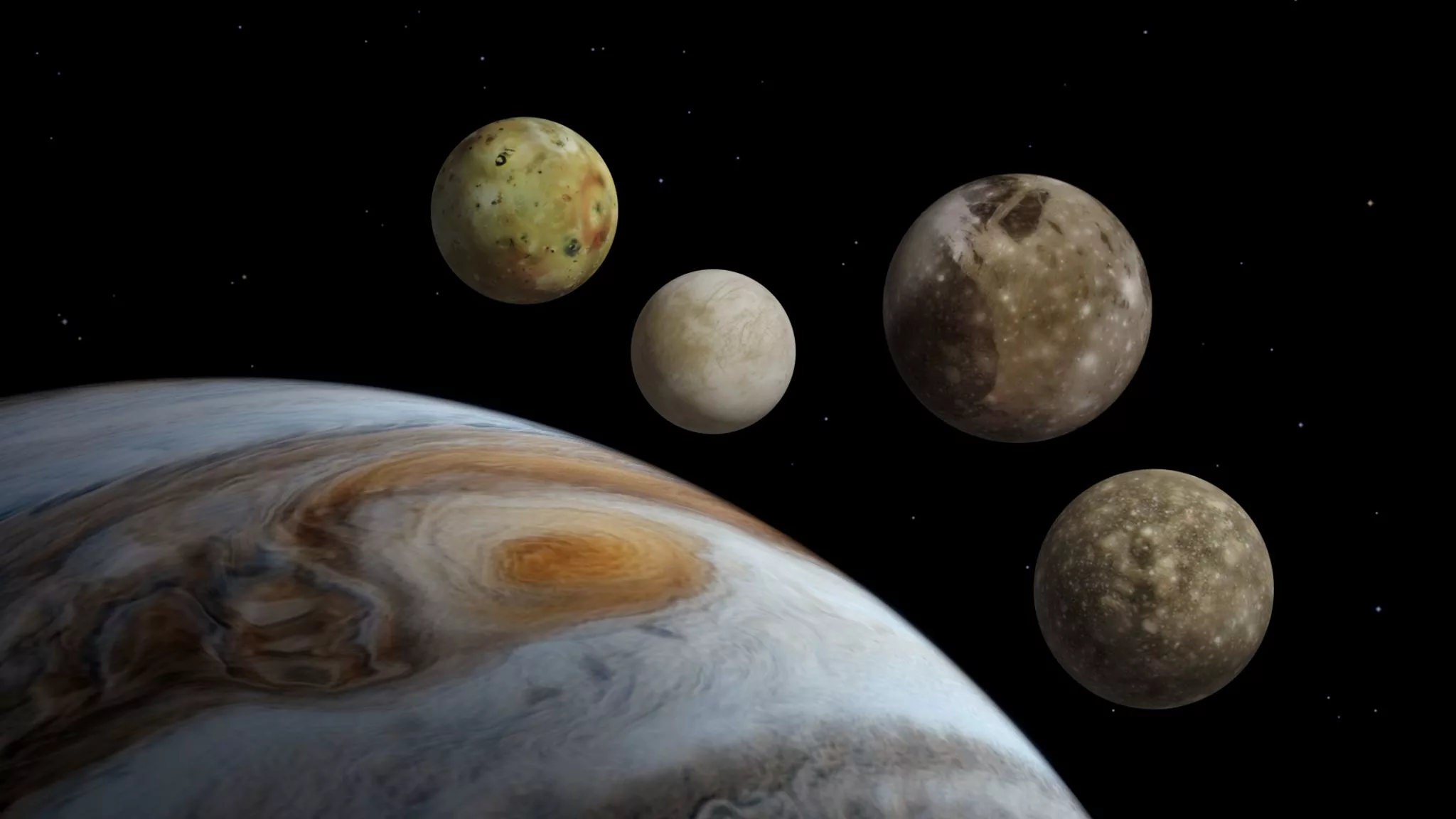
Jupiter has a total of 67 moons! The 4 largest moons are Lo, Europa, Ganymede and Callisto, which are together called Galileo moons.
━━━━━━━━━━━━
☢ @Physics ⚡| @Education 📖
━━━━━━━━━━━━
☢ @Physics ⚡| @Education 📖
👍74😱23🔥18🤩14❤6👎2😢2🎉2
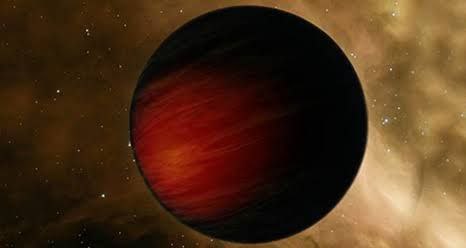
750 light years from Earth. TrEs-2b is the darkest planet ever found. It is the size of Jupiter & even blacker than coal. It absorbs almost 100% of light that falls on it.
━━━━━━━━━━━━
☢ @Physics ⚡| @Education 📖
━━━━━━━━━━━━
☢ @Physics ⚡| @Education 📖
😱64👍22🔥16❤4😁2🎉2🤩2
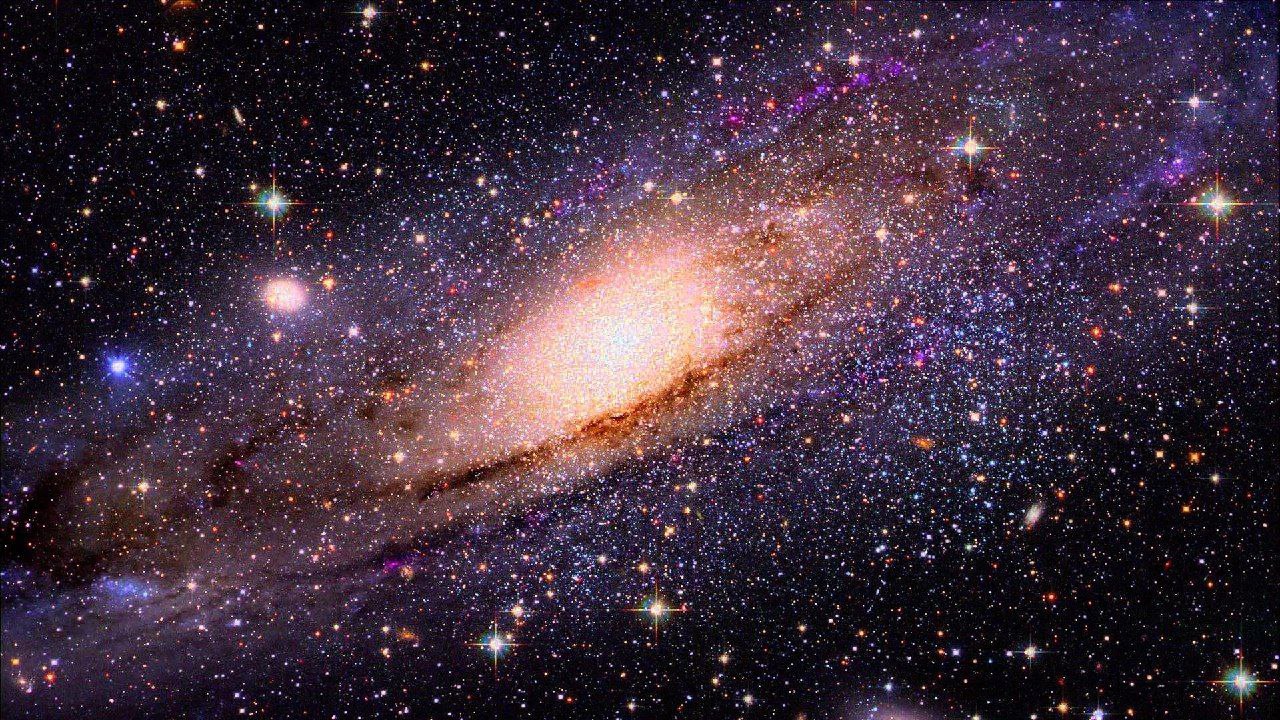
If the universe is expanding at an accelerating rate then after some 5 billion years from now, the galaxies which we see today will acquire its recessional velocity more than the speed of light, which means our future generations existing at that time will not be able to see any of the galaxies after 5 billion years from now.
━━━━━━━━━━━━
☢ @Physics ⚡| @Education 📖
━━━━━━━━━━━━
☢ @Physics ⚡| @Education 📖
👍51😱28🔥6😢6🤩2
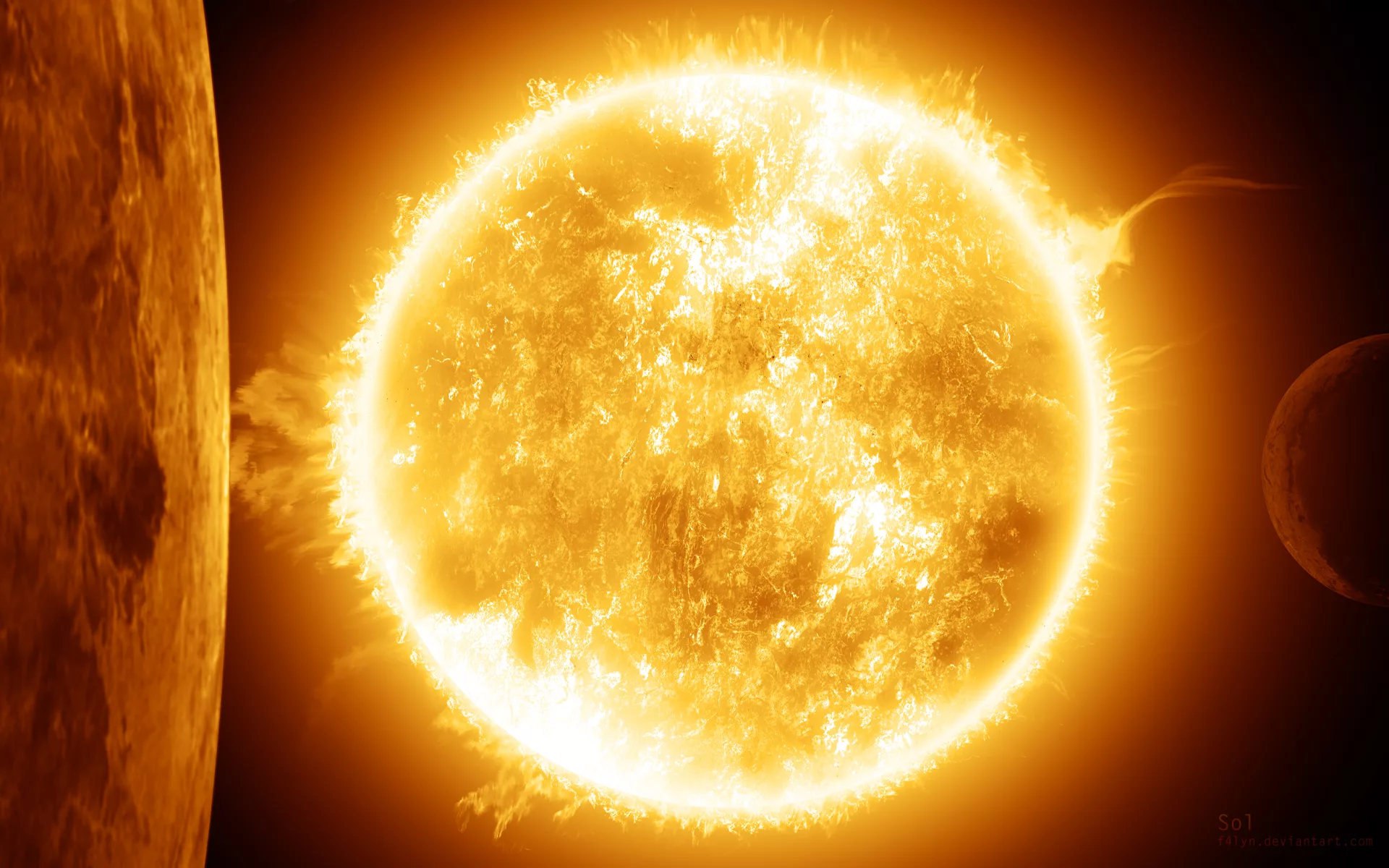
The Sun's surface temperature is 5500 °C. But inside the core temperature rises up to 15 million °C where the nuclear fusion reaction occurs.
━━━━━━━━━━━━
☢ @Physics ⚡| @Education 📖
━━━━━━━━━━━━
☢ @Physics ⚡| @Education 📖
👍61😱41🔥17🤩5❤4😁2😢2
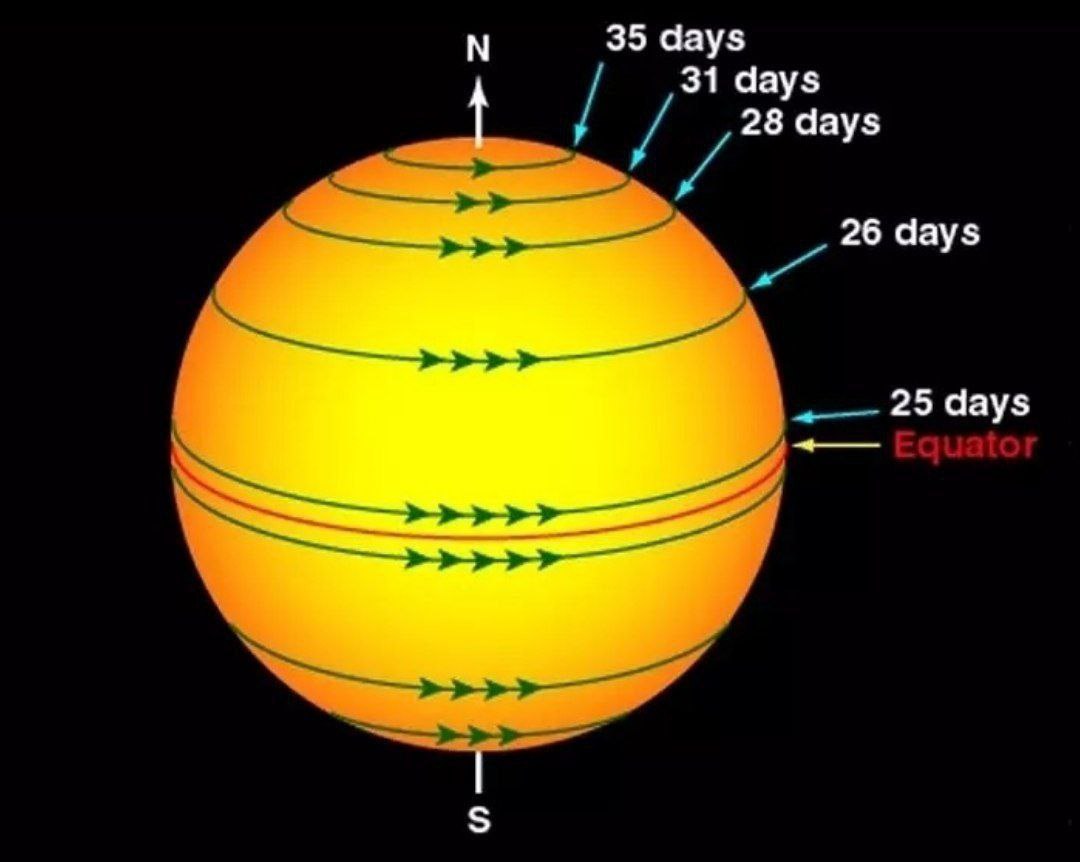
The Sun rotates at different velocities at different latitudes, the sunspots at the equator move faster than that of the poles. The Sun is not a solid body like the Earth, the Sun is in the state of plasma, hence, it rotates at different speeds at different latitudes. This phenomena was first observed by Christoph Scheiner in the year 1630.
━━━━━━━━━━━━
☢ @Physics ⚡| @Education 📖
━━━━━━━━━━━━
☢ @Physics ⚡| @Education 📖
👍62😱28❤9🔥9🤩7🎉4😁2
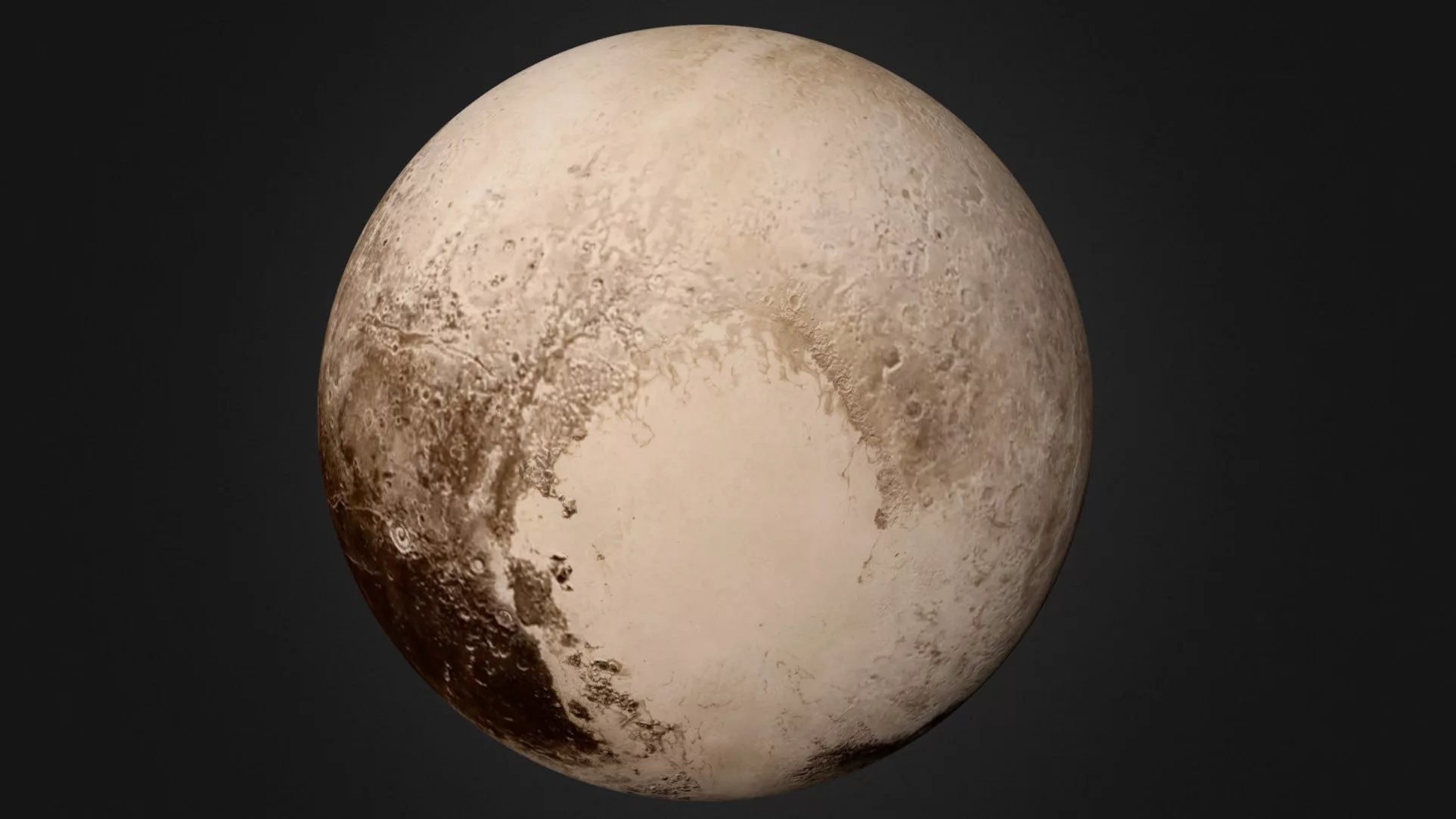
Pluto has not yet completed its one revolution around the Sun since its discovery on 18th February 1930. Its orbital period is 248 years so, it will complete its one revolution in the year 2178.
━━━━━━━━━━━━
☢ @Physics ⚡| @Education 📖
━━━━━━━━━━━━
☢ @Physics ⚡| @Education 📖
😱89👍18🔥15😁6😢5❤4🤩3
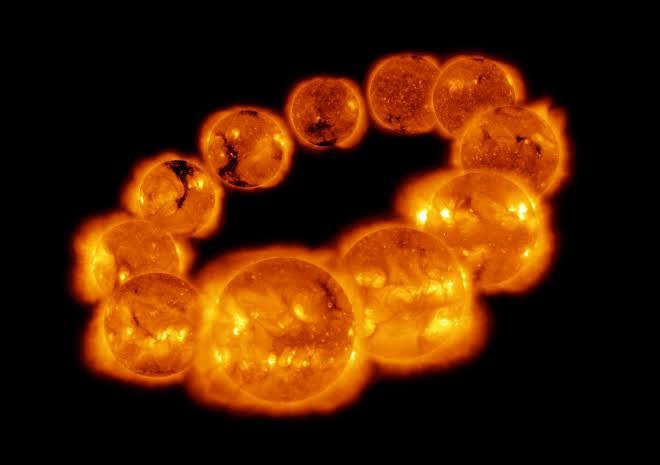
The solar cycle, also known as the solar magnetic activity cycle, sunspot cycle, or Schwabe cycle, is a nearly periodic 11-year change in the Sun's activity measured in terms of variations in the number of observed sunspots on the solar surface. Sunspots have been observed since the early 17th century and the sunspot time series is the longest continuously observed (recorded) time series of any natural phenomena. The magnetic field of the Sun flips during each solar cycle, with the flip occurring when sunspot cycle is near its maximum. Levels of solar radiation and ejection of solar material, the number and size of sunspots, solar flares, and coronal loops all exhibit a synchronized fluctuation, from active to quiet to active again, with a period of 11 years. After two sunspot cycles, the Sun's magnetic field returns to its original state, completing what is known as a Hale cycle.
━━━━━━━━━━━━
☢ @Physics ⚡| @Education 📖
━━━━━━━━━━━━
☢ @Physics ⚡| @Education 📖
🔥45👍20😱6❤4🤩3
Our complete universe is composed of 68% dark energy, 27% dark matter, and 5% normal matter, which means all the trillions of galaxies, each containing hundreds of billions of stars, planets and nebulae, etc., the complete universe which we observe is just 5% of the total composition of the universe.
━━━━━━━━━━━━
☢ @Physics ⚡| @Education 📖
━━━━━━━━━━━━
☢ @Physics ⚡| @Education 📖
😱70❤19👍13🔥11