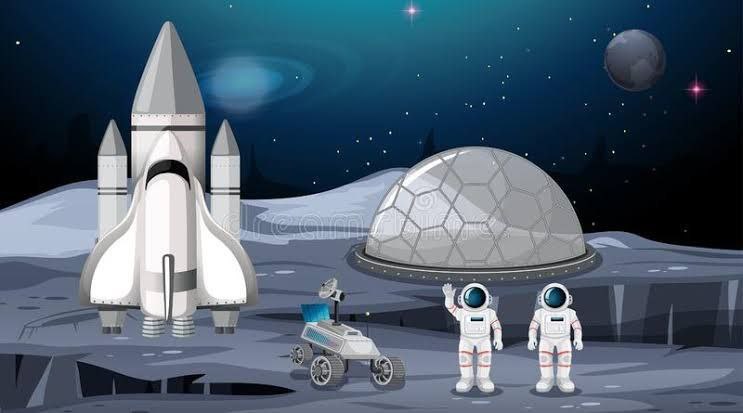
Astronauts have white spacesuits because white is the best-reflected light. This allows them not to get too warm in space.
━━━━━━━━━━━━
☢ @Physics ⚡| @Education 📖
━━━━━━━━━━━━
☢ @Physics ⚡| @Education 📖
👍74😱18❤14🔥9
When you stand up too fast and get dizzy, it's because gravity has caused blood to collect in your legs, depriving your brain of oxygen.
━━━━━━━━━━━━
☢ @Physics ⚡| @Education 📖
━━━━━━━━━━━━
☢ @Physics ⚡| @Education 📖

👍83😱39❤9😢9😁5🤩5🎉4
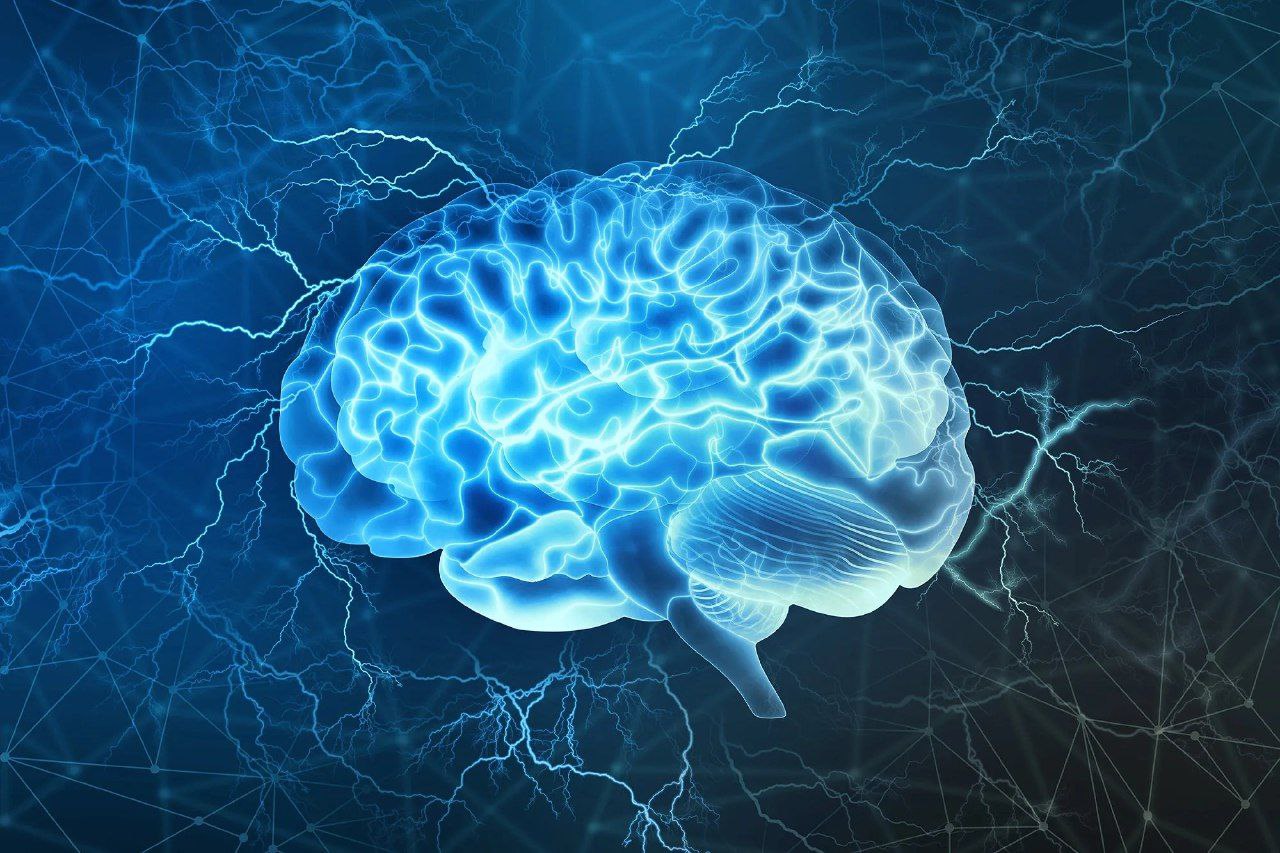
Even though your brain is only about 2 % of your body's weight, about 3 pounds, it uses 20-30 % of the calories you consume.
━━━━━━━━━━━━
☢ @Physics ⚡| @Education 📖
━━━━━━━━━━━━
☢ @Physics ⚡| @Education 📖
👍61😱29❤16🔥13😁6🤩4
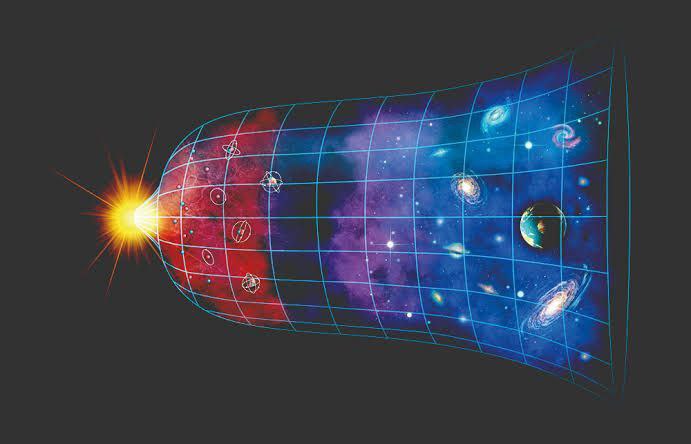
Retrocausality, or backwards causation, is a concept of cause and effect in which an effect precedes its cause in time and so a later event affects an earlier one. In quantum physics, the distinction between cause and effect is not made at the most fundamental level and so time-symmetric systems can be viewed as causal or retrocausal. Philosophical considerations of time travel often address the same issues as retrocausality, as do treatments of the subject in fiction, but the two phenomena are distinct.
━━━━━━━━━━━━
☢ @Physics ⚡| @Education 📖
━━━━━━━━━━━━
☢ @Physics ⚡| @Education 📖
🔥32👍12❤10😁4😱2
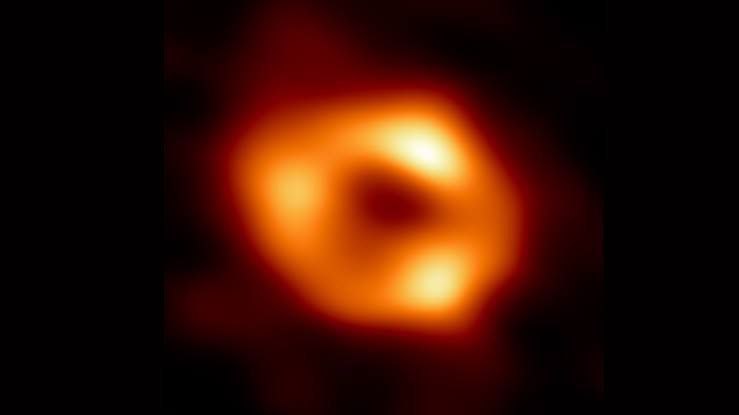
Astronomers reveal first ever image of a Black Hole named 'Saggitarius A star' located at the centre of the milky way galaxy. Astronomers captured this image with the help of Event Horizon Telescope (EHT) through which the first image of Black Hole was captured in April 2019.
━━━━━━━━━━━━
☢ @Physics ⚡| @Education 📖
━━━━━━━━━━━━
☢ @Physics ⚡| @Education 📖
❤48👍20🔥18😱12😁2
The Great Dark Spot in the southern atmosphere of Neptune was first discovered in 1989 by the Voyager 2 spacecraft. It was an incredibly large rotating storm system with winds of upto 1,500 miles per hour, the strongest winds recorded on any planet. How such powerful winds were discovered on a planet so far from the sun is still considered a mystery to this day.
━━━━━━━━━━━━
☢ @Physics ⚡| @Education 📖
━━━━━━━━━━━━
☢ @Physics ⚡| @Education 📖

🔥41😱14👍13❤7😁2
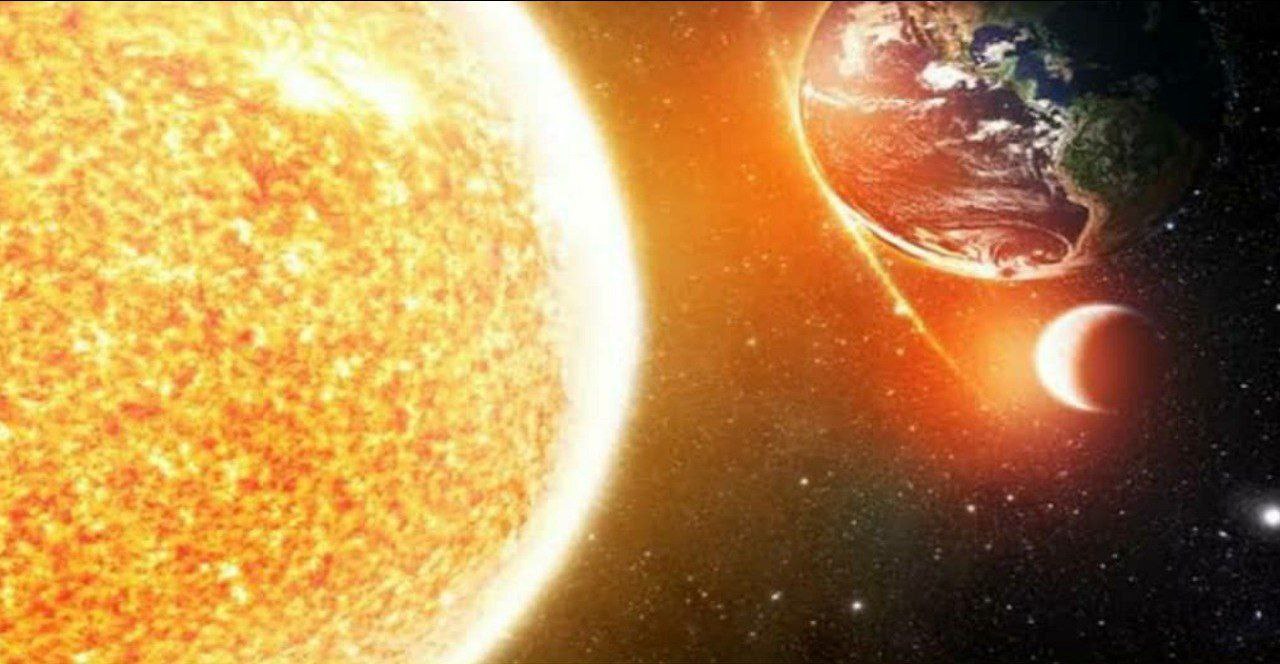
If the Earth was 50 % bigger, it would not have been possible for us to get into space using the current technologies.
━━━━━━━━━━━━
☢ @Physics ⚡| @Education 📖
━━━━━━━━━━━━
☢ @Physics ⚡| @Education 📖
👍51😱38❤10👎7🔥4
The storm on Saturn's north pole, known as "the hexagon", has vortices in the center that spin clockwise, while the surrounding hurricane and hexagonal cloud patterns spin counterclockwise.
━━━━━━━━━━━━
☢ @Physics ⚡| @Education 📖
━━━━━━━━━━━━
☢ @Physics ⚡| @Education 📖
🔥33👍22🤩17❤13😱9😢3
The Schwarzschild radius or the gravitational radius is a physical parameter in the Schwarzschild solution to Einstein's field equations that corresponds to the radius defining the event horizon of a Schwarzschild black hole. It is a characteristic radius associated with any quantity of mass. The Schwarzschild radius was named after the German astronomer Karl Schwarzschild, who calculated this exact solution for the theory of general relativity in 1916.
The Schwarzschild radius is given as:
rₛ = 2GM/c²
where G is the gravitational constant, M is the object mass, and c is the speed of light. In natural units, the gravitational constant and the speed of light are both taken to be unity, so the Schwarzschild radius is rₛ = 2M.
━━━━━━━━━━━━
☢ @Physics ⚡| @Education 📖
🔥31👍28😱7🎉1