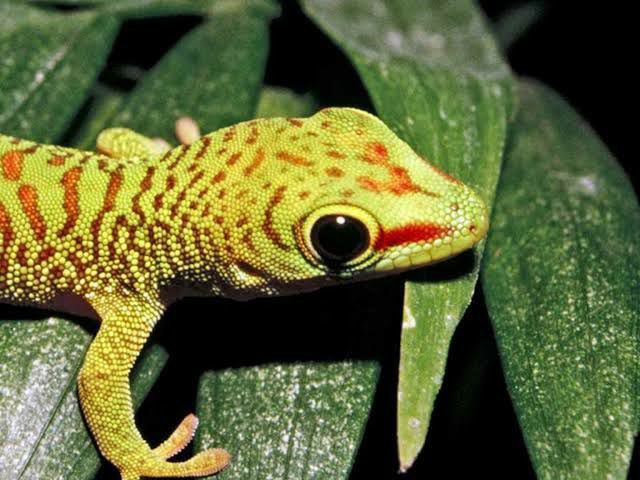
In molecular physics, there is a principle called Van der Waals Forces, which are the tiny attractive forces between atoms and molecules. This is what allows geckos to stick and climb almost anything.
━━━━━━━━━━━━
☢ @Physics ⚡| @Education 📖
━━━━━━━━━━━━
☢ @Physics ⚡| @Education 📖
🔥44👍28😱17🤩14❤13😁3🎉1
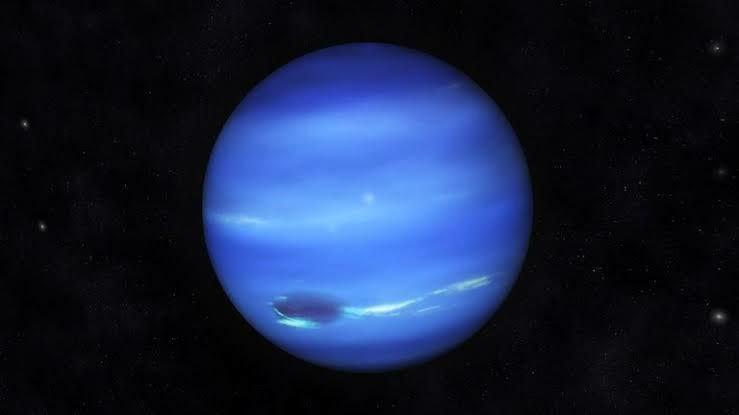
Neptune was the first planet to be discovered via mathematical calculations rather than astronomical observations.
━━━━━━━━━━━━
☢ @Physics ⚡| @Education 📖
━━━━━━━━━━━━
☢ @Physics ⚡| @Education 📖
🔥67👍46😱20❤11🤩11
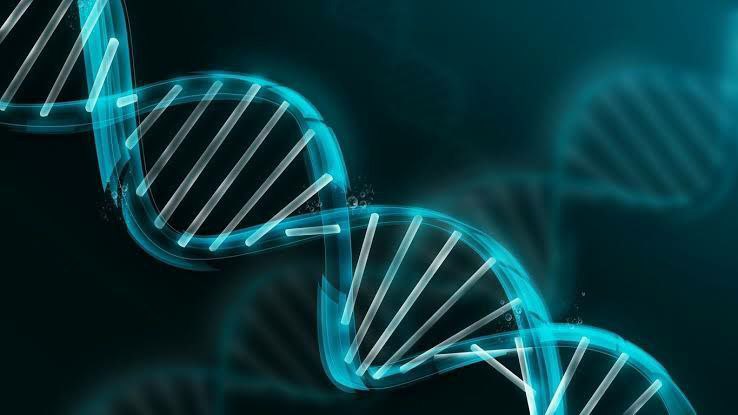
If the all the DNA in all of your cells are stretched out, it would combine to be approximately double the diameter of the solar system.
━━━━━━━━━━━━
☢ @Physics ⚡| @Education 📖
━━━━━━━━━━━━
☢ @Physics ⚡| @Education 📖
😱67🔥42👍19❤14🎉5
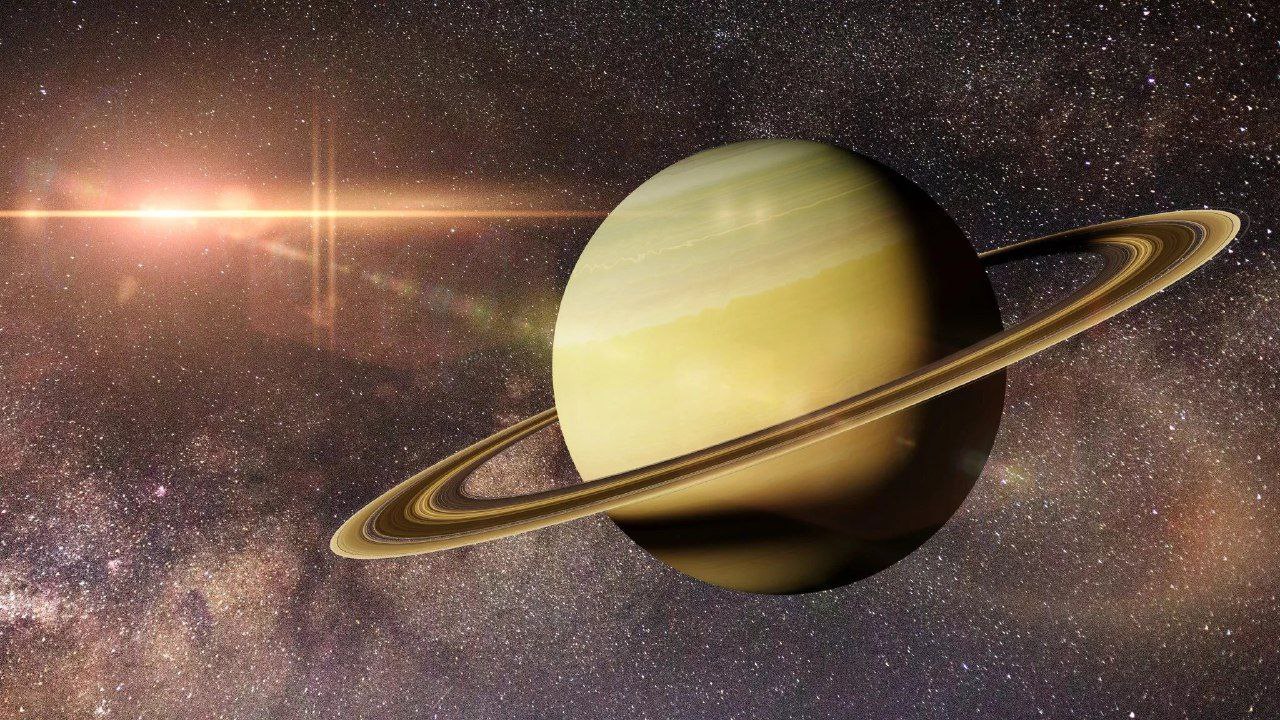
The atmosphere in Titan, Saturn's Moon, is so thick and the gravity so low, that humans can fly through it by flapping "wings" attached to their arms.
━━━━━━━━━━━━
☢ @Physics ⚡| @Education 📖
━━━━━━━━━━━━
☢ @Physics ⚡| @Education 📖
👍60😱25❤17🤩14🔥12🎉1
To live in space for a year, you would have to consume 730 L of your own recycled swear and urine.
━━━━━━━━━━━━
☢ @Physics ⚡| @Education 📖
━━━━━━━━━━━━
☢ @Physics ⚡| @Education 📖

😱63👍27😢25❤13🔥11👎7
Unprotected exposure to outer space can kill a person in less than 30 seconds.
━━━━━━━━━━━━
☢ @Physics ⚡| @Education 📖
━━━━━━━━━━━━
☢ @Physics ⚡| @Education 📖
😱74👍30❤12👎2😁1
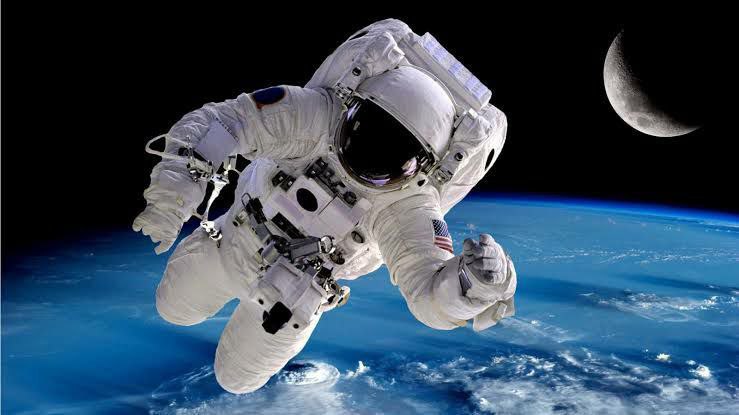
There's no "zero gravity" in space. Astronauts are in a constant state of free fall, which is why they appear to float.
━━━━━━━━━━━━
☢ @Physics ⚡| @Education 📖
━━━━━━━━━━━━
☢ @Physics ⚡| @Education 📖
🔥72👍25😱14❤13😁13👎2
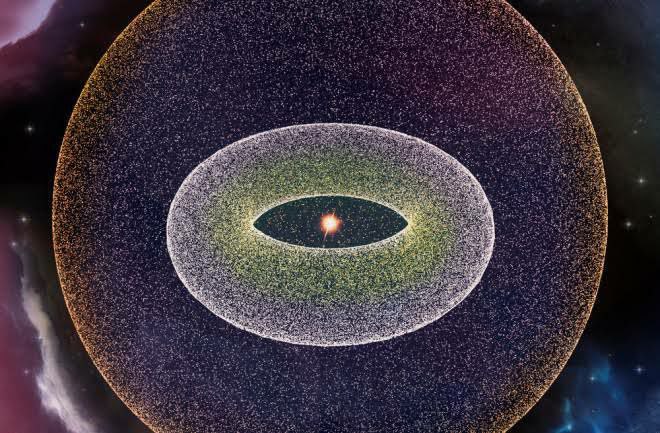
The Oort cloud, sometimes called the Öpik–Oort cloud, first described in 1950 by the Dutch astronomer Jan Oort, is a theoretical concept of a cloud of predominantly icy planetesimals (solids) proposed to surround the Sun at distances ranging from 2,000 to 200,000 AU (0.03 to 3.2 light-years). It is divided into two regions: a disc-shaped inner Oort cloud (or Hills cloud) and a spherical outer Oort cloud. Both regions lie beyond the heliosphere and in interstellar space. The Kuiper belt and the scattered disc, the other two reservoirs of trans-Neptunian objects, are less than one thousandth as far from the Sun as the Oort cloud.
━━━━━━━━━━━━
☢ @Physics ⚡| @Education 📖
━━━━━━━━━━━━
☢ @Physics ⚡| @Education 📖
❤24👍19🔥19😁6😱2
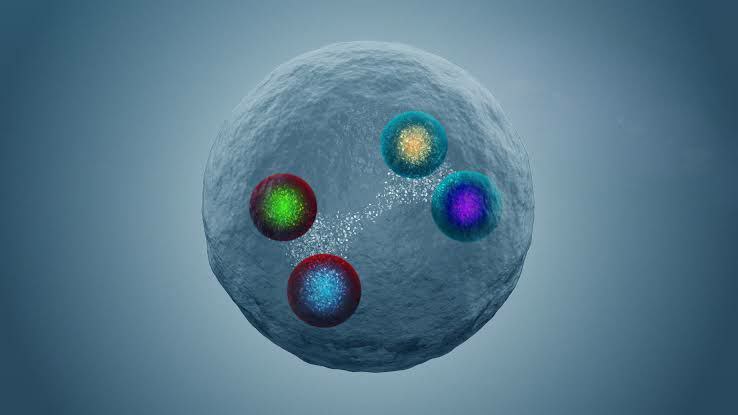
The charm quark, charmed quark or c quark (from its symbol, c) is the third most massive of all quarks, a type of elementary particle. Charm quarks are found in hadrons, which are subatomic particles made of quarks. Examples of hadrons containing charm quarks include the J/ψ meson (J/ψ), D mesons (D), charmed Sigma baryons (Σc), and other charmed particles.
━━━━━━━━━━━━
☢ @Physics ⚡| @Education 📖
━━━━━━━━━━━━
☢ @Physics ⚡| @Education 📖
👍30😱14🔥11❤9👎4🤩2
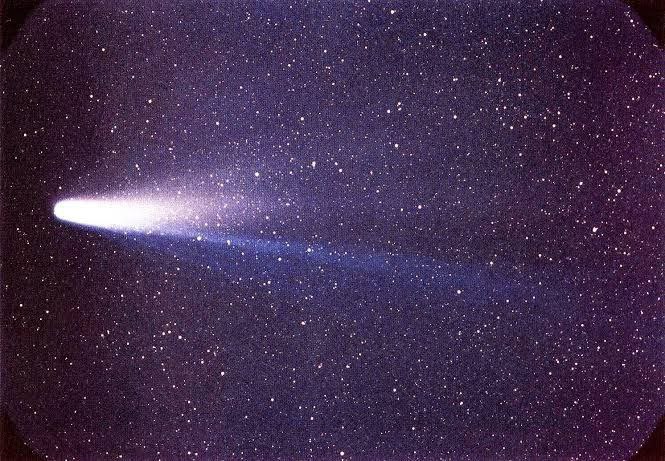
Halley's Comet or Comet Halley, officially designated 1P/Halley, is a short-period comet visible from Earth every 75–76 years. Halley is the only known short-period comet that is regularly visible to the naked eye from Earth, and thus the only naked-eye comet that can appear twice in a human lifetime. Halley last appeared in the inner parts of the Solar System in 1986 and will next appear in mid-2061.
━━━━━━━━━━━━
☢ @Physics ⚡| @Education 📖
━━━━━━━━━━━━
☢ @Physics ⚡| @Education 📖
❤45😱15🤩15👍10🎉5😁2