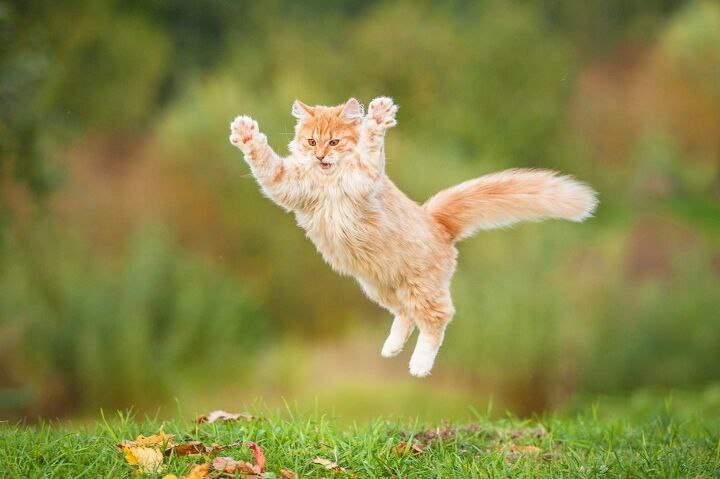
Cat righting reflex is a cat's innate ability to twist in mid-air to land on its feet. This seems to violate the law of physics (the law of conservation of angular momentum), but the cat's flexibility makes this baffling feat possible.
━━━━━━━━━━━━
☢ @Physics ⚡| @Education 📖
━━━━━━━━━━━━
☢ @Physics ⚡| @Education 📖
❤52😱19👍15🔥10
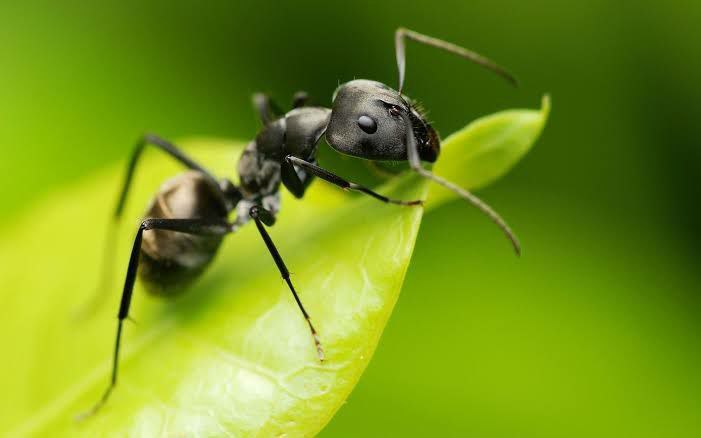
Small animals live in a slow-motion world, time seems to pass more slowly for lighter animals with faster metabolisms. New research suggest that smaller animals perceive time faster. This makes larger animals, like humans, appear to move in slow motion.
━━━━━━━━━━━━
☢ @Physics ⚡| @Education 📖
━━━━━━━━━━━━
☢ @Physics ⚡| @Education 📖
👍58😱36❤17🔥6🤩5😁4🎉4
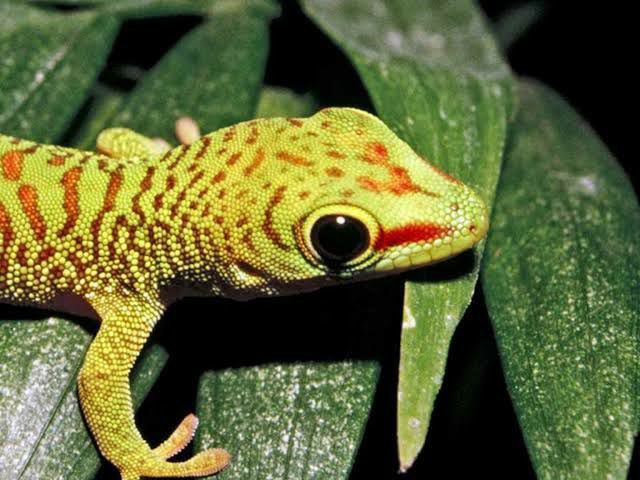
In molecular physics, there is a principle called Van der Waals Forces, which are the tiny attractive forces between atoms and molecules. This is what allows geckos to stick and climb almost anything.
━━━━━━━━━━━━
☢ @Physics ⚡| @Education 📖
━━━━━━━━━━━━
☢ @Physics ⚡| @Education 📖
🔥44👍28😱17🤩14❤13😁3🎉1
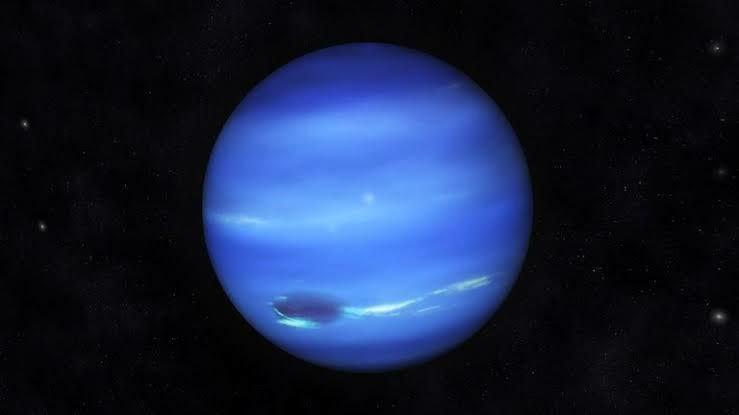
Neptune was the first planet to be discovered via mathematical calculations rather than astronomical observations.
━━━━━━━━━━━━
☢ @Physics ⚡| @Education 📖
━━━━━━━━━━━━
☢ @Physics ⚡| @Education 📖
🔥67👍46😱20❤11🤩11
If the all the DNA in all of your cells are stretched out, it would combine to be approximately double the diameter of the solar system.
━━━━━━━━━━━━
☢ @Physics ⚡| @Education 📖
━━━━━━━━━━━━
☢ @Physics ⚡| @Education 📖

😱67🔥42👍19❤14🎉5
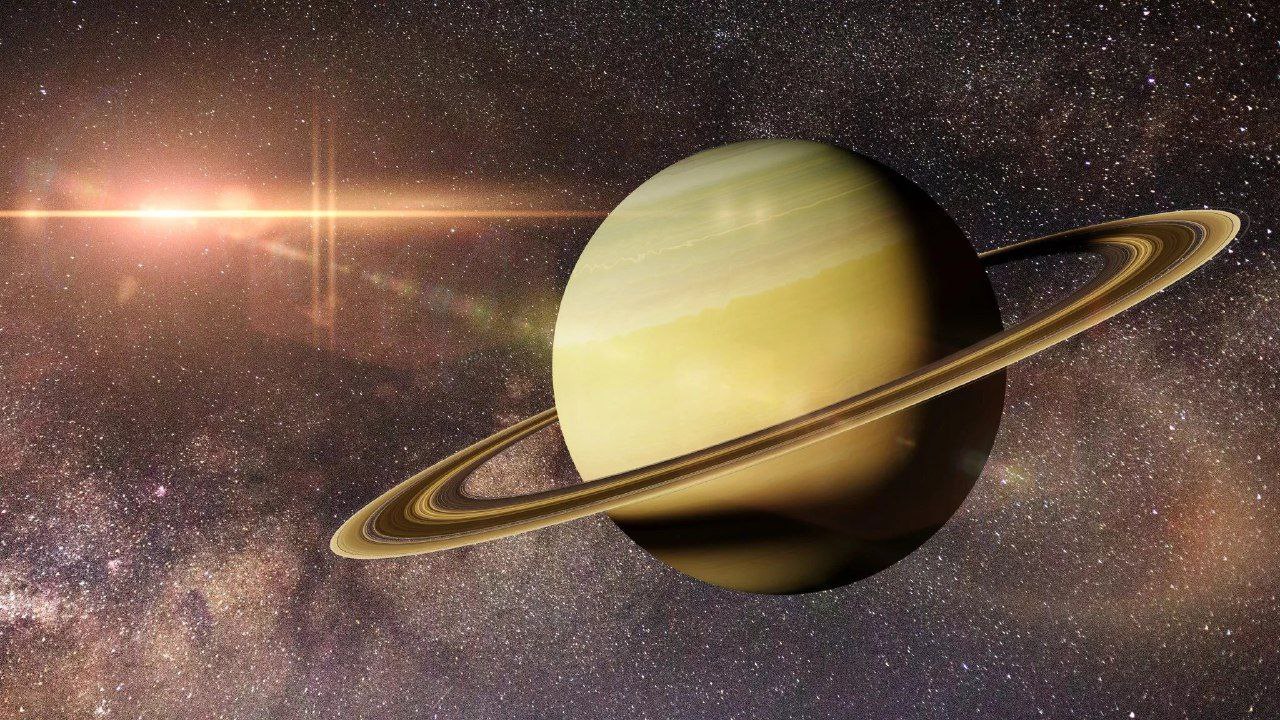
The atmosphere in Titan, Saturn's Moon, is so thick and the gravity so low, that humans can fly through it by flapping "wings" attached to their arms.
━━━━━━━━━━━━
☢ @Physics ⚡| @Education 📖
━━━━━━━━━━━━
☢ @Physics ⚡| @Education 📖
👍60😱25❤17🤩14🔥12🎉1
To live in space for a year, you would have to consume 730 L of your own recycled swear and urine.
━━━━━━━━━━━━
☢ @Physics ⚡| @Education 📖
━━━━━━━━━━━━
☢ @Physics ⚡| @Education 📖

😱63👍27😢25❤13🔥11👎7
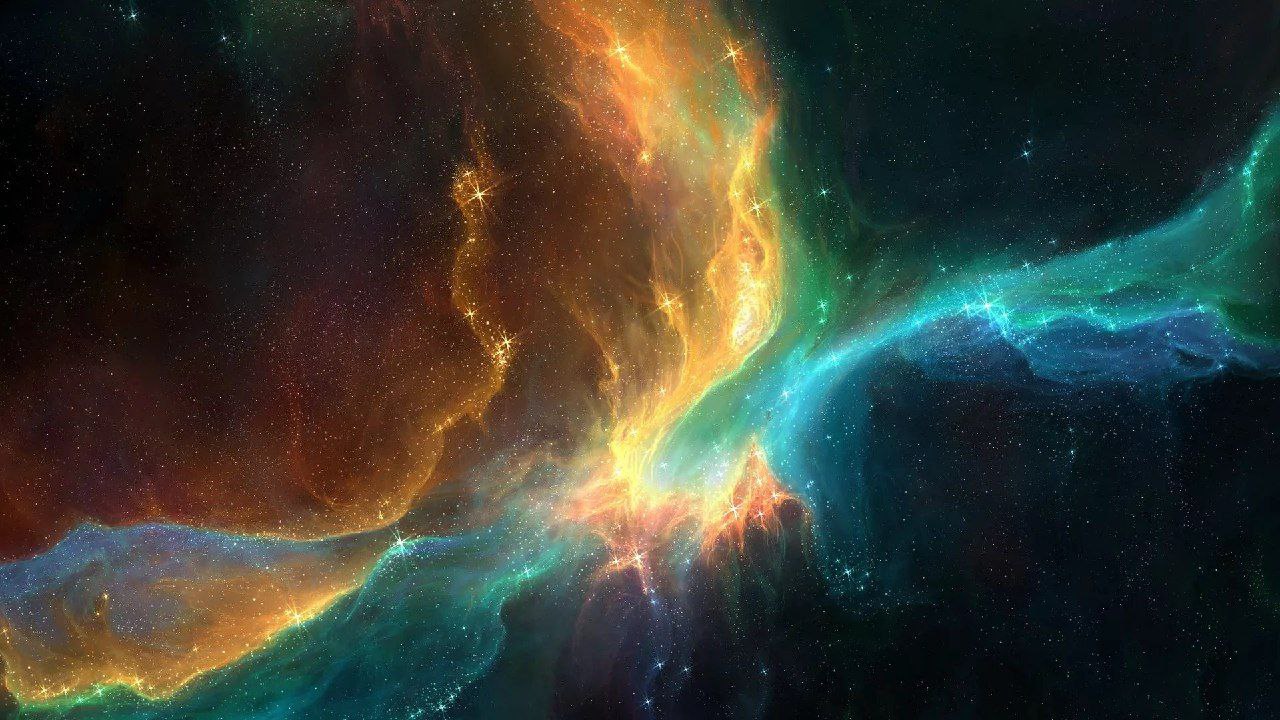
Unprotected exposure to outer space can kill a person in less than 30 seconds.
━━━━━━━━━━━━
☢ @Physics ⚡| @Education 📖
━━━━━━━━━━━━
☢ @Physics ⚡| @Education 📖
😱74👍30❤12👎2😁1
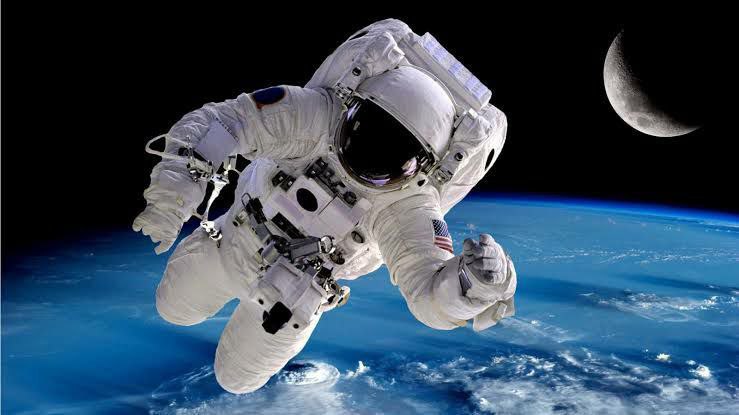
There's no "zero gravity" in space. Astronauts are in a constant state of free fall, which is why they appear to float.
━━━━━━━━━━━━
☢ @Physics ⚡| @Education 📖
━━━━━━━━━━━━
☢ @Physics ⚡| @Education 📖
🔥72👍25😱14❤13😁13👎2
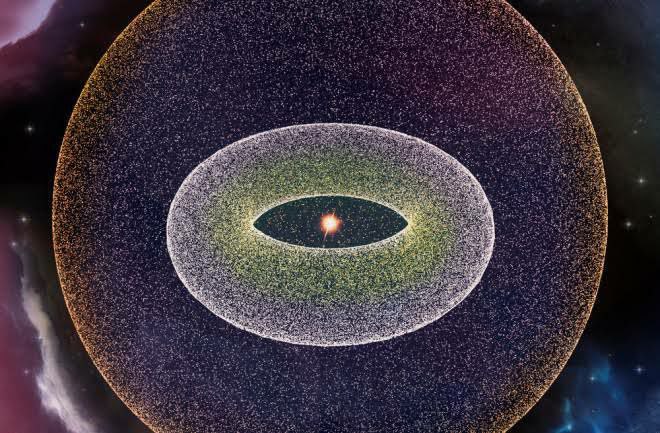
The Oort cloud, sometimes called the Öpik–Oort cloud, first described in 1950 by the Dutch astronomer Jan Oort, is a theoretical concept of a cloud of predominantly icy planetesimals (solids) proposed to surround the Sun at distances ranging from 2,000 to 200,000 AU (0.03 to 3.2 light-years). It is divided into two regions: a disc-shaped inner Oort cloud (or Hills cloud) and a spherical outer Oort cloud. Both regions lie beyond the heliosphere and in interstellar space. The Kuiper belt and the scattered disc, the other two reservoirs of trans-Neptunian objects, are less than one thousandth as far from the Sun as the Oort cloud.
━━━━━━━━━━━━
☢ @Physics ⚡| @Education 📖
━━━━━━━━━━━━
☢ @Physics ⚡| @Education 📖
❤24👍19🔥19😁6😱2