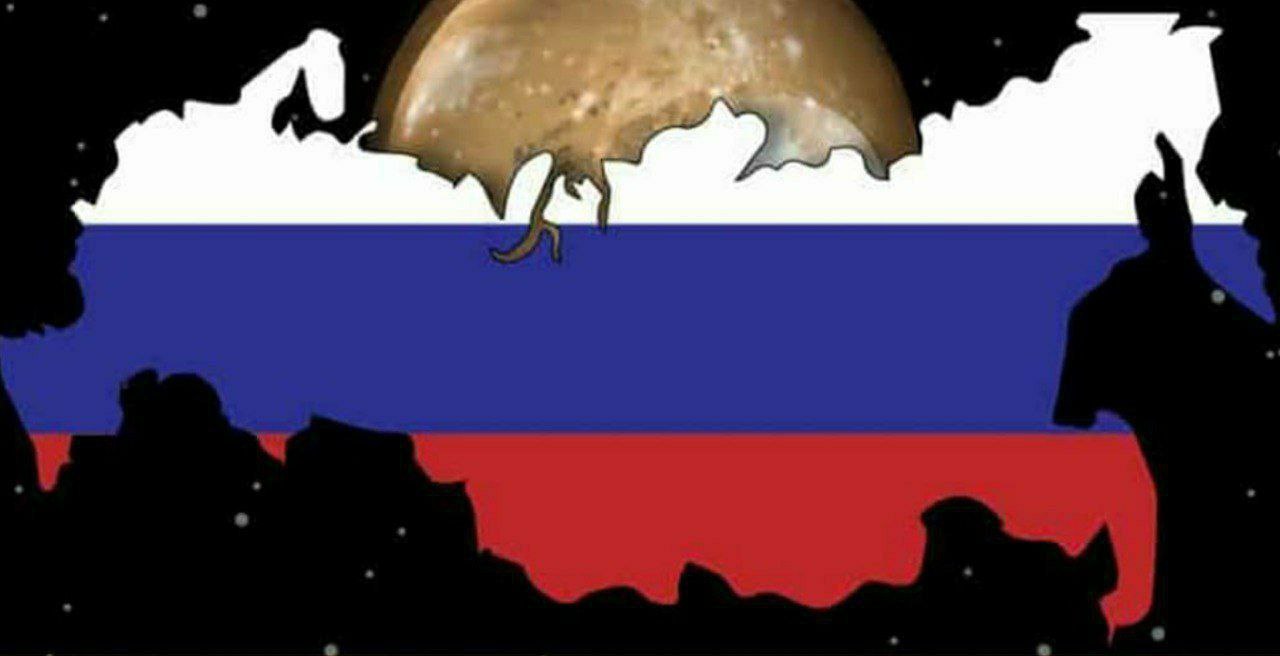
Russia is almost as big as Pluto in terms of surface area. Pluto's surface area is 17,646,012 square kilometres while that of Russia is 17,075,200 square kilometres.
━━━━━━━━━━━━
☢ @Physics ⚡| @Education 📖
━━━━━━━━━━━━
☢ @Physics ⚡| @Education 📖
😱72👍33🔥18🤩12❤6
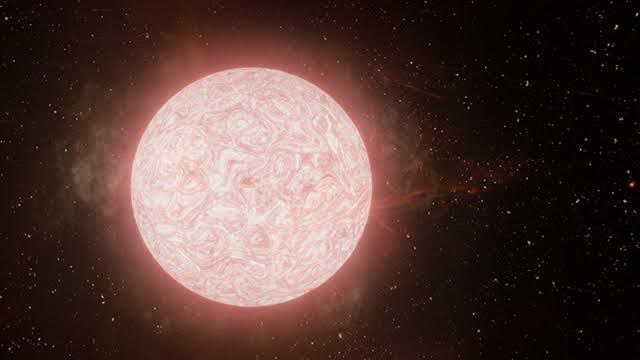
The core of a star reaches 16 million degrees Celsius. A grain of sand this hot would kill someone from 150 kilometers away.
━━━━━━━━━━━━
☢ @Physics ⚡| @Education 📖
━━━━━━━━━━━━
☢ @Physics ⚡| @Education 📖
🔥50😱33❤26👍9🎉3😁2
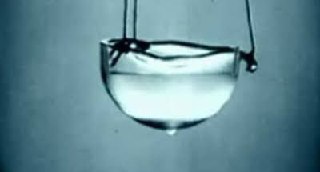
When Helium is cooled to absolute zero (0 Kelvin, -273.15°C, or -459.67°F), it becomes a liquid that flows against gravity. At this point, the helium transforms from a gas into a fluid with zero viscosity, which allows it to flow without any loss of kinetic energy.
━━━━━━━━━━━━
☢ @Physics ⚡| @Education 📖
━━━━━━━━━━━━
☢ @Physics ⚡| @Education 📖
👍57🔥33❤18😱16
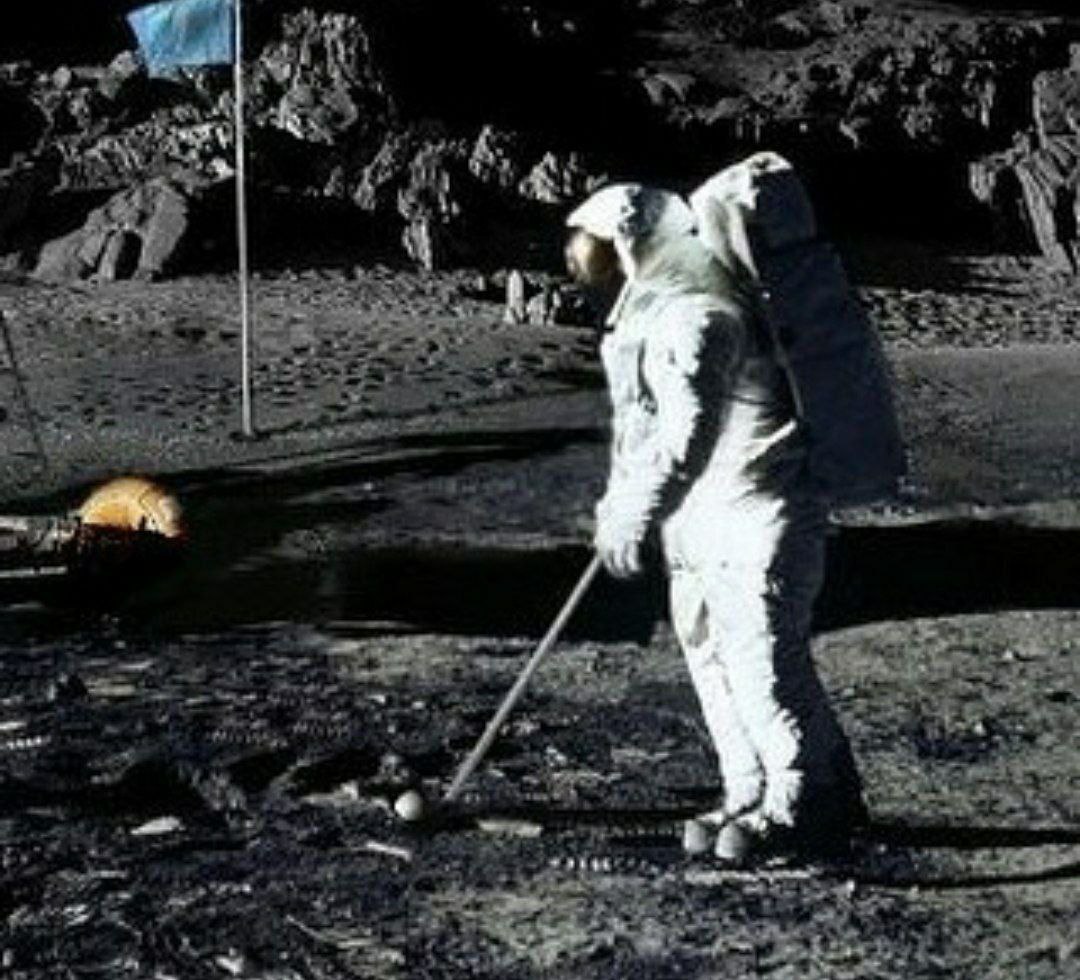
Not only was Alan Shepard the first US astronaut to go to space when he launched on Freedom 7 during the Mercury era in 1961, but he was also the first to play golf on the moon on his Apollo 14 trip! Conditions were dry and windless, of course. And with the moon having just 1/6th the gravity of Earth, his one-handed shot went several hundred yards.
━━━━━━━━━━━━
☢ @Physics ⚡| @Education 📖
━━━━━━━━━━━━
☢ @Physics ⚡| @Education 📖
🔥60👍21🤩13❤5👎4😢4
Astronauts can grow up to 2 inches while in space because of the lack of pressure on their spine.
━━━━━━━━━━━━
☢ @Physics ⚡| @Education 📖
━━━━━━━━━━━━
☢ @Physics ⚡| @Education 📖
🔥49😱25👍18❤8
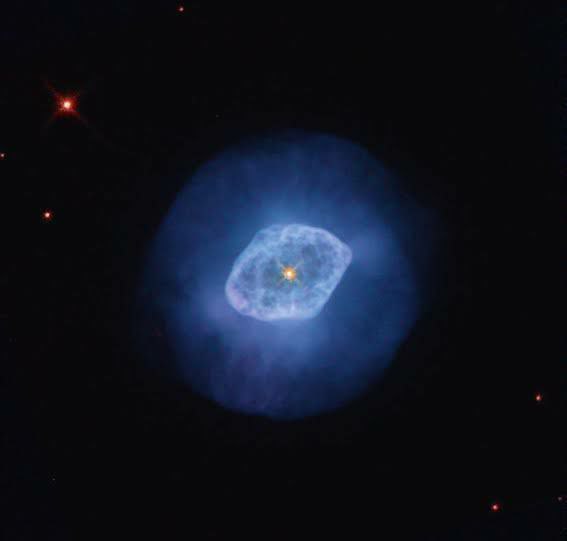
Planetary Nebulae forms when the outer surface of a star blows up after consuming its all Nuclear fuel. The outer layer of gases expands into the the space and take a shape of a ring or a bubble.
━━━━━━━━━━━━
☢ @Physics ⚡| @Education 📖
━━━━━━━━━━━━
☢ @Physics ⚡| @Education 📖
👍34❤24🤩8🔥6
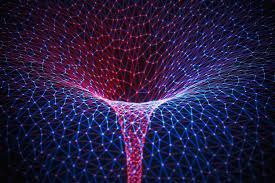
A wormhole is a special solution to the equations describing Einstein's theory of general relativity that connects two distant points in space or time via a funnel. Ideally, the length of this tunnel is shorter than the distance between those two points, making the wormhole a kind of shortcut.
━━━━━━━━━━━━
☢ @Physics ⚡| @Education 📖
━━━━━━━━━━━━
☢ @Physics ⚡| @Education 📖
❤39👍25🔥20🤩7😱5🎉1
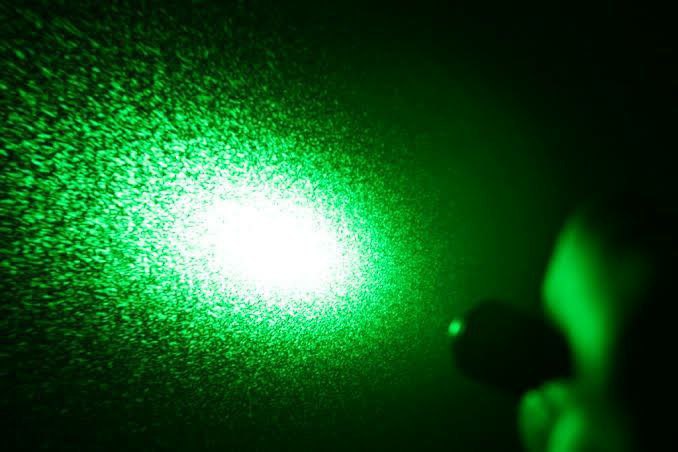
Ever notice a grainy, sand-like quality to lasers? It's called "laser speckle," and it's the result of many waves of the same frequency, but different amplitudes and phases, interfering with one another, creating new waves of random intensity.
━━━━━━━━━━━━
☢ @Physics ⚡| @Education 📖
━━━━━━━━━━━━
☢ @Physics ⚡| @Education 📖
❤38🔥18👍7🤩7👎5😱4😁1
Jupiter, Venus, Mars and Saturn would be lined up like this respectively, on about 26ᵗʰ April 2022, along with a crescent Moon.
━━━━━━━━━━━━
☢ @Physics ⚡| @Education 📖
━━━━━━━━━━━━
☢ @Physics ⚡| @Education 📖

🔥56❤31👍25😱11🤩7😁4😢1
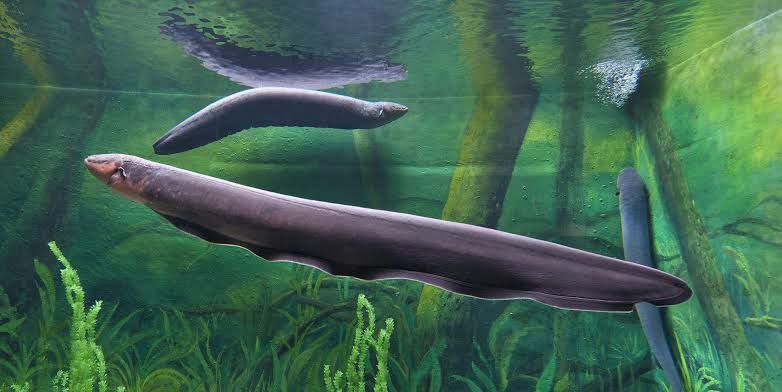
An electric eel is known to produce electricity sufficient enough to light up 10 electric bulbs.
━━━━━━━━━━━━
☢ @Physics ⚡| @Education 📖
━━━━━━━━━━━━
☢ @Physics ⚡| @Education 📖
🔥60😱36👍17❤12👎2