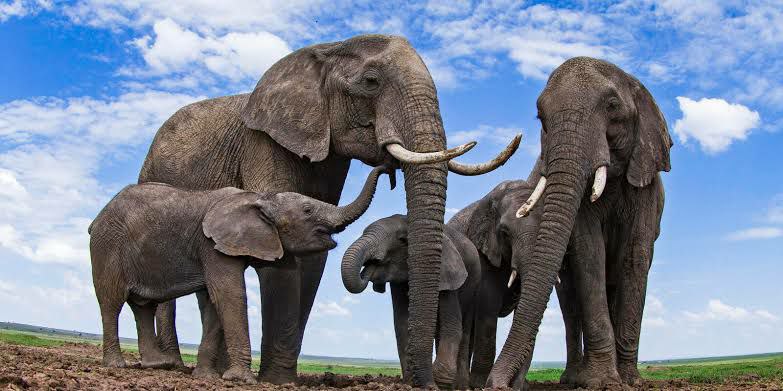
Elephant may have massive ears, but they can also pick up the noises via their feet, which register low frequency rumbles caused by other animals upto 20 miles away. They sense these underground vibrations through their feet.
━━━━━━━━━━━━
☢ @Physics ⚡| @Education 📖
━━━━━━━━━━━━
☢ @Physics ⚡| @Education 📖
🔥42👍36❤23😱23😁5
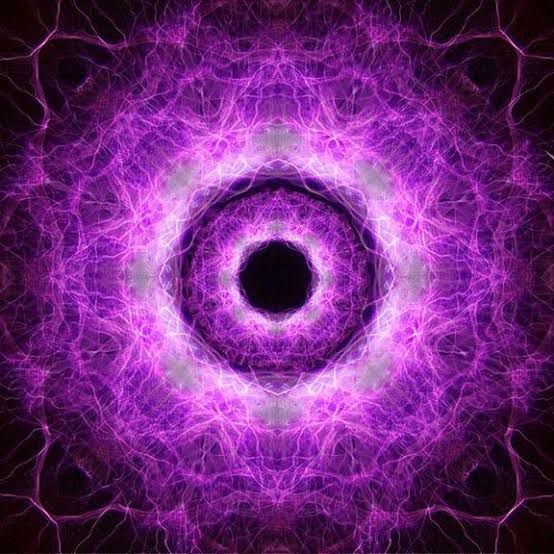
Zero-point energy (ZPE) is the lowest possible energy that a quantum mechanical system may have. Unlike in classical mechanics, quantum systems constantly fluctuate in their lowest energy state as described by the Heisenberg uncertainty principle. Therefore, even at absolute zero, atoms and molecules retain some vibrational motion. Apart from atoms and molecules, the empty space of the vacuum also has these properties.
━━━━━━━━━━━━
☢ @Physics ⚡| @Education 📖
━━━━━━━━━━━━
☢ @Physics ⚡| @Education 📖
🔥39👍27❤16🤩9😱1
A protoplanetary disk is a rotating circumstellar disc of dense gas and dust surrounding a young newly formed star, a T Tauri star, or Herbig Ae/Be star. The protoplanetary disk may also be considered an accretion disk for the star itself, because gases or other material may be falling from the inner edge of the disk onto the surface of the star. This process should not be confused with the accretion process thought to build up the planets themselves. Externally illuminated photo-evaporating protoplanetary disks are called proplyds.
━━━━━━━━━━━━
☢ @Physics ⚡| @Education 📖
━━━━━━━━━━━━
☢ @Physics ⚡| @Education 📖

👍28🔥17❤13😱4😢4🤩4🎉1
PSR J1719−1438 b is an extrasolar planet that was discovered on August 25, 2011, in orbit around PSR J1719−1438, a millisecond pulsar. The pulsar planet is most likely composed largely of crystalline carbon, but with a density far greater than diamond. PSR J1719-1438 b orbits so closely to its host star, the planet's orbit would fit inside the Sun. The existence of such carbon planets had been theoretically postulated.
━━━━━━━━━━━━
☢ @Physics ⚡| @Education 📖
━━━━━━━━━━━━
☢ @Physics ⚡| @Education 📖

👍36❤14😱10🔥6🤩3👎2
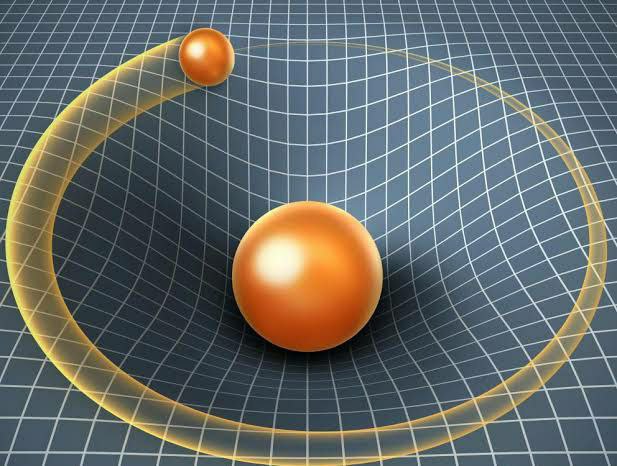
Planets don't actually travel in a circular motion. They are going just straight. Planets seems to orbit the Sun because space-time itself is bent which makes us feel gravity.
━━━━━━━━━━━━
☢ @Physics ⚡| @Education 📖
━━━━━━━━━━━━
☢ @Physics ⚡| @Education 📖
👍62😱50❤22🔥13🤩8👎3🎉3
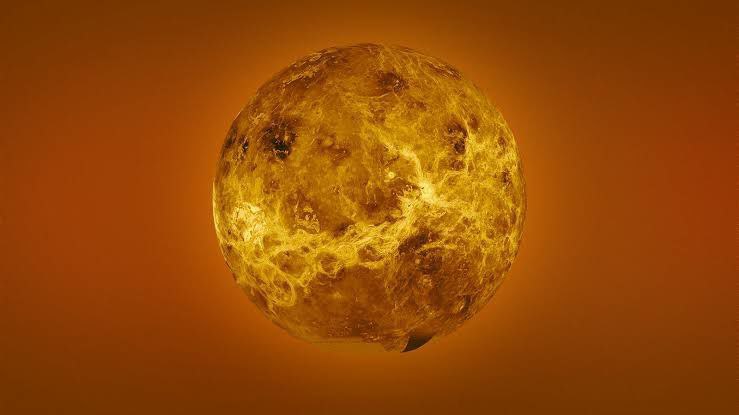
The slowest rotating planet is Venus, which takes 243.01 days to turn around.
━━━━━━━━━━━━
☢ @Physics ⚡| @Education 📖
━━━━━━━━━━━━
☢ @Physics ⚡| @Education 📖
😱47👍25🔥20😁9😢7🤩7❤6
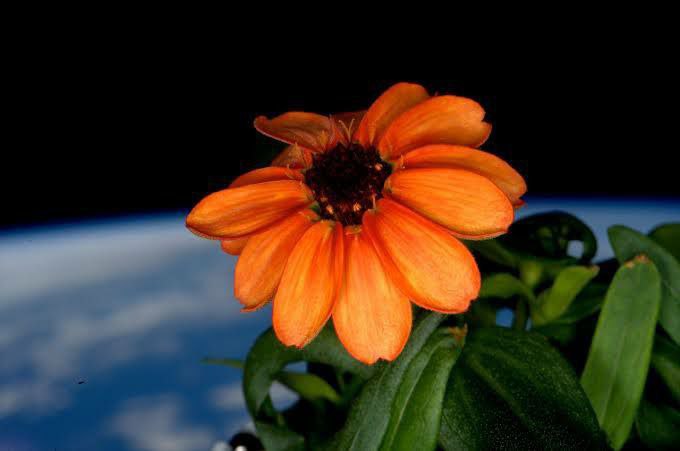
In 2016, Zinnia, the first flower fully grown in space, was grown as part of the International Space Station',$ plant growth system, also known as "Veggie".
━━━━━━━━━━━━
☢ @Physics ⚡| @Education 📖
━━━━━━━━━━━━
☢ @Physics ⚡| @Education 📖
👍48❤45😱21🤩9🔥8🎉8😁1
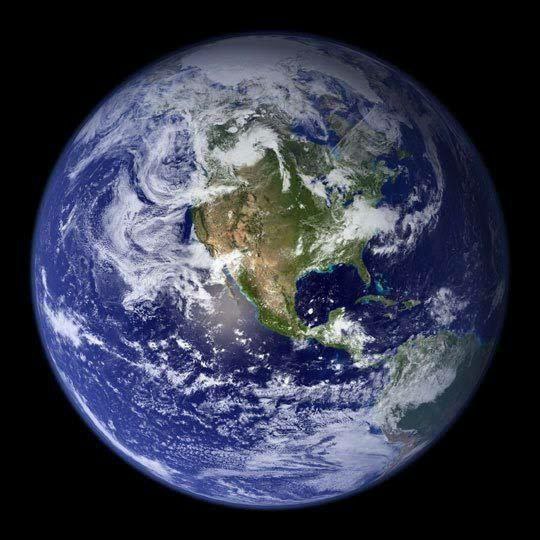
Have you ever wondered why we have different seasons? It’s because the Earth is tilted 23.4 degrees on its ‘axis’, an imaginary line straight through the middle of the planet form the North Pole to the South Pole.
━━━━━━━━━━━━
☢ @Physics ⚡| @Education 📖
━━━━━━━━━━━━
☢ @Physics ⚡| @Education 📖
👍66🤩21🔥18❤11😁7😱7🎉5👎2
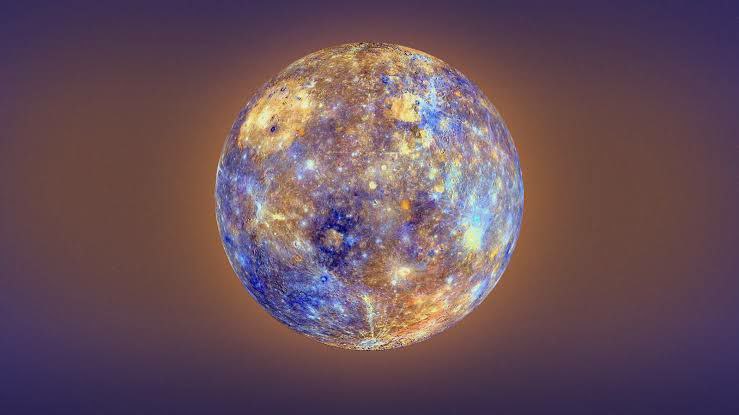
Mercury has wrinkles. As the iron core of the planet cooled and contracted, the surface of the planet became wrinkled. Scientist have named these wrinkles, Lobate Scarps. These Scarps can be up to a mile high and hundreds of miles long.
━━━━━━━━━━━━
☢ @Physics ⚡| @Education 📖
━━━━━━━━━━━━
☢ @Physics ⚡| @Education 📖
❤39👍26😱6🎉6🔥1
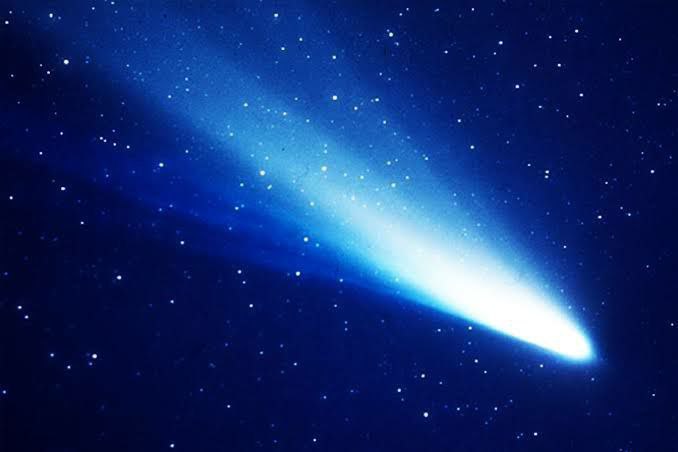
Comets are leftovers from the creation of our solar system about 4.5 billion years ago – they consist of sand, ice and carbon dioxide.
━━━━━━━━━━━━
☢ @Physics ⚡| @Education 📖
━━━━━━━━━━━━
☢ @Physics ⚡| @Education 📖
👍54❤21🔥15😢2
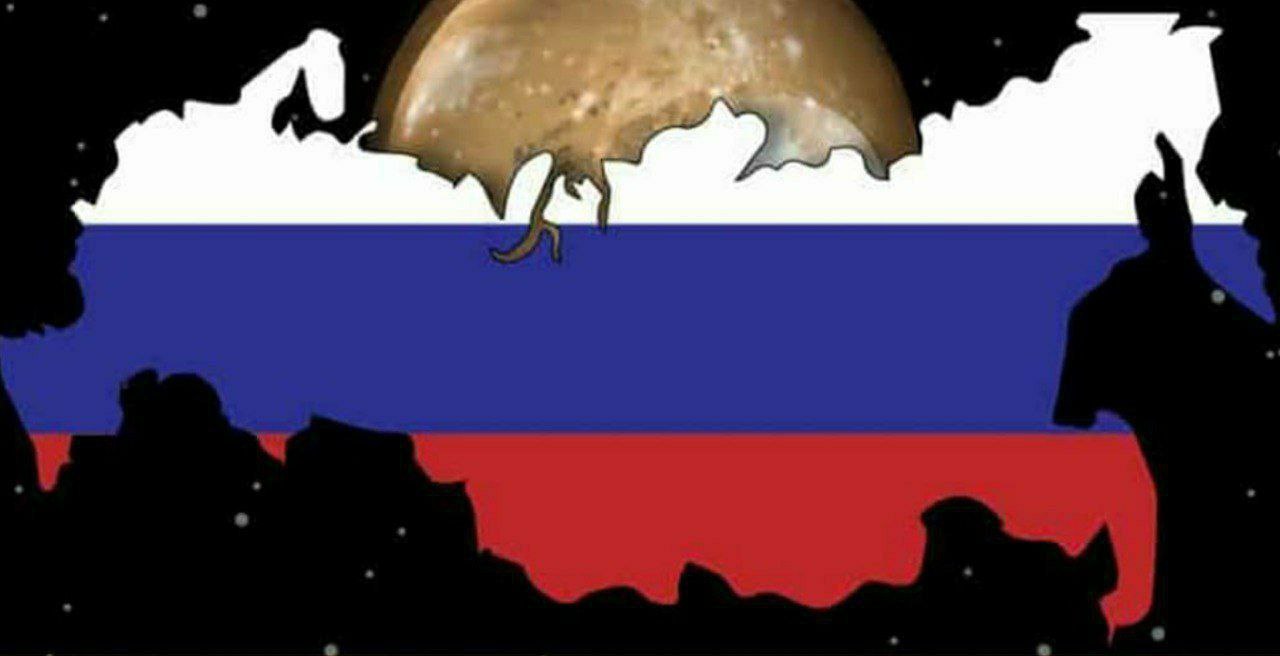
Russia is almost as big as Pluto in terms of surface area. Pluto's surface area is 17,646,012 square kilometres while that of Russia is 17,075,200 square kilometres.
━━━━━━━━━━━━
☢ @Physics ⚡| @Education 📖
━━━━━━━━━━━━
☢ @Physics ⚡| @Education 📖
😱72👍33🔥18🤩12❤6