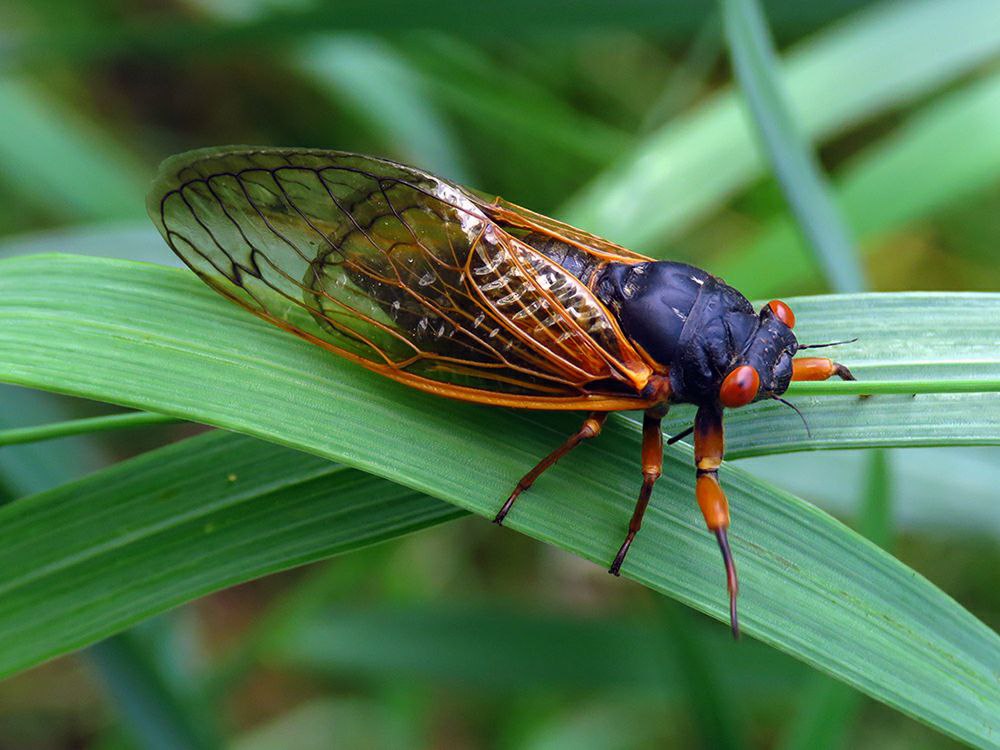
Cicadas expand and contract their exoskeletons thousands of times per second to make their loud calls. Navy physicists have studied them to create long-range underwater beacons.
━━━━━━━━━━━━
☢ @Physics ⚡| @Education 📖
━━━━━━━━━━━━
☢ @Physics ⚡| @Education 📖
👍54😱40❤17🔥14🤩9😁3👎2🎉1
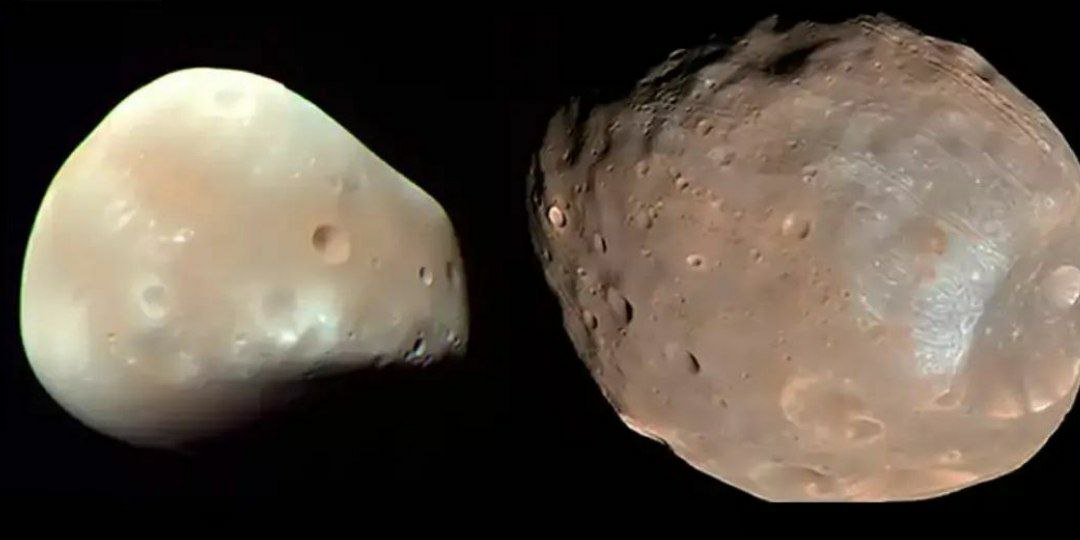
Mars has two moons (Phobos & Deimos). Phobos, the larger moon, is spiralling inwards and expected to crash into Mars in 50 million years or break up into a ring.
━━━━━━━━━━━━
☢ @Physics ⚡| @Education 📖
━━━━━━━━━━━━
☢ @Physics ⚡| @Education 📖
🔥47👍32😱19❤11👎4🎉4
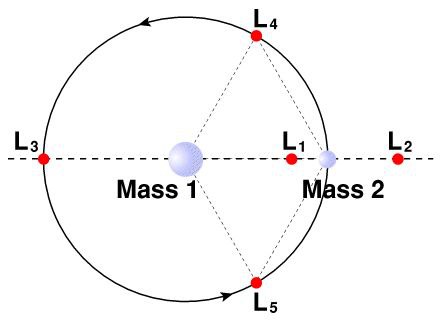
Lagrange Points are positions in space where the gravitational forces of a two body system like the Sun and the Earth produce enhanced regions of attraction and repulsion. These can be used by spacecraft to reduce fuel consumption needed to remain in position.
━━━━━━━━━━━━
☢ @Physics ⚡| @Education 📖
━━━━━━━━━━━━
☢ @Physics ⚡| @Education 📖
👍61🤩11❤10🔥8😱7
In theories of quantum gravity, the graviton is the hypothetical quantum of gravity, an elementary particle that mediates the force of gravitational interaction. There is no complete quantum field theory of gravitons due to an outstanding mathematical problem with renormalization in general relativity. In string theory, believed to be a consistent theory of quantum gravity, the graviton is a massless state of a fundamental string.
━━━━━━━━━━━━
☢ @Physics ⚡| @Education 📖
━━━━━━━━━━━━
☢ @Physics ⚡| @Education 📖

👍47❤16🔥13😁6😱6
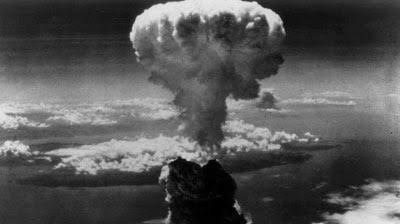
Energy released during a Solar Flare is up to 10 million times energy released by a Hiroshima bomb. However, this energy accounts only 1/10th of the total energy by the Sun in one second.
━━━━━━━━━━━━
☢ @Physics ⚡| @Education 📖
━━━━━━━━━━━━
☢ @Physics ⚡| @Education 📖
😱61👍20🔥16❤5😁4🤩2
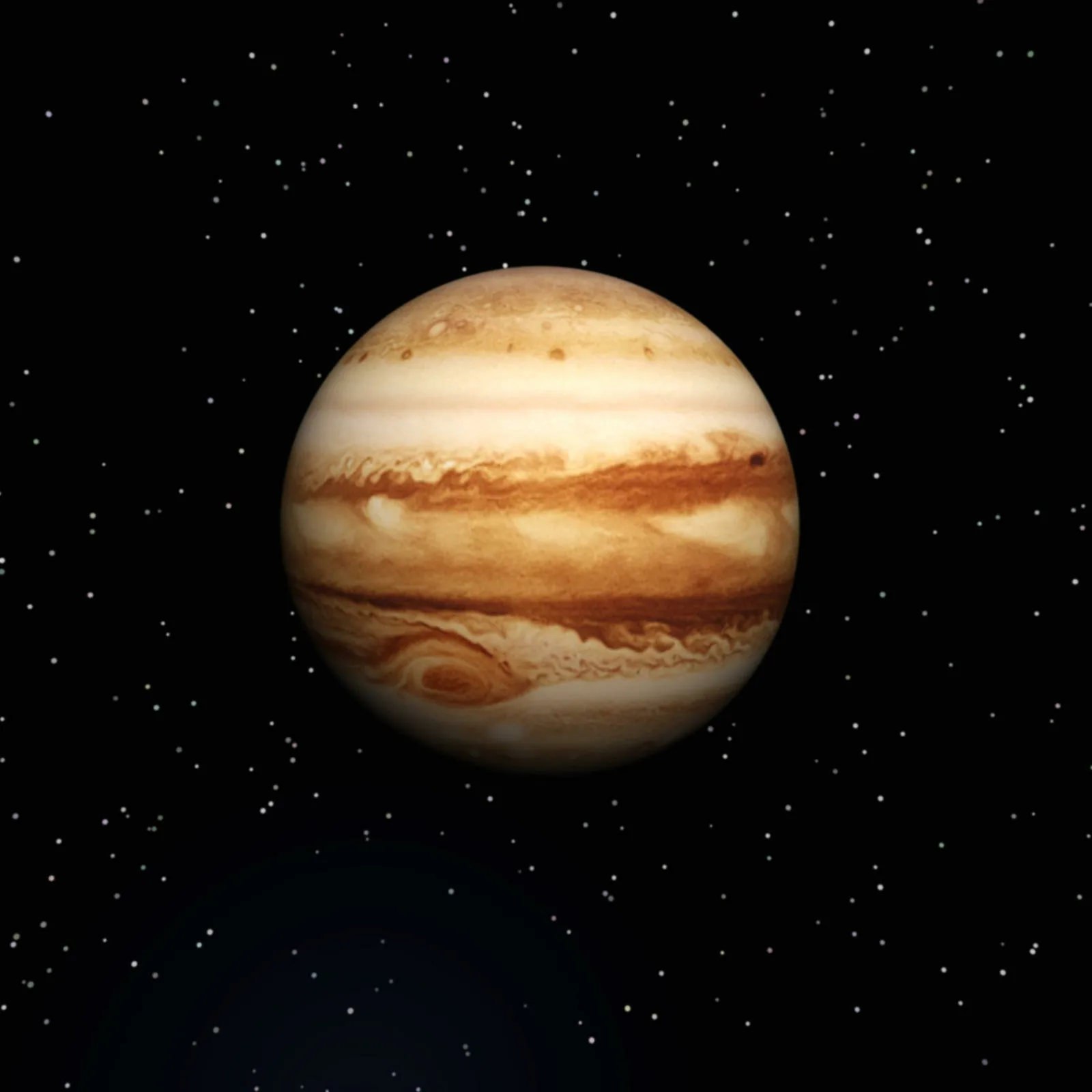
Jupiter is also called a failed star because it is made up of the same elements as that in the Sun (hydrogen and helium), which are the main fuel of stars. But Jupiter didn't gain sufficient mass to have internal pressure and temperature to fuse hydrogen into helium.
━━━━━━━━━━━━
☢ @Physics ⚡| @Education 📖
━━━━━━━━━━━━
☢ @Physics ⚡| @Education 📖
👍75🔥27❤22😱18🤩10😢5🎉4👎2
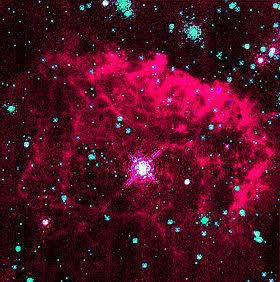
Pistol star is an extremely luminous, hypergiant known massive star in milky way. It has a mass of 27.5 times that of the Sun and size 435 times the radius of Sun. It has 3.3 million times more luminous than our Sun making it highest known luminous star in our galaxy.
━━━━━━━━━━━━
☢ @Physics ⚡| @Education 📖
━━━━━━━━━━━━
☢ @Physics ⚡| @Education 📖
👍41🔥20❤14😱12🤩9
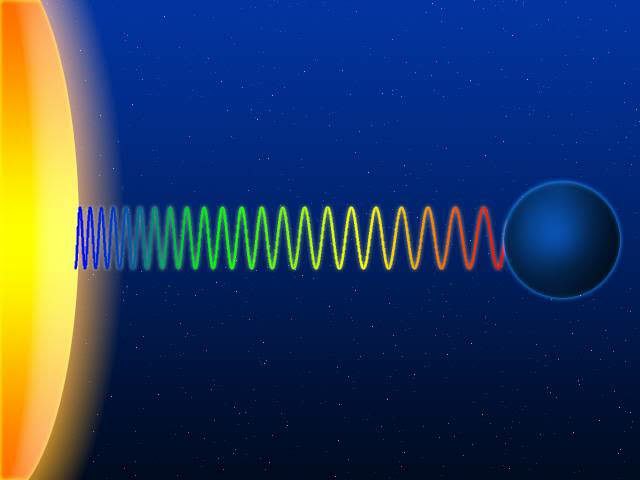
When a photon moves out of the gravitational field, it loses energy. This loss of energy in electromagnetic waves results in the reduction of light frequency, hence increasing the wavelength, making the wavelength of the light shift towards a higher wavelength or the red side. This shift in wavelength is known as the "Gravitational Redshift".
━━━━━━━━━━━━
☢ @Physics ⚡| @Education 📖
━━━━━━━━━━━━
☢ @Physics ⚡| @Education 📖
👍61❤14🔥12😱6🤩4
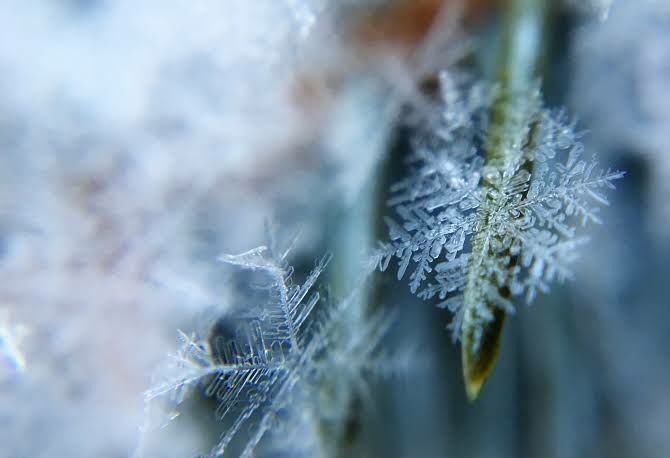
Snow is not frozen rain. That's sleet. Snow starts as water vapour that freezes into tiny ice crystals, typically creating a hexagonal prism. It grows as more vapour drops freeze to the prism's corners, building outward from the centre.
━━━━━━━━━━━━
☢ @Physics ⚡| @Education 📖
━━━━━━━━━━━━
☢ @Physics ⚡| @Education 📖
👍44❤16🔥13🤩9😱2
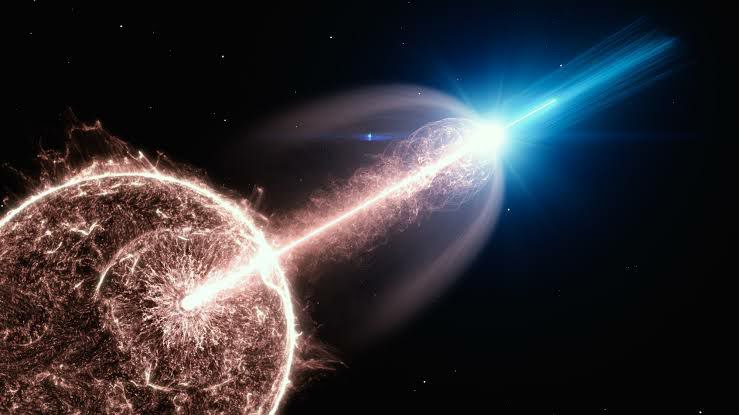
A gamma-ray burst is the most powerful and energetic explosive event in the universe. A single gamma-ray burst can release an equal amount of energy which the Sun releases in it's complete lifetime of 10 billion years.
━━━━━━━━━━━━
☢ @Physics ⚡| @Education 📖
━━━━━━━━━━━━
☢ @Physics ⚡| @Education 📖
🔥55😱38👍24🤩13❤4😢2