
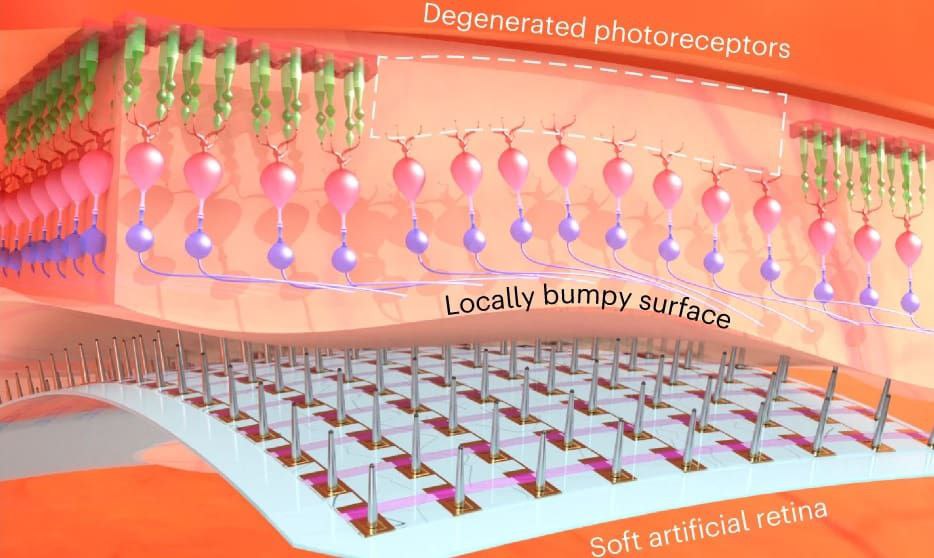
An "artificial retina" made from ultrathin phototransistor arrays and liquid metal-based electrodes shows promise for restoring vision to blind mice.
✅Source : Click here
━━━━━━━━━━━
☢ @Physics ⚡
✅Source : Click here
━━━━━━━━━━━
☢ @Physics ⚡
👍11🔥9❤6
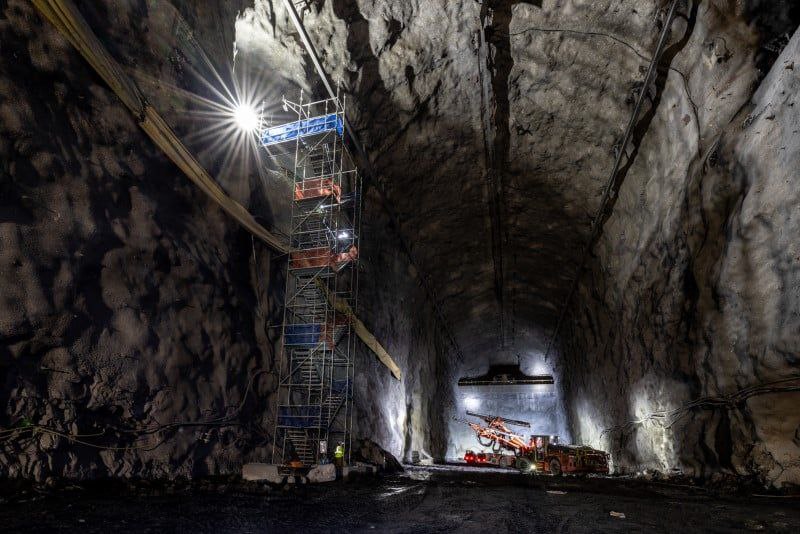
Some 800 000 tonnes of rock have been excavated and transported to the surface and engineers will now begin to install the systems needed for the detectors to become operation by the end of 2028.
✅ Source : Click here
━━━━━━━━━━━
☢ @Physics ⚡
✅ Source : Click here
━━━━━━━━━━━
☢ @Physics ⚡
👍8🔥6❤5
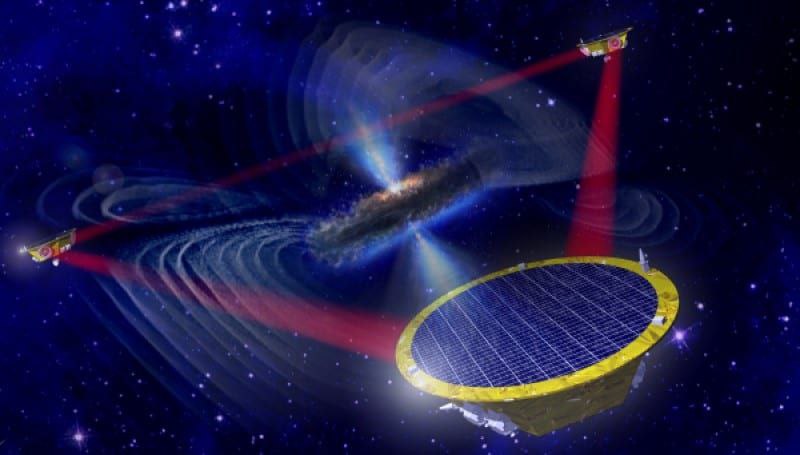
Construction on the Laser Interferometer Space Antenna will begin in January 2025 once an industry partner has been chosen to build the craft
✅Source : Click here
━━━━━━━━━━━
☢ @Physics ⚡
✅Source : Click here
━━━━━━━━━━━
☢ @Physics ⚡
❤11👍5🔥4
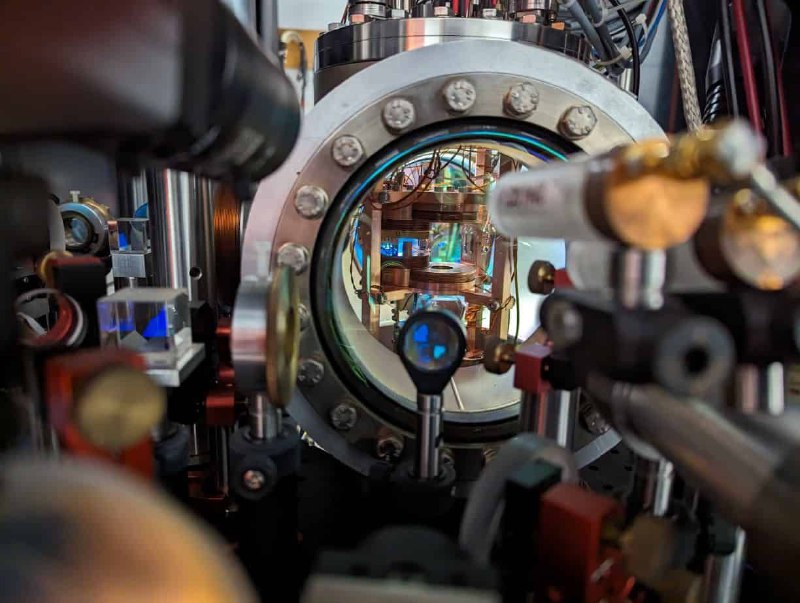
Cold atoms solve many problems in quantum technology, but creating them requires approximately two Nobel Prizes’ worth of experimental apparatus. Now, machine learning is starting to take the pain out of operating these complex systems.
✅Source : Click here
━━━━━━━━━━━
☢ @Physics ⚡
✅Source : Click here
━━━━━━━━━━━
☢ @Physics ⚡
❤14👍10🎉3🔥1
Surprising observation of dark solitons could give molecular spectroscopy and integrated optoelectronics a boost.
✅Source : Click here
━━━━━━━━━━━
☢ @Physics ⚡
✅Source : Click here
━━━━━━━━━━━
☢ @Physics ⚡

❤12👍8🔥3🎉2
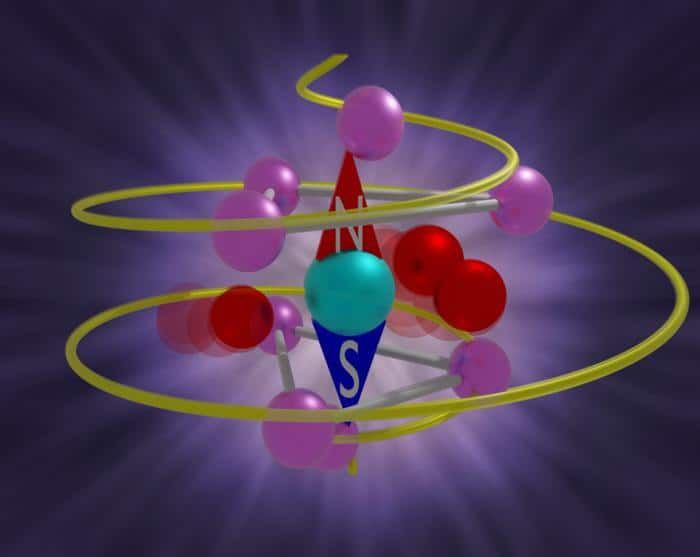
By driving the motion of a lattice of atoms in a spiral pattern, researchers produced chiral phonons that turn a paramagnetic material into a magnet. The technique could induce properties that are hard to find in naturally-occurring materials.
✅ Source : Click here
━━━━━━━━━━━
☢ @Physics ⚡
✅ Source : Click here
━━━━━━━━━━━
☢ @Physics ⚡
🔥13👍7❤6
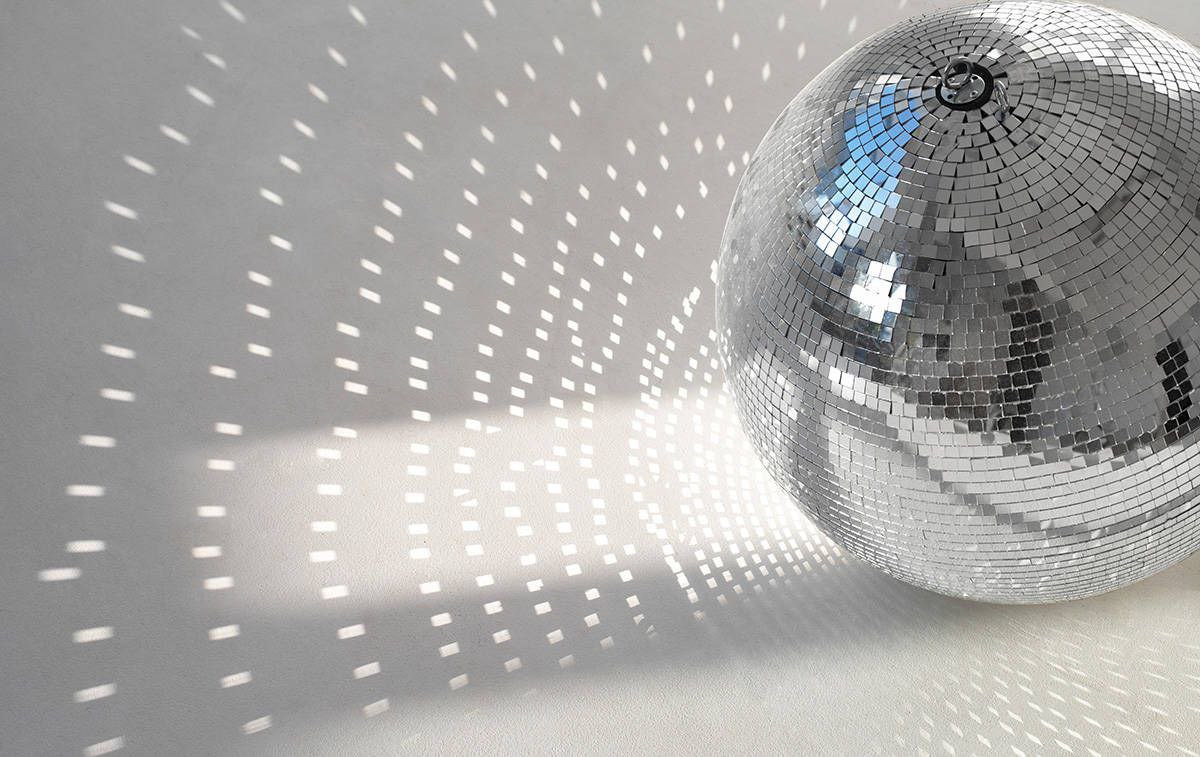
Disco balls and astronomy? Not the most obvious pairing. But now scientists have shown that these glittery ornaments can help people look at the Sun, watch eclipses and follow the transits of planets.
✅Source : Click here
━━━━━━━━━━━
☢ @Physics ⚡
✅Source : Click here
━━━━━━━━━━━
☢ @Physics ⚡
👍9❤5🔥4🎉1
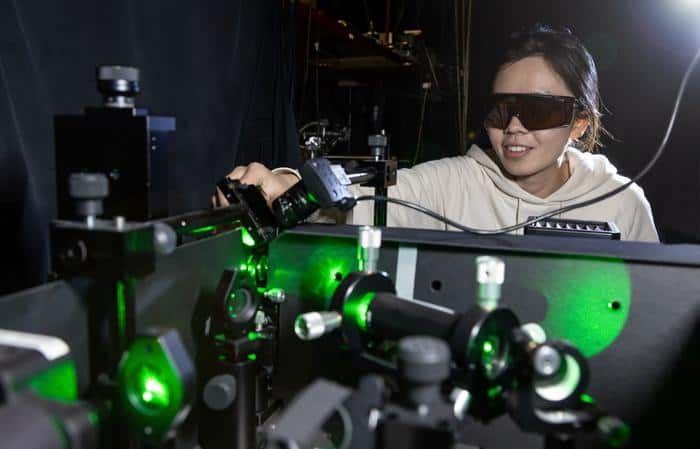
The remarkably high efficiency of solar cells made from perovskites has puzzled scientists for nearly 20 years. Now, researchers say they have found an explanation – and it's all due to the "shallowness" of the material's defects.
✅Source : Click here
━━━━━━━━━━━
☢ @Physics ⚡
✅Source : Click here
━━━━━━━━━━━
☢ @Physics ⚡
❤9🔥5👍4🎉1
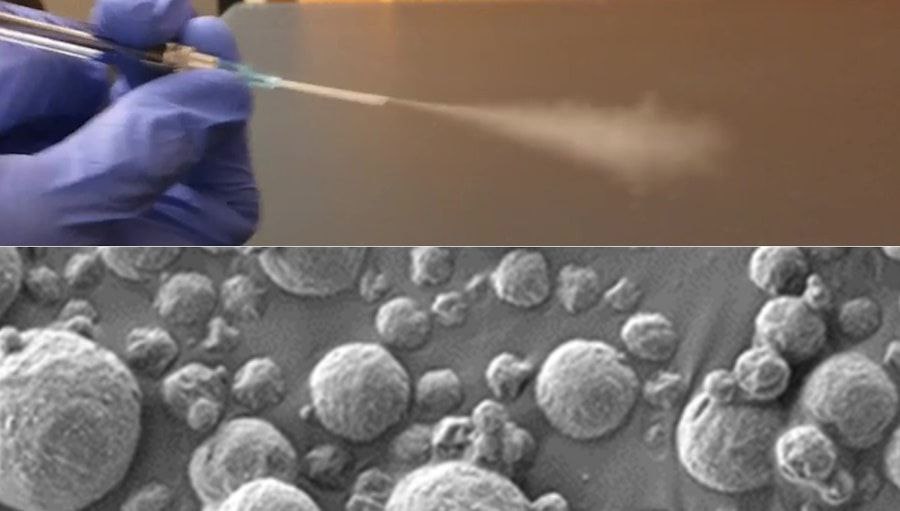
A simple test using inhalable nanoparticle sensors could provide an accessible option for lung cancer screening.
✅Source : Click here
━━━━━━━━━━━
☢ @Physics ⚡
✅Source : Click here
━━━━━━━━━━━
☢ @Physics ⚡
❤15👍7🔥2🤩2🎉1
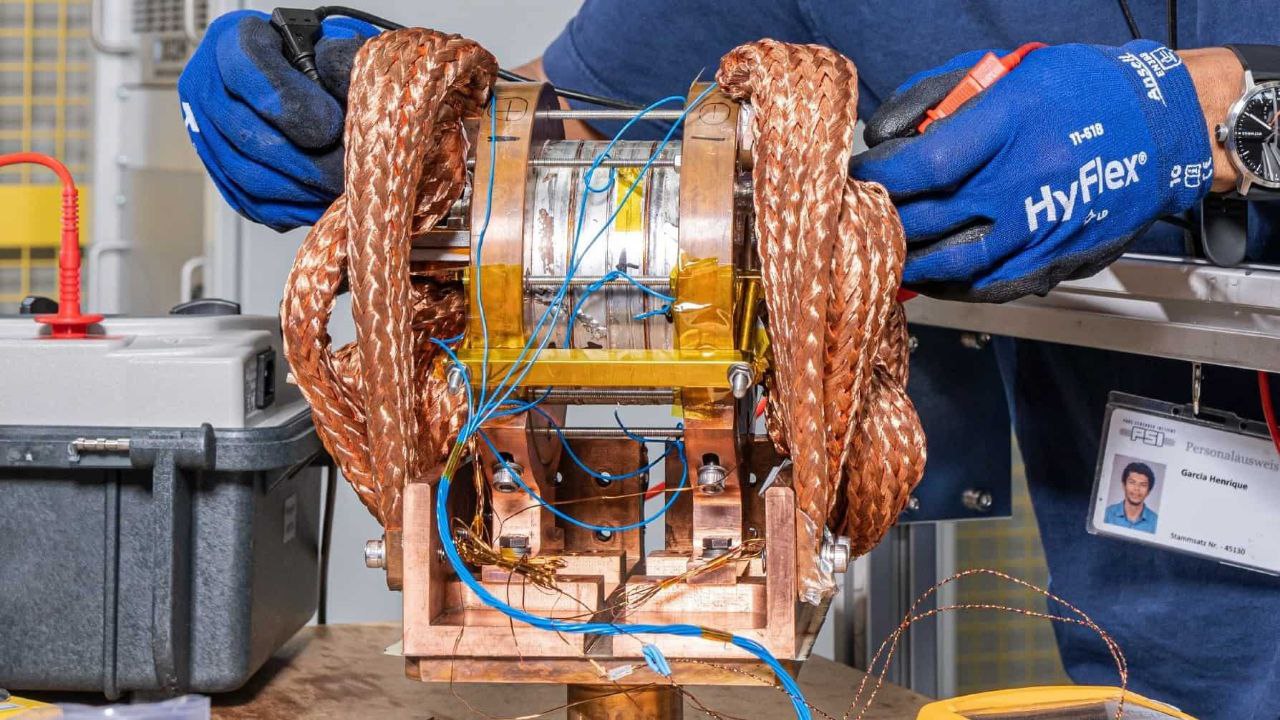
Computer simulations and laboratory experiments done in Switzerland have advanced the design of a new type of positron source that could be used in next-generation lepton colliders such as the proposed Future Circular Collider
✅Source : Click here
━━━━━━━━━━━
☢ @Physics ⚡
✅Source : Click here
━━━━━━━━━━━
☢ @Physics ⚡
❤13👍9🔥5🎉2