Lenoir cycle
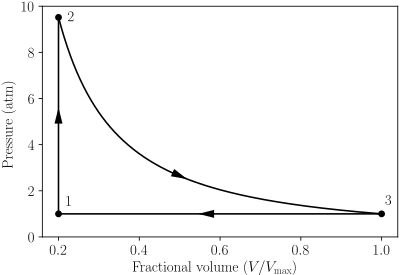
The Lenoir cycle is an idealized thermodynamic cycle often used to model a pulse jet engine. It is based on the operation of an engine patented by Jean Joseph Etienne Lenoir in 1860. This engine is often thought of as the first commercially produced internal combustion engine. The absence of any compression process in the design leads to lower thermal efficiency than the more well known Otto cycle and Diesel cycle.
the cycle, an ideal gas undergoes
1–2: Constant volume (isochoric) heat addition;
2–3: Isentropic expansion;
3–1: Constant pressure (isobaric) heat rejection.
The expansion process is isentropic and hence involves no heat interaction. Energy is absorbed as heat during the isochoric heating and rejected as work during the isentropic expansion. Waste heat is rejected during the isobaric cooling which consumes some work.
━━━━━━━━━━━
☢ @Physics ⚡
The Lenoir cycle is an idealized thermodynamic cycle often used to model a pulse jet engine. It is based on the operation of an engine patented by Jean Joseph Etienne Lenoir in 1860. This engine is often thought of as the first commercially produced internal combustion engine. The absence of any compression process in the design leads to lower thermal efficiency than the more well known Otto cycle and Diesel cycle.
the cycle, an ideal gas undergoes
1–2: Constant volume (isochoric) heat addition;
2–3: Isentropic expansion;
3–1: Constant pressure (isobaric) heat rejection.
The expansion process is isentropic and hence involves no heat interaction. Energy is absorbed as heat during the isochoric heating and rejected as work during the isentropic expansion. Waste heat is rejected during the isobaric cooling which consumes some work.
━━━━━━━━━━━
☢ @Physics ⚡
👍17🔥11❤8
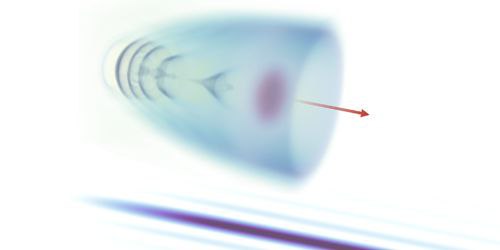
The electric field gradients produced by lasers in plasmas are so steep they can accelerate electrons over larger distances than conventional accelerators can. But for such an accelerator to be useful, the electrons must have a narrow spread in energy.
✅Source: Click here
━━━━━━━━━━━
☢ @Physics ⚡
✅Source: Click here
━━━━━━━━━━━
☢ @Physics ⚡
❤12👍8🔥2😱2🎉1
Archimedes Principle
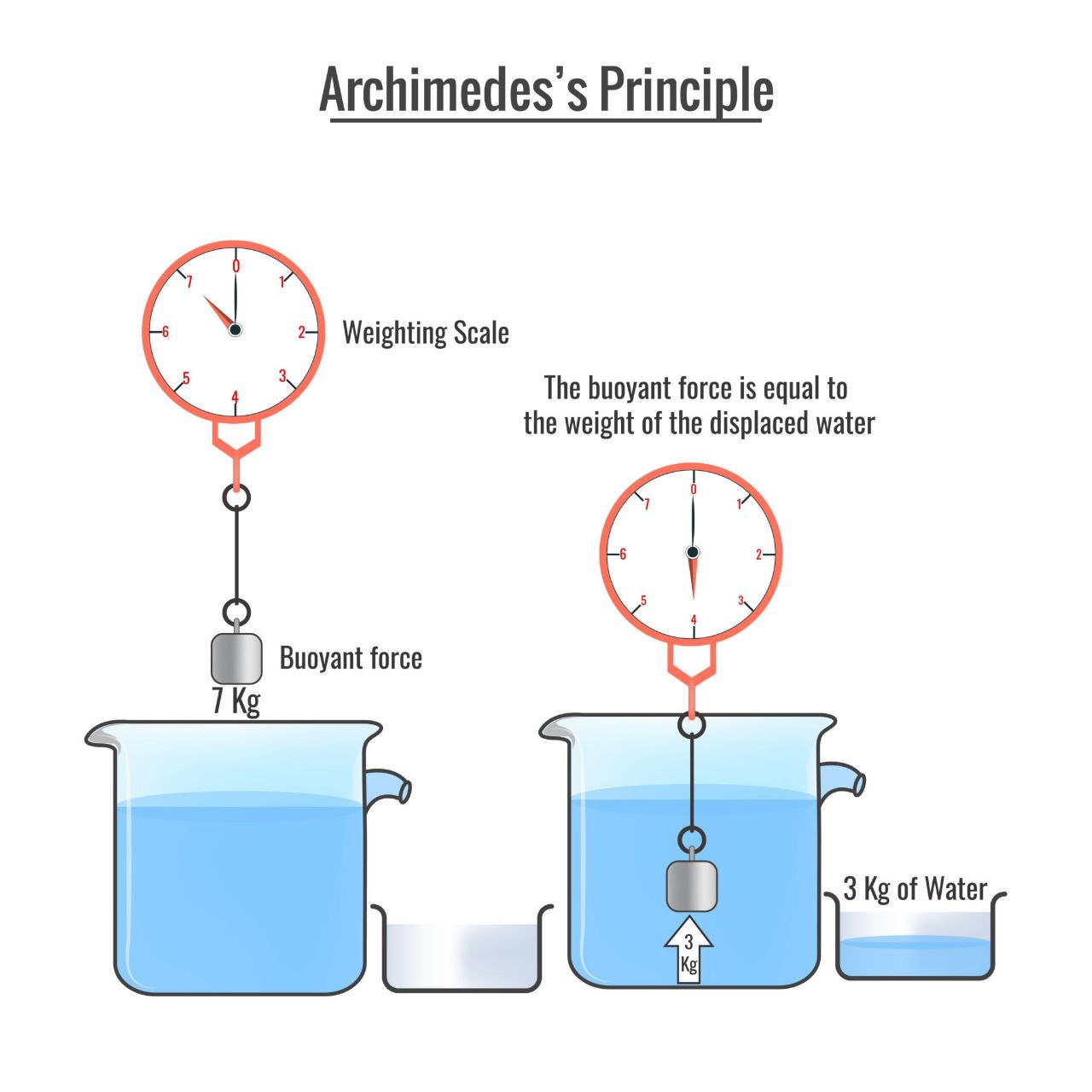
Archimedes' principle (also spelled Archimedes's principle) states that the upward buoyant force that is exerted on a body immersed in a fluid, whether fully or partially, is equal to the weight of the fluid that the body displaces. Archimedes' principle is a law of physics fundamental to fluid mechanics. It was formulated by Archimedes of Syracuse.
Any object, totally or partially immersed in a fluid or liquid, is buoyed up by a force equal to the weight of the fluid displaced by the object.
Archimedes' principle allows the buoyancy of any floating object partially or fully immersed in a fluid to be calculated. The downward force on the object is simply its weight. The upward, or buoyant, force on the object is that stated by Archimedes' principle above. Thus, the net force on the object is the difference between the magnitudes of the buoyant force and its weight. If this net force is positive, the object rises; if negative, the object sinks; and if zero, the object is neutrally buoyant—that is, it remains in place without either rising or sinking. In simple words, Archimedes' principle states that, when a body is partially or completely immersed in a fluid, it experiences an apparent loss in weight that is equal to the weight of the fluid displaced by the immersed part of the body(s).
━━━━━━━━━━━
☢ @Physics ⚡
Archimedes' principle (also spelled Archimedes's principle) states that the upward buoyant force that is exerted on a body immersed in a fluid, whether fully or partially, is equal to the weight of the fluid that the body displaces. Archimedes' principle is a law of physics fundamental to fluid mechanics. It was formulated by Archimedes of Syracuse.
Any object, totally or partially immersed in a fluid or liquid, is buoyed up by a force equal to the weight of the fluid displaced by the object.
Archimedes' principle allows the buoyancy of any floating object partially or fully immersed in a fluid to be calculated. The downward force on the object is simply its weight. The upward, or buoyant, force on the object is that stated by Archimedes' principle above. Thus, the net force on the object is the difference between the magnitudes of the buoyant force and its weight. If this net force is positive, the object rises; if negative, the object sinks; and if zero, the object is neutrally buoyant—that is, it remains in place without either rising or sinking. In simple words, Archimedes' principle states that, when a body is partially or completely immersed in a fluid, it experiences an apparent loss in weight that is equal to the weight of the fluid displaced by the immersed part of the body(s).
━━━━━━━━━━━
☢ @Physics ⚡
❤23👍13🔥6
Effusion
In physics and chemistry, effusion is the process in which a gas escapes from a container through a hole of diameter considerably smaller than the mean free path of the molecules. Such a hole is often described as a pinhole and the escape of the gas is due to the pressure difference between the container and the exterior. Under these conditions, essentially all molecules which arrive at the hole continue and pass through the hole, since collisions between molecules in the region of the hole are negligible. Conversely, when the diameter is larger than the mean free path of the gas, flow obeys the Sampson flow law. In medical terminology, an effusion refers to accumulation of fluid in an anatomic space, usually without loculation. Specific examples include subdural, mastoid, pericardial and pleural effusions.
━━━━━━━━━━━
☢ @Physics ⚡
In physics and chemistry, effusion is the process in which a gas escapes from a container through a hole of diameter considerably smaller than the mean free path of the molecules. Such a hole is often described as a pinhole and the escape of the gas is due to the pressure difference between the container and the exterior. Under these conditions, essentially all molecules which arrive at the hole continue and pass through the hole, since collisions between molecules in the region of the hole are negligible. Conversely, when the diameter is larger than the mean free path of the gas, flow obeys the Sampson flow law. In medical terminology, an effusion refers to accumulation of fluid in an anatomic space, usually without loculation. Specific examples include subdural, mastoid, pericardial and pleural effusions.
━━━━━━━━━━━
☢ @Physics ⚡

👍18❤9🔥5
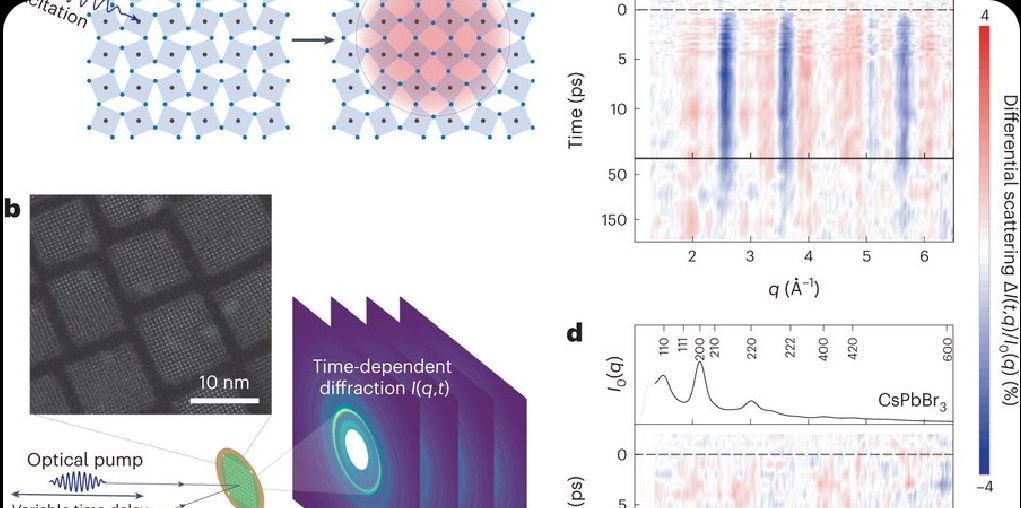
Time-resolved measurements show that coupling between electrons and phonons in lead halide perovskites can mediate attractive interactions between excitons, although the interaction strength depends on the specific material.
✅Source: Click Here
━━━━━━━━━━━
☢ @Physics ⚡
✅Source: Click Here
━━━━━━━━━━━
☢ @Physics ⚡
🔥10👍9❤6🤩2
With a quantum “squeeze,” clocks could keep even more precise time, MIT researchers propose.
✅Source : Click here
━━━━━━━━━━━
☢ @Physics ⚡
✅Source : Click here
━━━━━━━━━━━
☢ @Physics ⚡

👍15🔥7❤6😱1
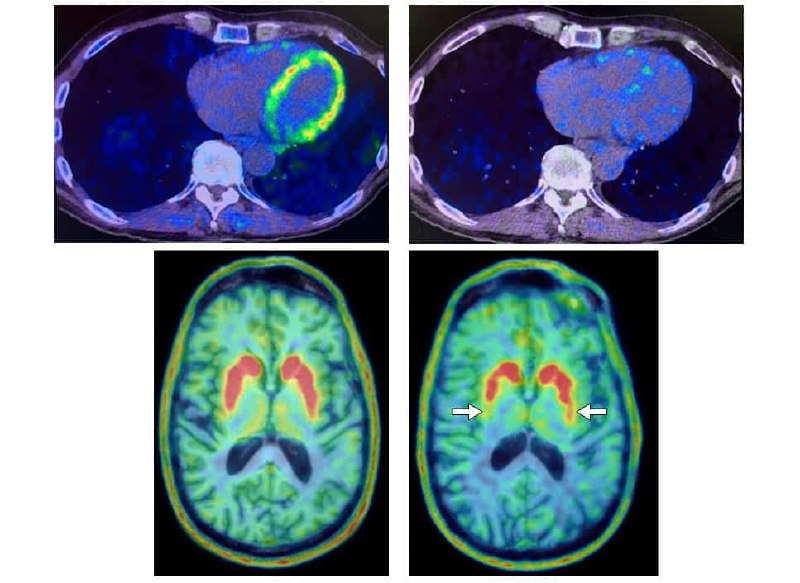
Heart scans could help predict the onset of neurodegenerative diseases such as Parkinson’s in at-risk individuals.
✅Source : Click here
━━━━━━━━━━━
☢ @Physics ⚡
✅Source : Click here
━━━━━━━━━━━
☢ @Physics ⚡
❤11🔥8👍7
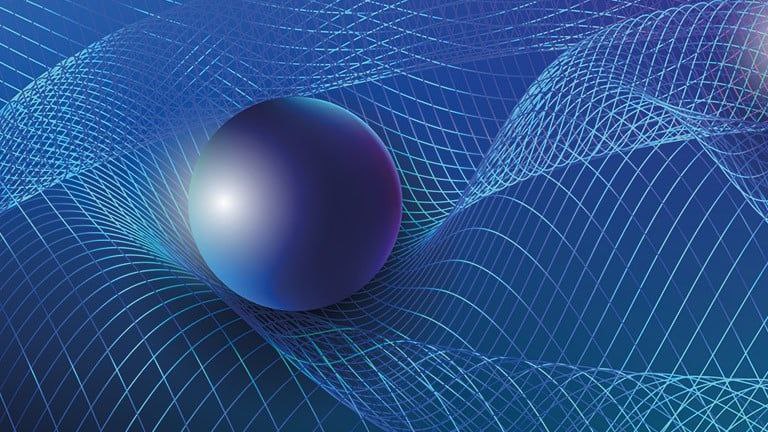
Protocol could make it easier to test the quantum nature of large objects, say physicists.
✅Source : Click here
━━━━━━━━━━━
☢ @Physics ⚡
✅Source : Click here
━━━━━━━━━━━
☢ @Physics ⚡
🔥13❤7👍7
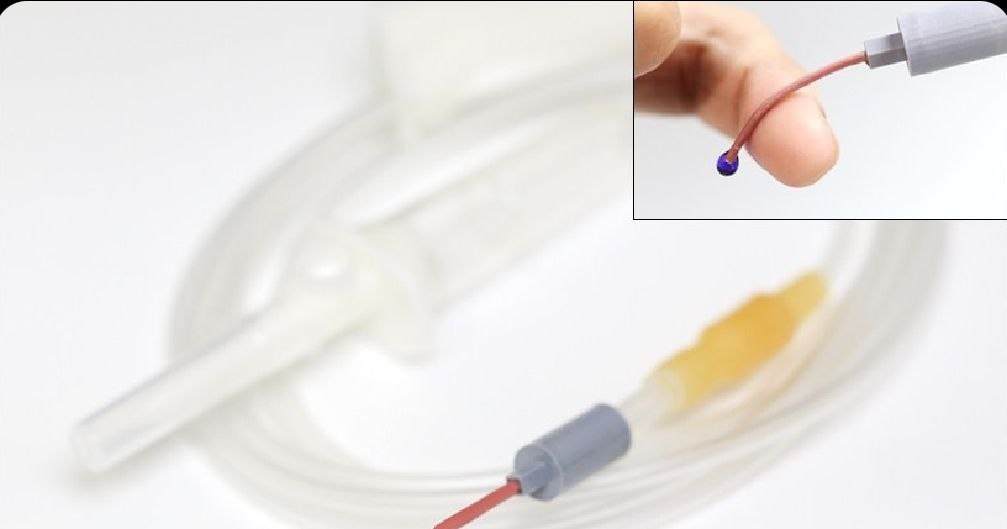
A smart intravenous needle that softens when inserted into a blood vessel could enable safer, less painful injections.
✅Source : Click here
━━━━━━━━━━━
☢ @Physics ⚡
✅Source : Click here
━━━━━━━━━━━
☢ @Physics ⚡
👍9❤8🔥7😱6
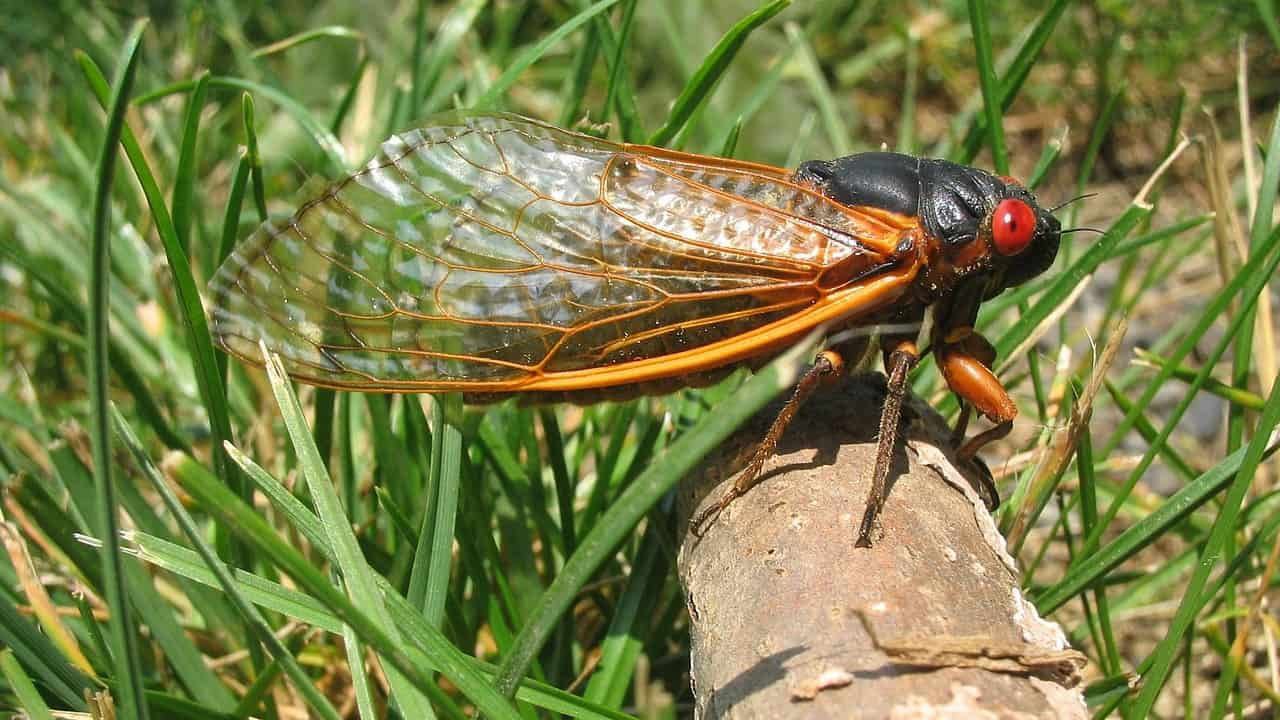
Fire ants don’t use the Cheerios effect after all, a bumper year for cicadas.
✅Source : Click here
━━━━━━━━━━━
☢ @Physics ⚡
✅Source : Click here
━━━━━━━━━━━
☢ @Physics ⚡
❤8🔥5👍2